
A structural analysis of the atomic world of Wes Anderson. Inside: student experiments, a doubling Ralph Fiennes, all short films, and selected advertising collaborations of the director.
Wes Anderson is the kind of director whose quoting makes it hard not to fall into retelling. The purity of his visual environment and non-abstract objectivity disarm the viewer: Wes Anderson is too obvious. Even as a philosophy student, the filmmaker leaned toward logical positivism, that is, toward observational demonstrability.
Delving into biographical notes about Anderson, one wants to believe that from childhood he knew everything about himself. He knew about the symmetry and geometric eccentricity of his worlds, about wide shots, and, oddly enough, text-centricity. But he knew practically nothing. His first film, "Bottle Rocket," is a clueless greeting from South America and at the same time an ode to enduring "boyishness."
The debut has little in common with "The Phoenician Scheme" or "Moonrise Kingdom," and even the second film, "Rushmore," forces one to search for Anderson rather than affirm his existence. But in contrast, the bright, easily verifiable style tries to convince of its innate naturalness, its "indigenous" mode of being. As if there was no Anderson the man, only Anderson the creator and his first "cry," generating cinemagenesis before the advent of cinema as such.
To affirm the opposite, one must go around the bend of the director's feature-length works. Short film is a format that many neglect, but not Wes Anderson. Moreover, habits, character, predilections, and complexes are shaded in large-scale canvases by super-tasks and macro-processes, while "Castello Cavalcanti" or "The Rat Catcher" are arranged in the opposite way.
The intimacy and chamber-like arrangement of objects, their unhurried replaceability, eliminate the need to cut corners of the author's body, its not obviously remarkable features. This is the value and also the reason for the audience's and professional interest in the eponymous short prequel to "Bottle Rocket" from 1993. It is with this that we should begin the conversation about the metaphysical enclave, the "conditional river of absolute love" of Wes Anderson.
Bottle Rocket (1993)
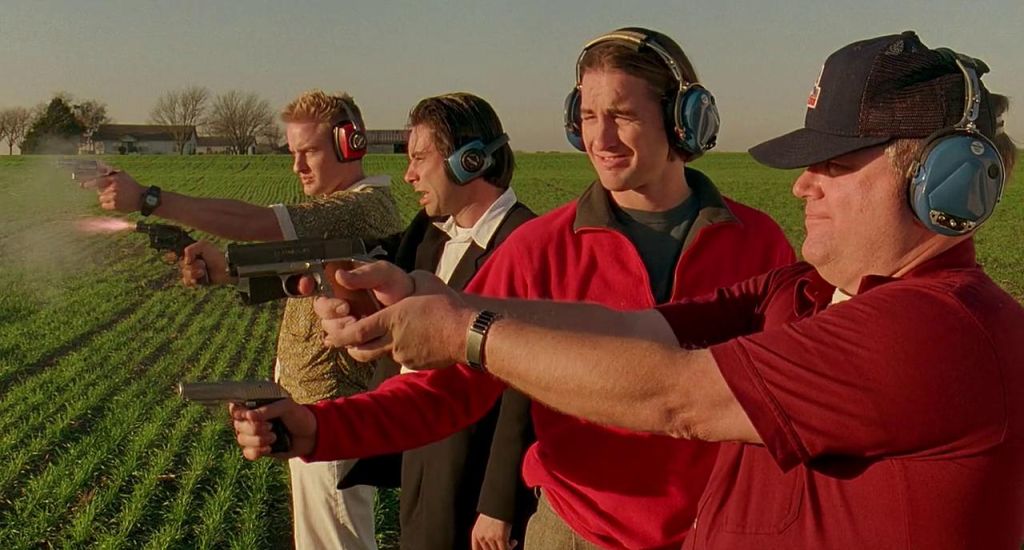
The starting point of a new chapter in American eccentric cinema. The characters, played by the Wilson brothers, commit a series of robberies, not shying away from robbing even their own parents and a harmless bookstore. The visual poetics of "Bottle Rocket" have nothing in common with the style of later Anderson that many adore, but one can note thematic and textural unity.
Dignan and Anthony are typical infantile goofs for the director, who will behave at fifty as they did at twenty. Not out of great intelligence, the guys decide to push the boundaries of American law, waving a gun in a state where everyone has a weapon.
Contrary to common sense, the friends get easy money without much trouble. In between petty crimes, they loaf around town, occupy tables at unpretentious establishments, and chat about this and that. In their behavior, Dignan and Anthony resemble the charismatic losers from "Jackie Brown," and the conversation about cinnamon rolls even ventures into the territory of the legendary debate about the Quarter Pounder with cheese.
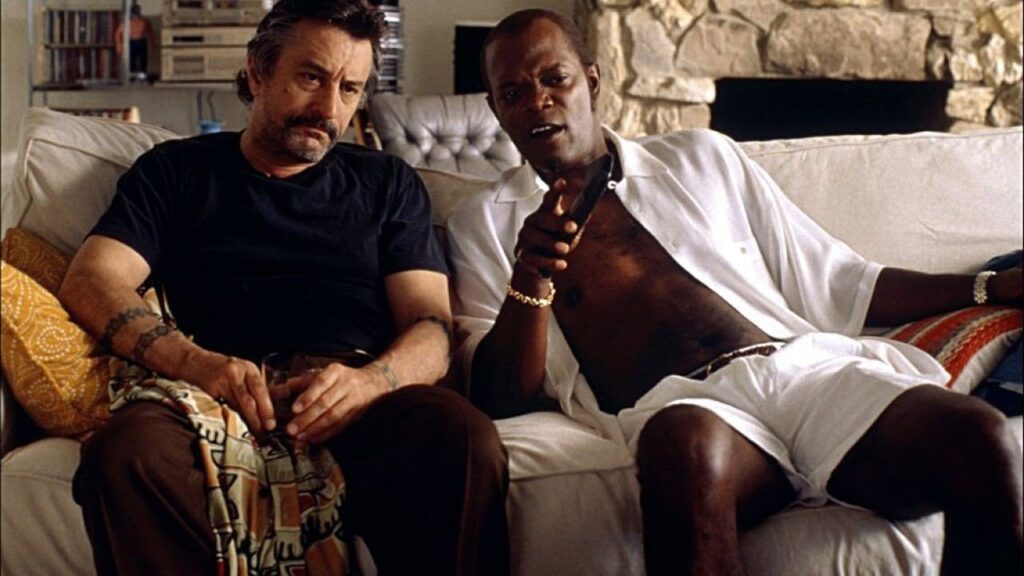
Wes Anderson, like Quentin Tarantino, allows his characters to hang out, have a good time, and feel cool. "Bottle Rocket" does not care about the fate of the result or other narrative "culminations." What matters is action and only action, its entropy, giving birth to an amazing grammar of absurdity, a series of incredible events and coincidences.
But the greatest interest is not even in "Bottle Rocket" itself, but in its placement in the director's filmography, because after this Anderson made a second "Bottle Rocket" (1996), only feature-length. On the one hand, it is a fairly ordinary story of how a small film in every sense managed to attract investors and be reborn into an "older" version of itself; on the other hand, Anderson would later turn to this scheme more than once without urgent need, releasing a prequel or promo material before a full-fledged project.
Hotel Chevalier (2005)
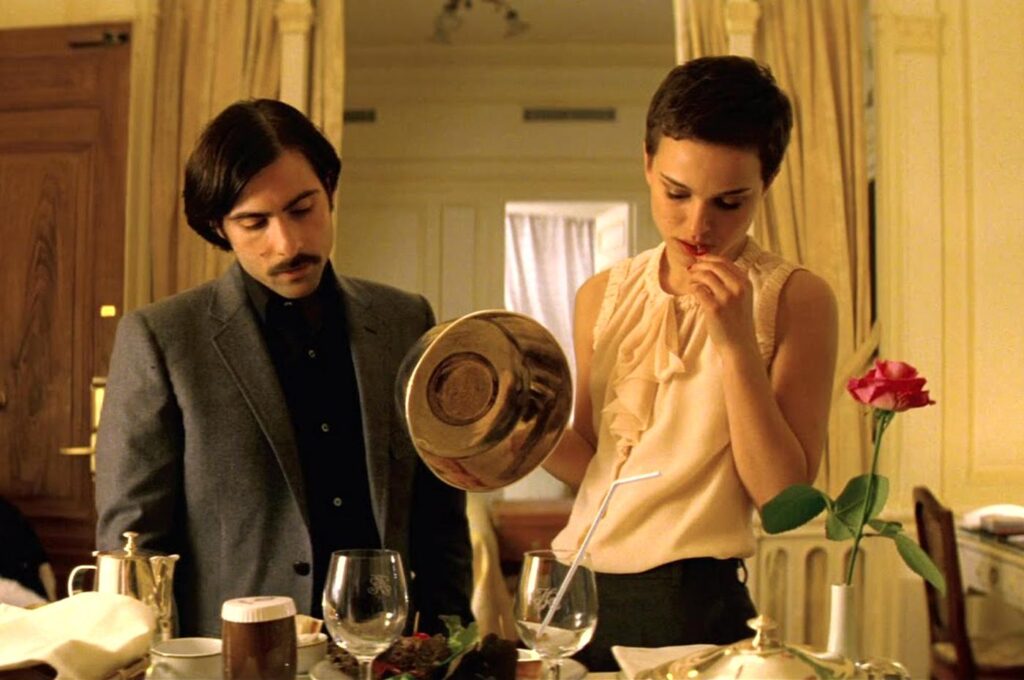
The prologue to "The Darjeeling Limited" is one of the director's most perfect works. An inconspicuous study in thirteen minutes determines the emotional background, tonality, and even color palette of the future project, and this despite the fact that the short was originally announced as an independent work.
Anderson noted that the filming process of "Hotel Chevalier" reminded him of his student film experiments. One Panavision camera, fifteen people, self-financing, and absolute disinterest from the studio further help to confirm this feeling.
American Express: My Life. My Card (2006)
The American financial giant AmEx is known worldwide largely due to attractive advertising campaigns involving top-tier celebrity guests.
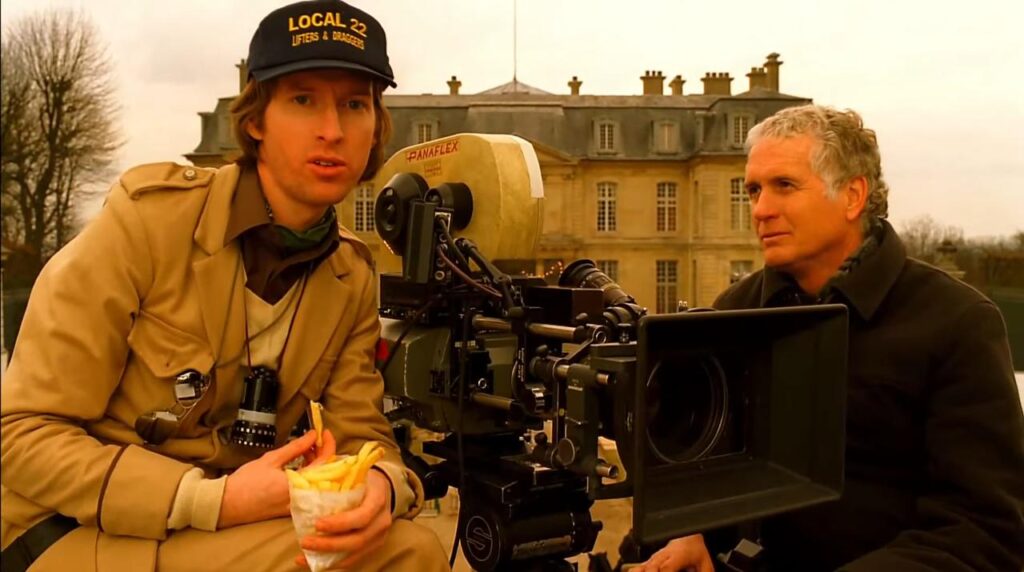
Once Martin Scorsese stated that Wes Anderson is the next Martin Scorsese. To be fair, it is worth saying that they have in common only the profession, citizenship, and participation in creating American Express commercials. In Anderson's case, the situation is even unique: the director made a 2-minute film about how he makes films, summarizing the proceedings with the phrase: "My life is storytelling." The circumstances under which the filmmaker formulated one of the most important principles of his authorial worldview are curious (an advertising commission usually does not lend itself to revelations).
For Anderson, text means no less than image. His plots are woven from word forms, and each film is a collection of exquisite lexemes (just look at the children's love letters in "Moonrise Kingdom," written on paper in calligraphic handwriting). Wes's characters are fictional readers, into whose heads elegant examples of his literary talent and the talent of other wonderful screenwriters and writers are unashamedly placed.
Softbank Commercial (2008)
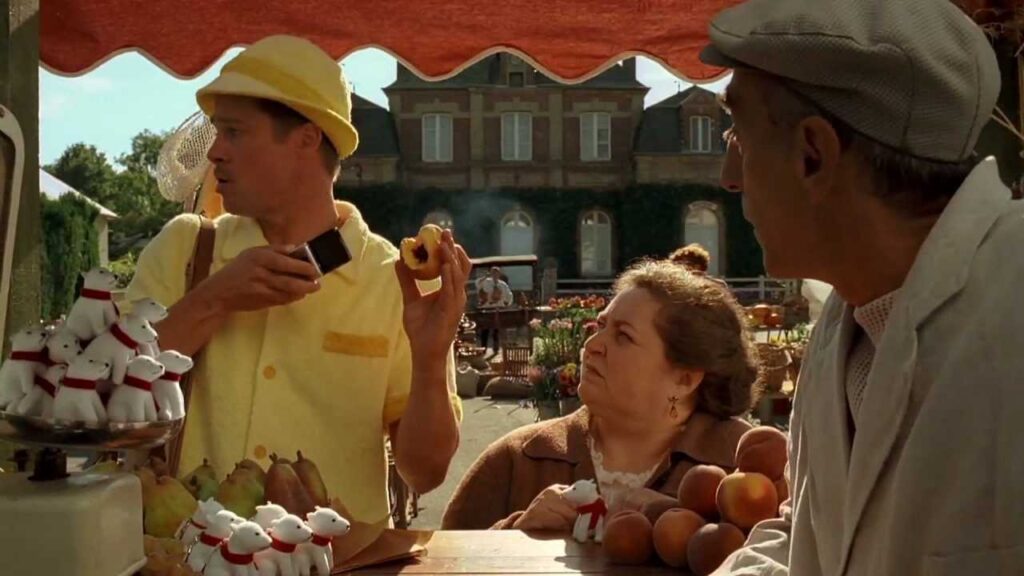
After the release of "Fantastic Mr. Fox," Wes Anderson made a tiny commercial commission featuring Brad Pitt. The latter cheerfully and slightly absurdly copes with the everyday difficulties of a tourist, foreshadowing his comedic appearance with the Coen brothers in "Burn After Reading."
Stella Artois Le Apartomatic Commercial (2010)
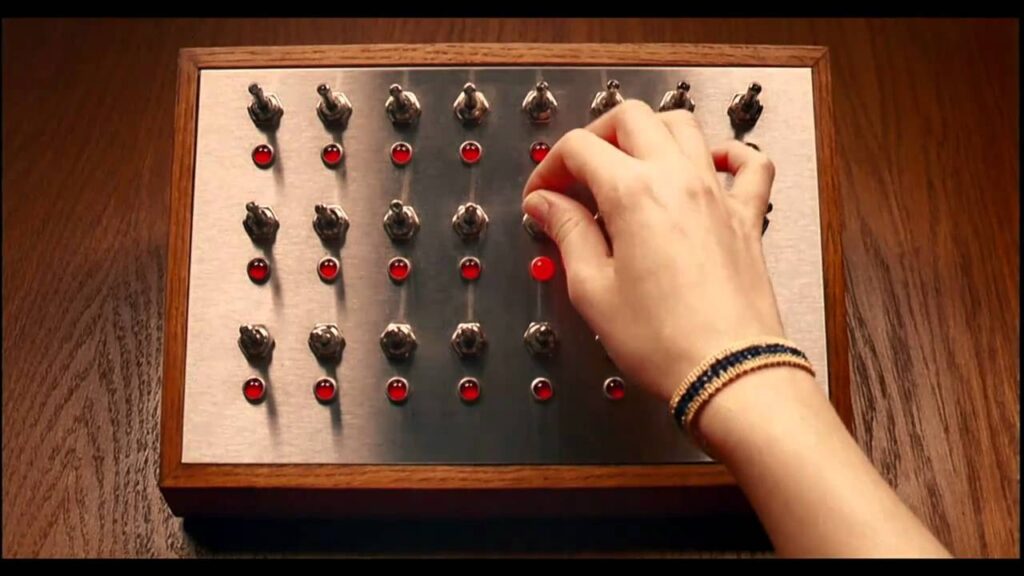
A happy couple after a date goes up to the mysterious apartment of the young man. The owner retires to the bathroom while his girlfriend plays with the dashboard, showing the viewer complex mechanisms without a specific purpose and revealing the director's penchant for orderly mechanized chaos. Even when advertising a beer drink, Wes Anderson presents himself.
Moonrise Kingdom: Animated Book (2012)
Wes Anderson's worlds are part of ordinary real space and at the same time possess amazing qualities, allowing us to speak of them as alternative or inverted spaces, modeling the behavior of every lost soul. It is something between Foucauldian heterotopias and Latin American fantasies about their own continent.
The children in love, Sam and Suzy, seem to have reserved New Penzance Island for themselves, which Anderson himself defines as "fake but looking real."
However, it (both the island and the director) lacks fictionality. From the desire to put New Penzance on maps and at the same time point out its unreality, a strange short film was born in which Bob Balaban pretends to be an unknown librarian of a fictional island and discusses the upcoming film "Moonrise Kingdom" with a potential viewer. It seems that this time the chaos turned out not entirely manageable, but that is not quite the case. The short with the subtitle "Animated Book" will make itself known again eleven years later, but more on that later.
Cousin Ben Troop Screening with Jason Schwartzman (2012)
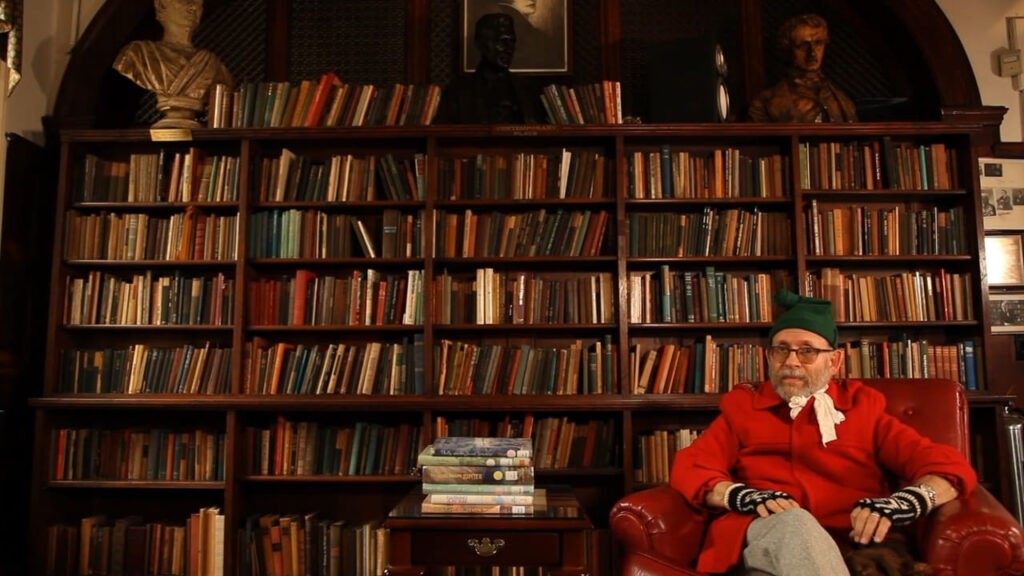
The second promo video prepared as advertising support for the release of "Moonrise Kingdom." The film pursues the same goals as "Animated Book."
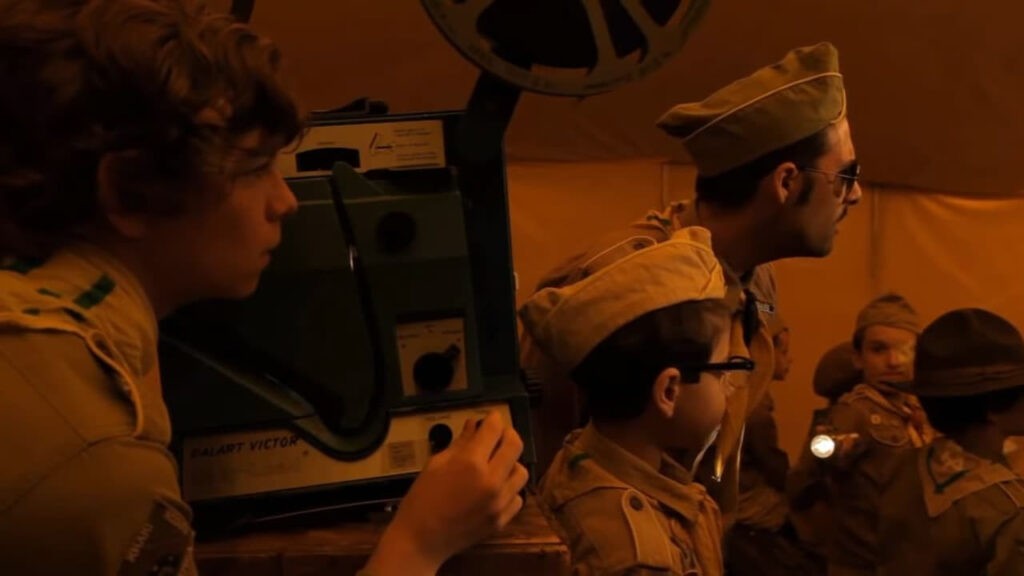
Castello Cavalcanti (2013)
Wes Anderson pushes through stacks of advertising contracts and neatly folded scripts of epilogues and preludes to finally make his first full-fledged short (albeit under the patronage of the fashion house Prada) since "Hotel Chevalier."
In his usual manner, Anderson, through a series of unobtrusive reminiscences, tells about his favorite cinema: "La Dolce Vita" by Federico Fellini and the Brazilian director Alberto Cavalcanti, whose surname is proudly borne by the main character Jed (again Jason Schwartzman). If you want to see the most peaceful car accident in the world, "Castello Cavalcanti" can provide such an unusual viewing experience.
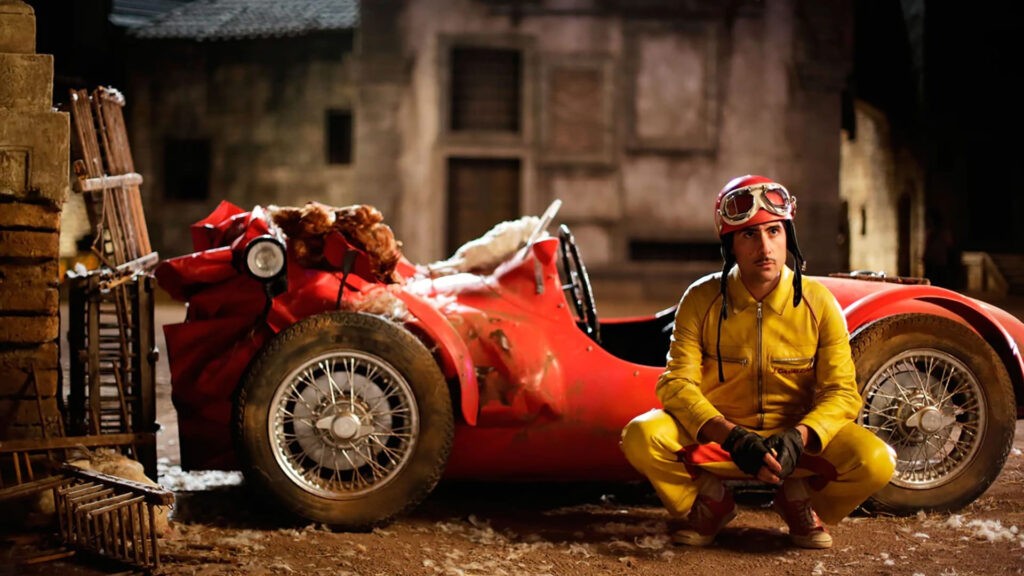
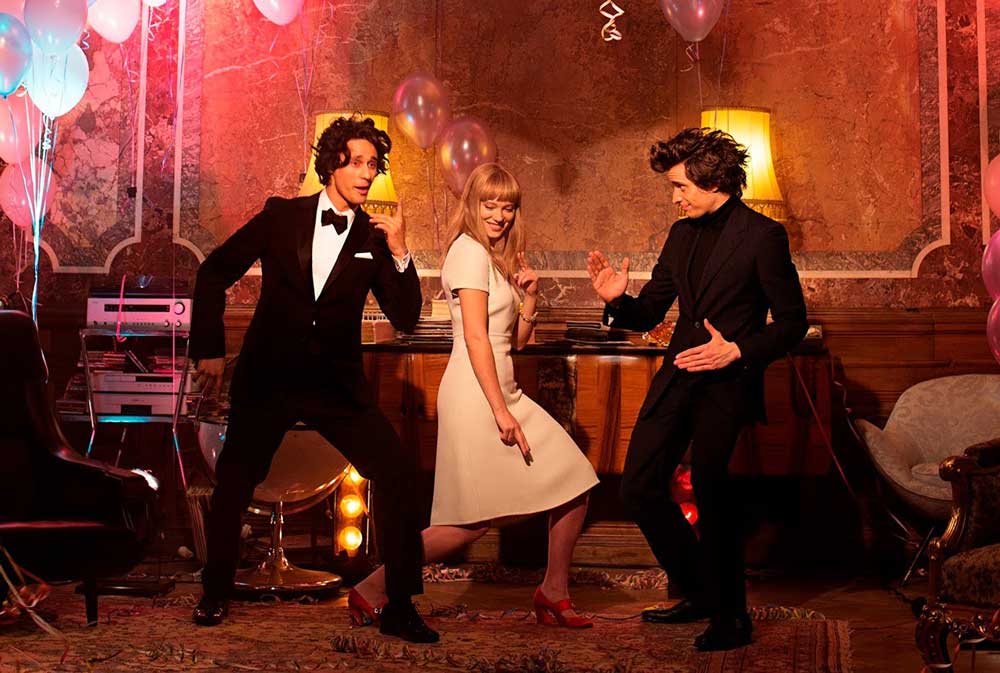
Prada: Candy (2013)
Not too memorable advertisement for women's perfume with gloomy Léa Seydoux and her "pets"-admirers. Wes Anderson and Prada clearly lost the arms race to the tandems of Calvin Klein/David Fincher, Chanel/Baz Luhrmann, and Dolce & Gabbana/Martin Scorsese.
However, the director's gravitational field is always tuned to the creation of interstellar matter and areas of increased aesthetic density. The Prada brand advertisement became for Anderson a tool and an opportunity to attract new faces to the filming of future film projects. Léa Seydoux and Rodolphe Pauly would later meet again on the set of "The French Dispatch," and also accept one more offer each (the actor will appear in "Asteroid City," the actress in "The Grand Budapest Hotel").
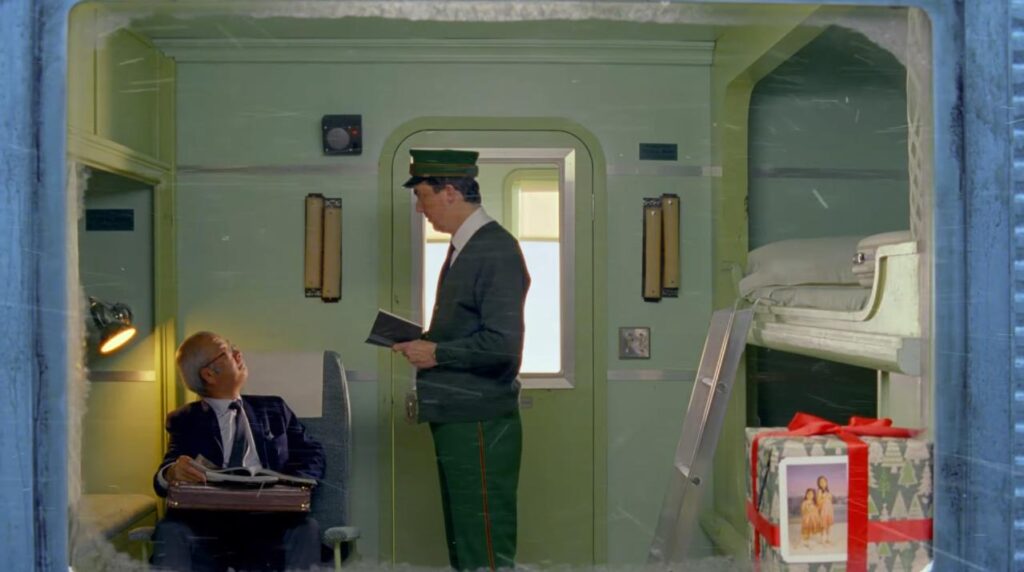
Come Together: A Fashion Picture in Motion (2016)
Financed by H&M, a New Year's film card unites disconnected strangers into a semblance of a family Excel table. Ordered clusters of static shots increasingly resemble a box of chocolates or a notebook grid, and editing cuts are finally replaced by Anderson's iconic horizontal and vertical camera movements (called whip pans).
Aline (2021)
The last time Wes Anderson accumulates elements of his authorial language through simple addition is in "The French Dispatch," only to then deprive himself of homogeneous space, neglect it for the primary grid of things. The evolution of the artistic "taxon" is perfectly illustrated by the film posters, or rather, the arrangement of characters or other central elements on these posters.
Up to the film "The Grand Budapest Hotel," the depicted objects are "blissfully and warmly adjacent," like the still-life fruits of Paul Cézanne or grape clusters tied to one pole ("The Royal Tenenbaums," "The Life Aquatic," "Moonrise Kingdom"). Starting in 2014, the approach to creating posters changes somewhat: Concierge Gustave, lobby boy Zero Moustafa, and Madame D. do not hug or sit on each other. They are still in the same environment, but already separated by a test-tube method and stuffed into different cells.
In the future, Wes Anderson will alternate communities with tabular unities. In the director's most recent film to date, he has even locked an extravagant plan of being into shoeboxes and photographs. It is no coincidence that the film is called "The Phoenician Scheme."
And if such radical changes began with the ambitious "The Grand Budapest Hotel," then one can verify them by watching Aline, an animated music video for the title song from "The French Dispatch."
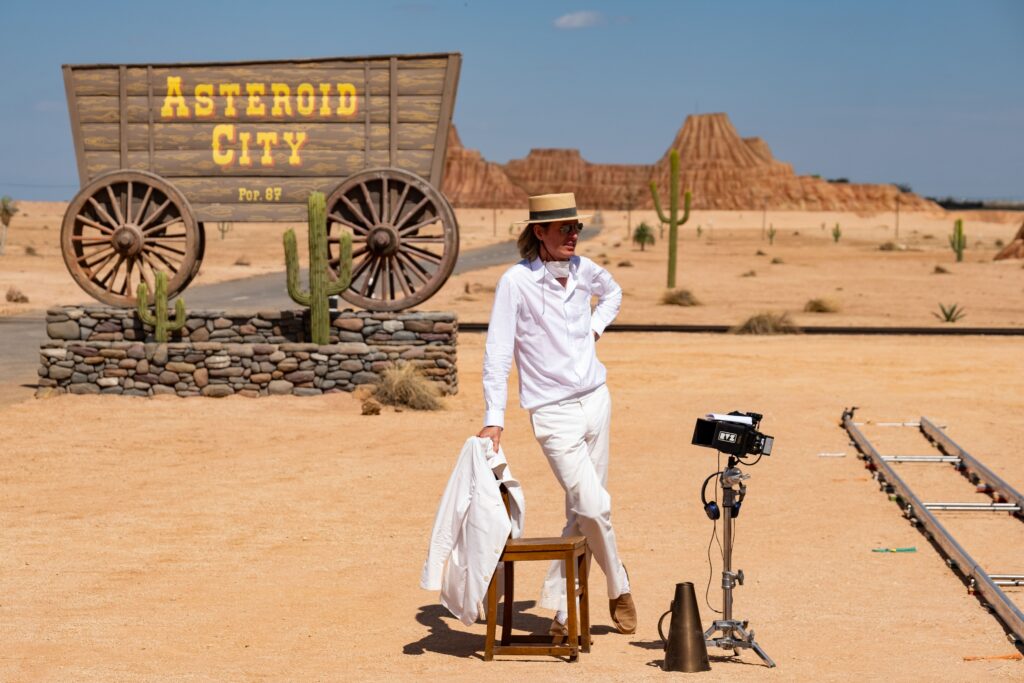
Asteroid City Location Featurette (2023)
It is interesting to follow not only the consistent development of Wes Anderson but also those features that do not change over the years. In a brief behind-the-scenes of the big film, the director almost verbatim quotes himself from 2005 (the filming of "Hotel Chevalier"): "We were a student film on a huge set in the middle of Spain." Anderson certainly remembers "Bottle Rocket" and embodies some principles of low-budget filmmaking (small crew, absence of trailers and makeup artists, proud solitude).
The Wonderful Story of Henry Sugar and Three More (2023)
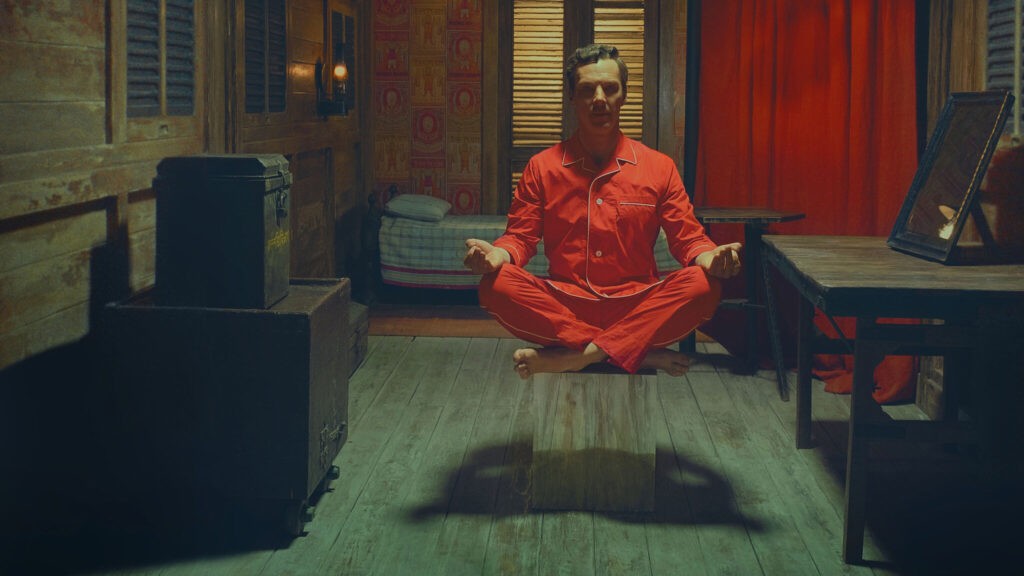
In 2021, Netflix bought the Roald Dahl Story Company for $686 million, and in 2023 released an anthology film of four parts based on the stories of Roald Dahl – "The Rat Catcher," "Poison," "The Swan," and, of course, "The Wonderful Story of Henry Sugar." And although formally, thematically, and conceptually they are rightly combined into one project, on the streaming service they are all presented as equal, independent, and self-contained. After all, it was not the anthology that won the Oscar, but only its title work.
Roald Dahl, despite his cult status in the literary community, has a very limited influence on cinema. He has been adapted many times by the most significant directors on the planet, but his plastic and submissive texts left an insignificant trace of authorial style. Filmmakers did not develop Dahl; they skimmed the cream of his most famous examples of short prose ("Gremlins," "Willy Wonka & the Chocolate Factory," "James and the Giant Peach").
The light style of the British writer also yielded without resistance to Wes Anderson, the chief stylist of modern cinema. However, at this point we must return to two previously stated theses. First, Anderson is text-centric; second, his characters are readers. In practice, this means that the literary basis will sound with full force in the voices of famous actors. As strange as it may sound, the works of the most visually oriented director can be "watched" with closed eyes.
The Andersonian reader is analogous to the traditional Western European figure of the scribe. A person reading aloud, like one writing, will not be crowned with a laurel leaf, because he is guided by someone else's will: he is only an accurate exponent of the truth. Such poetics goes back to Christian literature and the totality of the divine nature of texts. After all, Wes Anderson himself only tells stories, tirelessly practicing the art of cinematic narration: Roald's wonderful texts in his performance turn into animated audiobooks.
This literary excursion into the world of Dahl-Anderson does not end there, since the figure of the creator-storyteller in the anthology "The Wonderful Story of Henry Sugar and Three More" doubles, triples, in short, multiplies. For Roald Dahl, played by Ralph Fiennes, appears as himself to present the viewer with his stories and the history of their creation. In addition, Fiennes also embodies Dahl's characters – the Rat Catcher and the Policeman, hinting at the identity of the author and his "created world."
Thanks to doubling and tripling, the artistic and the artificial overcome the phenomenon of distance, leveling the self-worth of the place prescribed to each thing. Even Anderson under such circumstances becomes not only a reader but a doubled figure of the reader-poet, who has the courage to introduce Dahl-the-character into the narrative, and thus enslave him and make him speak in his own voice, the voice of God.
Simultaneously breaking the stories of the tabular anthology into short films, like secret plans in the Phoenician Scheme, and mixing the most important aesthetic variables, as in "Rushmore," Anderson confirms the variability of the structure of his cinema.
Comforting Conclusions
Among film lovers, there is an opinion that Wes Anderson has become mired in lifeless self-repetition and is no longer able to interest the viewer. However, even a brief analysis of his short "sketches" proves that this is not the case. Right now, the director is climbing a completely new peak for himself and for cinema, which can pose several extremely intriguing questions to any author. One of them: will the climber withstand the new height? After all, aesthetic and spiritual search is not about "The Wolf of Wall Street" at 71 years old, nor about greedily groping Homer's "Odyssey," but about Jeepers Creepers, assembling himself piece by piece.
Comments
0No comments yet.