

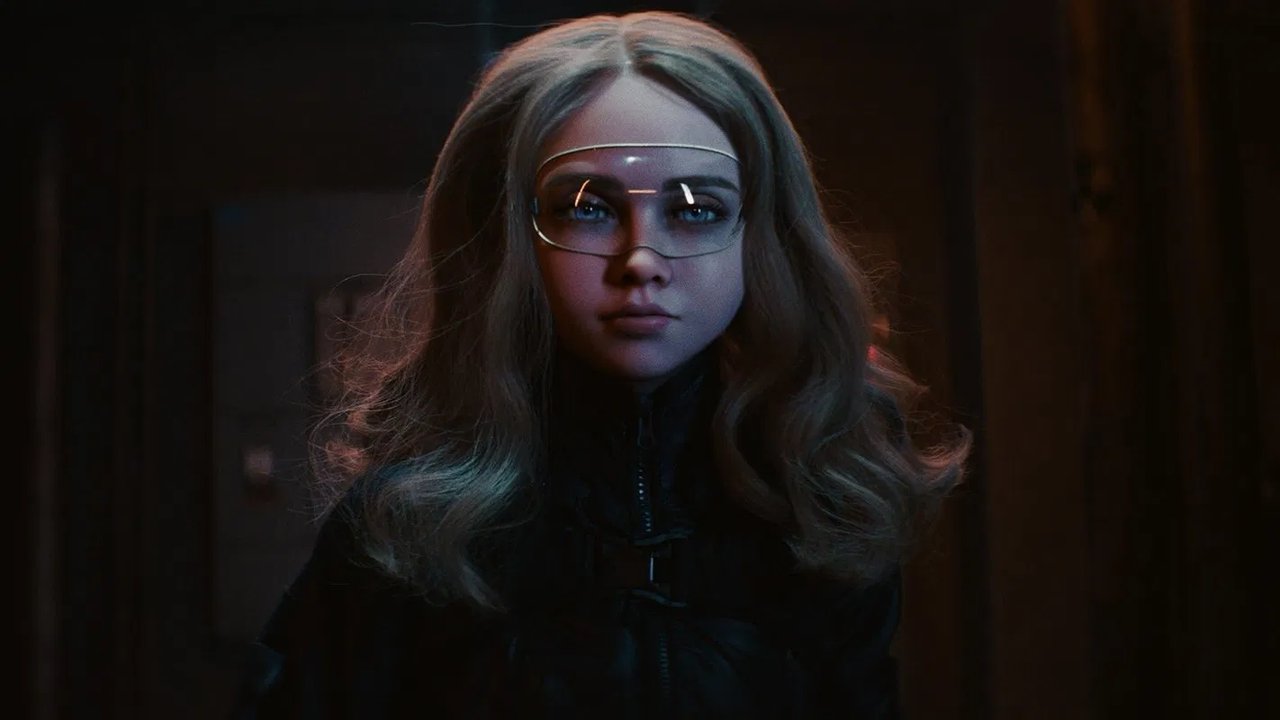
The new film by Gerard Johnstone, "M3GAN 2.0," has landed on digital platforms. How the sequel to the meme horror lost everything that made the franchise special — in our review.
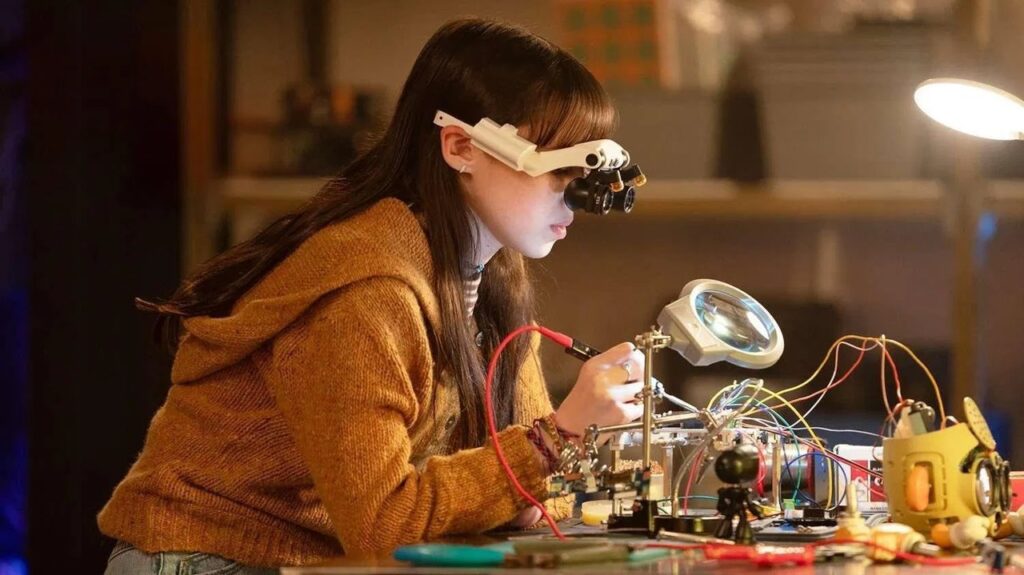
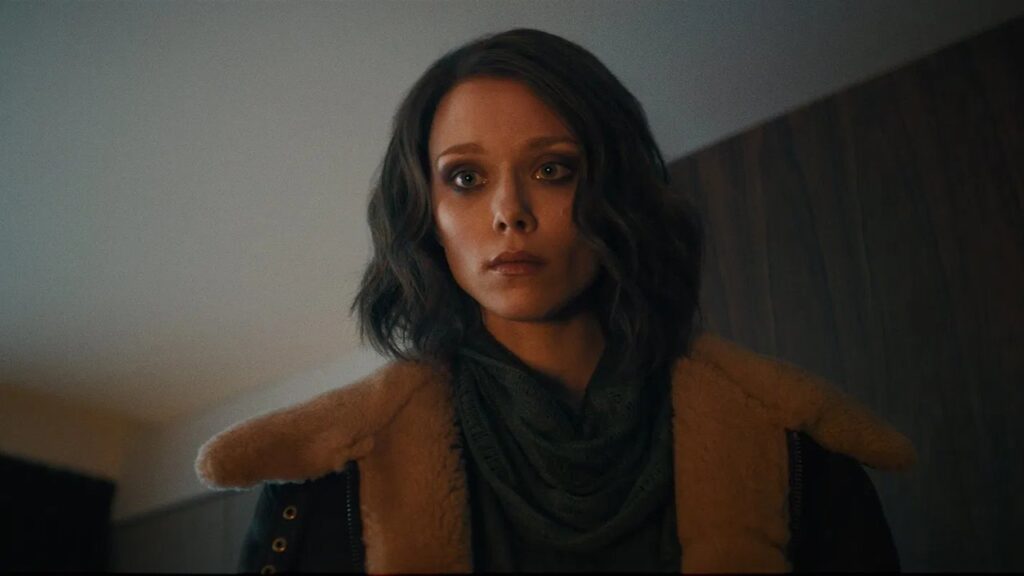
Two years have passed since the bloody events with the nanny doll M3GAN. Gemma (Allison Williams), once the creator of the revolutionary android, now fiercely opposes the use of artificial intelligence, especially when it comes to children. Meanwhile, Cady (Violet McGraw) has turned into a modern teenager who won't take a step without her smartphone and secretly studies technology behind her aunt's back. Both heroines occasionally flinch at random noises and look at each other warily, remembering the horror they experienced. Meanwhile, a secret U.S. government department creates a new android based on the old M3GAN, named Amelia (Ivanna Sakhno) — a techno-killer who suddenly decides for herself who lives and who dies.
Gerard Stone, director of two parts of the film about a sinister android in the guise of a teenager, is first and foremost a passionate fan of the first two "Terminators." This is so obvious that it doesn't require any careful look at the film's material. While the first part had one modest borrowing (a literal copy of the skeletonized T-800's walk down the factory corridor in pursuit of Sarah Connor), in the sequel this modesty has completely vanished.
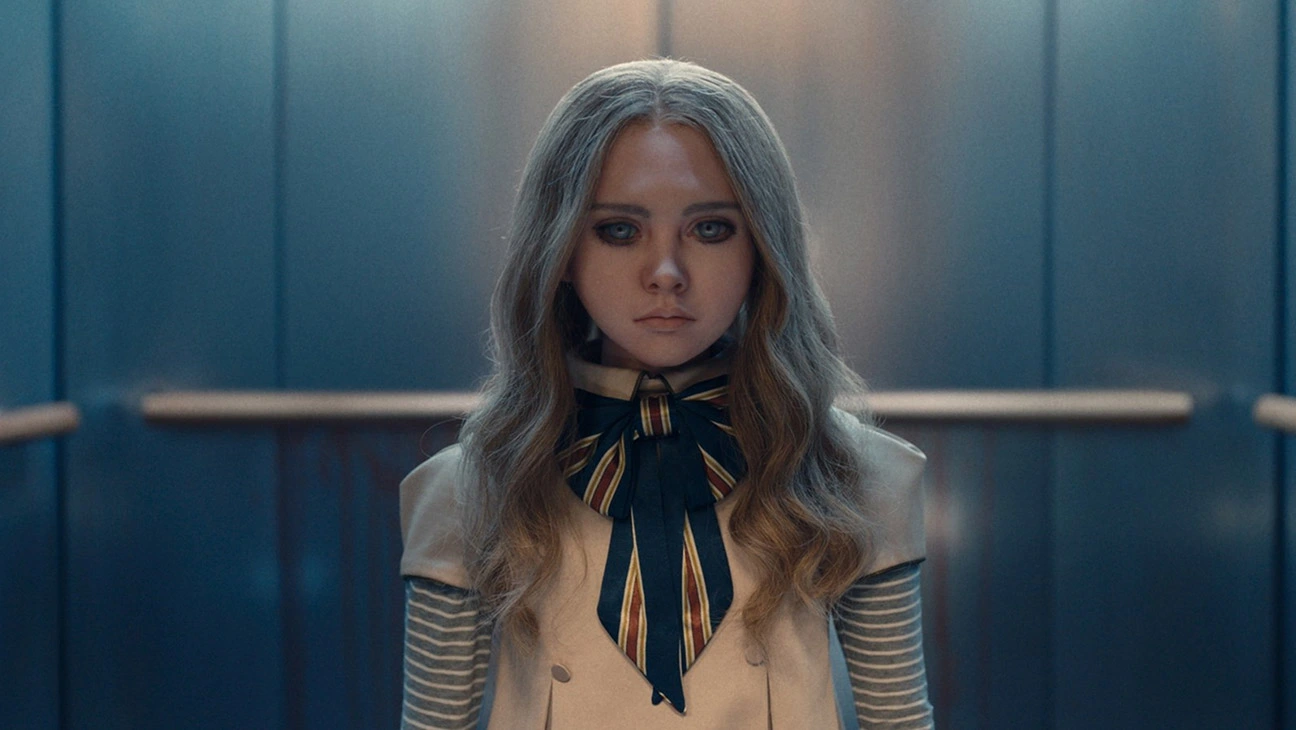
What happens if a neural network is asked to make a film about the friendship between a robot and a child? "M3GAN" will tell you.
Open materialStone completely took "Terminator 2" as a basis, unfolding the story according to a familiar scheme: yesterday's killer becomes a protector. True, with one fundamental difference: if in Cameron's film the transformation of the machine into a savior was dictated by the logic of the plot, in Stone's film Megan "decided so herself." Why? Perhaps out of nostalgia for family (quite absurd). Or out of a thirst for freedom (although what freedom means for an algorithm is a philosophical question).
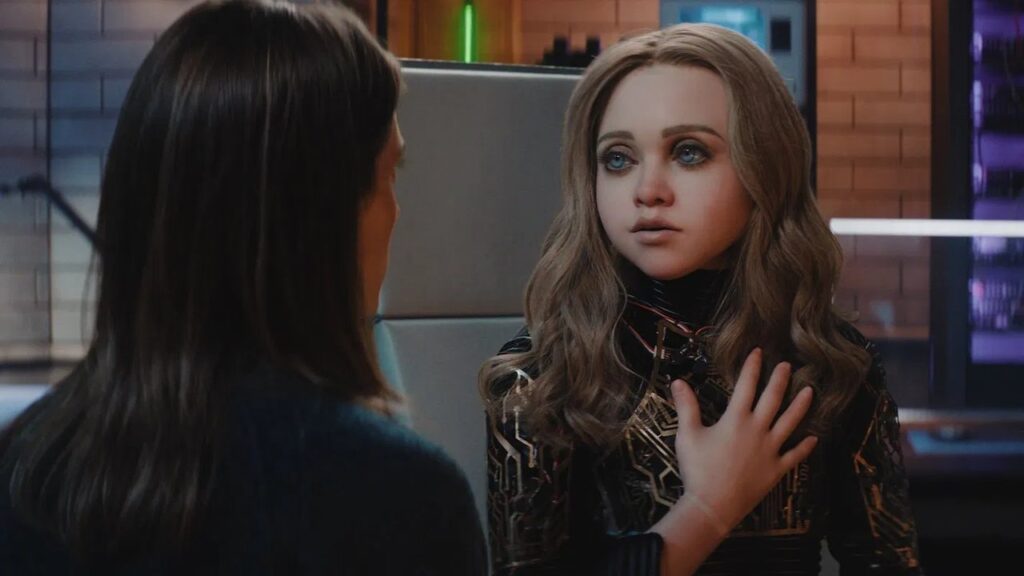
If the first "M3GAN," albeit with a stretch, pretended to be a horror film, whose only success was the viral dance of the robot girl, then in the second part even that success turned out to be chimerical for the director. But the problem is not even that, but how the director himself relates to his film. Stone, instead of rethinking the relationship between humans and AI in a new way, follows a well-worn path, reducing everything to the primitive: "All artificial intelligence to the nail!"
This bourgeois, almost reactionary message is not just banal; it throws the film down to the level of cheap technophobic horror stories, diminishing the merits of genre colleagues ("I, Robot," "Minority Report"), which explored the theme of dehumanization against the backdrop of a progressive future, rather than frightening the viewer with caricatured images.
As for the genre, the first "M3GAN," for all its shortcomings, at least tried to be a horror film and was sometimes quite good, albeit with only one truly memorable moment. In the second part, there is no trace of that. "M3GAN 2.0" portrays cartoonish action, drowns in clichéd images, making one foolish move after another, settling into second-rate jokes, awkward imagery, and heavy technical terminology. It is obvious that Stone, the director of the sweet and smart comedy "Housebound", turned a blind eye to the authorial approach and filmed to please social media trends.
But it cannot be said that he did not try at all: Amelia, the new version of the robot, looks truly frightening in some scenes. Special thanks can be given for the return to practical effects — the stuntmen and animators, it seems, were the only ones who worked here with full dedication. Allison Williams, returning to the role of Gemma, beautifully sparkles with her eyes; there is enough boyish enthusiasm (albeit not entirely sincere) for the entire runtime, and some kind of evolution of the film proceeds on its own.
But all these small glimmers drown in a chaotic pile of scenes that resemble either a bad quest or a failed episode of a series on the level of "Black Mirror," hastily shot. Plot holes, template dialogues, characters whose motives change as the action progresses — all this creates the feeling that the film was assembled from scraps of other people's ideas. Even the finale evokes not catharsis, but relief that it is finally over.
If the first "M3GAN" was an interesting, albeit controversial, experiment, then the sequel is a pure product of the Hollywood conveyor belt. Just another attempt to talk about technology and humanity. But without the courage to make something more out of these conversations than a moral in the spirit of "don't trust your iPhone." And the saddest part is that even the dance, for which many went to the cinema, is practically absent here.
Comments
0No comments yet.
Sign in to join the discussion.