

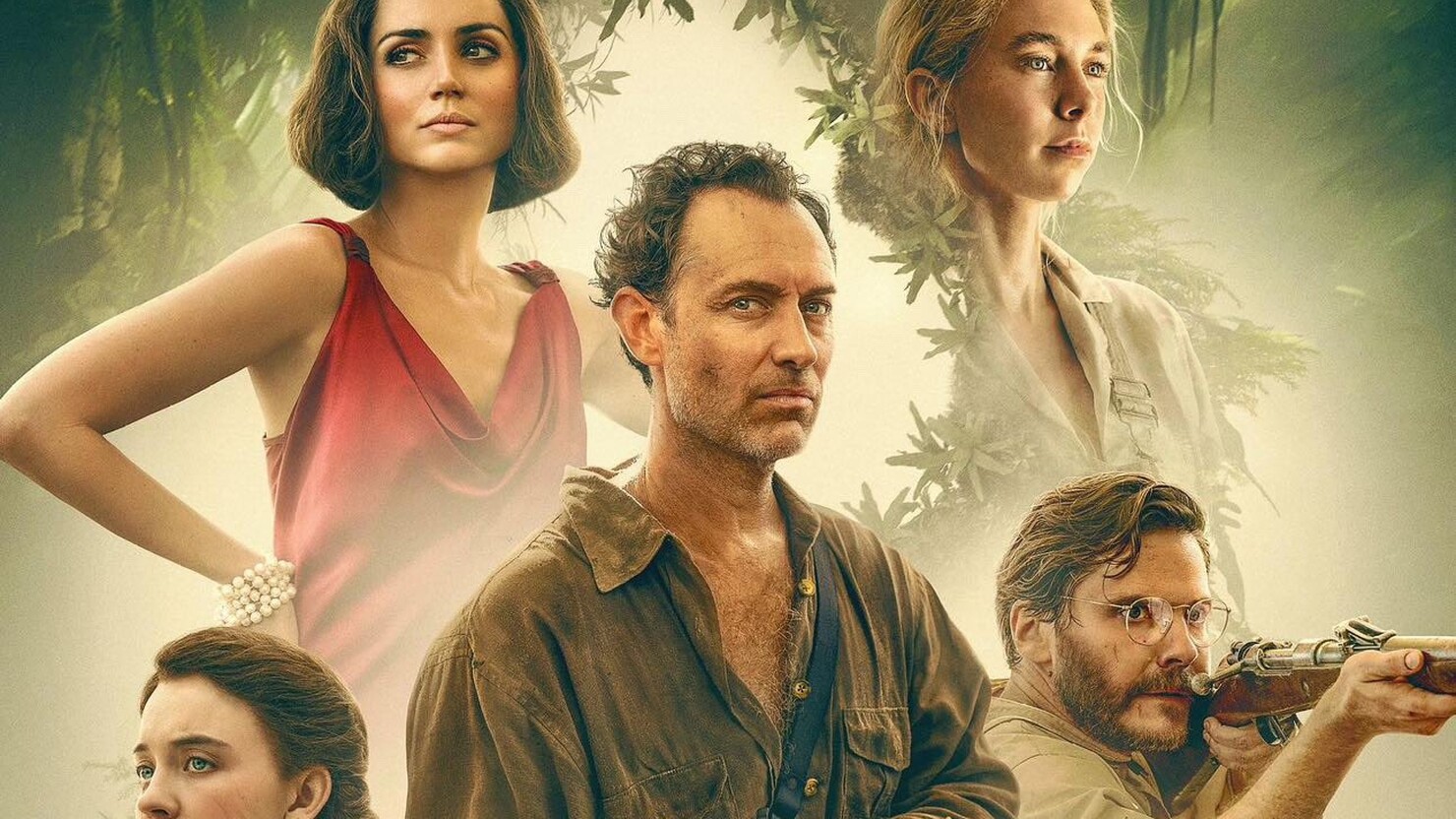
The film 'Eden' — survival on the Galapagos through the eyes of Ron Howard, with Jude Law and Ana de Armas. Instead of utopia, a test of endurance, plus passions, intrigues, and real human weaknesses against the backdrop of wild nature.
Have you ever wanted to escape civilization to find yourself? Ditch your laptop, delete social media, go where there are no followers or likes? The heroes of the film 'Eden' went further: the Galapagos Islands, a complete break with the world, hopes of building their own paradise. But as director Ron Howard shows, when you run from some demons, you risk meeting others — your own.
1939. A German couple (Jude Law and Vanessa Kirby) leave Europe and settle on a wild island. Soon, other enthusiasts who learned about them from newspapers join in — a sturdy couple (Daniel Brühl and Sydney Sweeney) with a child, and a glamorous, scandalous baroness (Ana de Armas in her most unusual role), who turns the quiet commune into a hotbed of passions and intrigue. The idyllic corner rapidly becomes an arena for psychological (and not only) battles, where life itself is at stake.
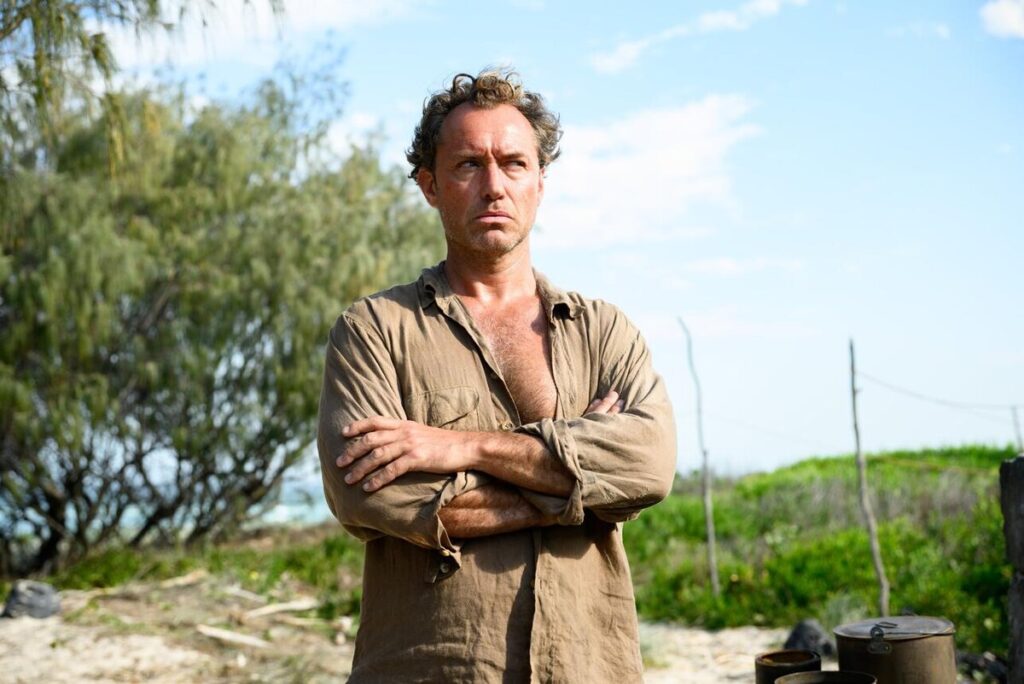
The strengths of 'Eden' are immediately obvious: visual splendor (the local colors are rendered with such love that you'll want to buy a ticket on the first flight to the Galapagos), a soundtrack by Hans Zimmer that ominously hints — trouble is coming.
Atmospherically, it owes much to 'Lord of the Flies', but played out by adults with enviable self-irony. Howard offers a mix of survival, paranoid thriller, and something slightly arthouse, where relationships between people matter far more than weather or water supplies. Jude Law as a toothless neurotic is repulsive, Ana de Armas is a pure storm of emotions (you've never seen her so delightfully vile), Sydney Sweeney is an island of sanity here (at least initially).
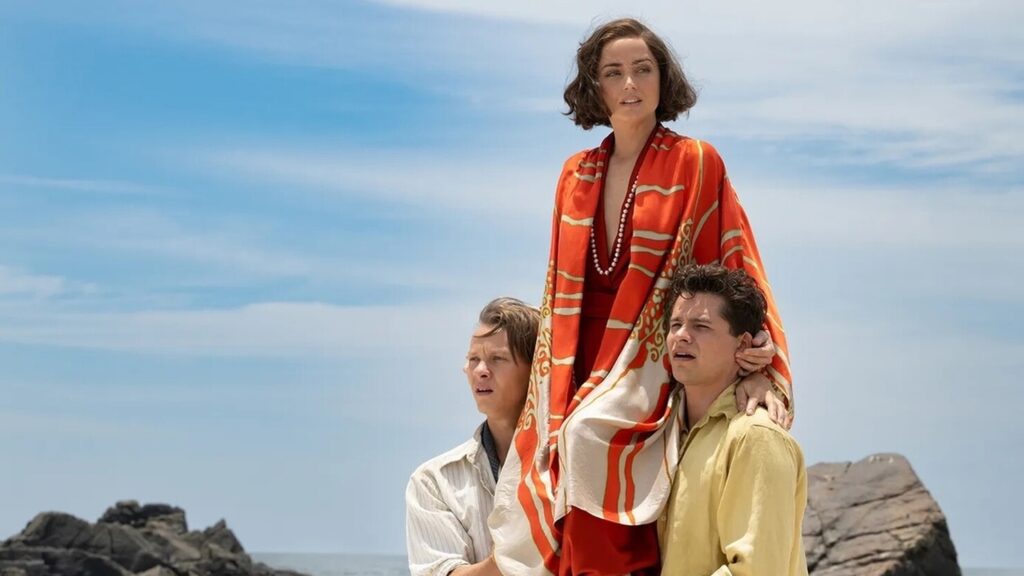
Everything seems fine and in its place. But where the film falters is the script. Tension builds initially, but by the end of the first hour, it becomes tedious. Characters suddenly lose motivation and logic in their actions: watching them is sometimes amusing, but empathizing is impossible. At times you want to shout at the screen: 'Guys, less empty chatter, more action!'
There's plenty of sex — there's an absolutely outstanding episode with Vanessa Kirby's character's deadpan line: 'Shall we fuck?' Also, there's plenty of blood and even scenes with pigs and childbirth among wild dogs — no, you didn't mishear. Howard decided to go all out, but didn't always maintain style and basic coherence.
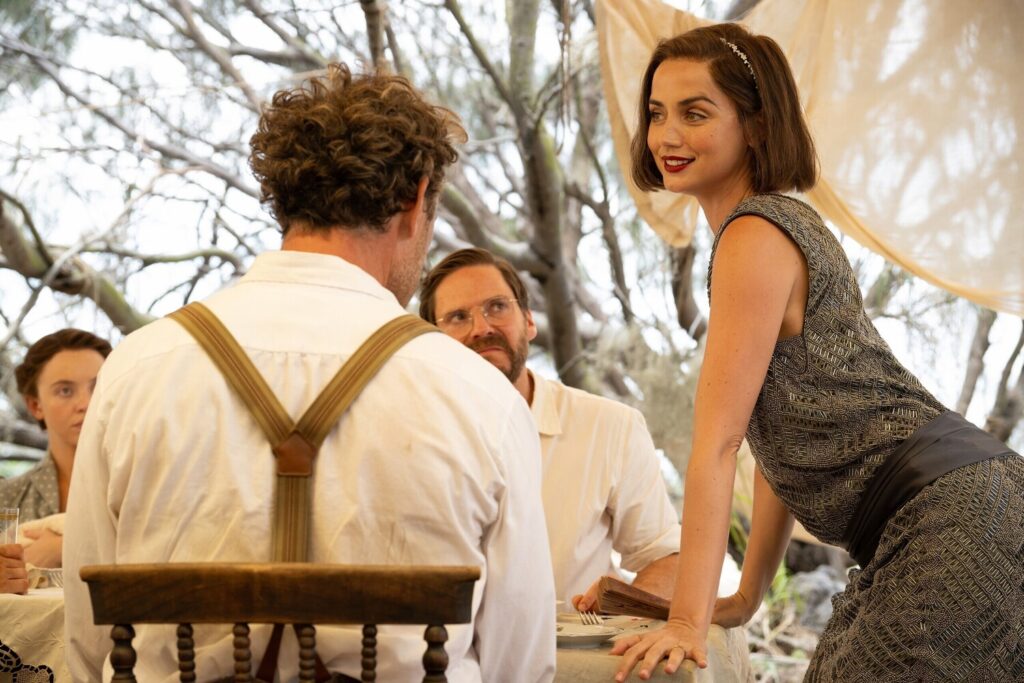
While watching, a question arises: why does such a big director's energetic start give way to a sluggish finale, and tense dialogues to cringey scenes? The question is open — perhaps it's an attempt to combine the incompatible: to show either a thriller, a satire, a philosophical parable, or a survival tale in the wild.
The impression of 'Eden' is twofold — it's not a one-night film. It contains interesting reflections, for example, on whether it's possible to build communism bypassing other stages of societal evolution. Sometimes it cleverly ventures into thoughts about how base instincts are stronger than philosophical theories. The intensity of passions, excellent acting, and beautiful scenery — all of that is there. But you catch yourself thinking: yes, the island is beautiful, yes, the plot is intriguing to a degree, but at some point, you want the movie to end faster.
Despite the film's title, faith in humanity and the possibility of creating an ideal world will not increase after watching. Perhaps that is Howard's ultimate (and cynical) intention. If so, the film succeeded brilliantly.
Comments
0No comments yet.
Sign in to join the discussion.