

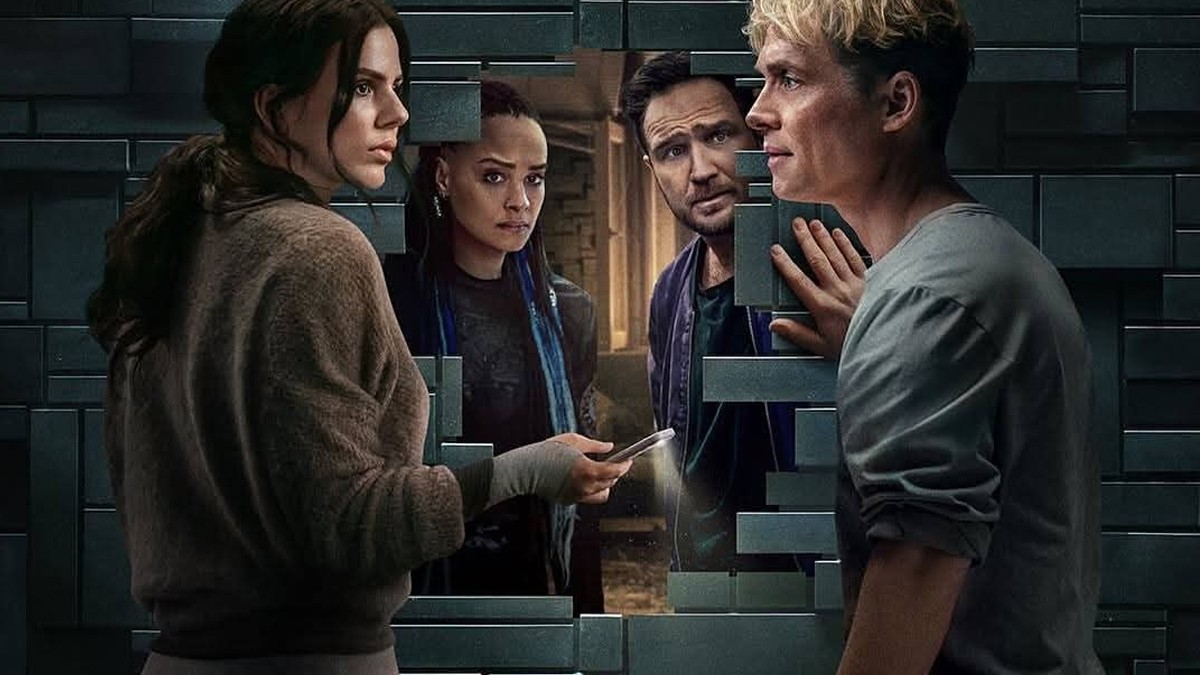
"Brick" is a German thriller about how the real walls are built by ourselves. Intimate atmosphere, psychological games, and attempts to escape the trap — all in our review.
Have you ever woken up with the feeling that the world has shrunk to the size of your own apartment? Now imagine that this is not a metaphor: one day you discover that your house is surrounded by a blank brick wall, and you can't escape through the door, the window, or even the ventilation. No, this is not a new way to deal with noisy neighbors renovating — it's the premise of the German thriller "Brick" from Netflix.
Tim (Matthias Schweighöfer) and Olivia (Ruby O. Fee) are a couple whose relationship is on the rocks. He is a workaholic game designer, she is an architect dreaming of change. Their latest argument is interrupted by a much more tangible problem: their entire apartment building is surrounded overnight by a mysterious brick wall. No communication, no hint of what's happening outside. In their attempts to find a way out, the spouses team up with other trapped neighbors, and a real quest begins: who will overcome whom first — the wall or each other.
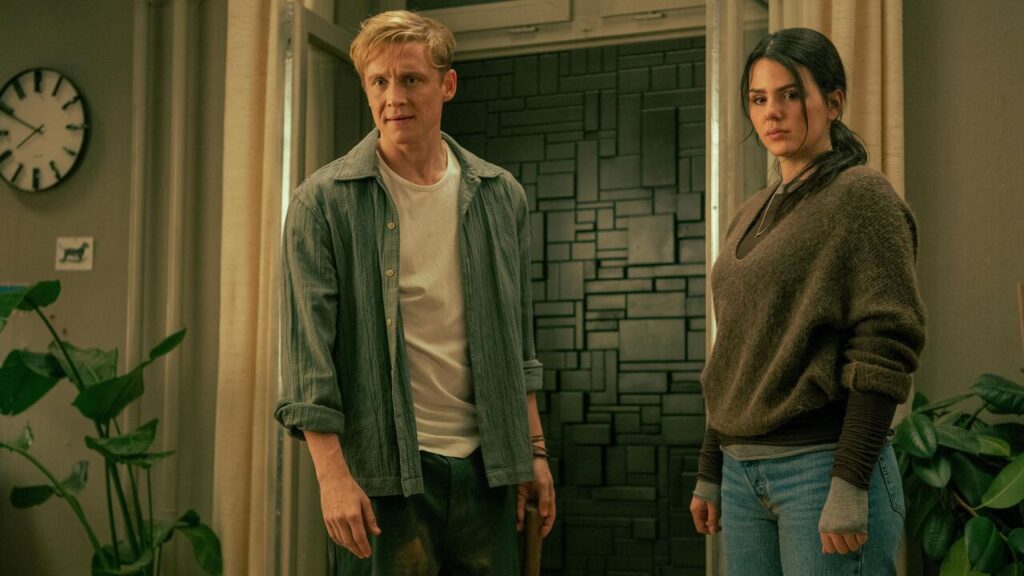
The film skillfully plays on nerves: claustrophobia here is perhaps the main ingredient. The wall is a metaphor not only physical but also emotional. The characters have long built their internal barricades, and now they are offered to deal with them literally, not figuratively.
Matthias Schweighöfer and Ruby O. Fee, known from "Army of Thieves", are together again — and their chemistry is felt even through impenetrable walls. Their arguments and reconciliations look as if the director simply placed a camera in a real apartment after a hard day. The conflict itself is a bit trivial (the characters drifted apart after losing a child), but thanks to the natural interaction of the actors, it feels lively and engaging.

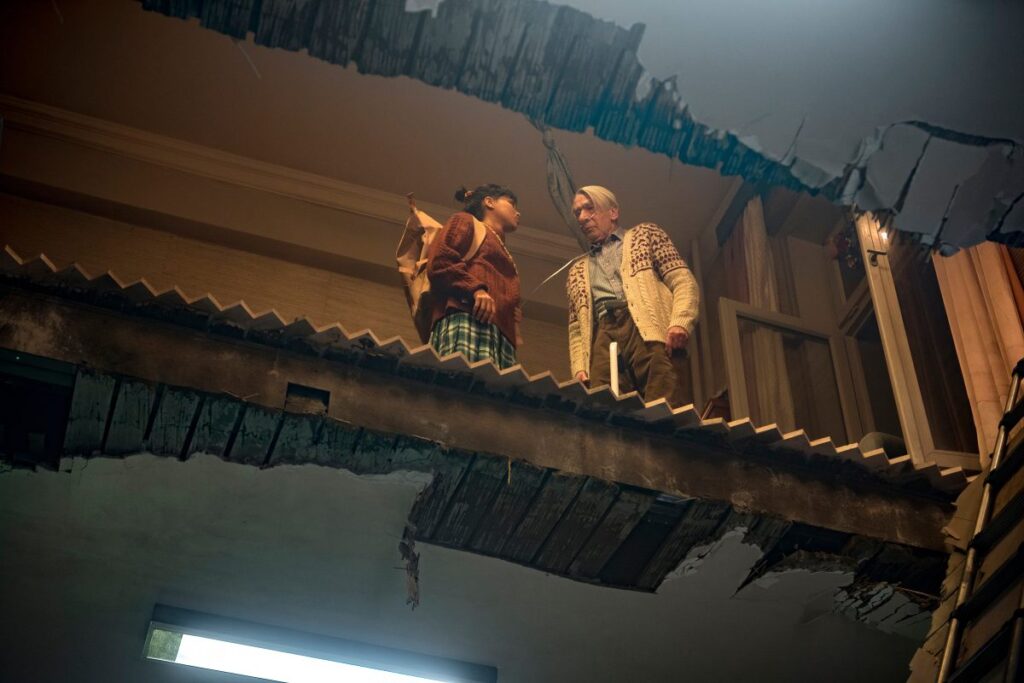
The neighbors represent a whole gallery of characters: from a paranoid police officer convinced that the wall is their only way to survive, to a couple throwing a party with illegal substances. Each adds their own shade of panic and humor, diluting the growing madness.
German urbanism, with its concrete corridors and dim light, is perfect for a story about a confined space. At times, it feels like you've stepped into "Cube" or "The Platform," but with a German accent and a more grounded drama.
Despite its obvious merits, the film oscillates between genres: at times it wants to be an intimate psychological drama, at others a brisk sci-fi thriller. As a result, neither line is fully developed: the mystery of the wall feels undercooked, and the motivation of some characters seems forced.
For those who love the dynamics of "Saw" or "Cloverfield," "Brick" will sometimes seem slow. The second act drags: the characters argue, break walls — all against a backdrop of prolonged pauses, as if the authors couldn't figure out how to develop the story.
The promise of a resolution is fulfilled, but not without reservations: answers exist, but they don't evoke a "wow effect." At least it's not an open ending.
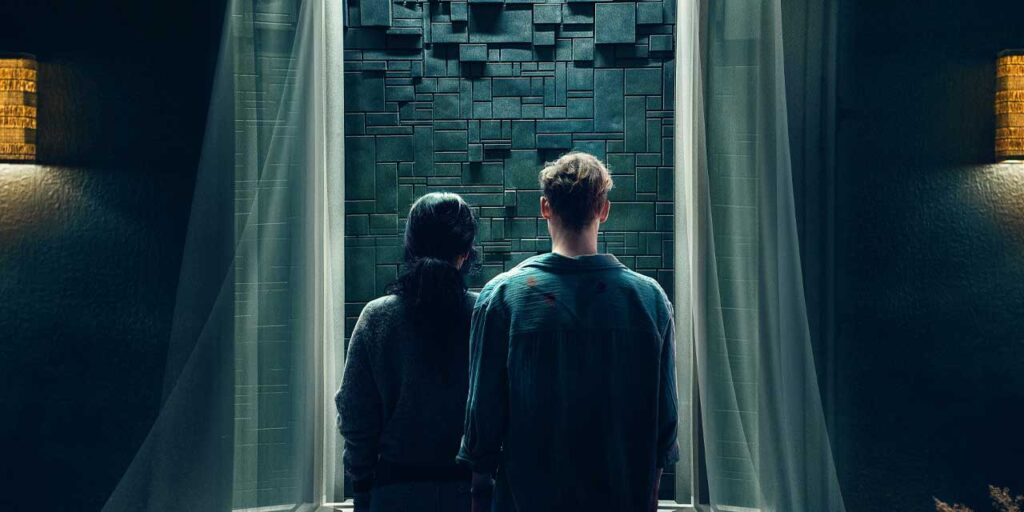
"Brick" is one of those cases where the idea grabs you from the first minutes. However, as you watch, you catch yourself thinking: can the authors realize their own potential? The concept of the "wall" works as a mirror for the characters and the audience, and the intimate atmosphere keeps you on edge. But you want more drive and a twist in the resolution. The film can be recommended to those who love psychological experiments and are not afraid to be alone with their own fears. For genre fans, it's a solid, if not revolutionary, example that is not ashamed to add to your collection of "intimate thrillers."
Comments
0No comments yet.
Sign in to join the discussion.