

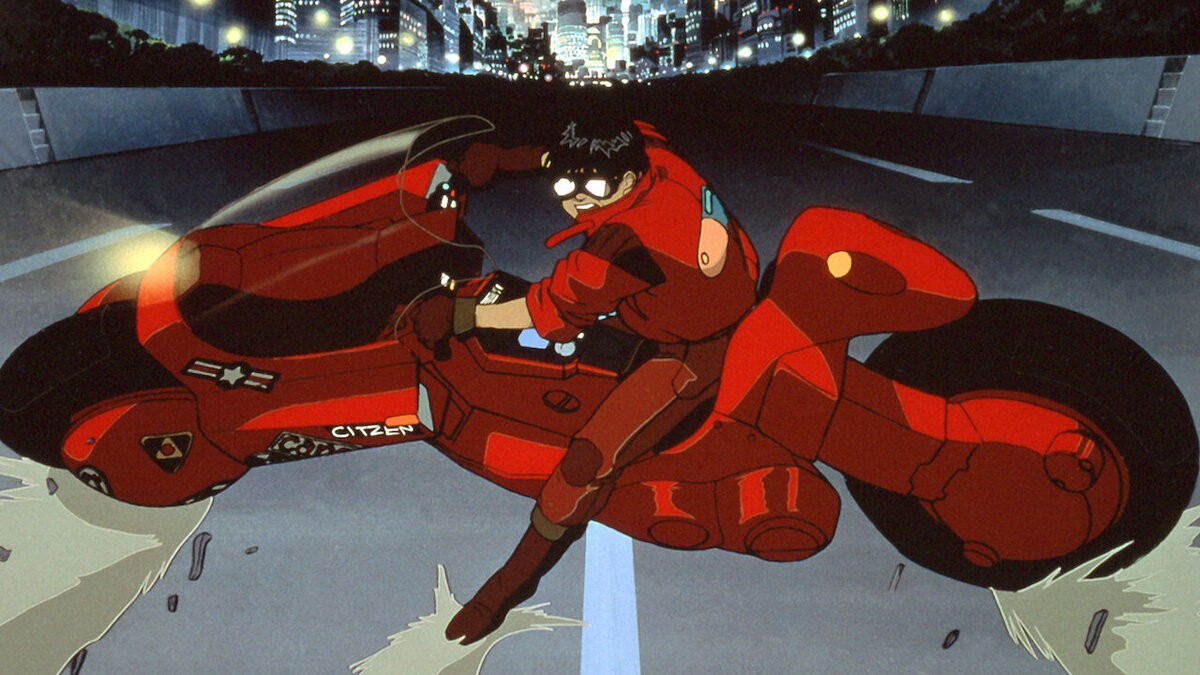
On June 26, the cult film by Katsuhiro Otomo "Akira" hits theaters. Inoekino will show it in a new 4K restoration. The film can be watched both in the original with subtitles and in two dubs — from Studiyonaya Banda or Reanimedia. A futuristic animat...
1988. Tokyo is destroyed by an explosion and wiped off the face of the Earth. 30 years later, on the site of the once great city stands the futuristic metropolis Neo-Tokyo. The streets are dominated by outcasts and biker gangs. During one of the city skirmishes, a strange child appears — his skin is pale, his face wrinkled, and he visually resembles an old man in a child's body.
Trying to escape from the military, he uses telekinesis, causing an accident. One of those caught in the epicenter and injured is Tetsuo — a member of a teenage biker gang. The boys' lives change dramatically when Tetsuo ends up in a secret laboratory and gains superhuman powers.
The 80s are considered the golden age of Japanese animation. The famous studio Ghibli emerged, and cartoons and series began to move away from being predominantly children's. Works like Miyazaki's and anime in the vein of "D: Vampire Hunter" replaced "Astro Boy," attracting teenagers and adult viewers.
Then came "Akira," sparking the cyberpunk "boom" in Japan. Without it, "Ghost in the Shell" and "Cowboy Bebop" would not have appeared. For viewers accustomed to only children's themes, scenes of murder and violence were shocking. It was the introduction of "adultness" into anime that drew people of all ages to it.
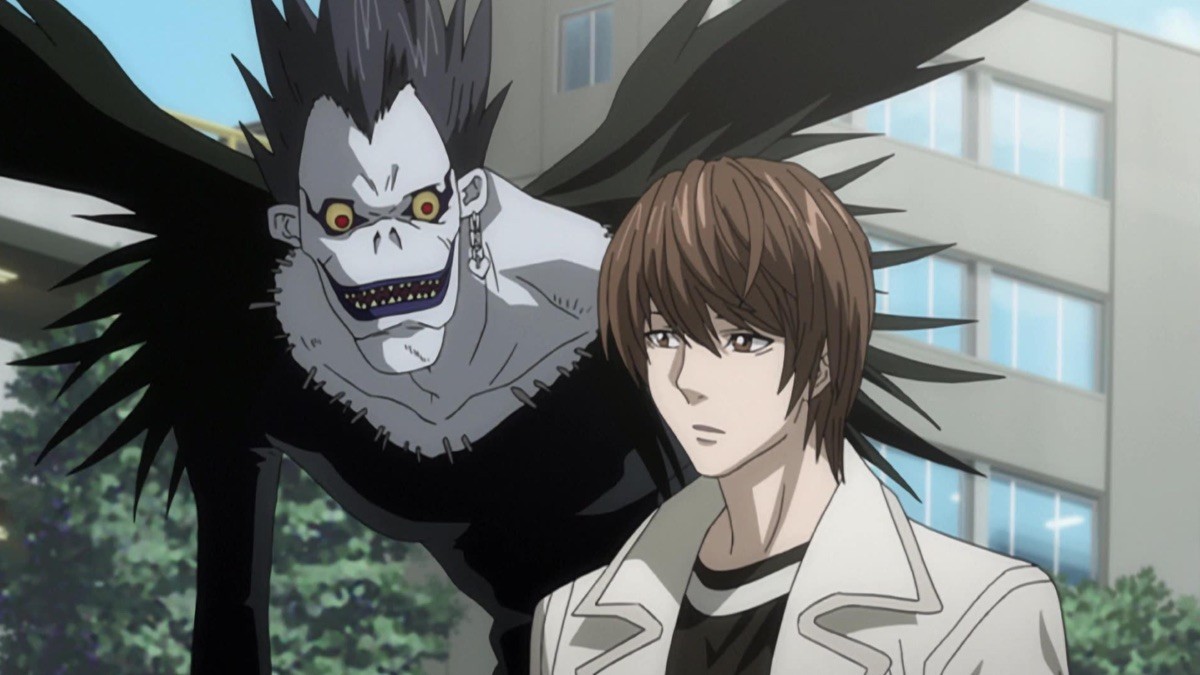
Japan gave the world not just a unique genre, but an entire cultural universe. We've compiled 10 iconic anime that showcase the main features of this direction in anim
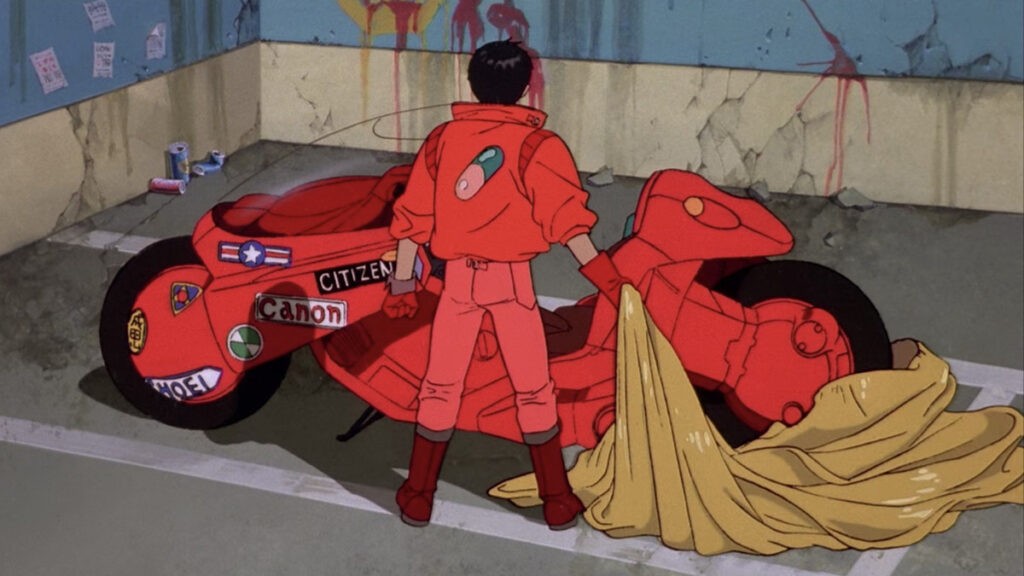
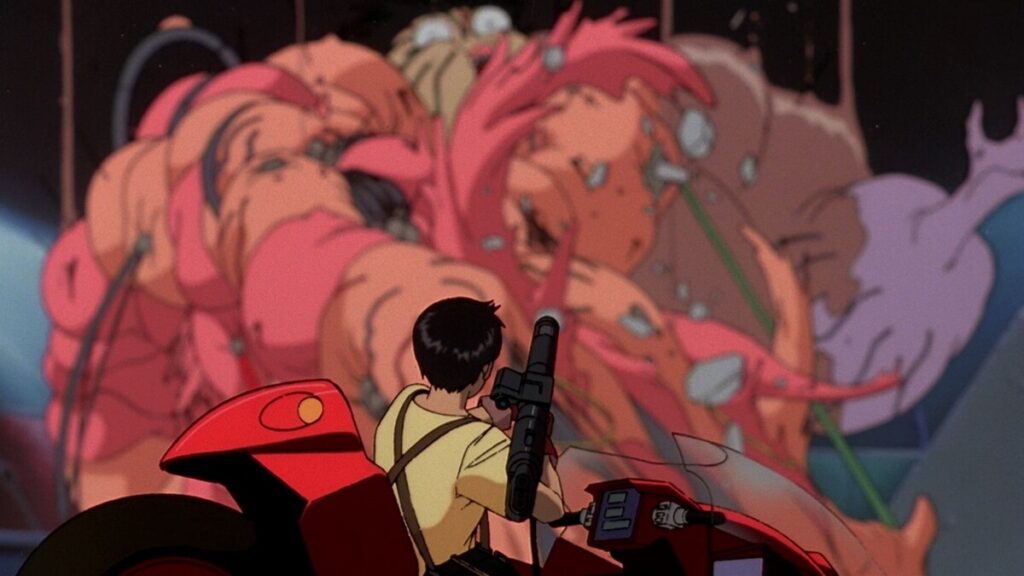
Open materialThis shift in direction allowed "Akira" to receive a huge budget (one billion yen or $10 million) and groundbreaking animation for its time. New colors were specially developed for the film to make it vibrant and saturated with the atmosphere of a futuristic world. Just look at Kaneda's outfit and his bike with dozens of shades of red.
The voice acting process was approached from a new angle. First, all the voice acting was recorded, and only then was the animation created. This was done so that the characters' mouth movements could easily be synced to their words. The frame rate was 24 frames per second. The manga artist Katsuhiro Otomo himself worked on the film, so there was no question of negligence.
After its overwhelming success, it wasn't long before "Akira" conquered the West as well. Its influence can be seen in "The Matrix," "Looper," or . At one point, there was even talk of a Hollywood feature film, but the idea has been stuck in the discussion phase for years. Masters have massively refused to touch the adaptation of the cult manga. Rory Robinson was supposed to take the director's chair, and the latest candidate is Taika Waititi.
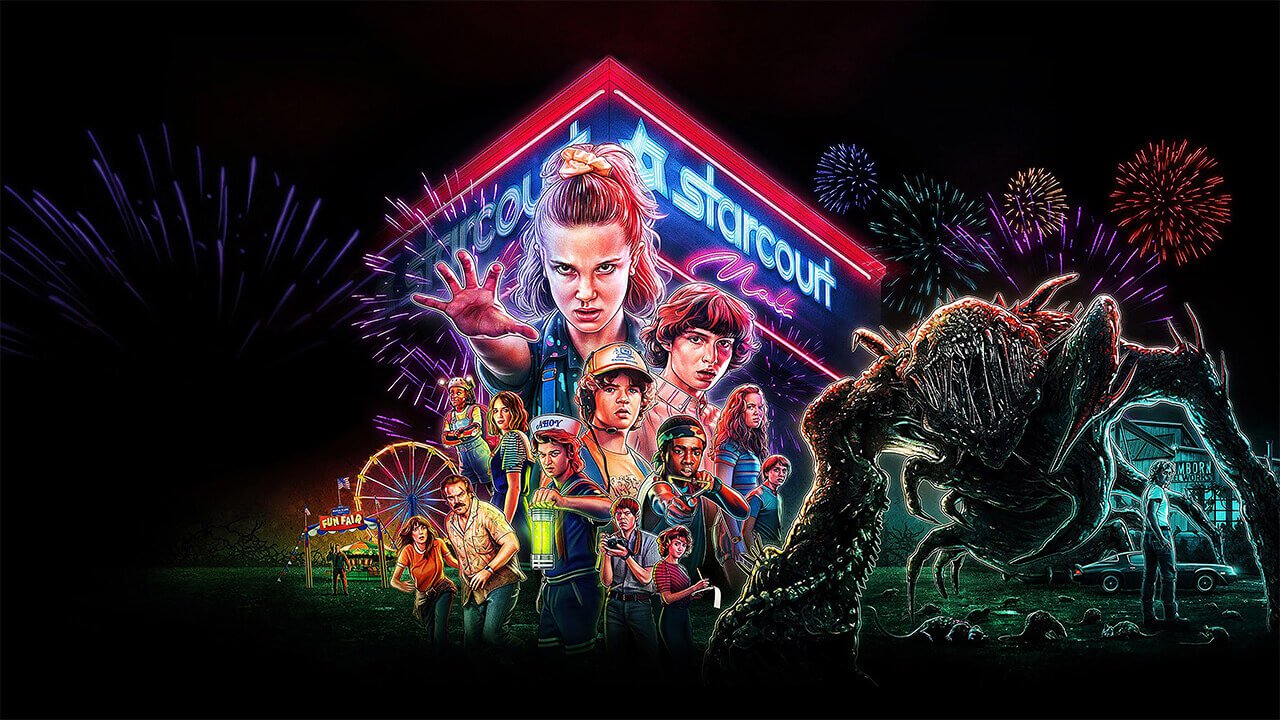
The 80s - a time of bright music, unconventional looks, the era of VHS and aerobics, and also a favorite period in history for many modern series creators.
Open material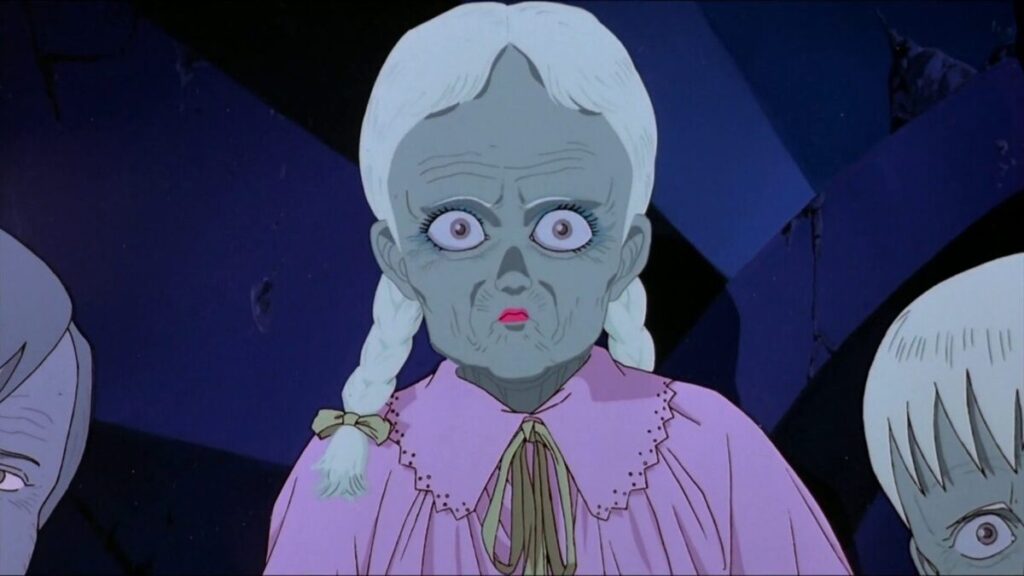
"Akira" is often considered the benchmark of cyberpunk, although this judgment can be questioned. On one hand, the film shows people's lives with modern technology, or more precisely, social decline against the backdrop of the country's growing technical power. But on the other hand, there are no trendy implants in the anime's world; no ripper awaits heroes around the corner to offer a new prosthesis, like in Cyberpunk 2077. People are detached from progress, as if observing it from the sidelines.
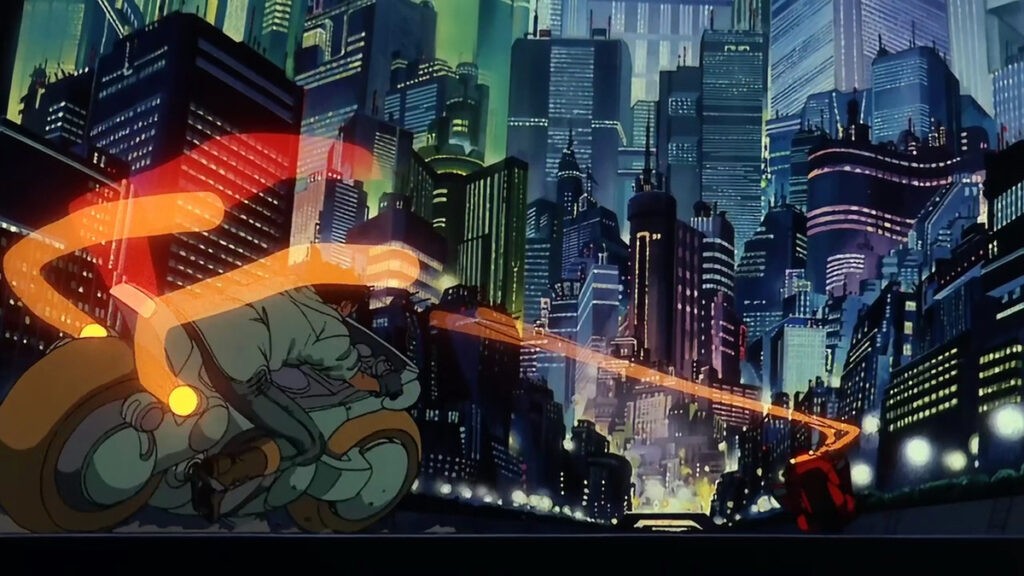
But "Akira" delivers exactly what many love the genre for — neon, skyscrapers, everything bright and modern. Just look at the view of Neo-Tokyo, even the name speaks for itself. The sky above the city is never visible, obscured by clouds reflecting the light of colorful lanterns and spotlights. The city functions, if not as a separate hero, then certainly as a secondary character.
Thanks to painstaking work, they managed to create not soulless backgrounds, but living locations. Cars drive on the streets, skyscrapers are full of signs, and crowded places are sure to have city residents. A deceptive picture — signs and screens become a way to prove development and a high standard of living, while on the streets people are impoverished, teenagers form gangs, and rallies take place in squares.
The visuals of "Akira" serve not only as a pleasant backdrop for the plot events. Through them, Katsuhiro Otomo divides spaces and people. For example, accent spotlights directed at characters reveal their nature or draw a line between the worlds of different characters. The presence of a light source defines the "bad" and the "good."
It's metaphorical that Tetsuo, who has lost his "self" and is confused in life, is always shown in dim rooms with no natural light source. He seems to walk in darkness with no way out. Meanwhile, his friend and leader of the biker gang, Kaneda, is visually the complete opposite.
It is commonly believed that the main idea of "Akira" is rebirth. Yes, Tokyo is rebuilt after the bombings, but the problem is that it doesn't become better, even though it tries its best to prove otherwise. People continue to commit horrors and lead humanity to destruction, albeit unconsciously.
For the plot development in "Akira," I'd like to propose the idea not of rebirth, but of purification. To be reborn, one must disappear and be born anew, as shown with the city. But to be purified, one must rethink oneself and existence. That's exactly the outcome we get. By the end of the film, Neo-Tokyo is not wiped off the face of the Earth; the heroes (not all) survive. And in one of the final scenes, sunlight begins to break through the clouds, appearing in the anime for the first time — a sky without clouds and neon, a symbol of purity. There is no more Akira in the city, no superpowers, nothing else. Now it is immaculate.
Another thing noticeable in the film is the idea: "What happens if an unworthy person gains power like God?" Let's consider this idea from several sides. On one hand, you shouldn't give immense power to someone who doesn't deserve it — pretty logical, right? On the other hand, it's no coincidence that it's the teenager Tetsuo who becomes its possessor. Superpower is a metaphor for growing up and adolescence. You're no longer a child, but you face very adult problems that not everyone may be ready for. If, for example, in "Spider-Man," Peter Parker had Uncle Ben, or in the new films, Tony Stark, who was responsible for controlling and helping the child cope with the burden, then in "Akira," Tetsuo has no such mentor.
You can dig even deeper and come to the thought that the film isn't really about growing up (well, in the usual sense). If you expand this idea to a universal scale, it's worth saying that not only children can be immature; this trait is also inherent in adults. Despite humanity developing and advancing technical progress, it does not mature and often does not know how to manage the power that falls into its hands. And decisions are not always weighed. Like children left without adult supervision, with no one to guide them on the right path. And if we return to the question: "Is man capable of handling divine power?" the author gives a clear answer — no.
"Akira" was released almost 40 years ago, but even after all this time, it remains a mysterious masterpiece that modern directors still reference in their works. An eternal work with philosophical questions, the answers to which are far from unambiguous.
Comments
0No comments yet.
Sign in to join the discussion.