

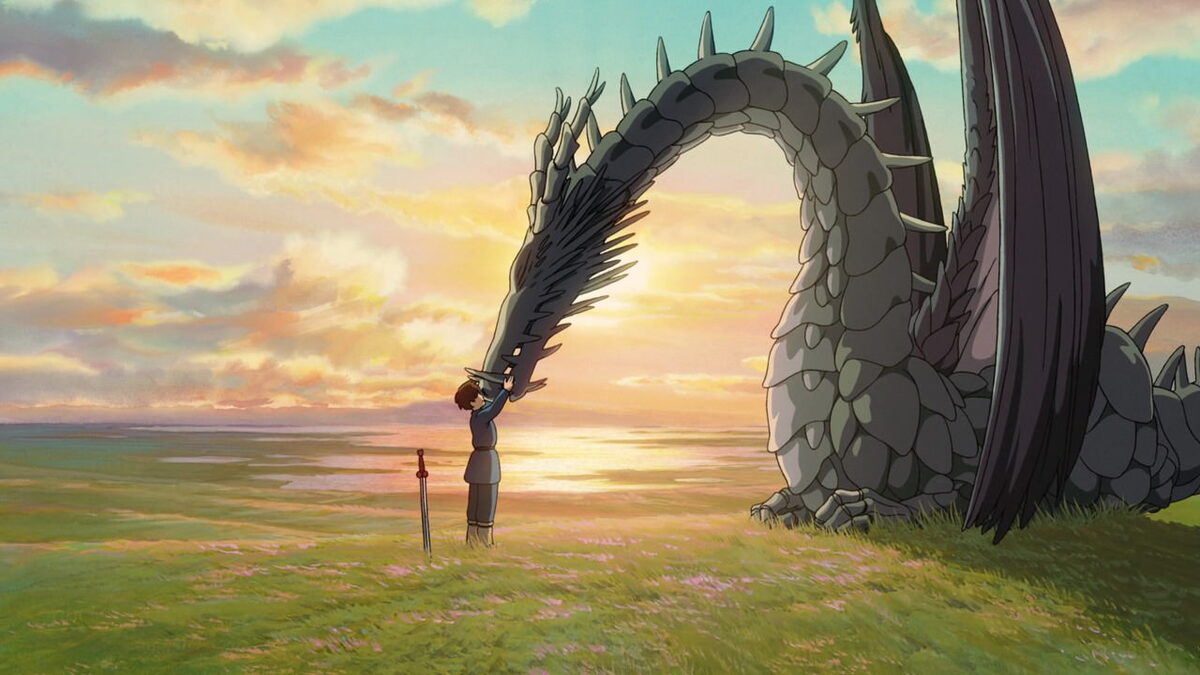
On June 19, Goro Miyazaki's debut film 'Tales from Earthsea' was released. It is based on Ursula K. Le Guin's fantasy saga 'Earthsea.' Is the animator's talent passed down through blood ties, and what is wrong with the adaptation of the books? Find o...
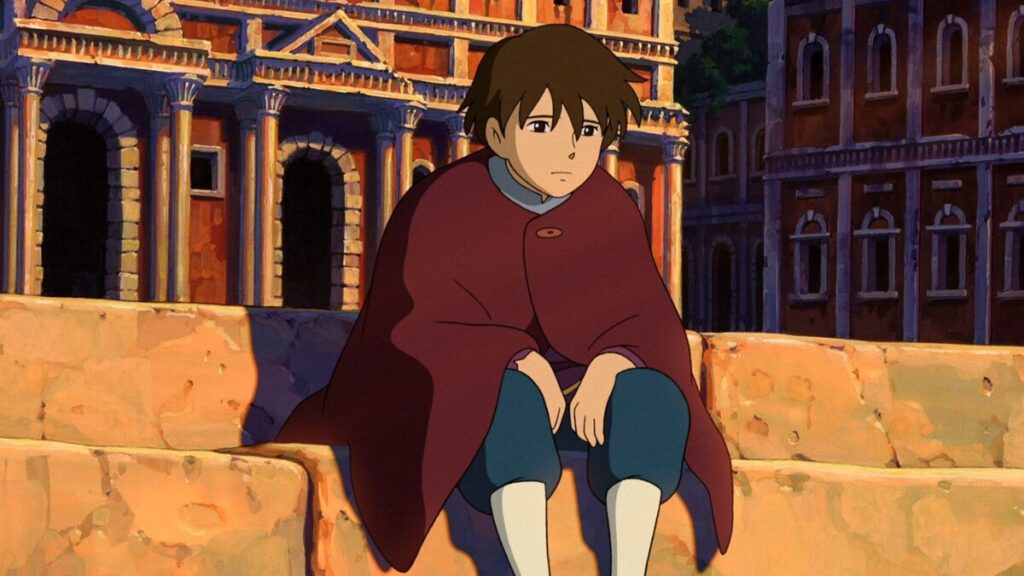
Earthsea is hit by a series of misfortunes — livestock perishes, a massive drought, and on top of that, dragons have appeared. Unexpectedly, Prince Arren kills his father the king and flees the castle, taking a magical sword. But the trouble is, he cannot draw the weapon from its sheath. And so, in a stream of endless wandering, the boy meets a mage nicknamed Hawk, who is looking for a way to save the archipelago from calamities. But he is not the only one busy with an important task. Simultaneously, a mysterious black mage, Spider, revels in the search for the source of eternal life.
'Tales from Earthsea' was released back in 2006, but the film did not find popular love, despite its overwhelming box office success. The film left an unpleasant aftertaste for fans of the saga, and even more so for the author. Whether it was due to the negligence of Studio Ghibli or Ursula K. Le Guin's faith in the renowned animator's surname is unknown, but let's figure it out.
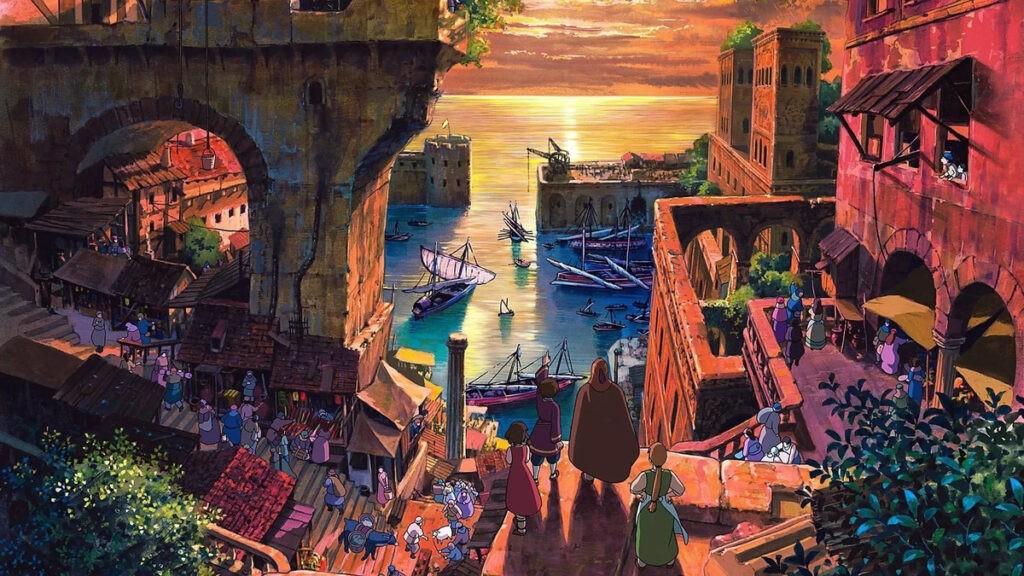
The American writer refused to adapt her book series for a very long time. Among those who were turned down by Le Guin was the elder Miyazaki. At that time, he was not yet a well-known animator and had not released any of his own feature-length works. The main reason for the refusals was the fear that a strong and adult story could not be adequately translated to the screen, and moreover, it might be turned into something in the vein of Disney fairy tales. Especially since the novel cycle included six books, and everything had to be squeezed into a single feature film.
But 20 years passed, the name Miyazaki was already well-known and became a guarantee of quality animation, and the Oscar for only reinforced that. And then Ursula K. Le Guin's opinion changed course. Now she believed that the only one who could be entrusted with the adaptation was that same Hayao, who had repeatedly knocked on the writer's 'closed doors.'
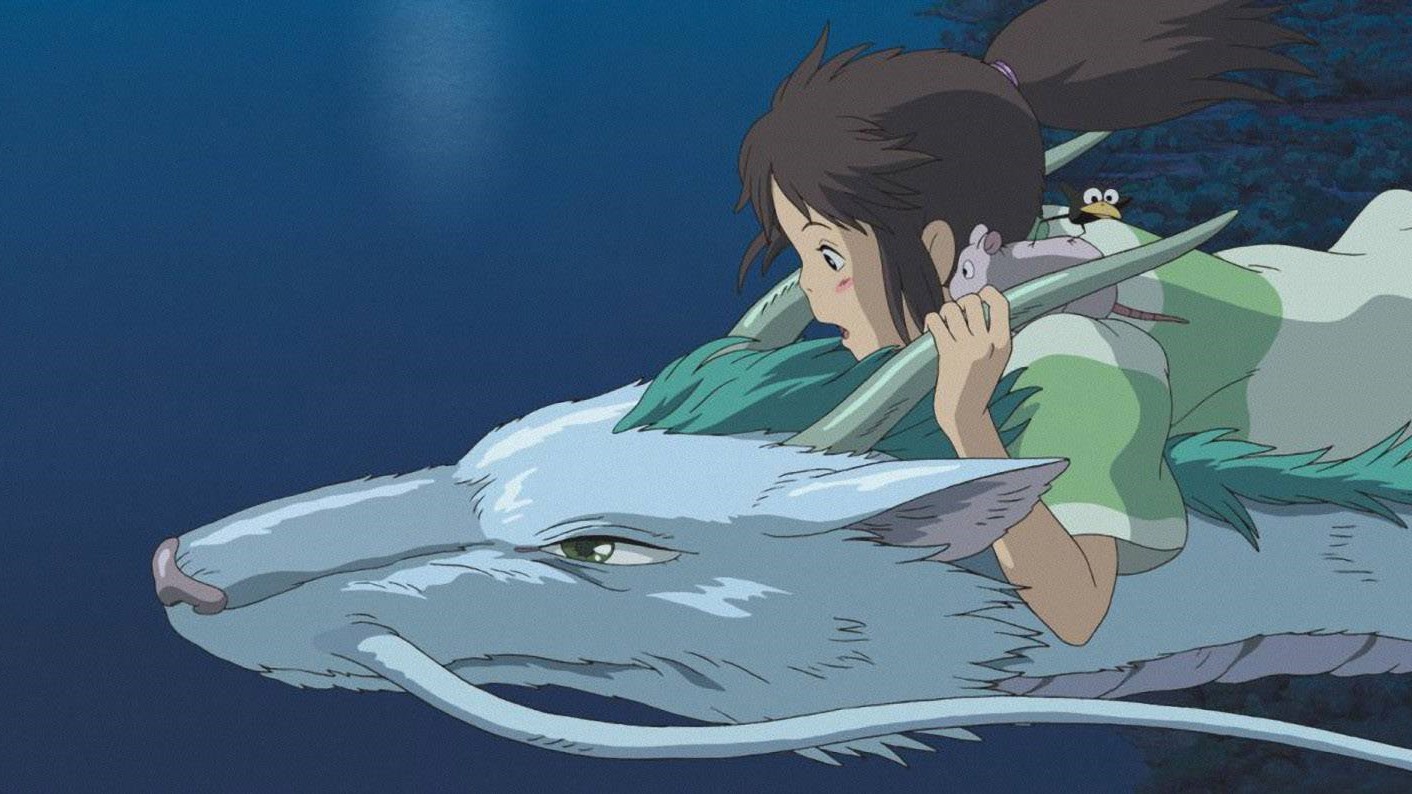
On June 20, one of the most recognizable works of Studio Ghibli – the adventure anime 'Spirited Away' by Hayao Miyazaki – was re-released. About the mesmerizing world of Japanese folklore
Open materialBy a twist of fate, the master was busy working on at that time, so the head of Studio Ghibli, Toshio Suzuki, made an unexpected decision — to appoint Hayao Miyazaki's son, Goro Miyazaki, as the director of 'Tales from Earthsea.' Despite being a decent artist, the future director had never worked in animation. His main job was landscape design.
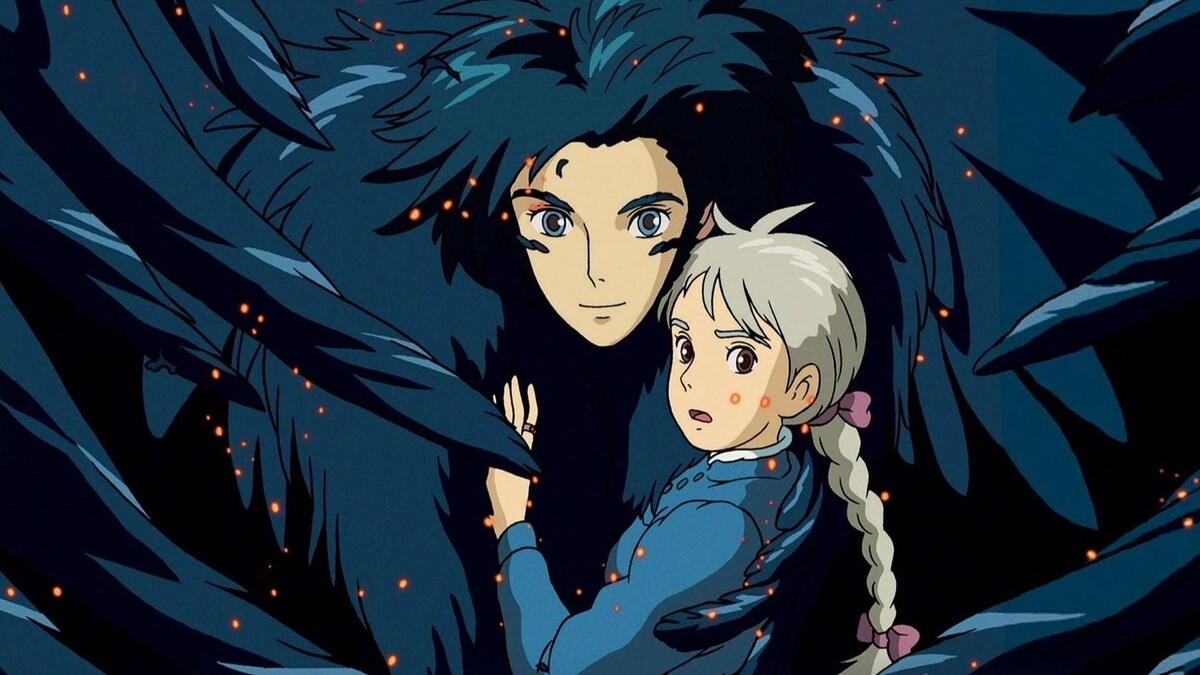
Since November 14, the classic Japanese animation film by Hayao Miyazaki, which has already celebrated its twentieth anniversary, has been re-released in Russian theaters. What lies at its core and what secrets does 'Howl's Moving Castle' hold?
Open materialThis decision caused repeated quarrels between father and son. The elder Miyazaki believed that one should not entrust work on a feature-length film, especially an adaptation, to an inexperienced Goro. Despite this, the younger Miyazaki still decided to finish work on 'Tales from Earthsea.' Or maybe it would have been better to listen to his father's opinion... After the film's release, Goro ended up winning the Japan's Bunshun Raspberry Award in the category 'Worst Director.'
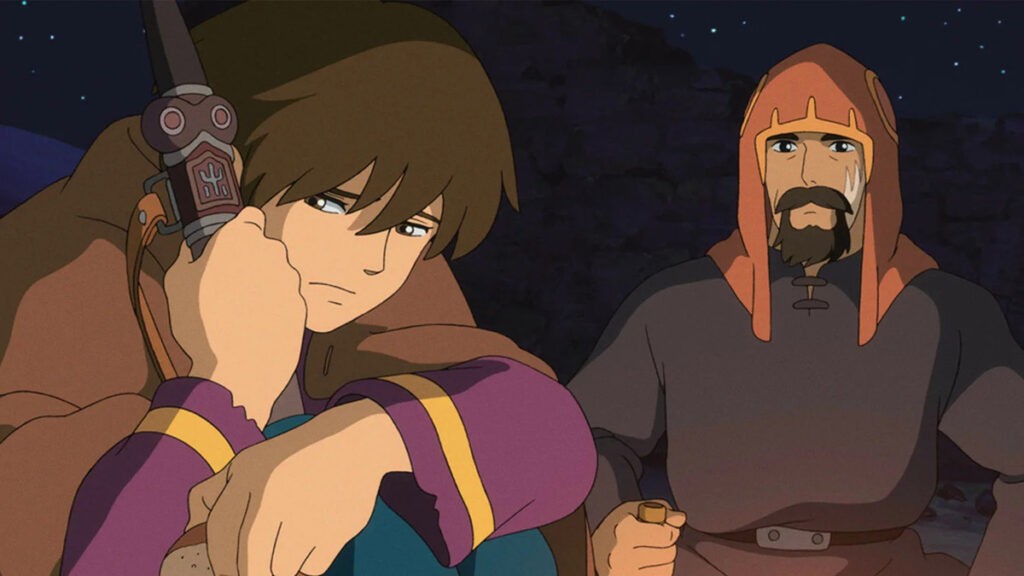
The main problem with 'Tales from Earthsea' is its weak connection to the source material. A person who has never read Ursula K. Le Guin's cycle cannot immediately determine the characters' motives. For instance, why did Prince Arren kill his father? Who knows, it will be a mystery until the very end, but even then we are not given a clear and worthy explanation. Incidentally, this event leads nowhere; it simply happened and that's it.
The main pillars of the adaptation were the third and fourth novels. The decision is highly questionable, especially considering that the director took a little from the entire cycle and then rewrote it beyond recognition. The strangeness is compounded by the choice to tell the story in the middle (if not closer to the end). It's like taking the climax of a favorite book series, for example, and cutting it down to the part of defeating Voldemort.
The 20th anniversary of 'Harry Potter and the Philosopher's Stone' is being celebrated, and in honor of this momentous occasion, we have prepared a marathon of 4 materials dedicated to the legendary franchise
Open materialDue to the strong alteration of the original, the narrative vector in 'Tales from Earthsea' shifted to Prince Arren, although the main character of the books was the mage Hawk. Ideally, he should have received the lion's share of screen time, but that's not the case. You might say there's nothing wrong with a complete change of plot, character traits, goals, and so on. That's not bad if, first, you're not a fan of the book series, and second, the adaptation turned out decent. But the second point, alas, is not observed.
The confusion created by merging all parts of the novel into one does not become a feature of the adaptation; on the contrary, it destroys it like a house of cards. Throughout the viewing, it is difficult to understand what exactly is being discussed. Yes, we have a patricide, a strange mage, a bunch of problems in Earthsea, and a warlock. But the key moments of the story turn into mush. For example, the characters' second names. What are they for? What do they mean? Why do people stubbornly hide them? The film does not provide answers, only raises questions.
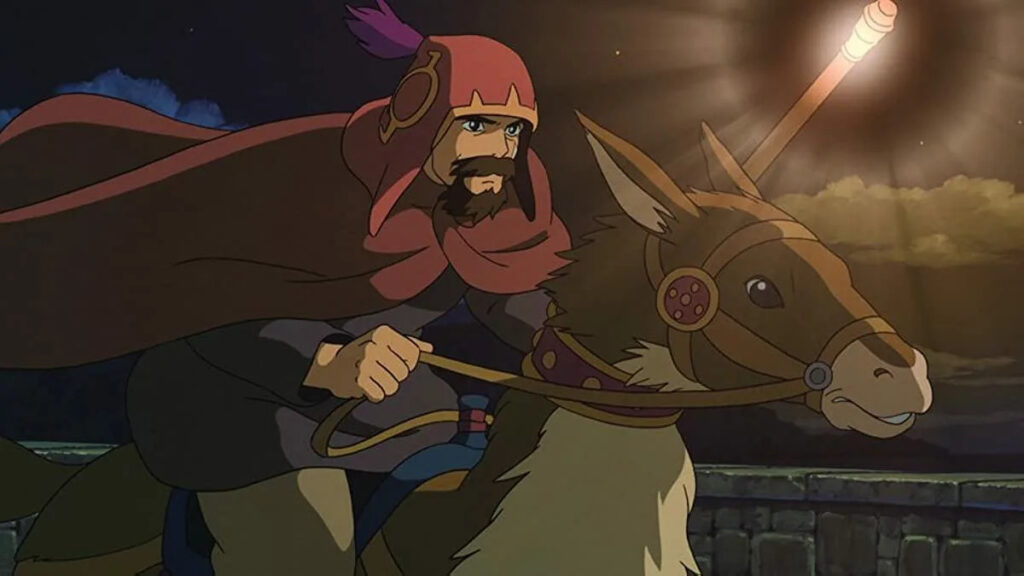
You might say, but there are dragons, magic, it's fantasy, so there must be action. But no. Those fire-breathing creatures appear at the beginning of the film, then are conveniently forgotten and return at the very end, so the viewer can say, 'Oh, right, they talked about them at the beginning.' The murder of the father is not justified in any way; the hero seems to try to justify himself, but these words are not enough to understand the true reason. This is where all the pitfalls of a negligent attitude toward the original emerge — many questions, no answers.
The fantasy film does not deliver what you expect from it. Yes, there are battles, but they are not captivating. 'Tales from Earthsea' turns out to be a slow cartoon with many dialogues that lead nowhere. But it is worth noting that the studio's animation, as always, is top-notch.
The characters also had a hard time. They turned out without a 'spark.' The only somewhat memorable character is the black mage Spider. And even then, because of the final battle and his transformation. You don't want to empathize with the characters or believe in their victory and fear their defeat. They simply don't engage. And to these unpleasant images, they add the murder of the father. So the question arises — is the right character really in the place of the 'hero'?
Goro Miyazaki's debut work turned out not at all as Ghibli would have liked. Notably, after 'Tales from Earthsea,' the director never made anything outstanding. After all, it is not enough to simply be the child of a renowned animator. You also need to have something behind you. Perhaps the adaptation would have had a different future if the studio had waited for the elder Miyazaki or if the younger had had at least some experience in directing.
Comments
0No comments yet.
Sign in to join the discussion.