

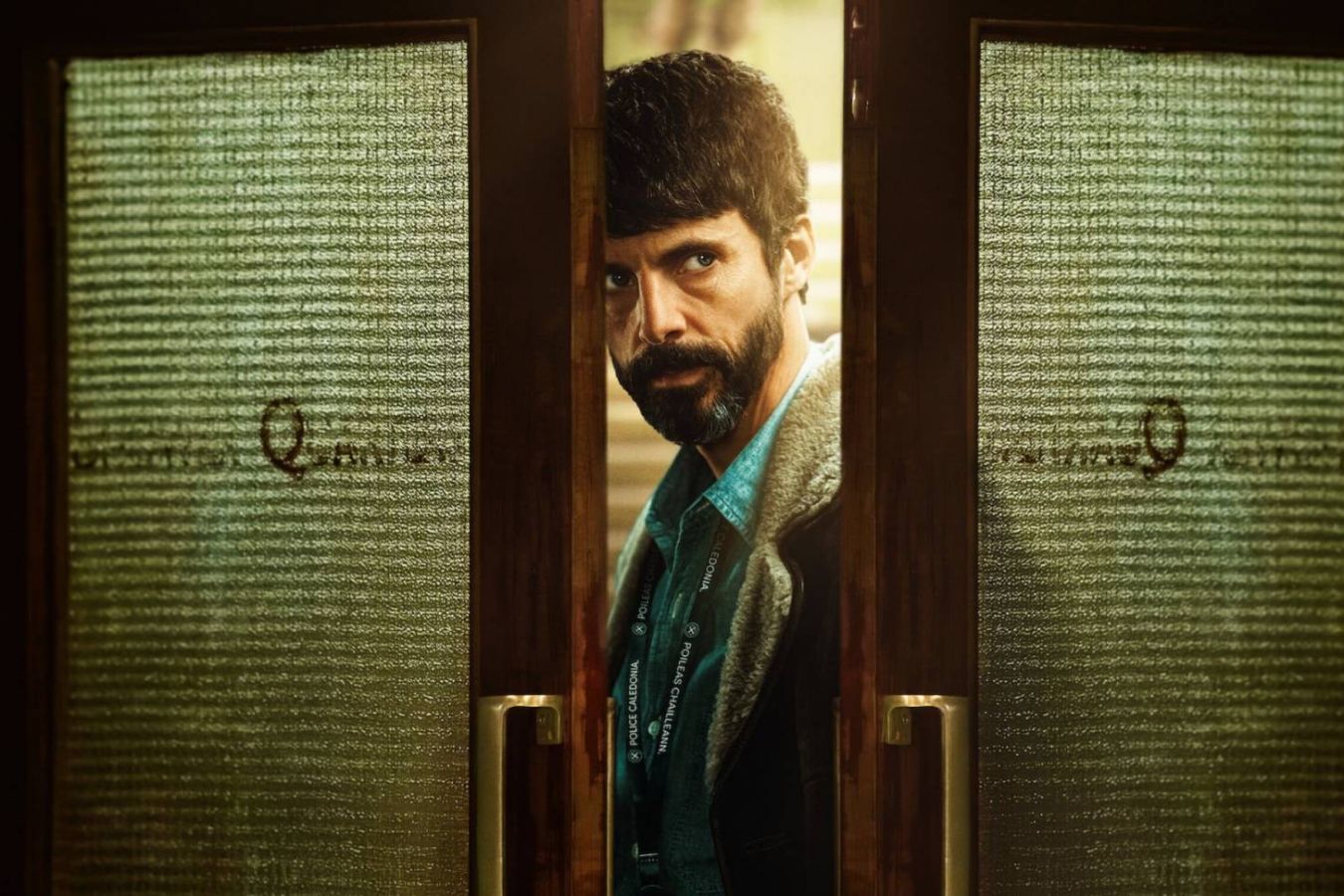
Matthew Goode as a detective who doesn't want to be a hero restores faith in modern noir. Netflix's 'Dept. Q' offers no brilliant deductions, only tired professionals sorting through cold cases in a police station basement.
Remember that feeling when a British detective didn't make you yawn by the third episode? Dept. Q from Netflix brings back that almost forgotten joy. It has all the ingredients for success: instead of the usual heroes — Matthew Goode, who doesn't try to be likable but immediately takes on the role of the most uncomfortable and contradictory detective of recent years; the creator of the acclaimed The Queen's Gambit, Scott Frank, as showrunner; the popular book series by Jussi Adler-Olsen as the source material. From the first minutes, the series makes it clear: this is not just another gloomy story (though there's plenty of gloom), but something much more alive and gripping that won't let go until the very end.
Carl Mørck, a former star of the department, returns to work after a tragedy: his partner is paralyzed, a colleague is killed, and Carl himself is a walking bundle of guilt and irritation. He is sent to a special department that handles old, dusty cases no one cares about. But for Mørck, these cases are a way to survive and, perhaps, find himself among other people's skeletons in the closet. Or to finally lose himself — which is also a good option.
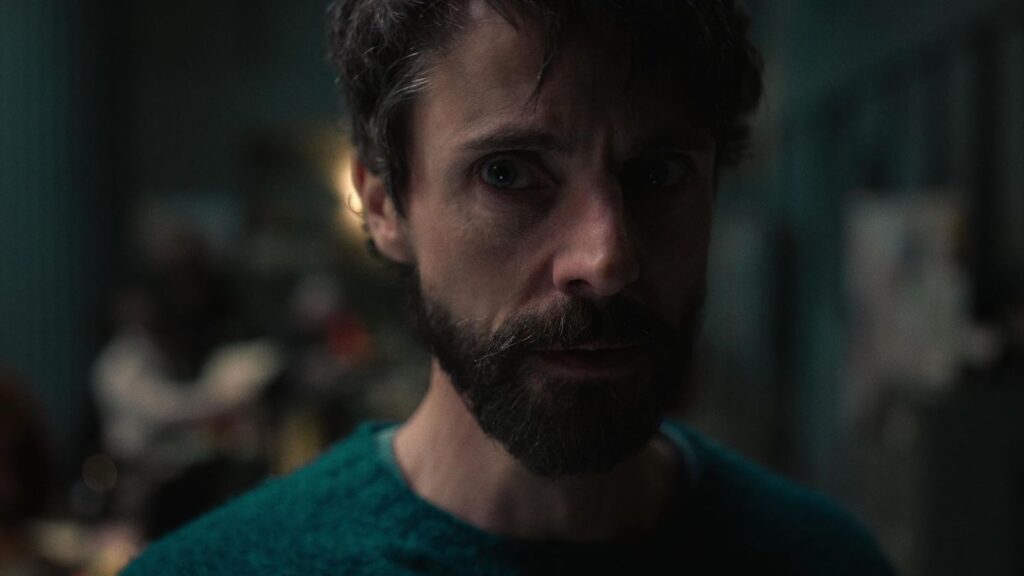
The series' main trump card is Matthew Goode, who has finally gotten a role worthy of his talent. His Carl doesn't philosophize about justice or lecture on morality. He is simply irritated, unshaven, and looks at the world as if even the Scottish rain tires him (and he's English!). Goode doesn't portray a 'suffering hero' — he is one, without asking for an ounce of sympathy. He is the antithesis of the classic detective: instead of a charismatic genius, a tired professional who solves cases not because he believes in justice, but because he doesn't know how to live otherwise.
In this sense, the series resembles Slow Horses: here too, the characters don't try to be better than they are, and the team is more a community of people whom life has cast aside than a dream team. But while the inhabitants of Slough House have trademark British sarcasm and collective irony, Dept. Q chooses a darker, more viscous tone, where even rare flashes of humor are more a way to keep from going mad than an attempt to lighten the mood.
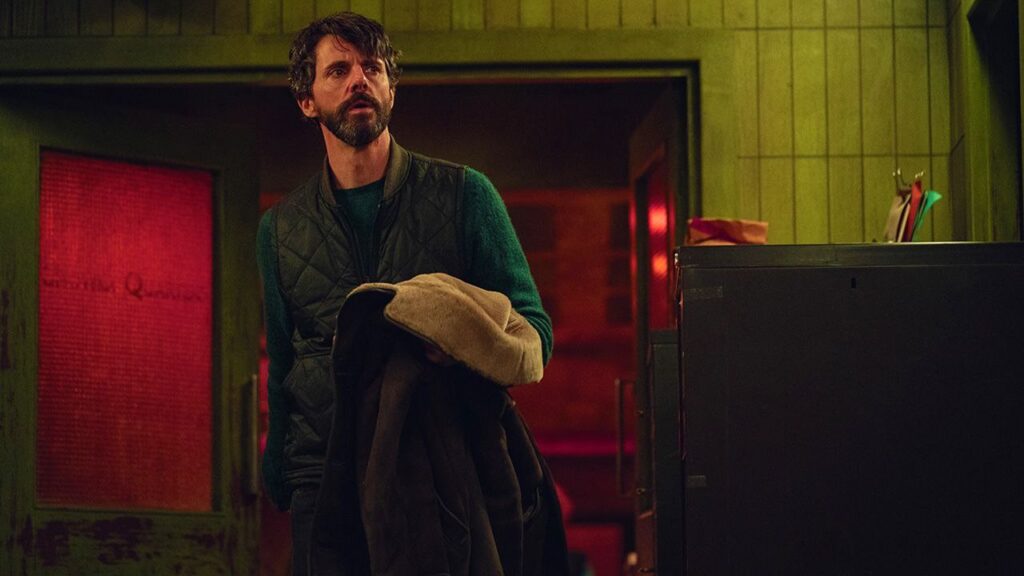
Comparing it to the Danish Department Q (especially The Keeper of Lost Causes, which adapted the same story), it becomes clear: the British remake doesn't try to copy the Scandinavian coldness. Yes, the atmosphere is similar — the same uncomfortable offices, the same broken people, the same cases no one wants to solve. But while the Danish original built intrigue on silence and icy minimalism, Dept. Q focuses on internal conflicts and tension between characters. However, fans of Scandinavian noir won't be disappointed: the gloom, hopelessness, and feeling that justice is a luxury no one can afford are fully preserved.
Among the downsides — the series sometimes suffers from drawn-out flashbacks and excessive gloominess. At times it seems the writers are afraid to let the audience catch a breath. But there's no sense that the characters are stagnating or turning into walking clichés. Each of them is a separate story, and even secondary characters don't get lost against the backdrop of the main drama (for example, it's interesting to watch Mørck's psychologist try to build a personal life after meeting him).
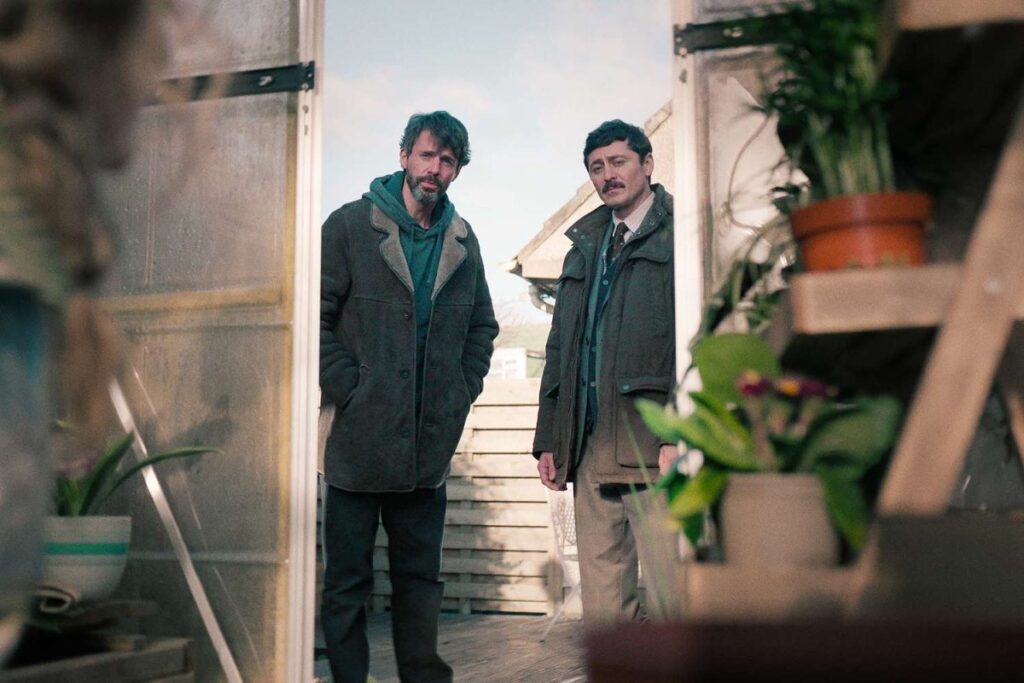
Dept. Q is a series that makes you look at the genre from a new angle. Matthew Goode is not just good here — he's damn good, as if he's been waiting his whole life for just such a script. If you love noir, appreciate complex and living characters, and aren't afraid that after watching you'll want to reconsider your views on morality, Dept. Q is your ticket to the best crime labyrinth of the year. And yes, we're waiting for the second season as eagerly as Carl Mørck waits for any hope. Fortunately, there are plenty more books in the series. And hope, as they say, dies last.
Comments
0No comments yet.
Sign in to join the discussion.