
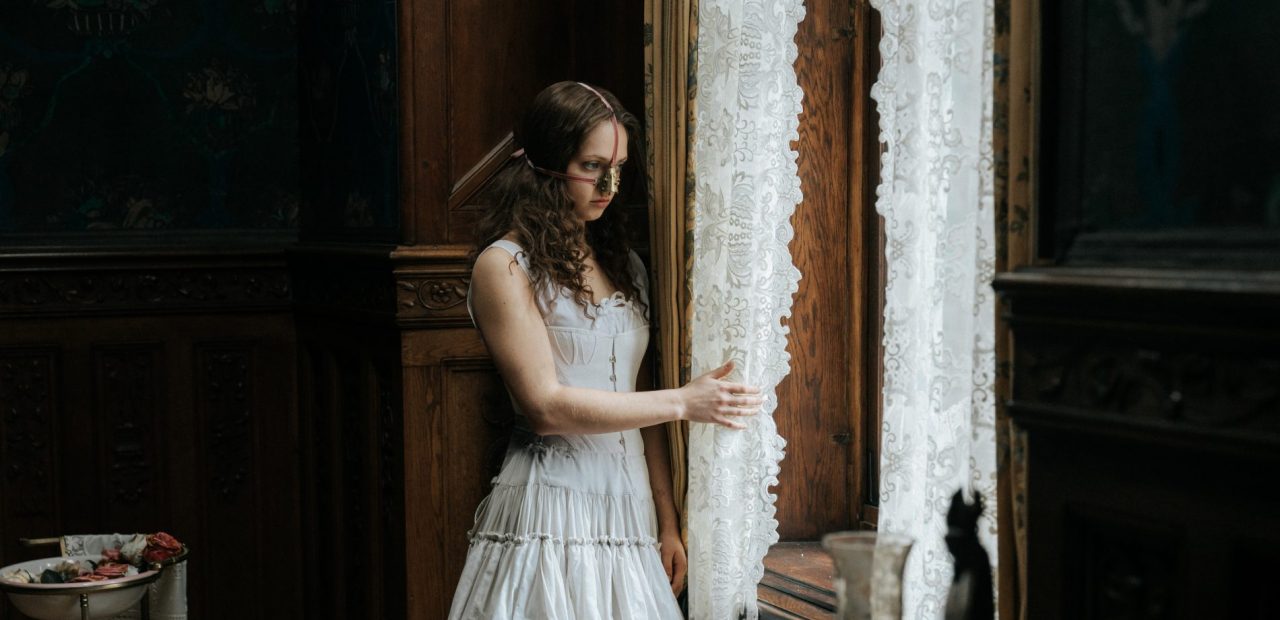
On June 5, the debut feature film by Emilie Blichfeldt, 'The Ugly Sister', hits the big screens. We tell in our article what the movie turned out to be like, which has already been compared to 'The Substance'.
The Norwegian body horror 'The Ugly Sister' reimagines the classic Cinderella fairy tale, whose plot is close to the terrifying version by the Brothers Grimm. Only this time, the focus is not on Cinderella herself, but on one of her stepsisters.
Elvira (Lea Myren) is a young girl completely unprepared for adult life, her days filled with dreams and fantasies about the handsome Prince Julian, and perhaps also about delicious buns. Elvira herself resembles a sweet cinnamon bun, but she does not love herself and does not accept her body. However, she is accidentally honored to be invited to the royal ball, where the aforementioned Julian will choose his wife.
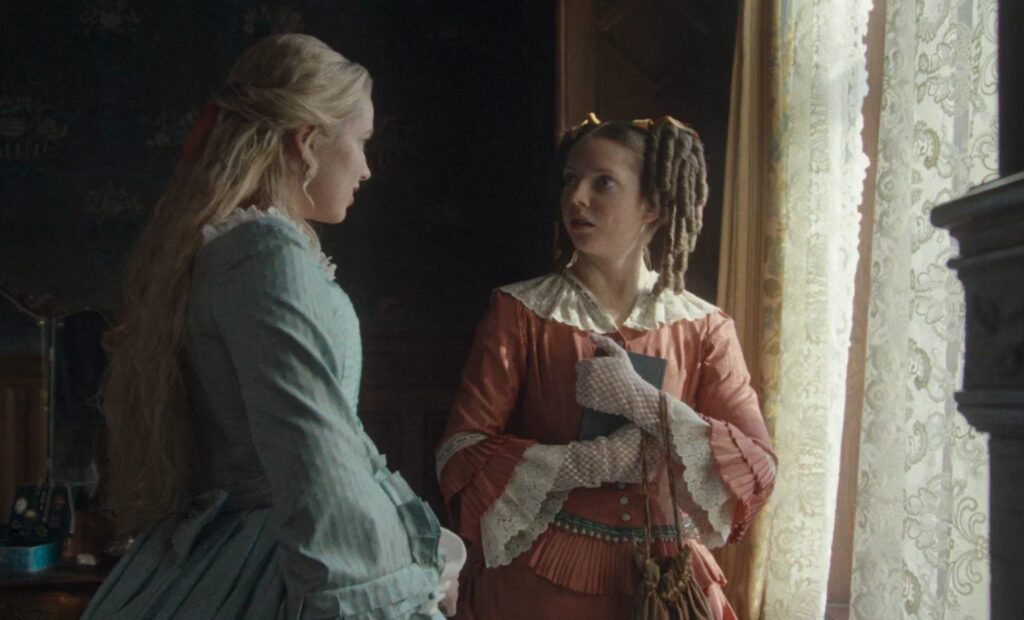
Rebecca, Elvira's mother (Ane Dahl Torp), remarries to improve her financial situation. However, her new husband Otto dies right at the dinner table. He also turns out to have no savings, so Rebecca decides to bet on Elvira and invites Dr. Aesthetic (Adam Lundgren) to transform her daughter into a true beauty.
In 'The Ugly Sister', the beauty of life and the vile manifestations of death go hand in hand. They intertwine in an intricate pattern of an ordinary, but no less sad, story.
In pursuit of beauty, the heroine, with her mother's clear approval, agrees to mutilating, painful, and suffering procedures designed to improve Elvira's appearance. She is ready to do anything to please the prince and marry him.
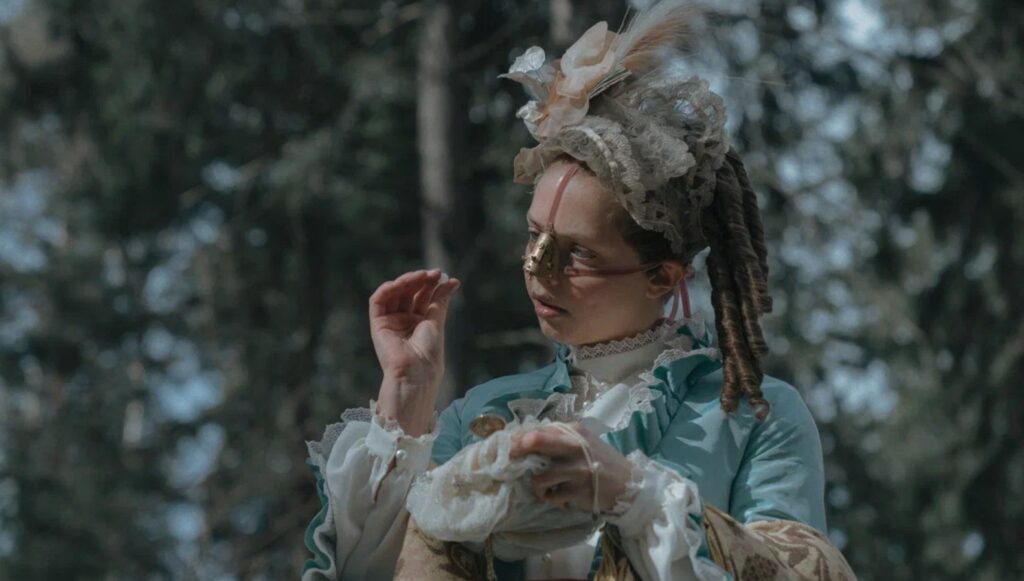
'The Ugly Sister', while close to the Brothers Grimm original, still touches a nerve of modernity, which is why it is compared to the sensational . The films can be placed in the same row if desired, but 'The Sister', for all its fairy-tale nature, is much closer to reality, although some scenes look more terrifying. After all, even now, girls, starting from adolescence, try to 'improve' themselves with the tacit consent of their parents to meet their princes.
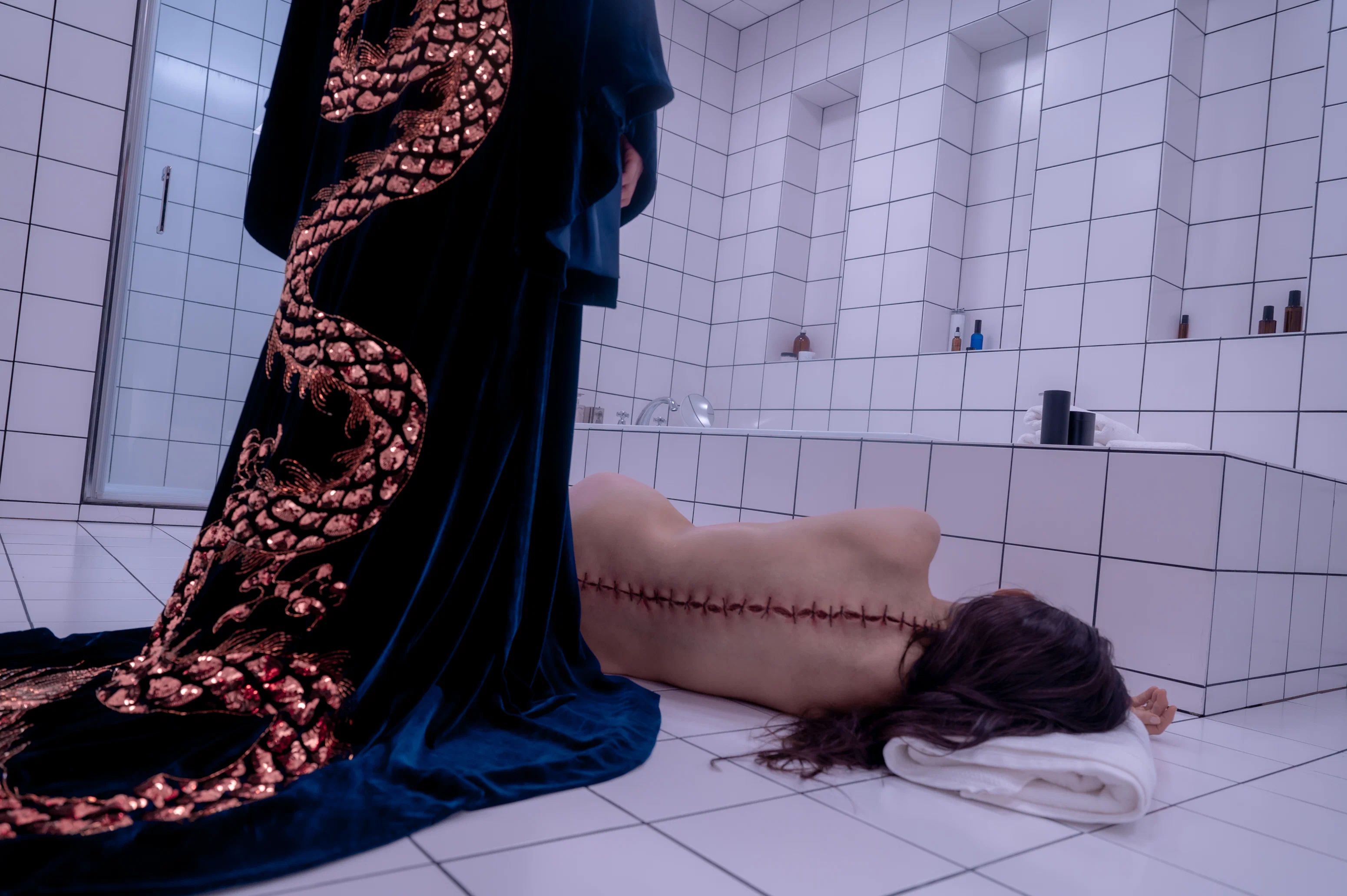
'The Substance', which won the award for Best Screenplay at the 2024 Cannes Film Festival, was released in Russian theaters on September 19. In our article, we will discuss the nature of fear in this film
Open materialThe princes, by the way, are shown very realistically. They are exactly the kind of men raised in the paradigm that 'a woman is not a human being'. Therefore, they are allowed to be anything, because they will choose their bride at the ball-fair and discuss the selection of sexual partners in terms of 'broken-in mares'.
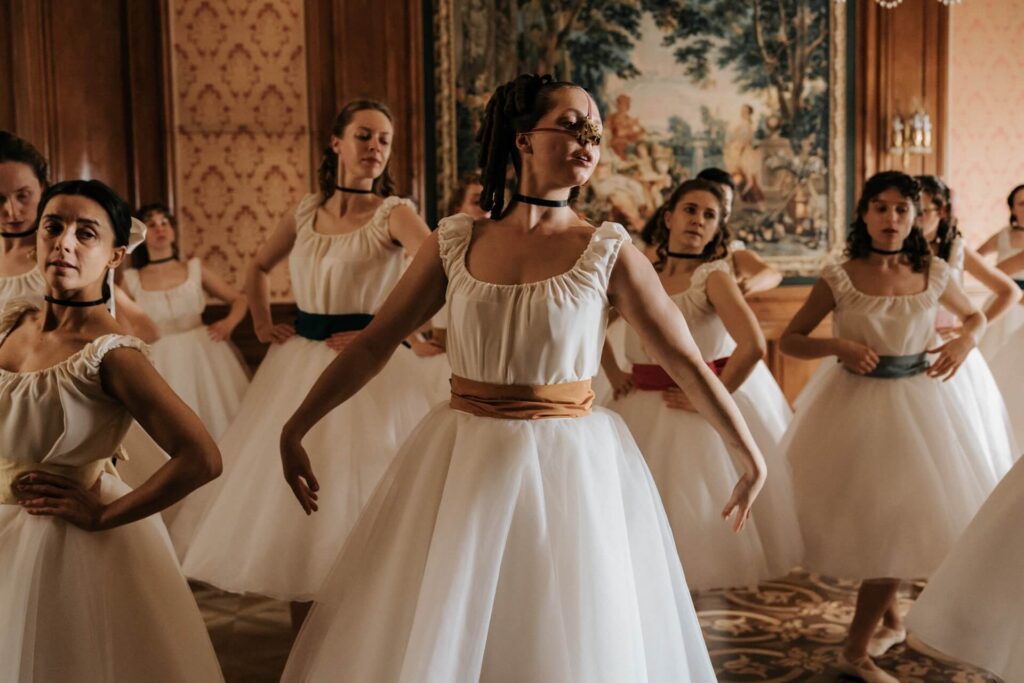
It is worth mentioning separately the second sister Alma, who acts as common sense in this story and a certain opposition to the ideals and norms accepted in society. She directly tells her sister that all the tricks Elvira resorts to are disgusting and not worth exhausting herself with.
It is very easy to sympathize with naive Elvira, although there will be those who say she wanted it herself. Here again, a parallel can be drawn with modernity: it is believed that women themselves want to go under the knife many times, risking their own health and even life. If we delve deeper into this issue, we can again find societal pressure, because beauty standards, as well as the means to achieve them, may have changed, but they have not disappeared.
The heroine faces a predictably sad but open ending. The viewer can quite imagine her further development. And again think about whether beauty is worth the sacrifices it demands?
Comments
0No comments yet.
Sign in to join the discussion.