

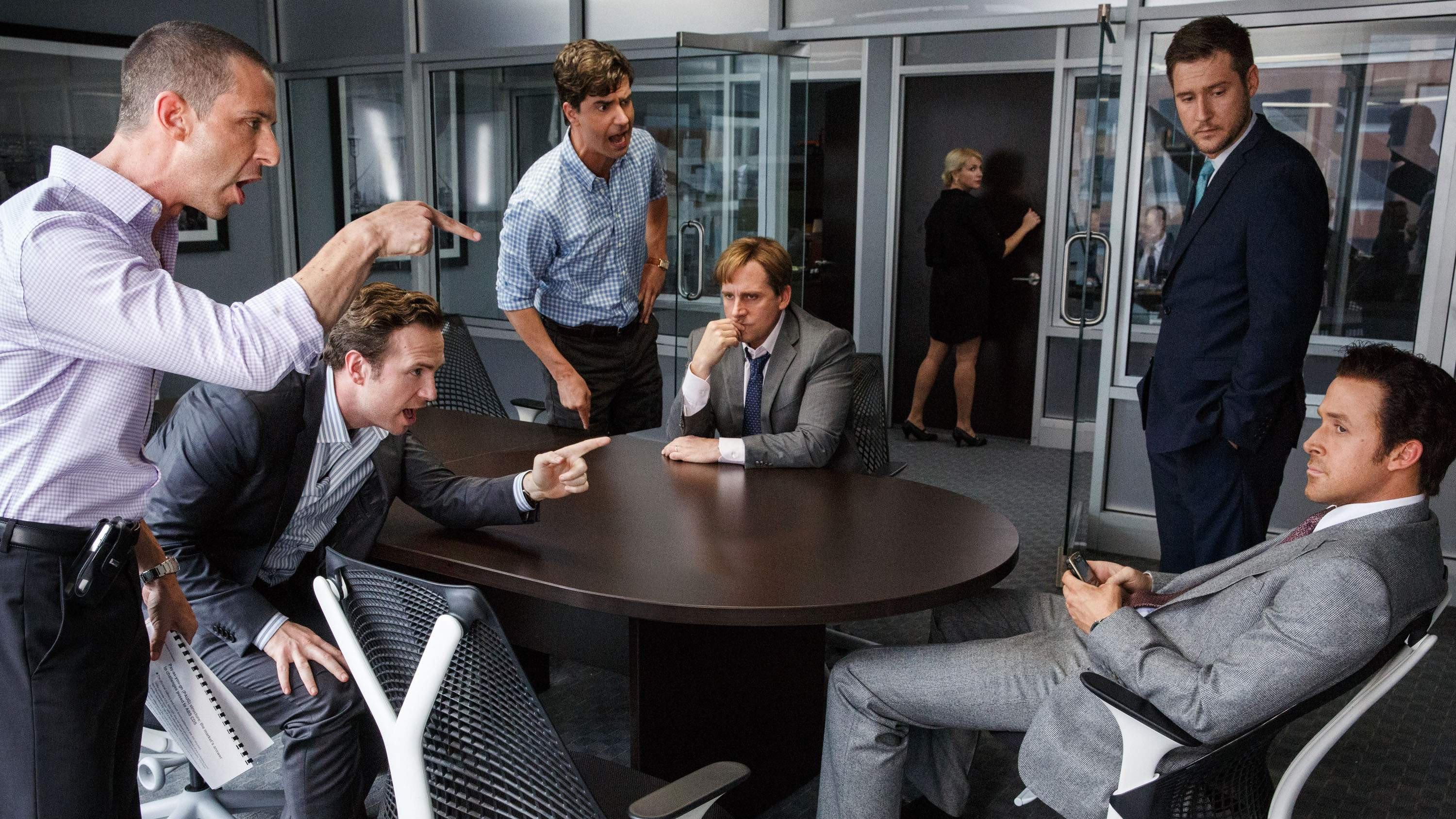
We talk about how movies and real interaction with banks differ.
Movies and TV series have long become an integral part of our lives. Through them, we not only get entertainment but also form our opinions about many things, including banking products and loans. The images of banks and finance in films often look bright and dramatic—whether it's credit cards, mortgages, or financial scams. However, it is worth remembering that cinema is primarily an art, and often reality is simplified or exaggerated for the sake of the plot.
The importance of understanding this difference cannot be overstated: many viewers, especially those not too savvy in finance, begin to perceive cinematic images as truth. This breeds both fears and false hopes. The purpose of this article is to analyze the most popular scenes from movies related to banking products, highlight common mistakes and myths, and share useful tips on the real use of financial services.
Credit Cards in Movies—Idealization or Fear?
In cinema, credit cards often appear either as a magical source of unlimited money or as a terrible trap leading to debt. For example, in a number of films, characters freely spend on credit cards without regard to limits and interest, as if they were bank checks with a magic signature. On the other hand, there are also plots where credit cards cause financial slavery, debt bondage, and inevitable troubles.
In real life, the situation is much more mundane. Credit cards have a set limit, and interest rates can vary depending on the bank and terms. Many banks provide a grace period—the time during which you can use money without interest, usually from 20 to 55 days. However, this does not mean that money from a credit card is free.

Tip: use your credit card wisely. Pay off your debt on time, keep track of your limit, and remember that a card is a tool for convenience and budget planning, not a source of "easy" money. Do not forget about cash withdrawal fees, which are rarely covered in movies but can significantly increase expenses in practice.
Loans and Borrowings—Quick Money or Debt Trap?
Dramatizing the loan application process is a classic of cinema. Heroes often take out a loan at the last moment, for large amounts, without thinking about the consequences, and then show suffering due to the inability to repay the debt. Such scenes reinforce the fear of loans, sometimes unfairly.
In reality, there are many types of loans—consumer, mortgage, auto loans, business loans, and microfinance. Each type has its own conditions, interest rates, terms, and borrower requirements. It is important to carefully read the contract, understand your financial capabilities, and not borrow more than you can actually repay.

Typical mistakes of characters in movies—lack of a debt repayment plan, underestimation of interest and penalties, trusting dubious lenders. This is a lesson for viewers: a loan is a tool, not a salvation. It must be used responsibly and consciously.
Mortgage—Long-Term Commitment on Screen and in Life
The image of a mortgage in movies often boils down to drama: saving a family from homelessness or, conversely, the beginning of financial collapse. This presentation attracts attention but simplifies the real situation. A mortgage is indeed a long-term commitment, usually for 10-30 years, and requires a balanced approach.
In reality, it is important to consider not only the interest rate but also the down payment, hidden fees, early repayment conditions, insurance, and taxes. Many people make the mistake of taking the maximum possible amount without assessing income stability or future expenses.
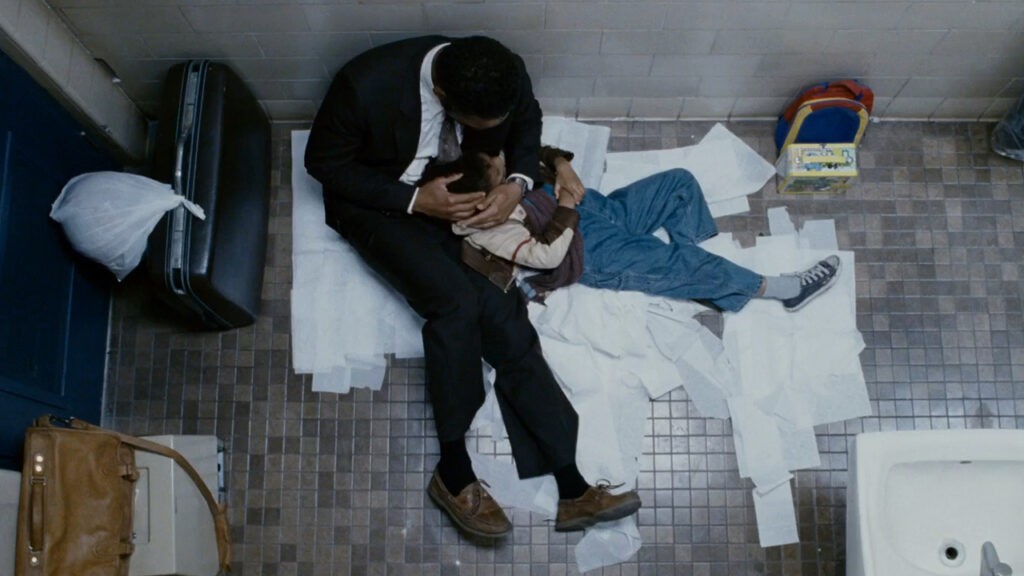
Tip: before applying for a mortgage, carefully analyze your income and expenses, consult with a financial specialist, and choose a bank with transparent conditions. It is also useful to look not only at the interest rate but also at the total overpayment amount.
Financial Scams and Fraud in the Banking Sector in Movies
Movies love to show bank robberies, card fraud, and document forgery. Often these scenes look spectacular, with exciting chases and hacker attacks, creating the impression that banks are vulnerable places.
In reality, the banking sector has serious security measures: complex encryption systems, multi-factor authentication, constant transaction monitoring. Although fraud cases do occur, they are not so frequent and usually require customer vigilance—regularly updating passwords and being especially careful about phishing attacks and suspicious messages.
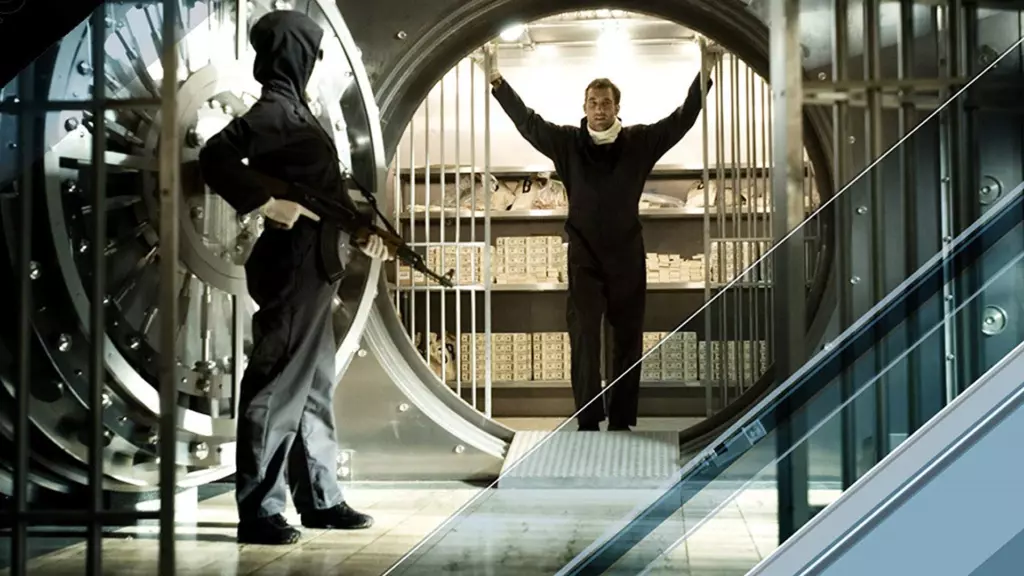
Tip: protect your data, do not share PIN codes and passwords with anyone, use official bank apps, be cautious of suspicious emails and calls. If in doubt, contact the bank for verification.
Banking Services in Everyday Life—What Is Not Shown in Movies?
Movies rarely show routine but important aspects of modern banking: mobile apps, quick transfers, online loan applications, setting up auto-payments. These services make financial management easier and more accessible.
Modern technologies save time and reduce errors. Mobile banking is a convenient way to monitor your accounts anytime, and an online application allows you to get a card without visiting a branch or profitably place savings in a deposit account.

It is recommended to use digital services to stay informed about your account status, receive transaction notifications, and respond promptly to suspicious operations.
Conclusion
Movies help us understand the essence of banking products, but often embellish or dramatize real financial processes. It is important not to take the cinematic image as a guide to action, but to approach banking services with critical thinking and financial literacy. Only then can you make the right choice, avoid debt traps, and use banking tools to maximum benefit.
Comments
0No comments yet.
Sign in to join the discussion.