
This year marks two decades since the release of a film that has become a cult classic for many – “Constantine”. Directed by Francis Lawrence and starring Keanu Reeves, it introduced a wide audience to one of the most ambiguous characters in DC comics and left a notable mark on the mystical thriller genre.
A dark atmosphere, a charismatic anti-hero, the eternal struggle between Heaven and Hell served with a noir detective twist – all of this ensured the film a long life in the hearts of viewers. Even twenty years later, debates about it continue, and its fan base only grows, eagerly awaiting the officially promised sequel. Let’s figure out what the magic of this film is, how it was made, and why John Constantine, the ever-smoking cynic in a trench coat, has become so firmly entrenched in the pantheon of beloved movie characters.
From the Depths of Hell to the Big Screen: John Constantine’s Thorny Path to Hollywood
The story of John Constantine’s arrival on the big screen is itself a drama worthy of a separate story. The path from the pages of Vertigo comics to Hollywood soundstages was long and winding, full of creative disagreements, changes of directors, and the search for the ideal lead actor.
Originally, the character created by Alan Moore, Steve R. Bissette, and John Totleben was a blond Liverpudlian, a cynical working-class magician whose prototype was Sting. However, Hollywood, as often happens, had its own plans for the hero.
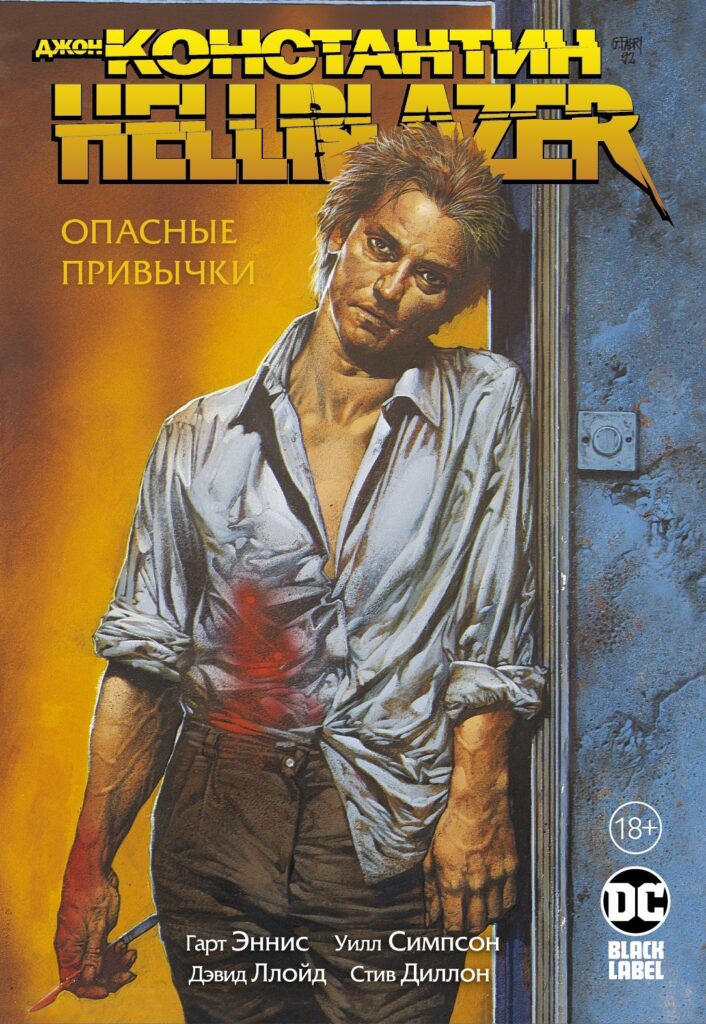
The idea of adapting the exorcist’s dark adventures originated in the late 1990s. Producer Lauren Shuler Donner, known for her work on the X-Men franchise, saw potential in “Hellblazer” – the main comic series about Constantine. The initial concept leaned toward classic horror in the vein of “The Exorcist,” but gradually transformed into a larger-scale blockbuster. The script was rewritten multiple times, and the protagonist’s name and setting underwent changes: John became an American, and the dark streets of London were replaced by neon-lit Los Angeles.
Frank A. Cappello, who worked on the script, admitted that he had little experience adapting graphic novels, which may have led to such significant departures from the canon. Alan Moore, the character’s creator, traditionally distanced himself from the adaptation, not wanting anything to do with it.
Screenwriter Frank A. Cappello on working on the adaptation:
I told myself: I’m not going to do a literal adaptation of the comic; I’m going to convey its spirit. Constantine is first and foremost a character, a worldview, not a hair color or accent. And I think we managed to preserve the most important thing – his inner conflict and his unique perspective on the world.
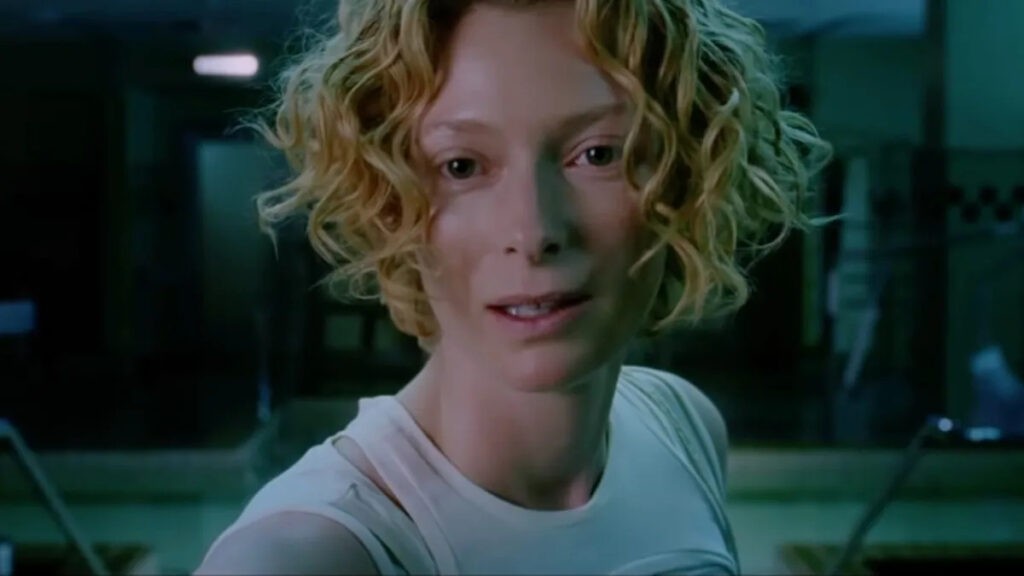
The director’s chair also remained vacant for a long time. Among the candidates was Tarsem Singh, who envisioned Nicolas Cage in the lead role. However, disagreements with producers and the studio’s vision for the project led to his departure. Ultimately, Francis Lawrence became the director, for whom “Constantine” was his feature film debut (he had previously directed music videos for Aerosmith, Shakira, Justin Timberlake, and other stars). It was he who insisted on Tilda Swinton for the role of the Archangel Gabriel, which became one of the most striking and memorable casting decisions.
The choice of Keanu Reeves for the role of John Constantine drew mixed reactions from comic book fans. A brunet with an American accent bore little resemblance to his blond British counterpart. However, Reeves immersed himself in the role with his characteristic dedication.
Producer Lauren Shuler Donner on choosing Keanu Reeves:
When we were choosing an actor for the role of Constantine, we needed someone who could convey that weariness with life, cynicism, but also inner strength and even some vulnerability. Keanu fit perfectly into this concept. Yes, he’s not a blond from Liverpool like in the comics, but he managed to capture the very essence of the character.
Rumor has it that Reeves, who was deeply affected by a personal tragedy, found something resonant in the image of a weary, chain-smoking exorcist balancing on the edge of worlds. It is said that he kept special “spiritual diaries” during filming to better connect with his character, and that the perfectly chosen trench coat – an indispensable attribute of Constantine – helped him fully embody the role.
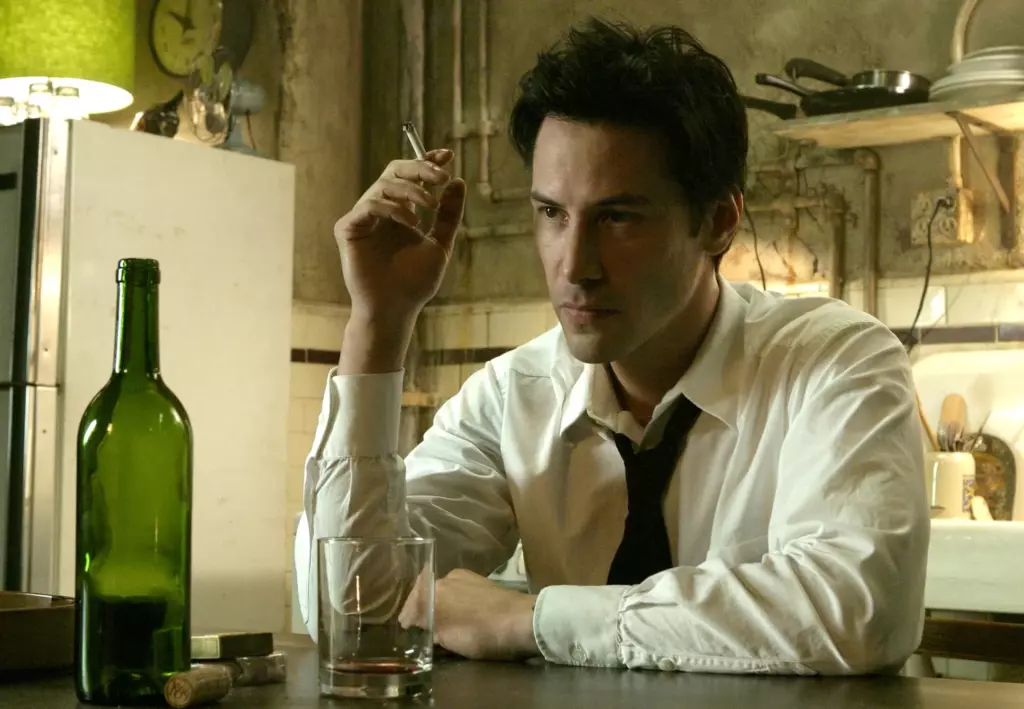
Keanu Reeves on his character:
Constantine is a man who knows the rules of the game but refuses to play by them. He sees more than ordinary people, and that is his curse. I like his cynicism, behind which lies deep pain and, oddly enough, hope.
The filmmakers did not aim for a literal adaptation, focusing instead on conveying the spirit of the character and his cynical worldview. And judging by the audience’s reaction, they succeeded, albeit at the cost of deviating from the source material.
Behind the Smoke Screen: Interesting Facts and Behind-the-Scenes Anecdotes of “Constantine”
The set of “Constantine” was filled not only with special effects and mystical props but also with curious details that add a special charm to the film. Some of them have become public knowledge, while others remain anecdotes passed from mouth to mouth.
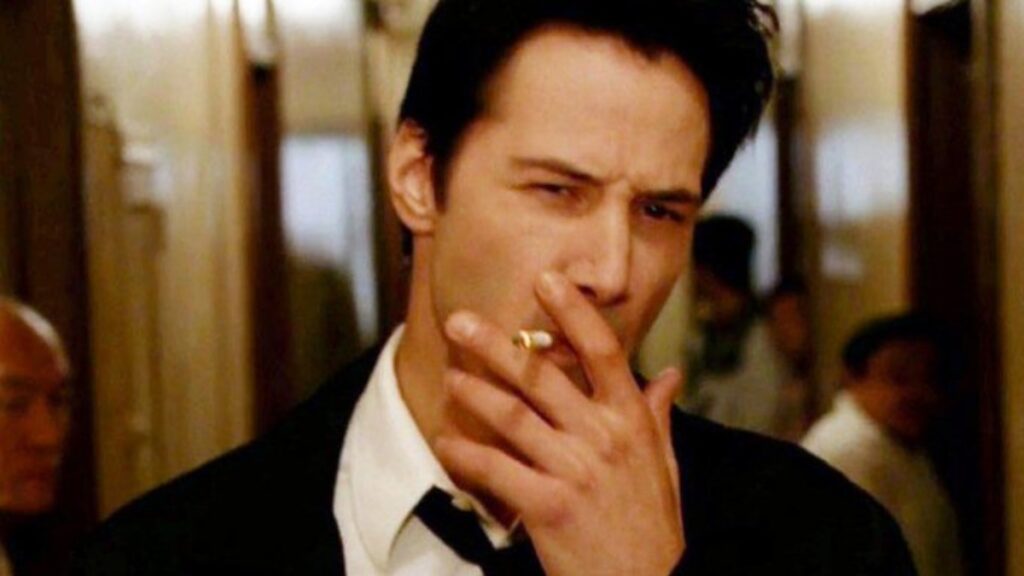
Let’s start with the most obvious – the cigarettes. John Constantine, played by Keanu Reeves, smokes almost continuously. It is estimated that he smokes exactly thirteen cigarettes in the film – a number that is certainly symbolic and unlucky. Reeves himself, a non-smoker, found it hard to endure such a quantity of “on-screen” smoking. It is said that after filming, he could not get rid of the taste of tobacco for a long time. Interestingly, for close-ups where Constantine puts a cigarette on the edge of a table, a prop cigarette the size of a cigar was used, filmed from a great distance to create the illusion of a normal size.
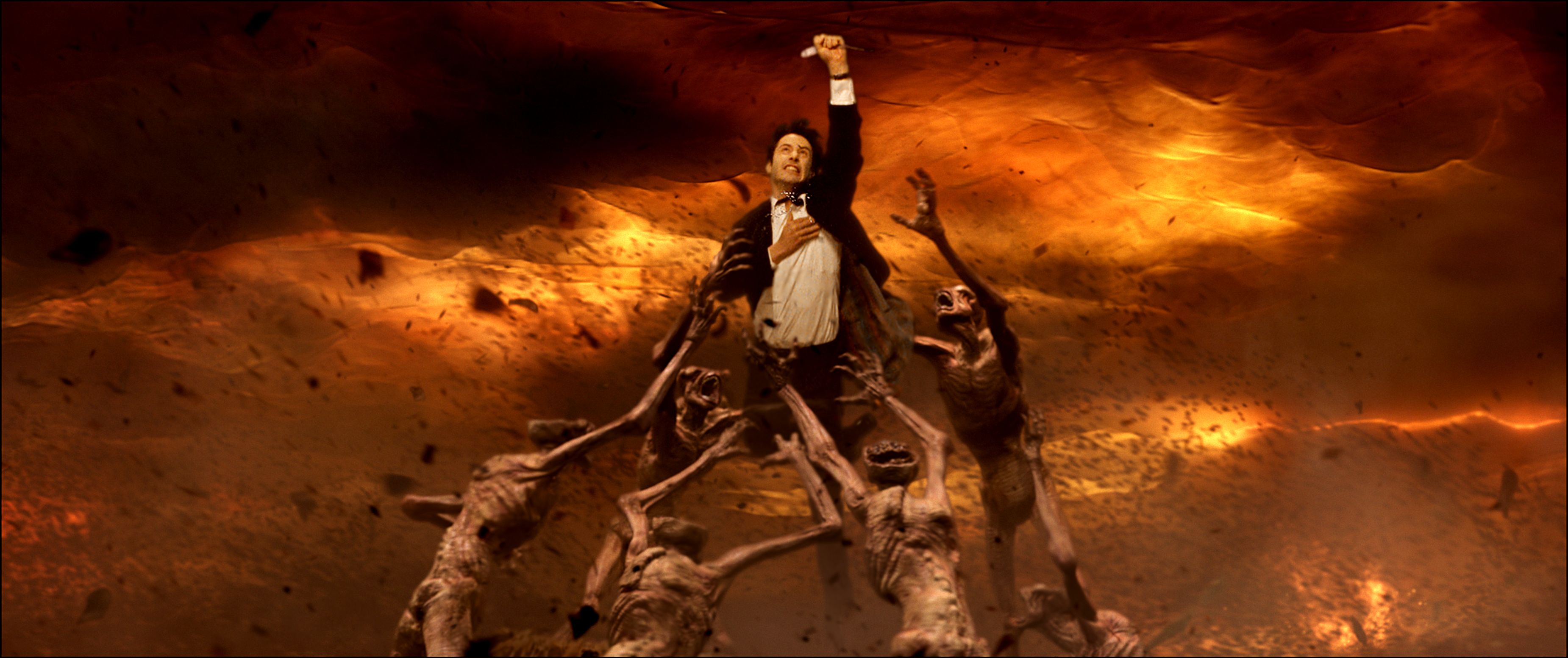
The visual depiction of Hell in the film is one of the most memorable. Those scorched, disintegrating landscapes, engulfed in eternal heat, were inspired by photographs of nuclear tests, particularly the shockwave following an explosion. This gave the underworld a unique and truly terrifying appearance.
The holy hand grenades that Constantine uses to fight demons have a funny origin story. The filmmakers admitted that they were actually ordinary Christmas ornaments filled with water for weight and effect.
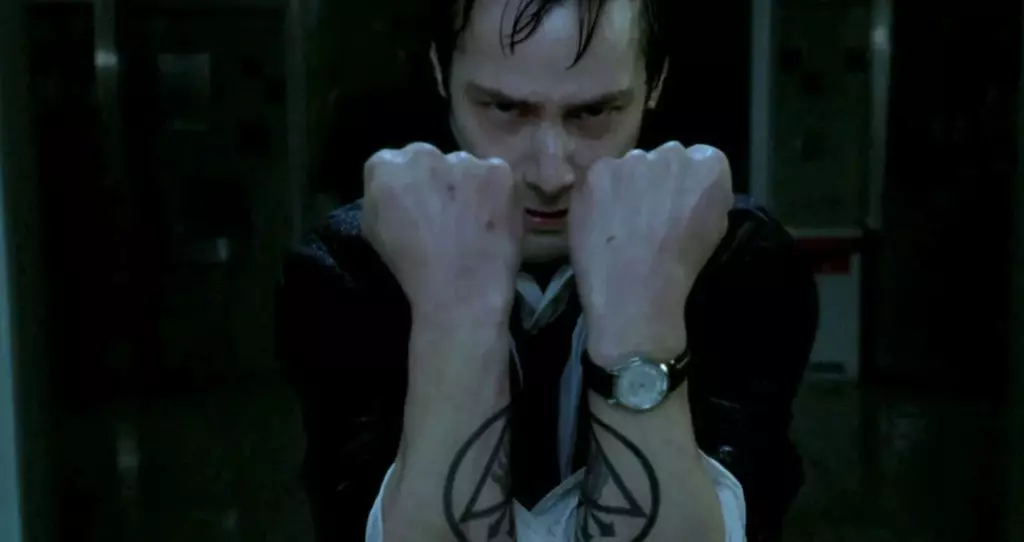
The tattoos on John Constantine’s hands are the alchemical symbol of the Red King, which, according to beliefs, protects its wearer. In deleted scenes, other alchemical symbols could be seen on the hero’s body, particularly on his back.
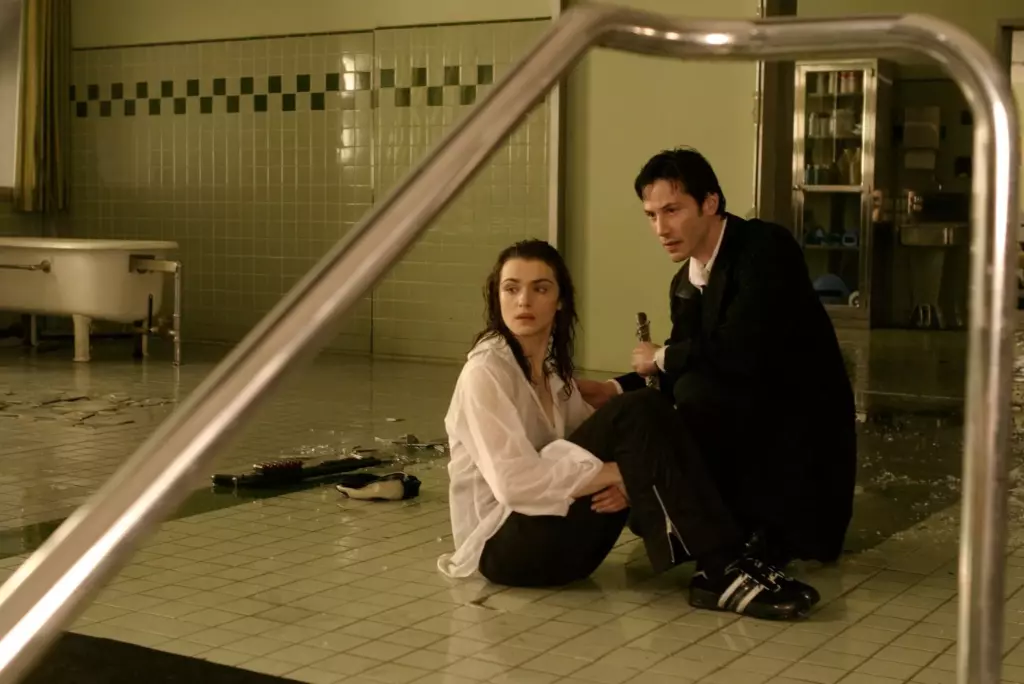
There were also mishaps on set. Rachel Weisz, who played Angela Dodson, nearly drowned for real in the scene where her character is submerged in a bathtub to travel to Hell. The actress recounted that at one point she began to choke, but fortunately, everything turned out fine. To better get into the role of a police detective confronting the supernatural, Weisz visited a morgue before filming.
Even the film’s title has its own story. Initially, the project was called “Hellblazer,” like the comic series. However, to avoid confusion with the roughly contemporaneous film “Hellboy” (2004) by Guillermo del Toro, the title was changed to “Constantine.” The addition of “The Lord of Darkness” (the original is simply “Constantine”) was a localization choice for some markets, including Russia, likely to add more epicness.
The memorable phrase “Papataing natin Sila!” uttered by the possessed girl crawling on the ceiling at the beginning of the film is not a random set of sounds. In Tagalog (one of the languages of the Philippines), it means: “We will kill them all!”
And another amusing fact related to the premiere: it is said that exactly 666 people attended the first screening of the film in the Norwegian city of Bergen at the local cinema. Coincidence or devilish coincidence – you decide. But such details only add mystique to an already enigmatic film.
Between Heaven and Hell: Cultural Resonance and Audience Love for “Constantine”
“Constantine” was released at an ambiguous time for comic book adaptations. The genre was just gaining momentum, and each such project became an event, sparking heated discussions. Francis Lawrence’s film is no exception. Critics received it coolly, accusing it of deviating from the canon, excessive darkness, and an uneven script. However, audiences, especially in the post-Soviet space, embraced the film surprisingly warmly. What is the reason for this dissonance, and what cultural impact did the film have?
One of the main reasons for audience love is undoubtedly the figure of John Constantine as portrayed by Keanu Reeves. The weary, cynical, but not devoid of a peculiar charm exorcist, forced to fight demons not so much to save the world as to save his own soul, resonated with many. His image of a “reluctant anti-hero” balancing on the edge appealed to an audience tired of flawless saviors of humanity. Reeves, with his trademark melancholy and ability to convey the character’s inner pain, fit the role perfectly, despite the external differences from the comic book prototype.
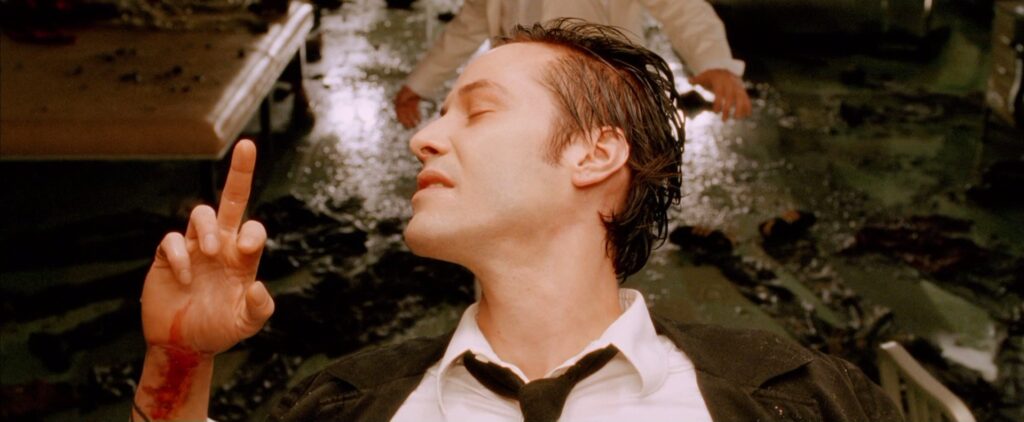
The visual style of the film also played a significant role. The dark, almost monochrome Los Angeles, where the rain never seems to stop, the oppressive atmosphere of otherworldly presence, the impressive (for their time) special effects, and the design of demons and angels – all of this created a unique world that viewers wanted to immerse themselves in. The scene of Constantine’s descent into Hell and his subsequent “walk” through it is still considered one of the most powerful and memorable in the genre.
Francis Lawrence on the visual style of the film:
I didn’t want to make a typical horror film. I wanted to create a world where the supernatural exists side by side with the mundane, where demons can walk among us, and angels are not always good. Visually, it had to be something between noir and modern urban fantasy.
The film also touched on deep philosophical themes: the nature of good and evil, free will, the price of redemption, faith and skepticism. Constantine’s dialogues with Gabriel, Lucifer, and other characters often went beyond simple entertainment, prompting reflection on eternal questions. This depth, even if presented in the guise of a mystical action film, also resonated with viewers.
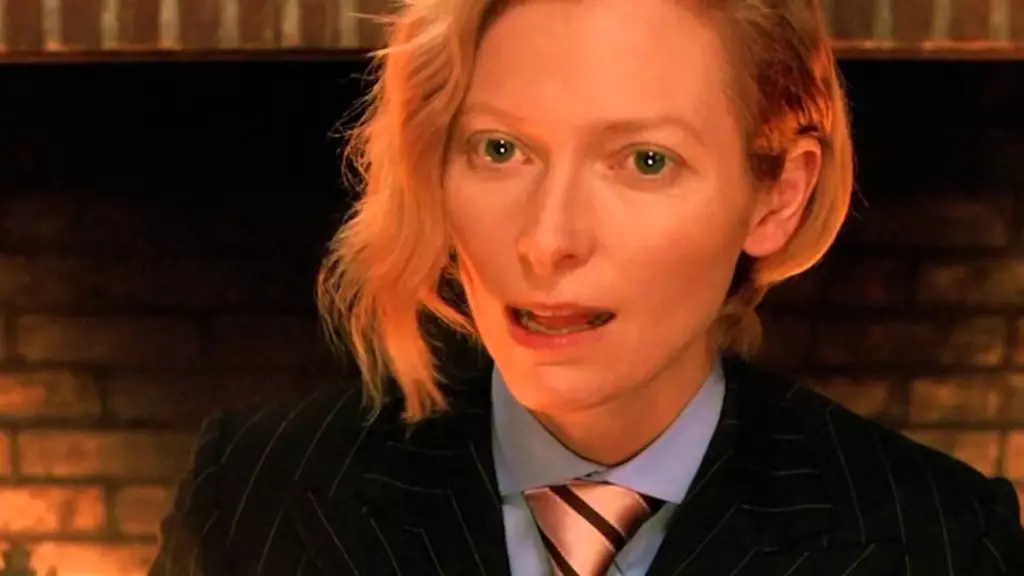
Tilda Swinton on the role of the Archangel Gabriel:
Gabriel is a being devoid of humanity, but paradoxically obsessed with humans. It is a creature that has never experienced pain, fear, doubt – everything that makes us human. And that is its tragedy. I was interested in playing such a detached, almost alien being.
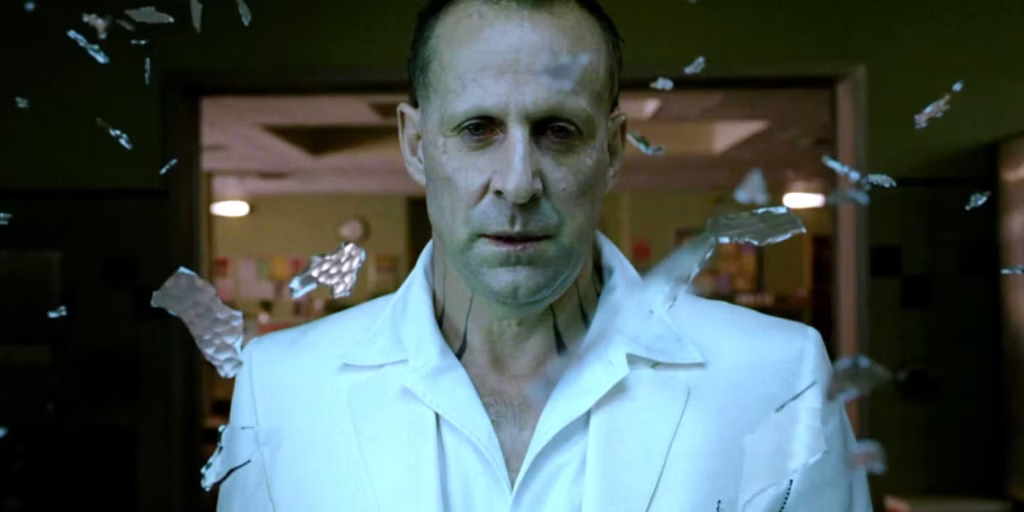
Despite initial skepticism from critics, “Constantine” gained cult status over time. This was largely due to Keanu Reeves’ charisma, the unique atmosphere, and memorable supporting characters such as Chas Kramer (Shia LaBeouf), Papa Midnite (Djimon Hounsou), and, of course, Lucifer in the brilliant performance of Peter Stormare. His appearance in the finale is a true masterclass in acting, a scene that is still rewatched and quoted.
Peter Stormare on his interpretation of Lucifer:
I decided that my Lucifer would be elegant, almost gentlemanly, but with this hidden rage and resentment. He doesn’t shout, doesn’t wave his arms – he doesn’t need to. His strength lies in calmness and confidence. And, of course, in the white suit – I insisted on that. The Devil in white is unexpected and symbolic.
The cultural influence of the film also manifested in its sparking interest in the source material – the Hellblazer comics – as well as other works in the urban fantasy and mystical noir genres. Constantine’s image has appeared multiple times in other adaptations (e.g., the 2014 TV series of the same name) and DC animated projects, but for many, Keanu Reeves’ version remains the definitive one.
Today, twenty years later, “Constantine” still feels fresh and engaging. It has not lost its dark charm and continues to captivate viewers. The announcement of a sequel with Reeves and Lawrence returning sparked a wave of excitement among fans, further proving that John Constantine’s story is far from over, and his place is somewhere between Heaven, Hell, and the hearts of devoted fans.
The Legacy of the Exorcist in a Trench Coat: Why Is “Constantine” Still with Us?
Twenty years is a substantial period for any film. Many movies that were once popular fade from memory over time, giving way to new hits. But “Constantine” is not one of them. This film has not only stood the test of time but seems to have become even more relevant and beloved. What is the secret of its longevity?
Perhaps it is the unique combination of genres: a mystical thriller, a noir detective story, a philosophical parable, and even elements of black comedy – all harmoniously woven into a single whole. Or maybe it is Keanu Reeves’ charisma, creating one of the most memorable roles of his career. Or perhaps it is the eternal themes the film addresses – the struggle between good and evil, the search for faith, the price of redemption, and the loneliness of man in the face of eternity.
“Constantine” is not afraid to be dark, cruel, and even cynical. It does not offer simple answers and does not divide the world into black and white. Its characters are ambiguous, their motives complex, and their actions often provoke debate. And it is this ambiguity, this honesty towards the viewer, that makes the film so appealing.
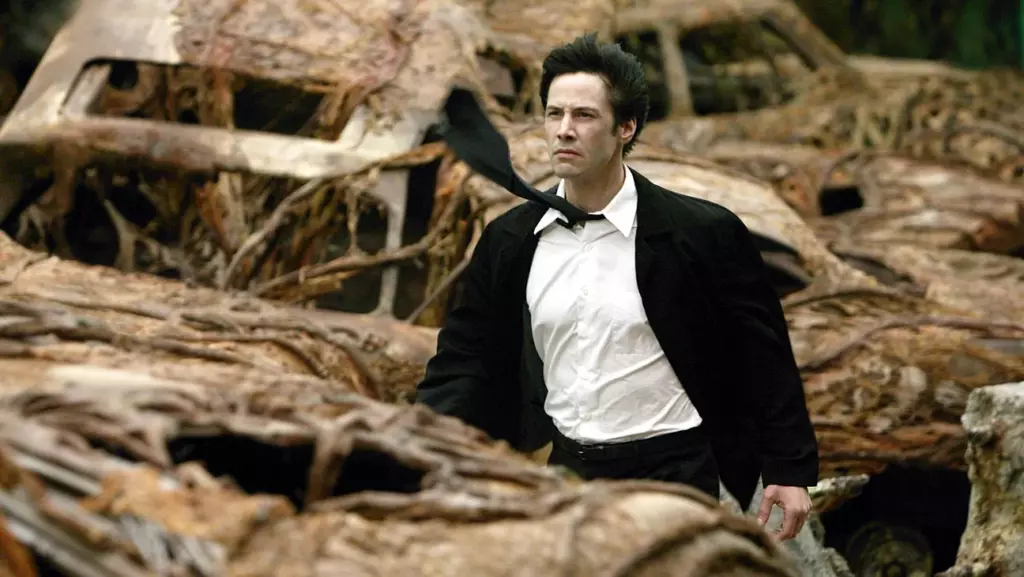
Two decades later, we still gaze into John Constantine’s tired eyes, try to unravel the mysteries of his past, and follow his dangerous games with the forces of Hell and Heaven with bated breath. We quote his caustic remarks, admire his resilience, and empathize with his tragedy. And, of course, we eagerly await the sequel, hoping to once again immerse ourselves in this dark yet so alluring world.
“Constantine” is a cultural phenomenon that has left a notable mark on cinema and in the hearts of millions of viewers. And as long as there are demons to be exorcised and souls worth fighting for, John Constantine’s story will continue. After all, as he once said, “Welcome to my life.” And we, the viewers, gladly accept this invitation again and again.
Comments
0No comments yet.
Sign in to join the discussion.