
Now in theaters — «The Last Emperor» by Bernardo Bertolucci. On this occasion, we recall five more films by one of the most famous Italian filmmakers.
Bernardo Bertolucci started as a poet, a philosophy student, and a pupil of Pasolini, and became the most famous director of Italian New Wave cinema. Over his lifetime, he experimented with many theories and worldviews, from Marxism to Eastern religions. He journeyed from a young aesthete raised in the cradle of maximalism to an almost universal master who saw not challenge but beauty around him.
«La Luna»
Joe (Matthew Barry) grew up in a bohemian family in Manhattan. His mother is opera singer Caterina (Jill Clayburgh). His father hasn't even had time to appear on screen before he dies right in front of his son. The already spoiled and uncontrollable teenager breaks down and becomes even more unbearable. Caterina experiences her own breakdown and leaves New York for Italy to shine on stage as she couldn't in marriage. Joe spends his time not in the huge exotic-modern house, but on the streets with European youth. But it can't be said that he has distanced himself much from his mother — right from his first date in the back row of a cinema, he runs to the opera to once again be enchanted by Caterina's voice and shoot up heroin in her dressing room.
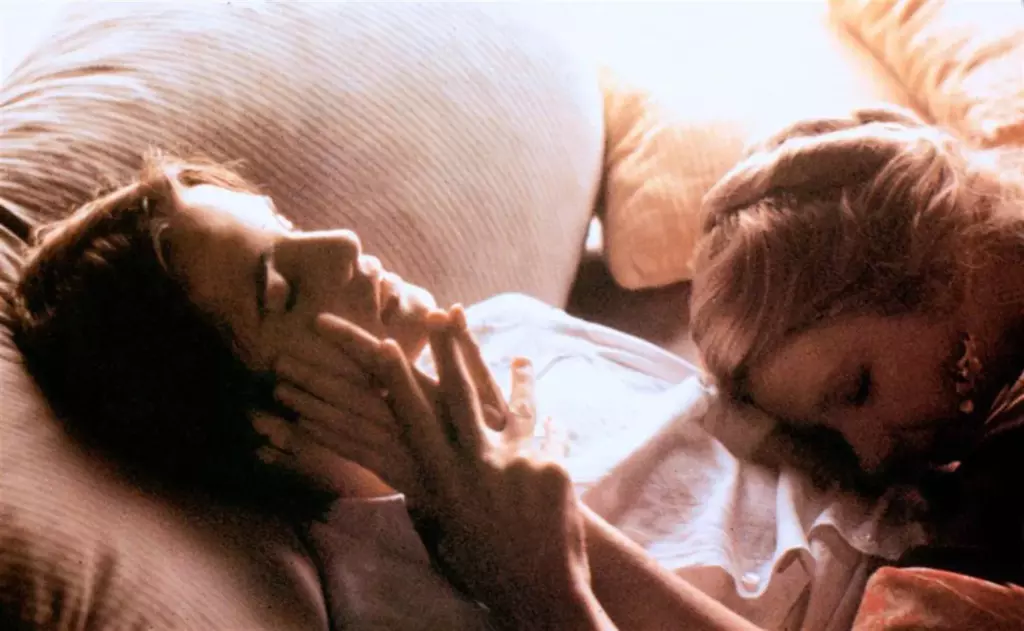
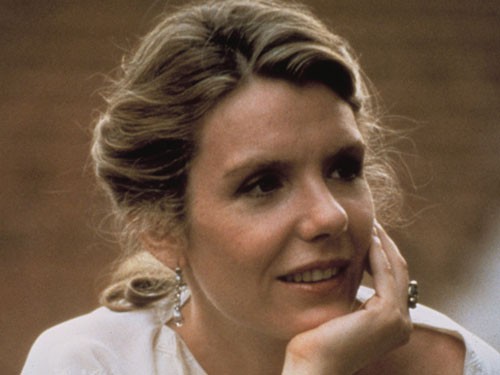
«La Luna» was utterly unfairly criticized by critics, perhaps because it occupies an extremely unfortunate place in Bertolucci's filmography. It came out right after his Magnum Opus — «1900». But «La Luna» is neo-realistically beautiful, like all the director's films. In Vittorio Storaro's camera, the sun carves out many everyday things: plates with rims, long golden forks and knives, vines in the center of the room, and the cobwebs of overgrown Italian streets. But Bertolucci's pen and those of his loyal collaborators (brother Giuseppe Bertolucci and wife Clare Peploe) discover in the story of a restless but charming boy with a pathological lack of a father figure something ancient Greek and tragic. The radiance of opera stars and the saccharine kisses of Caterina's admirers, Joe's forbidden substances and his first sex with a girl in fashionable pants — all these details painfully embody the Oedipus complex for them.
«Besieged»
A young African woman, Shandurai (Thandiwe Newton), diligently studies at a medical institute in Italy, sometimes hangs out with her friend who can't decide on his orientation, and stands in a colorful queue for a residence permit. She works as a maid in the house of an old-world English pianist, Mr. Kinsky (David Thewlis), who is absorbed only in music. Of course, all melodramatic premonitions are not in vain — the musician falls in love with the maid. But she does not accept the proposal of hand and sheet music with a question mark. Shandurai is married. Her husband is in an African prison for his political views.
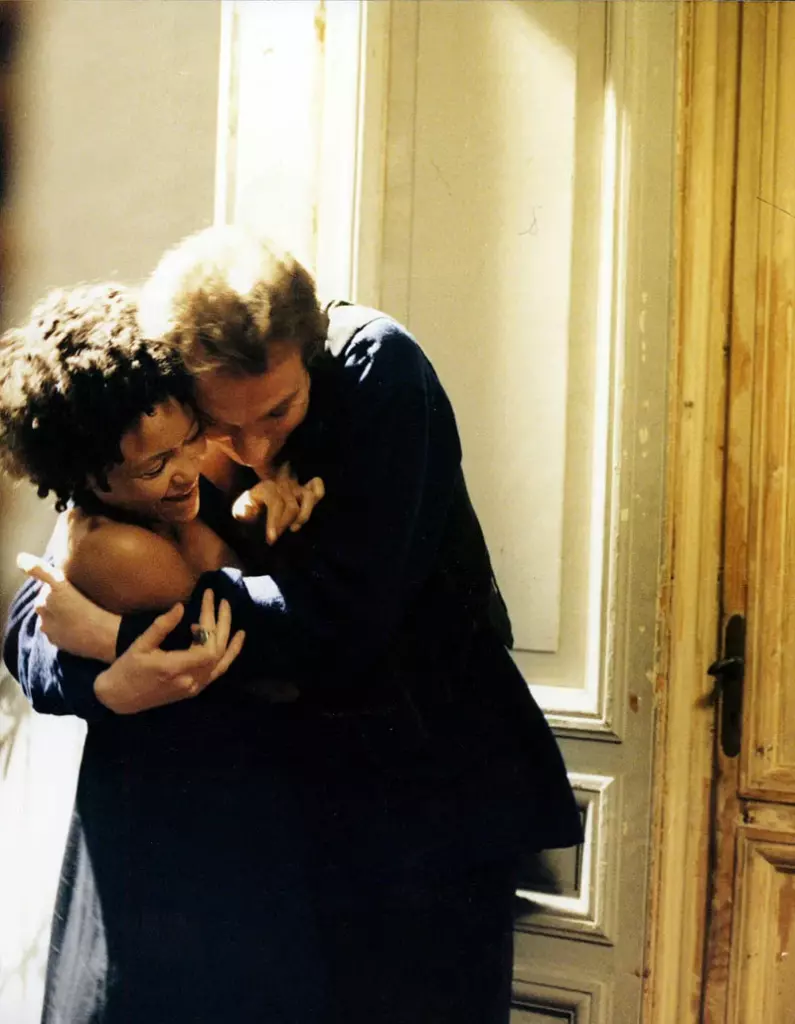
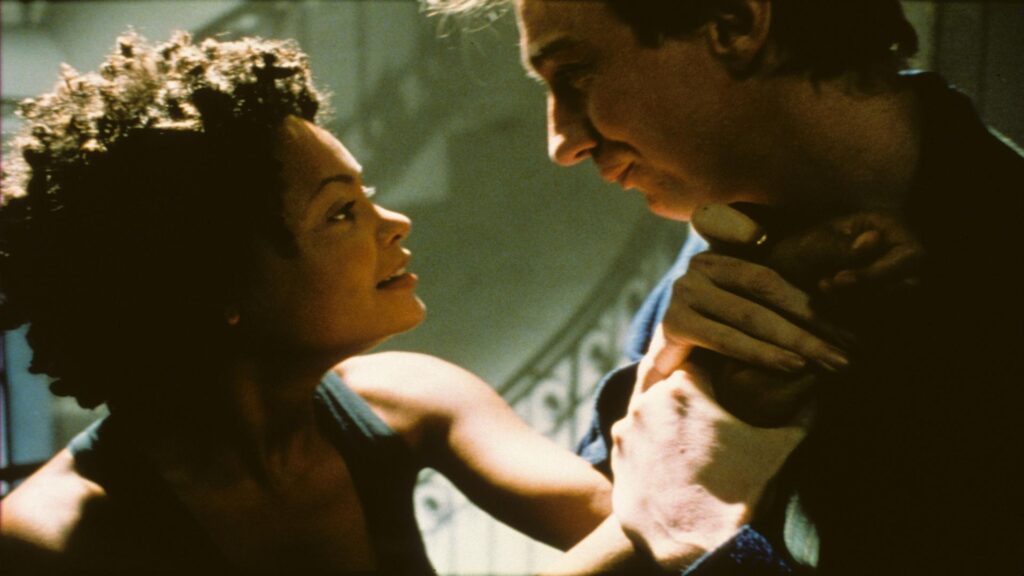
«Besieged» is an extremely silent film. But that doesn't mean it is aesthetically impoverished. Instead of speaking aloud, words are written on notebook pages; instead of voices, music sounds; and instead of love confessions, a shy smile. Sensual impulses, confusion, bitterness, and passion hide in the ragged editing that constantly disrupts the smooth silent shots. The quiet Mr. Kinsky is the quintessence of this opposition hidden in the form of «Besieged». He is just as thoughtful, seemingly even uncommunicative. But he sells not just a part, but his entire soul — his instrument — to help Shandurai.
«The Conformist»
Marcello Clerici (Jean-Louis Trintignant) is an aristocrat who, by the age of thirty-three, has managed to acquire the warm and cozy bourgeois calm of fascist Italy in 1938. He joined the party, married a middle-class girl for her beauty and spontaneity, and went on a honeymoon not so much to spend time with his wife as to carry out an intelligence mission. The newlyweds' vacation is to be spiced up by the murder of the anti-fascist professor Quadri (Enzo Tarascio). Marcello falls in love with his wife Anna (Dominique Sanda), who suspects the views and plans of the new family friend.
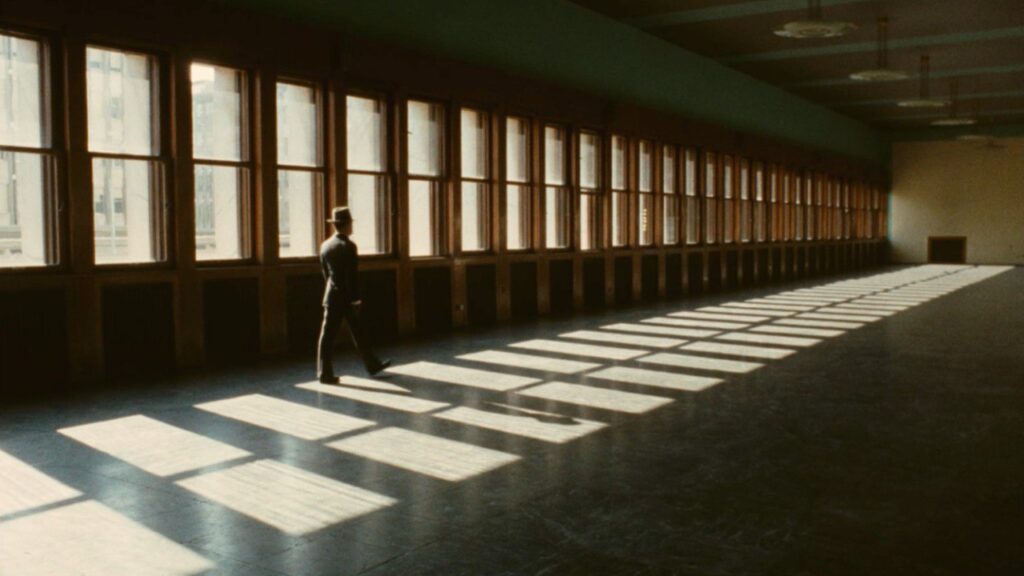
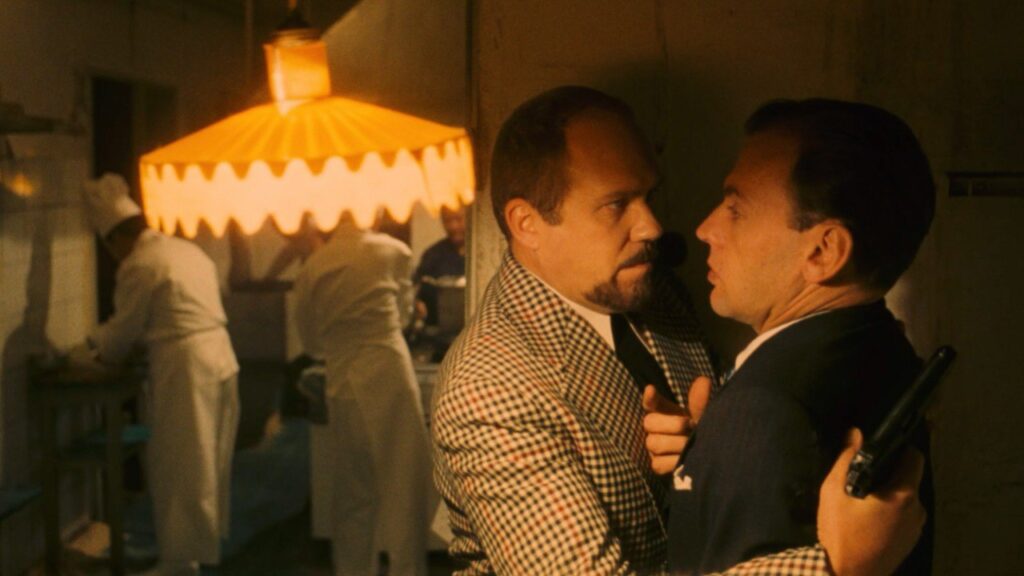
It is with «The Conformist» that the long-term collaboration between Bernardo Bertolucci and cinematographer Vittorio Storaro begins. Together they create a new aesthetic that made the film so popular and universal for any viewer. After all, «The Conformist» is structured so that the viewer becomes an accomplice of Marcello Clerici, trying on his colorless and repulsive mask. It was this communicativeness with the viewer, the aestheticism in a political pamphlet, that repelled Godard, whose patterns Bertolucci once followed. He responded to the criticism thus: «I left behind a period when the ability to communicate was considered a mortal sin. He did not.» But it is at this time that the director's poetics change, and to some extent «The Conformist» is a disappointment in the May 1968 events, a search for a new language, a different perspective.
«Last Tango in Paris»
Paul (Marlon Brando) and Jeanne (Maria Schneider) meet by chance when they want to rent the same unfurnished Parisian apartment. Paul carries a burning sense of guilt and emptiness after his wife's suicide. Jeanne has a filmmaker fiancé and the irrepressible energy of youth. This might be a good setup for a tearful melodrama, but it's not that simple. The characters agree to meet in this apartment only for sexual relations and under no circumstances tell each other anything about themselves, not even their names. Jeanne quickly becomes irritated by this arrangement, while Paul generously showers her with caustic remarks.
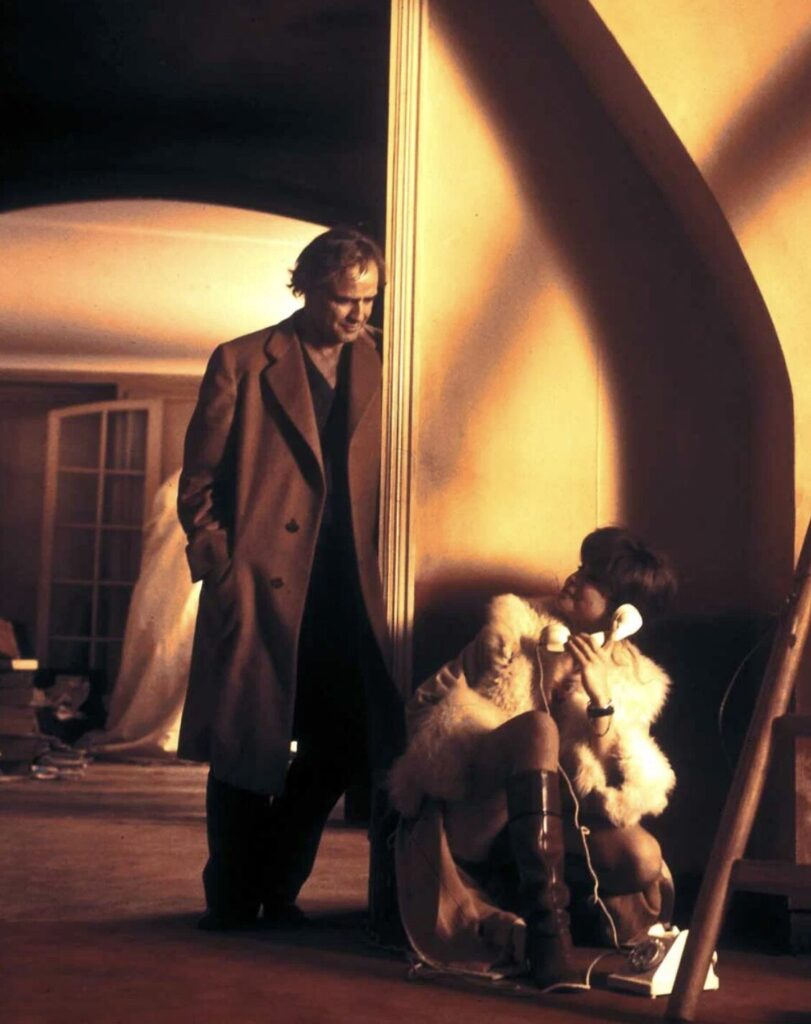
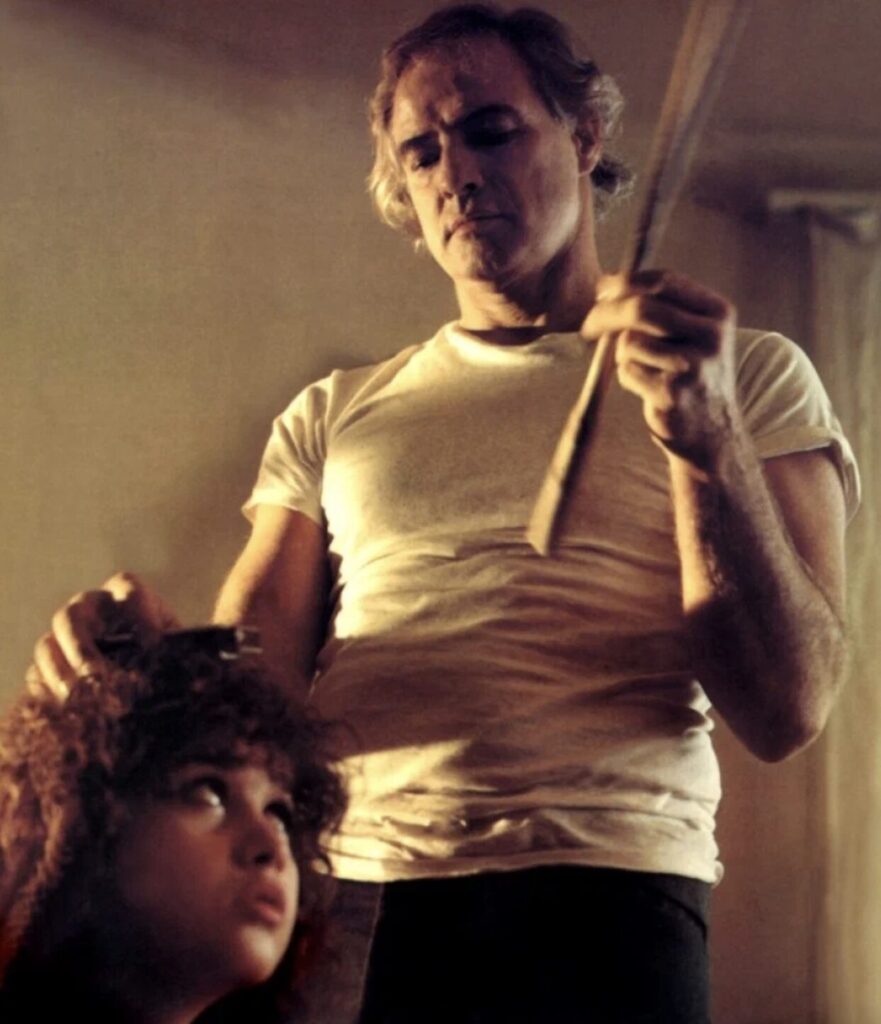
«Last Tango in Paris» received two Golden Globe nominations and two Oscar nominations: for Best Director and for Marlon Brando. The erotic drama with a touch of melancholy and psychosexual accents indeed looks very enticing, if not for the story of its creation. On the set of the film, where the characters were supposed to infuriate each other, the creators also fumed. Brando didn't speak to Bertolucci for 15 years after the shoot; Schneider never spoke to either of them again. And it's not just that the actor refused to learn his lines. The famous scene with the godfather of New Hollywood and butter ruined the young actress's career. In her later interviews and in her sister's memoirs, it was an irreparable blow to Maria's psyche.
«The Dreamers»
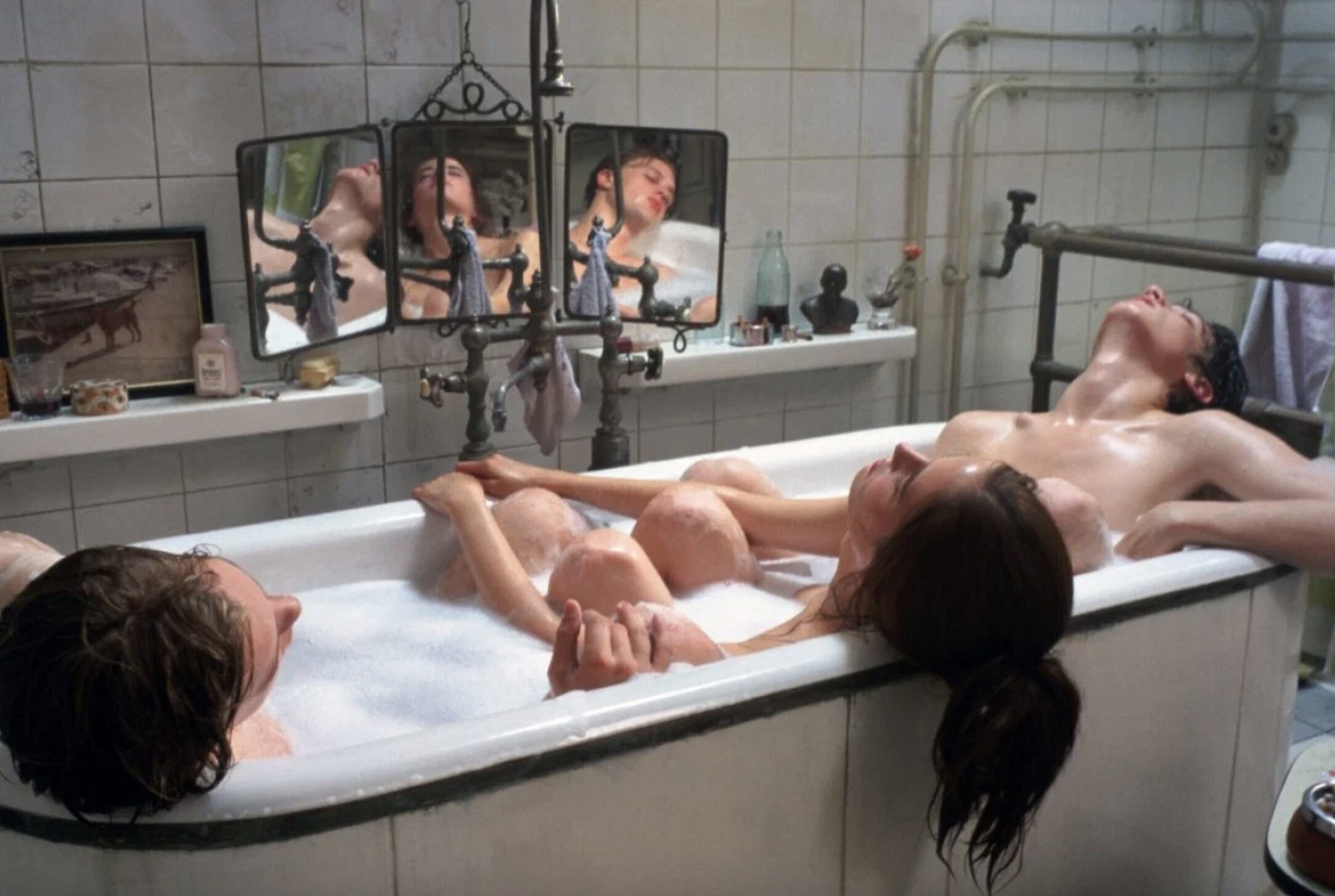
Matthew (Michael Pitt) comes from the States to Paris on a university exchange program in May 1968. He spends all his time at the Cinémathèque, while outside the hypnotic world of the screen, student strikes are already raging. It is at the intersection of these two magical spaces that the young American meets Isabelle (Eva Green) and Theo (Louis Garrel) — brother and sister. Their parents conveniently leave, abandoning the huge apartment to the mercy of the youth. Matthew, Theo, and Isabelle lock themselves within four walls to sacrifice bodies and minds in the name of love, art, and intoxicating freedom.
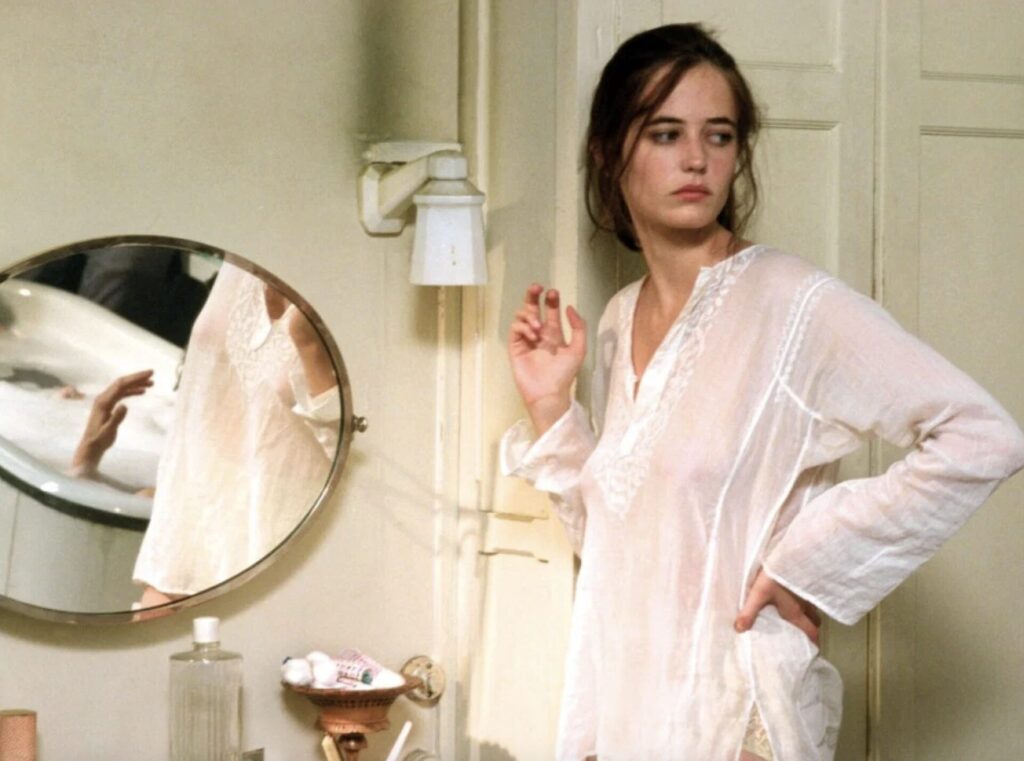
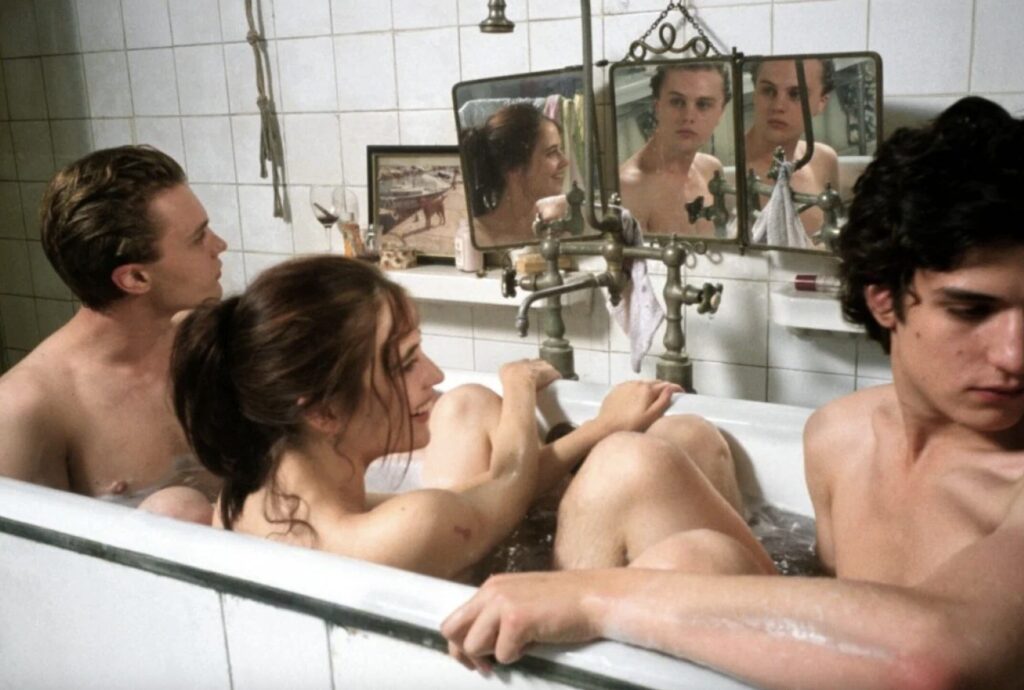
Unsurprisingly, «The Dreamers» became a cookbook for young cinephiles. «Love against the backdrop of revolution» and odes to art — what could be more attractive? But the film about giddy bohemian film lovers and (sometimes forbidden) eroticism was directed not by a young, equally giddy and bohemian director, but by an already established master who had lived through that period. In «The Dreamers», he returns to the poetics of his first well-known work, «Before the Revolution» (1964). The radical young man for whom love is protest is replaced by a trio of characters indifferent to the «Red May» raging outside the windows. In his early films, he also turned to the French New Wave, whose inspiration he resurrects in «The Dreamers», incorporating not only Godardian experimental aesthetics but entire scenes from films of that movement. However, the late Bertolucci replaces revolution with art, love, and youth.
Comments
0No comments yet.
Sign in to join the discussion.