

"Not Listed" is a film-symbol of the anniversary date—80 years of the Great Victory we celebrate, evaluating the attempt to adapt Boris Vasiliev's most difficult story
In 2015, Russian audiences reluctantly accepted the modern adaptation of Boris Vasiliev's most famous story, "The Dawns Here Are Quiet." Yes, not everything turned out well: the visual presentation of the material was lacking, the female characters were rough, but the author's core message remained almost intact. War does not have a woman's face, but women fight because they believe, love, and want to live. Vasiliev's prose certainly tolerates cinematic liberties, but at the same time requires careful and thoughtful treatment from the screenwriter and director. Hence, the dramaturgically precise, almost claustrophobic story "Not Listed" has yet to receive a worthy cinematic adaptation.
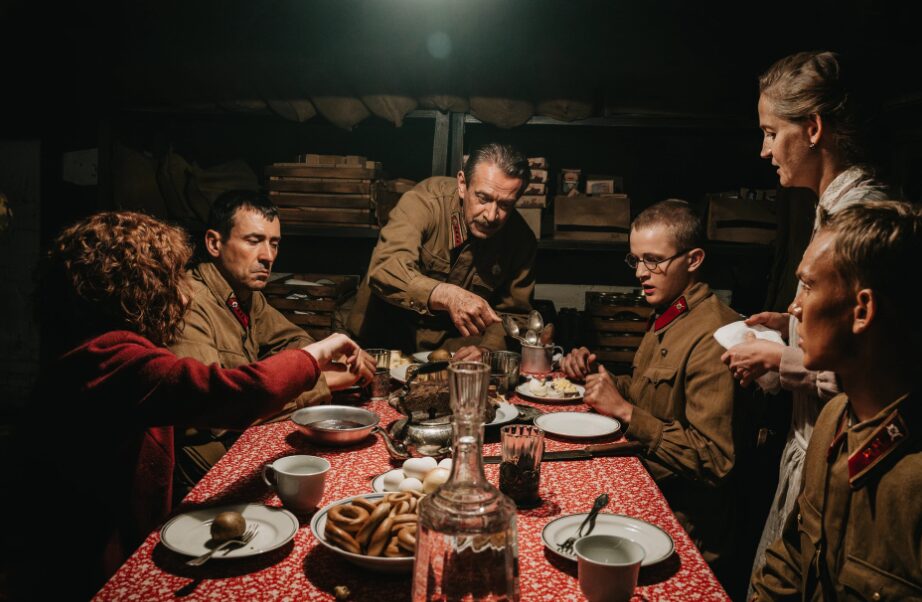
Alas, Sergey Korotaev's attempt to break this trend turned out to be extremely unsuccessful. First of all, because the source material was already constructed for the theater—artistic director of the Oleg Tabakov Theater Vladimir Mashkov adapted the text for his troupe and proposed transferring the finished story to the screen. It seemed like a small matter: enhance the spectacle, expand the boundaries of the theatrical space, "bring to life" inaccessible locations—and the film would be doomed to success. Plus, additional advertising for the new play, which would premiere in the capital in early June. But what resulted was a frivolous "film adventure," where marketing tasks closely coexist with an attempt to ensure the film's popularity through the name of a famous writer.
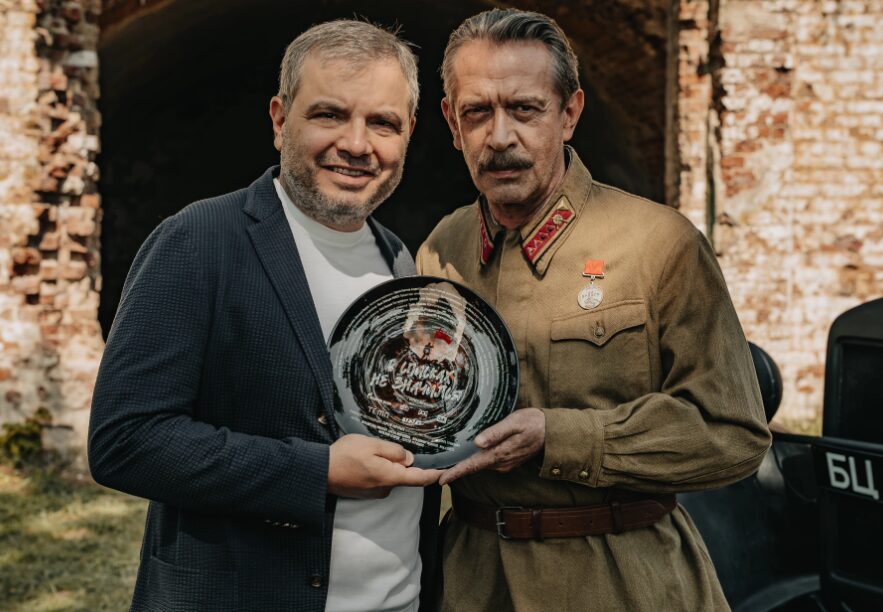
Korotaev's work indeed does not represent anything truly serious. The director's task is muddled:
- If they planned to dedicate the film to the heroic defense of the Brest Fortress, then there are critically few episodes on this topic in the film, and the filming of the fortress is reduced to a single point—the club-former-church;
- An adaptation faithful to the letter of the story—if that is the case, then the film completely lacks that sticky, mad, desperate fear of the dungeon, of endless darkness; Vasiliev immersed the reader in the story so deeply that it became hard to breathe along with the heroes, whose lives rested in the casemates of the fortress. After all, that was the author's intention—using Pluzhnikov's fate to demonstrate how such an environment gradually drives one insane;
- A war film made for the anniversary date—this characteristic is perhaps the most accurate. "Not Listed" will certainly stand in a neat row with "Battle for Sevastopol," "Stalingrad" and many other films about the Great Patriotic War that collectively decided not to fulfill their dramatic tasks.
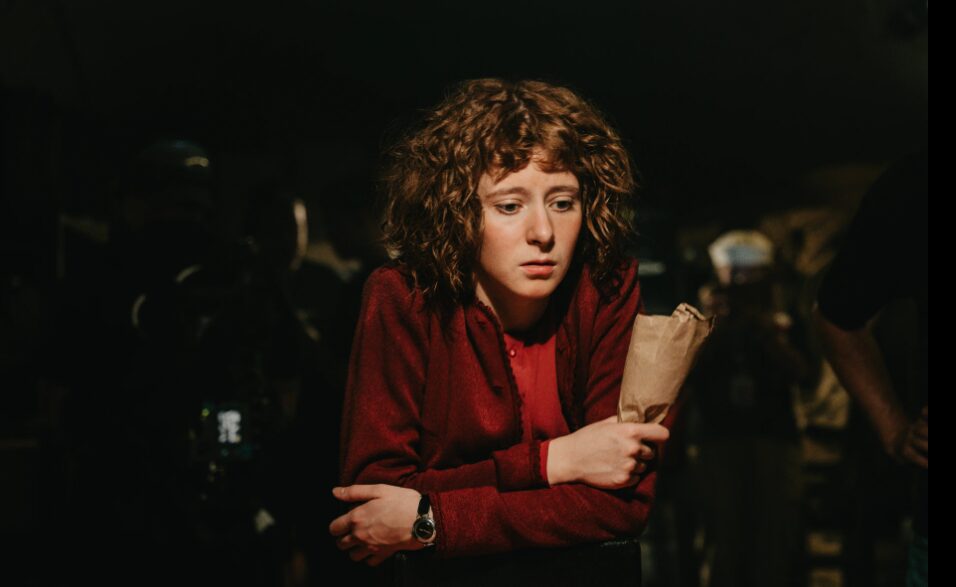
The complex storylines of the main characters are sparingly adapted for the modern (read: young) viewer, whom the creators are afraid to tell the truth about: about Mir—a Jewish cripple, about Pluzhnikov with his psychological metamorphoses, about the most complex feeling of love that bound these two people—not at all out of despair, but because one must love. In love lies immortality. But even despite the sparse acting tasks assigned to the young actors, it is still very pleasant to watch them—Vladislav Miller in a duet with debutante Alena Morilova diligently embody the first heroes-victims of the war, forgotten by the whole world in the basements of the Brest Fortress.
Perhaps this adaptation will serve as a support for Mashkov's theatrical production, which will come closer to the original source and not be afraid of the complex moral narratives dictated by wartime. It would be good if that were the case; otherwise, the film will inevitably disappear in the zenith of fame of more competent, thoughtful, and non-fiction war-themed films.
Comments
0No comments yet.
Sign in to join the discussion.