
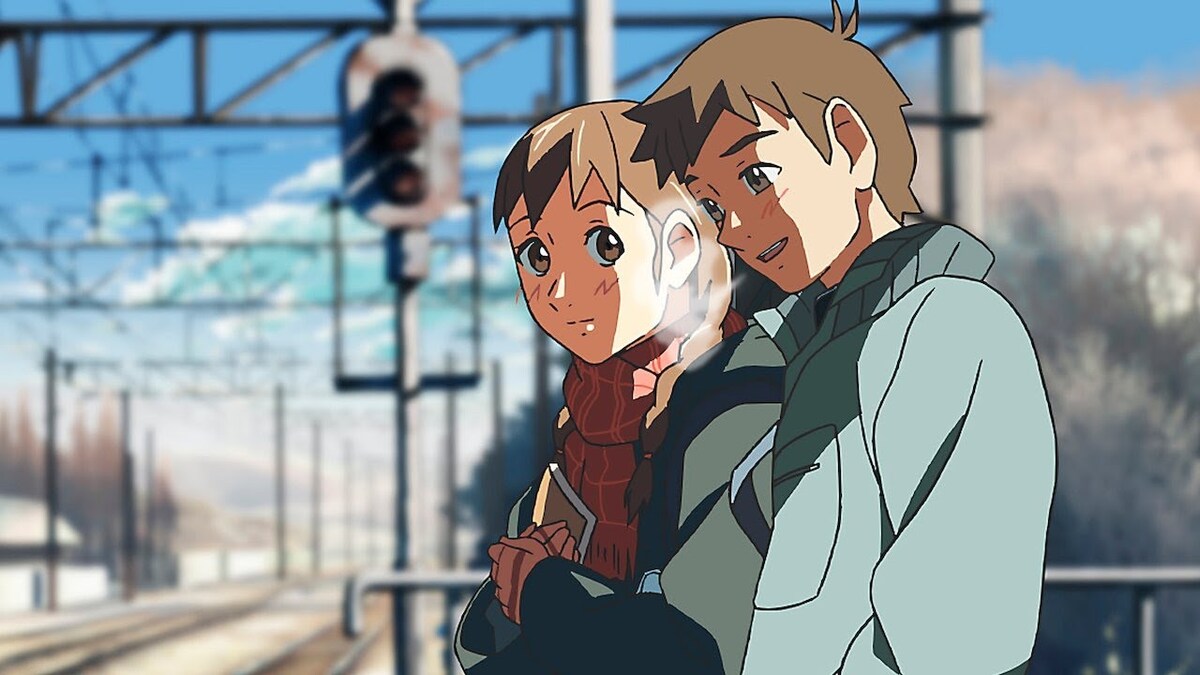
On May 1, the sci-fi drama by Makoto Shinkai "The Place Promised in Our Early Days" started its re-release — a feature-length reference to future cult projects. What kind of tower cuts through the sky, what does the USSR have to do with it, and where...
The film "The Place Promised in Our Early Days" saw the light of day back in 2004, becoming the debut feature-length work of the master. Makoto Shinkai created his unique animation style at the dawn of his career. Here you have those very clouds and landscapes that seem to freeze time. "The Place Promised in Our Early Days" looks like a large sketch with all the main features that would later evolve into "Your Name." and "Suzume." Just without the futuristic world in the style of "Evangelion."
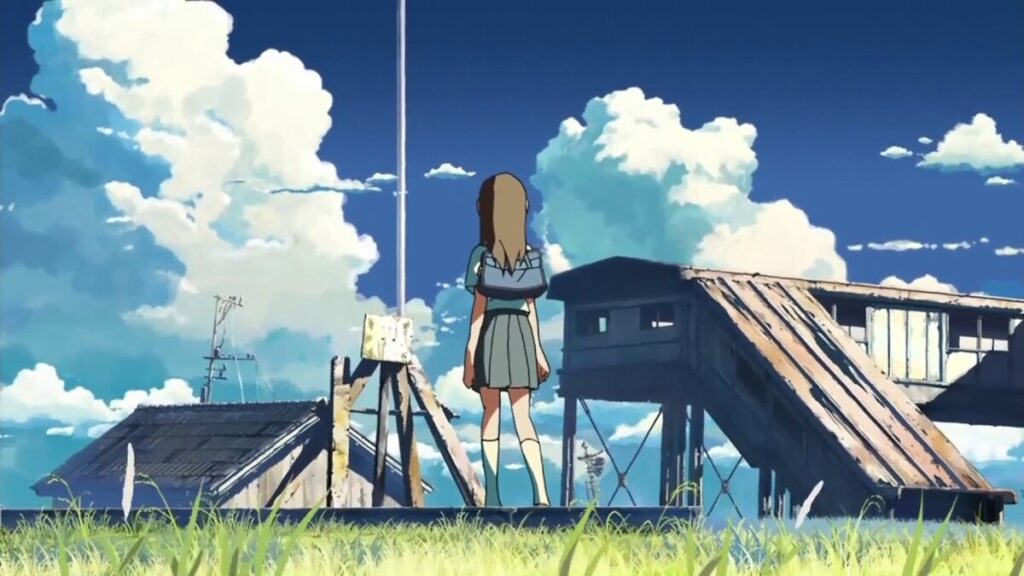
Despite the anime being leisurely, it plunges you into the flow of events briskly. From daydreaming schoolchildren after classes to parallel worlds and a universal war is literally one step away. There isn't much time to rest. Shinkai creates a story centered on three schoolchildren dreaming of conquering a mysterious tower.
Here the viewer is presented with an alternate universe where, after World War II, Japan was divided between the Soviets and the USA. The former built a structure on their territory whose peak extends far beyond the clouds, and the purpose of such a giant is unclear to anyone. But the unknown does not frighten Hiroki Fujisawa, Sayuri Sawatari, and Takuya Shirakawa — the teenagers dream of flying to the tower. And they will be helped by an aircraft they are building in a hangar. However, the characters' dreams shatter when Sayuri disappears for three years without sending any word.
"The Place Promised in Our Early Days" tries to incorporate an endless stream of themes. Here we have another agenda with the scary USSR, an anti-war subtext, love, distance, self-discovery, and loneliness. That's a lot of thoughts for a film lasting only 90 minutes. The narrative suffers because all this abundance of themes needs to fit into the director's measured style of presentation, resulting in a very rushed feel.
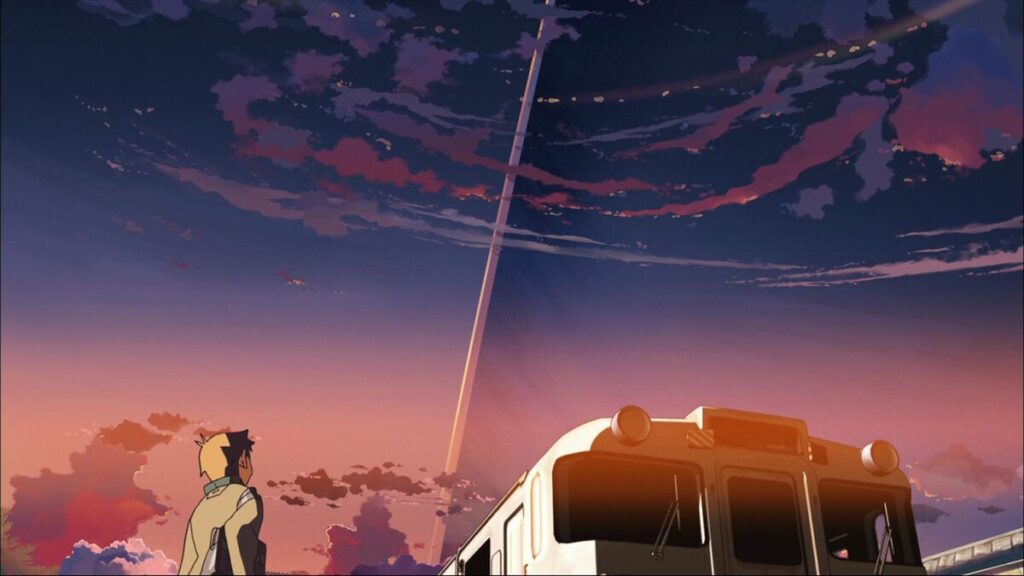
Even in his previous work, "Voices of a Distant Star," Shinkai spoke about feelings at a distance. The animator did not spare his characters and separated them literally by space. This is no longer just living in different cities or moving somewhere with no network. To receive a cherished letter, the characters wait for years.
And so in "The Place Promised in Our Early Days," the lovers have to separate. Only now their opponent is not orbit, but the sleep into which Sayuri falls. Shinkai reflects on the theme of parallel universes, using pillars of quantum physics. What if the dreams we see are other worlds where events happen similarly to real ones? But that's something in the spirit of Nolan.
When Sayuri disappears, Hiroki seems to freeze. The hero loses his dreams and wanders through multi-million Tokyo, but doesn't want to talk to anyone. This resembles the world where the girl lives. She is alone in an empty city from which there is no way out. The same happens to Hiroki, but in a densely populated place. All this is similar to the reality of the director himself. After moving to Tokyo, the animator could wander alone for hours because he hadn't yet found friends or acquaintances.
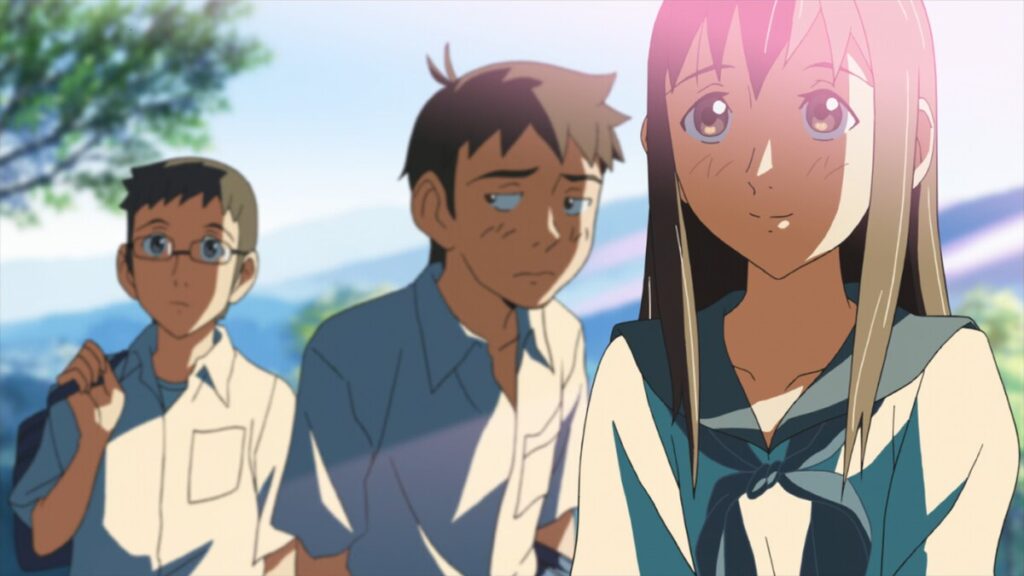
If you look at other early works by Makoto Shinkai, you can say that the theme of loneliness and loss has been with the master from the very beginning of his career. Be it "She and Her Cat," where the heroine, although falling into depression, finds the strength to cope and realize that she loves this world. Or "Voices of a Distant Star," where the characters experience both separation and loss, but still believe that they will meet someday.
I want to say that besides the heavy romantic storyline, Shinkai runs a leitmotif of childhood dreams and now their loss. You can also add the problem of growing up here. The dreams of conquering the top of the tower in a homemade plane crumble when the characters stop being schoolchildren. Even though the characters manage to reach the top of the tower at the end, it is accompanied by an impending explosion, because the heroes become a kind of UFO for the Soviets, which gives them a free hand to fire without warning. Isn't this a metaphor for the end of childhood and an unattainable childish dream? Or maybe it's a sign that all goals have been achieved? Who knows.
The anime "The Place Promised in Our Early Days" incorporates the main pillars of Makoto Shinkai's work, on which his future legendary works will rest. The director dreams of space and reflects on themes of love and loneliness inherent in each of his films. But Shinkai wouldn't be Shinkai if he had created his debut without all this, would he?
Comments
0No comments yet.
Sign in to join the discussion.