

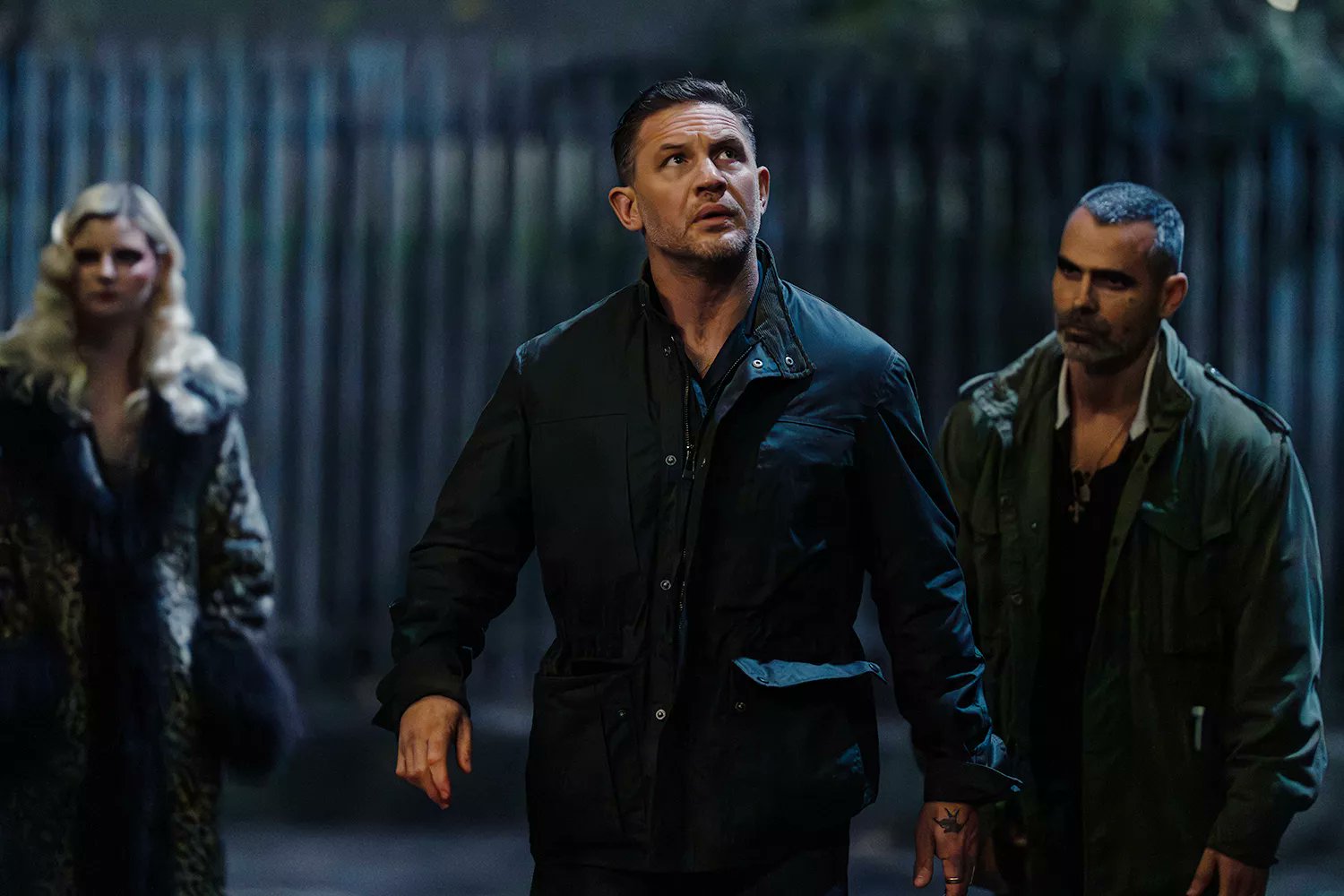
Paramount+ has launched a new series “Gangsterland,” where Guy Ritchie once again mounts his favorite hobbyhorse and sets off on another journey through the dangerous streets of London.
The hero of the series “Gangsterland”, Harry Da Souza (Tom Hardy), has long worked for the Harrigan crime family. Constantly at the epicenter of street brawls, he is used to any surprises. But one day, clan leader Conrad Harrigan (Pierce Brosnan) asks Harry to resolve a situation involving Conrad’s grandson, Eddie (Anson Boon), who is in danger due to a fight in a London pub where Eddie slashed an opponent. That same evening, the son of another local gangster, Richie Stevenson (Geoff Bell), disappears without a trace; his family has long had a grudge against the Harrigans’ business. This could spark a new war between the clans. And Harry has to sort it all out.
Guy Ritchie, to everyone’s delight, can’t sit still. The director continues to churn out films with enviable regularity, methodically taking over the series format as well. This restless creator has been making essentially the same thing for three decades, but each time he manages to breathe new life into a familiar form and give a piece of his soul. And Ritchie’s soul must be big, since it’s enough for so many projects. Critics grumble (and not without reason), but when his name flashes in the credits, it’s hard to resist another temptation. The director has long become a living brand, sometimes bordering on mass production, but who really cares?
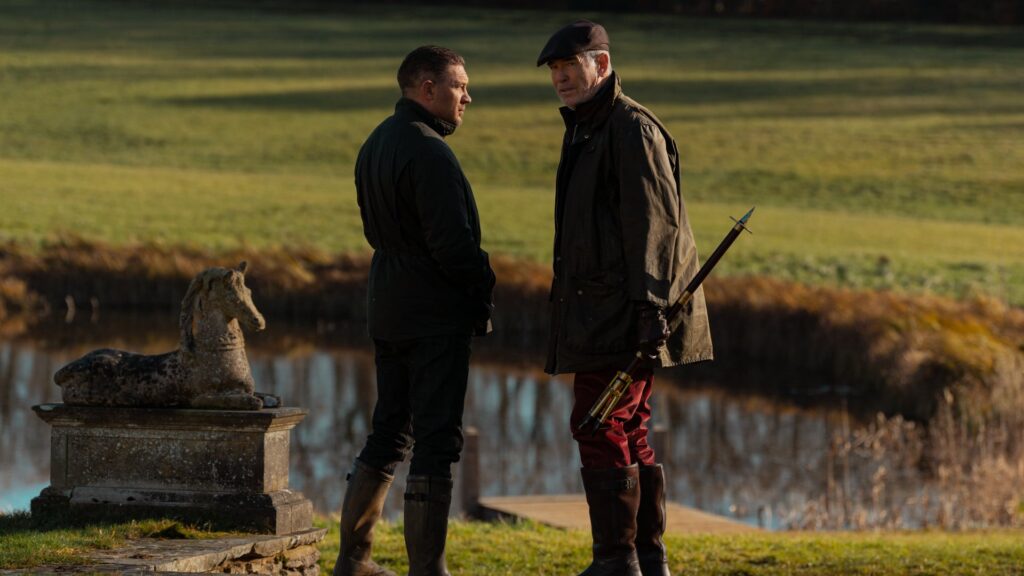
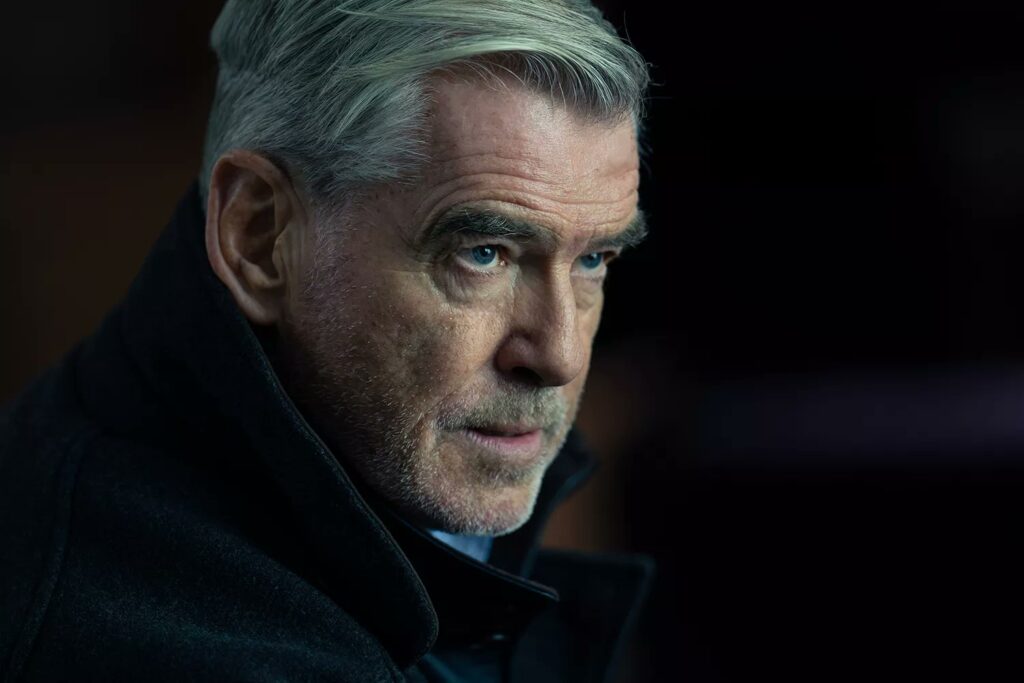
But you can’t say that about Ritchie’s new creation, the series “Gangsterland.” Even the casting deserves a separate discussion. In the foreground is Ritchie’s new favorite, Tom Hardy, who replaced Jason Statham and Jason Flemyng in this role. Not that the director feels a special attachment to him, like Gaidai to Demyanenko or Burton to Depp. But it’s undeniable: Hardy is the ideal candidate for the criminal symphony the director celebrates. In the same league is the ubiquitous in recent years Pierce Brosnan, who has spiced up his Bond charm with a touch of psychopathy. And, of course, the magnificent Helen Mirren as the boss’s wife—a true Lady Macbeth who always has the last word.
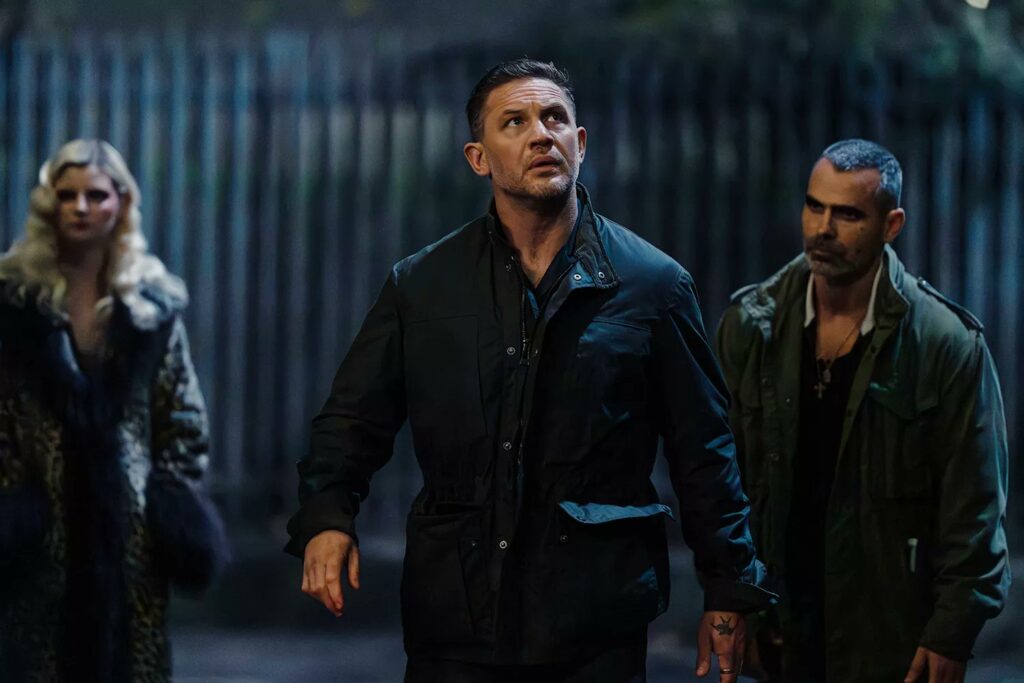
The main feature of “Gangsterland” is the meticulous depiction of routine gangster life. Hardy’s character is not the elegant Mr. Wolf from “Pulp Fiction,” but rather an exhausted clerk, only instead of paperwork he has to deal with corpses and bribes. He spends a huge amount of time and energy resolving endless problems for his gang. And they can be very different. Get the mafia boss’s son out of jail? Call Harry. Find a rat in the gang? Call Harry. Get rid of a body and restore order? Him again. He spins like a hamster on a wheel every day.
The only refuge—his own home—turns out to be no better than work. His wife is preparing for a divorce, and the police are already banging on the door to give Harry another unpleasant evening at the station (from which, however, he will be out in a couple of hours, generously paying off his lawyer). In this respect, his life differs little from the daily grind of a white-collar worker or a construction foreman. Except instead of corporate parties, there are shootouts, and instead of a bonus, there’s the risk of getting a brass knuckle in the face.
In “Gangsterland,” Ritchie’s recognizable style still pleases the eye: a multitude of colorful characters and intersecting storylines, each with their own heap of problems. Add to that the mundane, unromantic underside of criminal London, a rich Cockney accent, generous doses of profanity, and signature humor. True, this time the jokes are much darker, and with an inattentive glance, they can simply go unnoticed. It feels like the director gave up and didn’t want to dilute the harsh gangster reality with funny anecdotes. As the world is, so is the humor.
Even the soundtrack in “Gangsterland” once again emphasizes Ritchie’s gloomy mood. The director’s beloved soul compositions have been replaced by the hard rhythm of The Prodigy, and the main soundtrack was composed by Muse frontman Matt Bellamy. Along the way, echoes of Michael Mann’s early works seem to slip into the frame (especially his famous “Thief” flickers distinctly), and this is no coincidence. The showrunner of the series is Ronan Bennett, who previously worked with Mann on the film “Public Enemies” and knows the laws of the streets firsthand.
In short, working for the mafia is very hard—the British director emphasizes. You need to be on call 24/7, and there’s no insurance or union here. As the joke goes: they gave you a gun—now figure it out yourself.
Comments
0No comments yet.
Sign in to join the discussion.