


In wide release is the crime comedy by Vladimir Zinkevich “Where’s Our Money?”. What surprises the new creation about the eternal 90s and what is its main failure - in our review.
It would seem that the series “Outsource” and “Combination” should have put a fat end to the theme of the 90s. But no — creators are stepping on the gas again, recycling the same plots, drawing inspiration from this gold mine, which is apparently far from depleted. Each new such product brings increasingly grotesque versions of “daring” stories — from glamorous gangster sagas to parody films about the era of free enterprise.
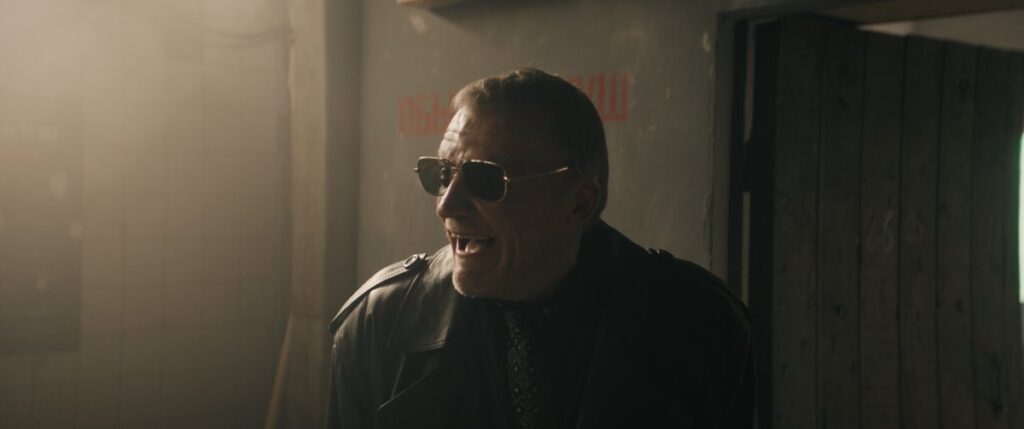
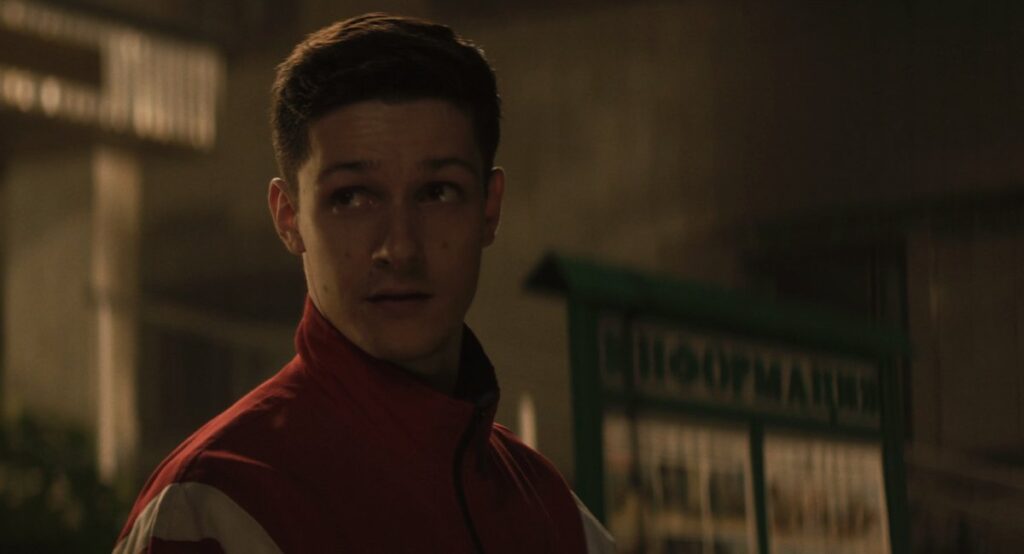
The latter includes the new film by Vladimir Zinkevich (“Spice Boys”, “Welcome to the Family”, “Swing”) — “Where’s Our Money?”. A rollicking, cheerful, but largely limited black comedy about how three street guys: Nauka (Kuzma Kotrelev), Guba (Alexander Tarasov), and Kolyuchiy (Andrey Maksimov) decided to break the bank (literally destroy it) and get a million for nothing. Naturally, the heist goes awry, and instead of the stated million, twenty-five disappear from the bank. And now the guys from the neighborhood are being closely watched by the criminal investigation operative (mustachioed Alexander Golovin), the gangster boss Pokryshka (infernal Alexey Serebryakov), as well as several other characters involved in the case, including Alexander Bashirov, who, like a necessary talisman, appears in the film for about two minutes.
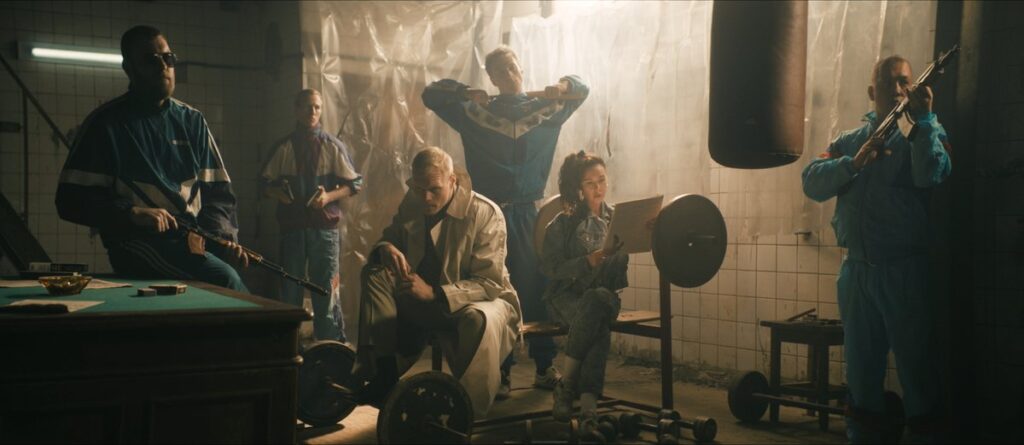
The reading of the cinematic code of the 90s in the film, which seems never fully deciphered, happens instantly. There is the trio of desperate guys in tracksuits, reminiscent of the bandits from “Zhmurki”, the kettlebell to which suspects are chained in the operative’s office from “Streets of Broken Lanterns”, the predatory BMW from “Boomer”, and even characters from “Beware of Modern”. And the character nicknamed Terminator (as always convincing Vladimir Sychev) speaks for himself. There is much more here, but with the hurricane editing, you can’t see everything. Somewhere, what you see will give you a pleasant pang in the chest, somewhere you can smile nostalgically. But you can’t shake the feeling that everything shown on screen has been flashing before your eyes more than once or twice lately.
And all because the film, frankly, is derivative. You can feel the influence of Balabanov, Tarantino, and Ritchie, but permanent imitation of these directors becomes a sign of bad taste, and comparisons here are clearly not in favor of Vladimir Zinkevich’s creation. Although he doesn’t waste words and knows exactly what he’s talking about in his film. The endless multi-layered plots, oversaturation of characters, and deliberate clip-like imagery are more tiring than captivating. Even post-irony (and in this case even post-post-irony) doesn’t save it: on screen is more of a comic book than a movie, and a comic book that has been flipped through dozens of times.
The only thing that slightly enlivens the narrative is a couple of funny details from the main characters’ past. For example, the boxer nicknamed Kolyuchiy, who previously trained as an excavator operator, or the “fatal beauty” (Natalya Bordo), who once worked in a store and boasted about “decent money” until the wild 90s scattered everyone into new roles. The excavator operator turned to banditry and started breaking jaws. The store closed, and the saleswoman ran off with an Italian.
If the film had broken into the series field and gotten more space, perhaps the idea of how an honest worker is forced to use previously acquired labor skills in crime would have been brought to the forefront by the director. Then the work would have gained dramaturgy and, perhaps, some appealing ambition, a prospect for more detailed discussion and analysis. But instead, Zinkevich only accelerates the narrative, irrevocably loses characters, confuses with unnecessary details, and frankly chews the finale like a broken VCR, leaving no chance to look at the picture a little more closely.
Alas, “Where’s Our Money?” is yet another passable film about the 90s that tries to seem cooler than it actually is. Ultimately, the film evokes neither laughter nor sadness, nor any other emotions except mild disappointment. The attempt to play with postmodernism, to shoot and edit “not like everyone else,” did not produce the desired effect; rather, it made one recoil.
The very appearance of such genre films as “The Last Ronin”, “Bablo”, “Everything Everywhere All at Once” creates drive, develops and enriches the B-category, making niche cinema increasingly noticeable and memorable. But in the case of the comedy “Where’s Our Money?”, everything is too simplified, turning into a short paraphrase of the logic of the 90s, where there is only room for funny pictures, giggles, and chuckles. And perhaps the question “Where’s our money?” would be more appropriate in the minds of viewers leaving the cinema.
Comments
0No comments yet.
Sign in to join the discussion.