
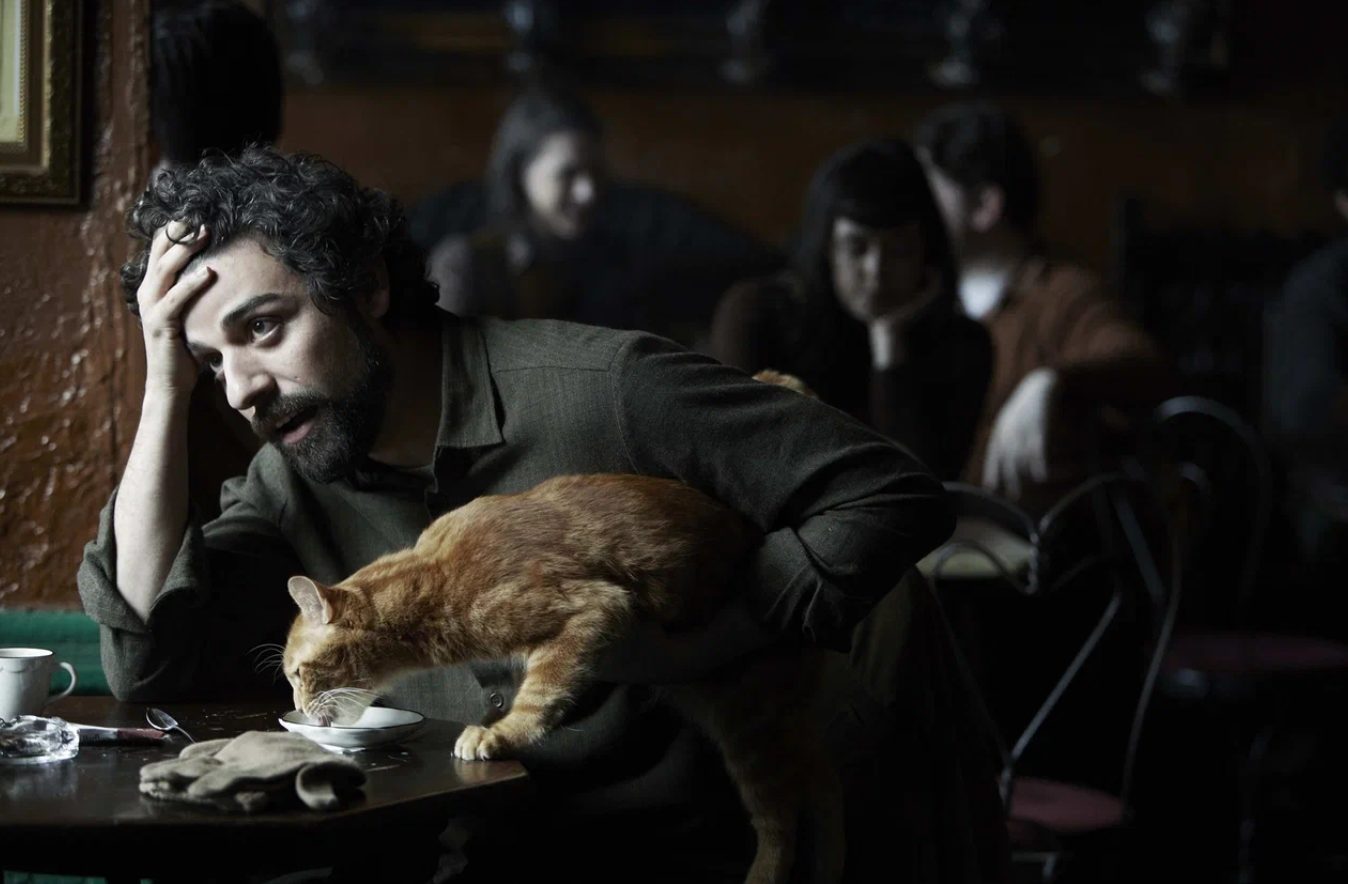
The Coen brothers' musical drama 'Inside Llewyn Davis' has been re-released, having garnered three Golden Globe nominations. We explore whether anything was found inside the hero after a baker's dozen years.
At night, Llewyn Davis (Oscar Isaac) hides behind clouds of gray smoke in the matte darkness of bars. By day, he makes the rounds of acquaintances and friends in search of a place to sleep. The foundation of his personality and endless complaints is the work of his life — music. But even here, things are not going smoothly: from his first record — the remnants of former greatness — Llewyn isn't paid; from his second solo album, the studio itself doesn't get paid, as it turned out to be a flop. An old man in a caricature of an antique office sympathetically pats the young genius on the shoulder and hands him forty dollars.
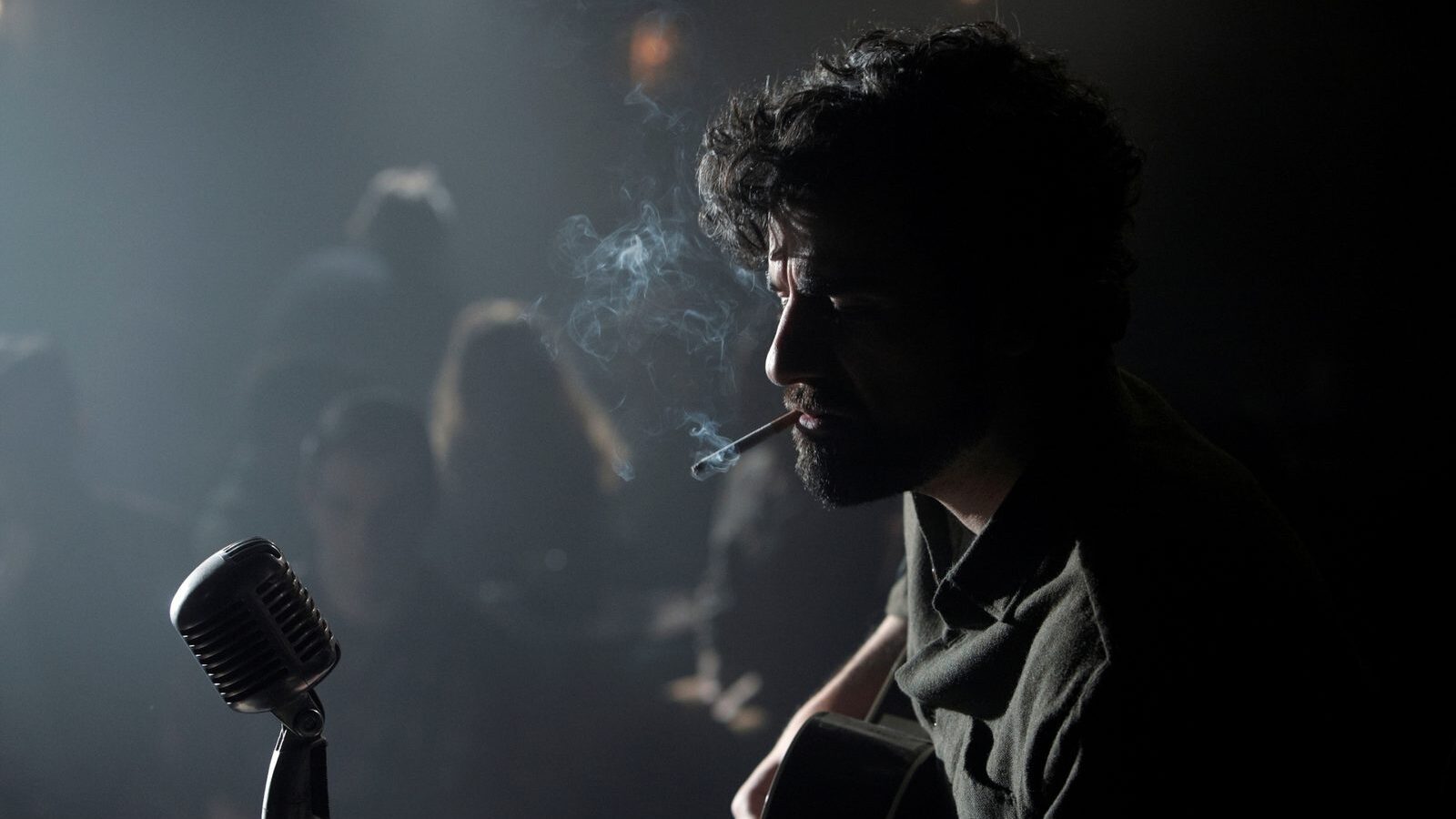
Poverty is not as much of a problem as the timelessness into which the Coen brothers once again mockingly plunge their hero. The sixties in this film are probably only discernible in the ironic song about Kennedy and space (after all, it's the race to conquer the unknown). But New York is always unmistakably recognizable, with its professorial intelligentsia in knitted sweaters, bohemians, and poor musicians endlessly hanging out at the bar. Place is more important here than time. And time is very relative.
It's hard to say exactly how long the musician's gloomy journey took. But that it won't end after the credits and will repeat itself is certain. The circular structure not only hints at all-encompassing hopelessness but also solves the main riddle of the sphinx, kindly placed in the title.
At first, it seems that Llewyn is just a thirty-year-old failed musician who weakly flounders in joyless everyday life. What can you do, fata viam invenient. But the martyred appearance is deceptive. These are not the languid eyes of a wandering poet, but a look full of bilious irony. This is not poverty for the sake of a higher purpose, but immense pride. This is not forced loneliness, but arrogant renunciation of those around him.
Calling him an unrecognized genius doesn't work either — he is just one of many kouroi, distinguishable only upon close inspection. It's no coincidence that the Coen brothers chose folk music: medieval legends mixed with bacchantes and stories of death can say little about the performer himself. There is no soul of Llewyn Davis in his songs. There is no him in these songs at all.
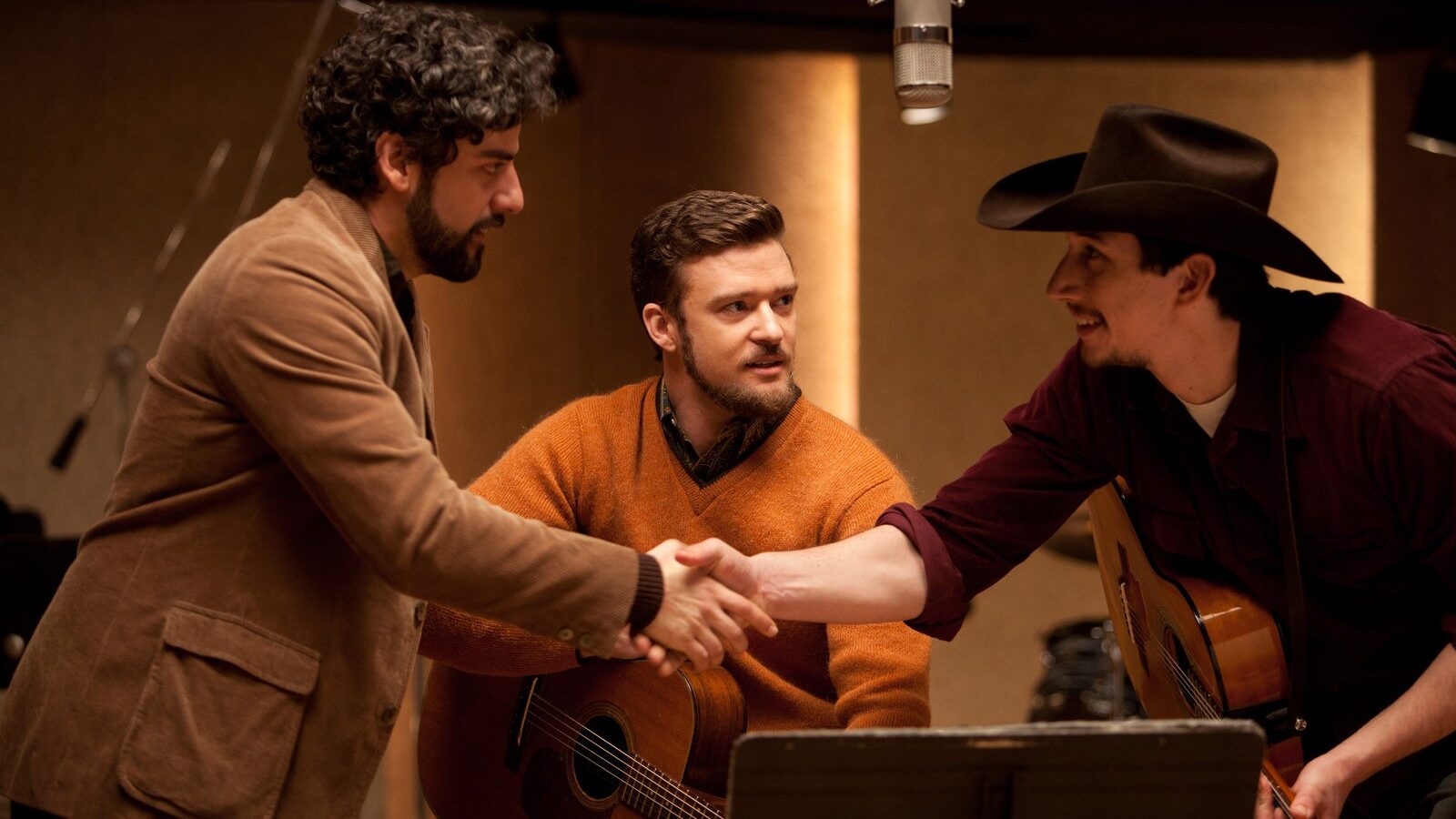
Llewyn meets a dozen other characters on his path, and it is much easier for the viewer to understand them than to try to figure out the cold emptiness of Davis's barbs. Jean (Carey Mulligan), who spews insults and flies into a rage at the mere sight of our unlucky musician; her calm friend (Justin Timberlake); an old junkie (John Goodman) who loves jazz and despises folk, and his young sidekick with a perpetual cigarette in his teeth — all of them turn out to be more alive than Llewyn. They are filled with fleeting desires, strong emotions, a thirst for revenge, grief over a dead son. And Davis huddles behind caustic cynicism, hiding inner emptiness.
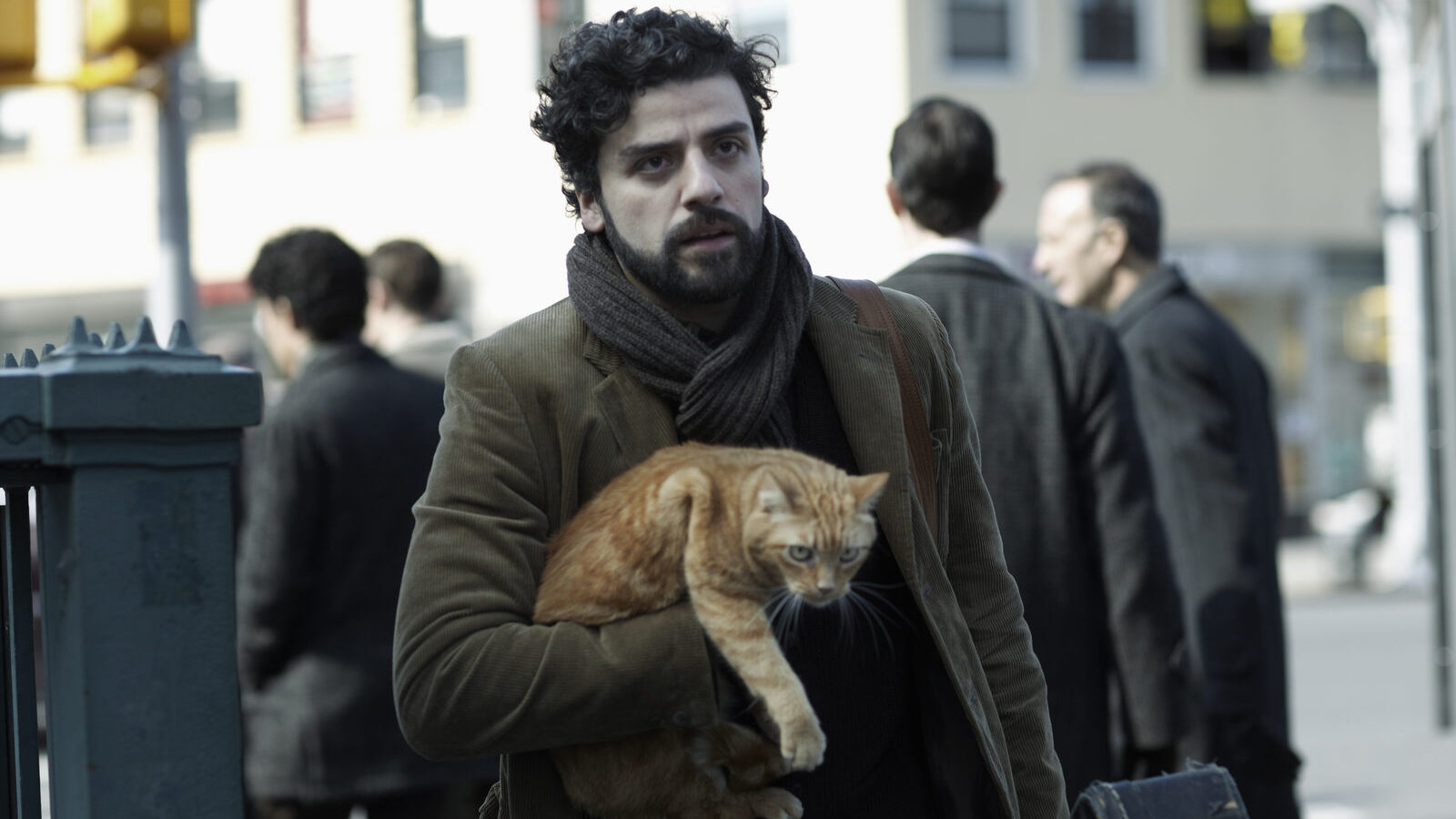
The Coen brothers take away their hero's last chance at greatness even in conversations and gossip about him. Llewyn's journey through other people's apartments (following a beloved unspoken tradition) could be compared to the Odyssey, but the title of King of Ithaca is snatched from under Davis's nose by a ginger cat named Ulysses, who traveled a considerable distance through the alleys of New York to return home.
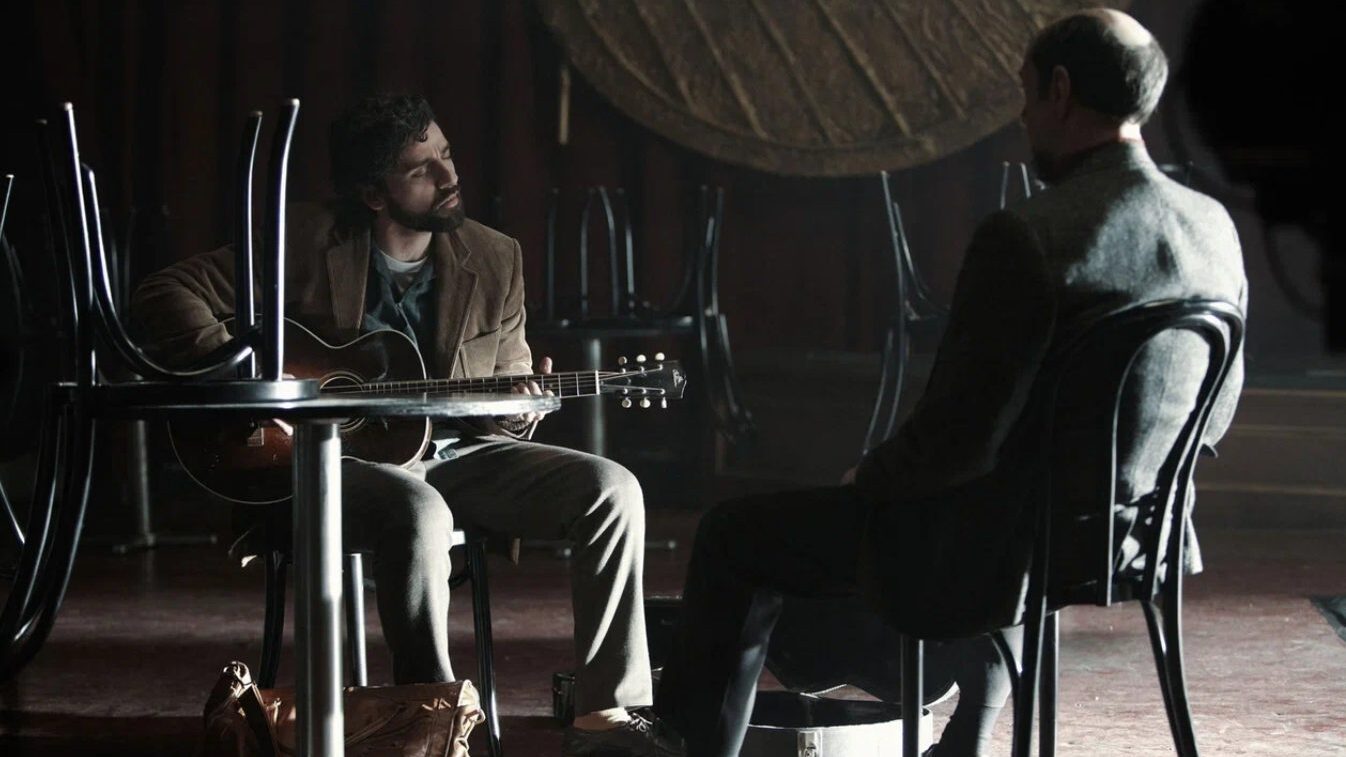
The film 'Inside Llewyn Davis' could have been an extensive anatomy of a little man, in the manner of Chekhov or Gogol, with a touch of ancient Greek tragedy motifs and an admixture of postmodern ruthless irony. But while the metronome of tempo beats time and Llewyn combs through the nooks and crannies of his biography, it turns out that this biography lacks the main thing — the hero. Like in Peter Schlemihl, those around him sense the absence of something important in Llewyn Davis. He is filled with the thick matte darkness of bars, absorbing the inner and leaving only the outer, visual reflection of a man with a sad gaze and a captivating voice.
Comments
0No comments yet.