
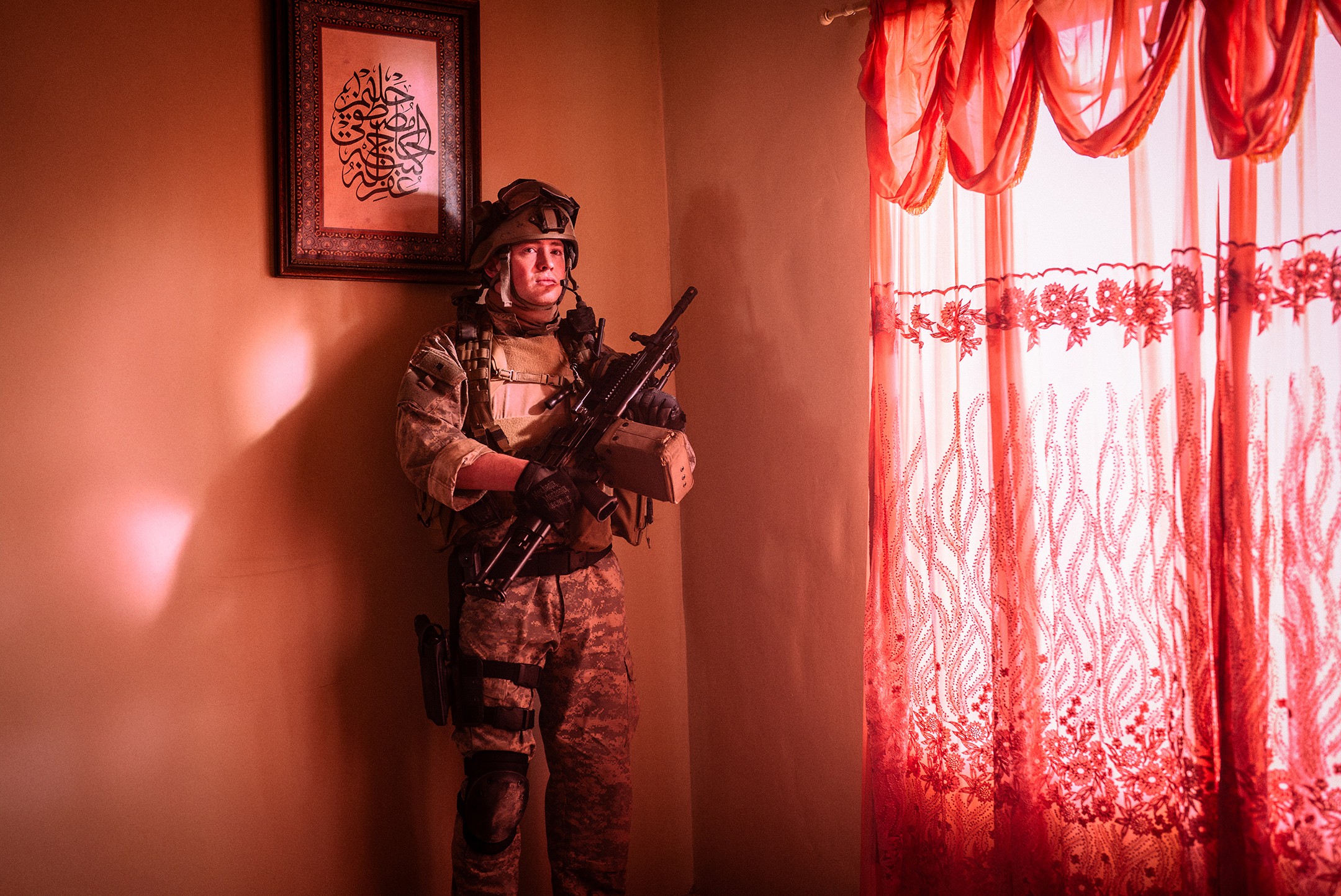
The film "Warfare" by the screenwriting-directing duo of Ray Mendoza and Alex Garland is being released in Russian theaters by the company "Volga." Abroad, the film is distributed by A24, known for its indie releases and genre playfulness. And so the...
The plot of "Warfare" tells of a brief sortie by a Navy SEAL platoon into a war-torn city in Iraq in 2006. A squad of several soldiers and two interpreters, in the silence of the night, seize a two-story building and capture its inhabitants. There they set up a base for surveillance of the enemy.
The Calm…
The directors do not reveal the mission's objective; we are immediately plunged into the maelstrom of a single day's events. And the immersion is comprehensive: both visually and audibly. The camera, under the direction of David J. Thomson, follows the characters and never leaves the confines of the room they occupy. We see the enemy only through the heroes' eyes: through a sniper scope or as moving dots on a drone's radar. Long continuous shots of 5-10 minutes allow us to feel inside the film, as if we are right there with these soldiers in the house on the second floor.
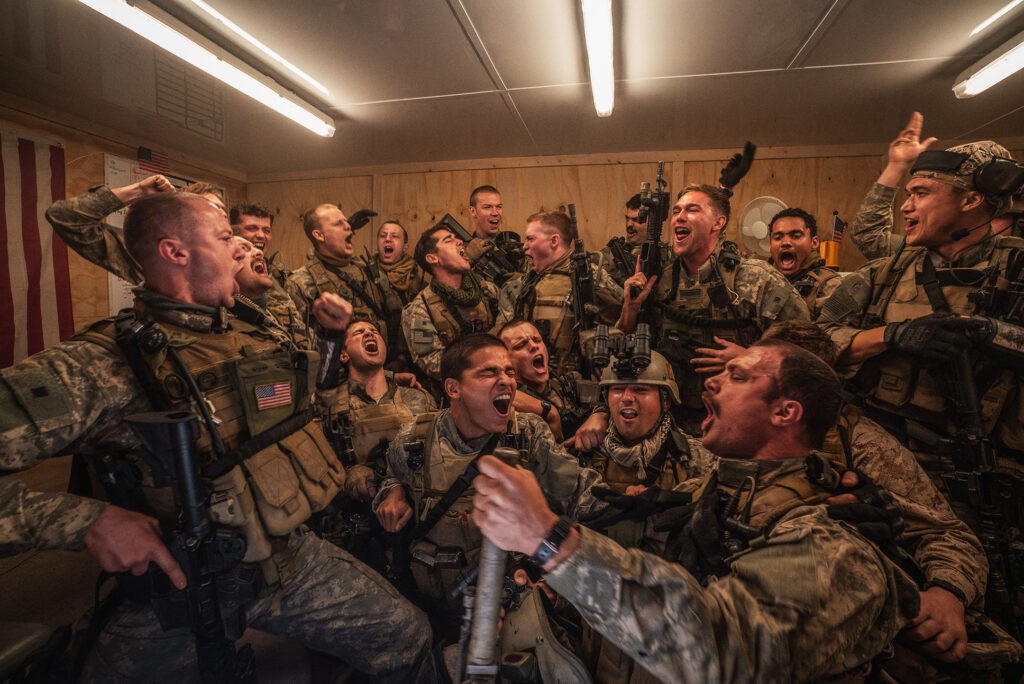
The sound design of the project also works perfectly for this immersion effect. We hear music only in the opening scene, when the infantrymen watch the music video "Call on Me" by Swedish DJ Eric Prydz. The next half hour of the film unfolds in silence and anxious anticipation. The soldiers lie low and conduct surveillance. In such moments, all senses are heightened, and the rare sounds that reach the ear are much louder than in everyday life: a dog barking, muffled bursts of gunfire, the roar of passing fighter jets. We will spend the rest of the film fully immersed only in the sounds that surround the characters.
Mendoza and Garland do not burden us with getting to know the characters' pasts: no one talks about their civilian life, no one shows photos of loved ones. On the mission, they simply perform their tasks matter-of-factly. The radioman (D'Pharaoh Woon-A-Tai) transmits data over the radio, the commander (Will Poulter) writes something in a notebook, the sniper (Cosmo Jarvis) watches the enemy, the lieutenant (Michael Gandolfini) monitors movements on the drone screen. In this atmosphere of calm before the storm, we can take a closer look at the heroes. Yes, we know nothing about the characters' backstories, but we see their interactions. How they joke with each other, communicate silently with just glances, show support, instantly relieve a comrade at a post—all these are strokes that help build an image of the hero in our minds. We won't be given more; soon a reminder will crash down on us that the heroes are at the epicenter of military events.
Contact
When a grenade flies through the second-floor window, it seems the infantrymen are moving so slowly that in any other film on the subject they would have been killed ten times over. But "Warfare" is not like others. We are watching a reconstruction of events assembled from the memories of actual participants in that 2006 Iraq mission. A realistic reconstruction, unburdened by the cinematic quality of standard war films. Ray Mendoza took part in that sortie. He wanted to recreate the events of that day, and Alex Garland supported his idea. They became friends during the filming, where Mendoza was the military consultant for combat scenes. Piece by piece from the memories of fellow soldiers, the director reconstructed that horrific day. He presented the viewer with a realistic account of the horrors experienced by a disoriented and confused soldier under fire.
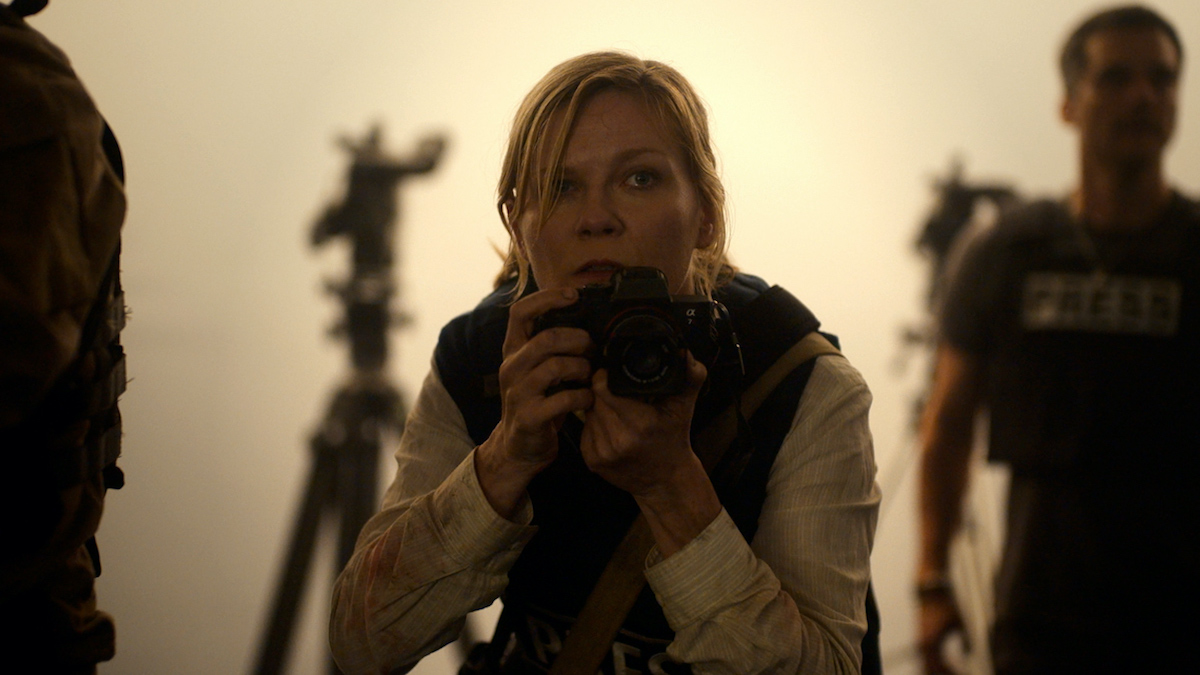
In theaters, you can still see the decline of Western civilization through the eyes of one of the most fashionable independent directors of our time, Alex Garland. About why "Civil War" is an interesting...
Open material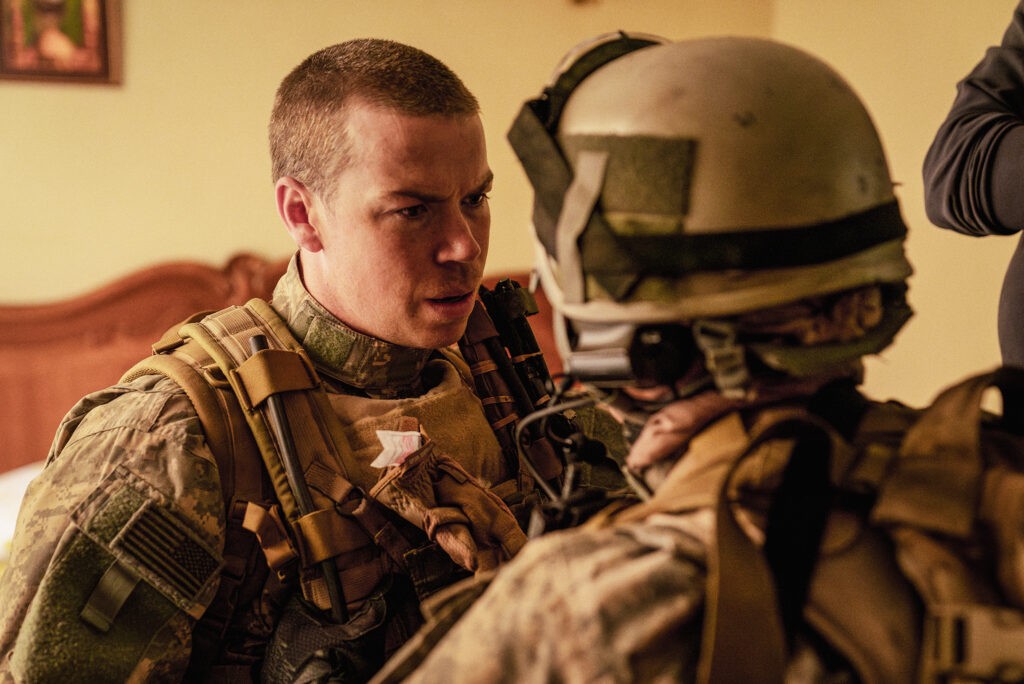
The first reaction when you come under attack is to act on adrenaline, run, shoot. But our heroes are maximally composed, following protocols. They need to grab their gear bags, collect all equipment and ammunition. After all, in combat conditions, your weapon is your best friend; losing it is tantamount to death. They must report over the radio to several units at once, request assistance, and coordinate their actions with other squads. The tension persists even in such moments. The screen doesn't necessarily have to show shots and explosions. Sometimes, simply standing by a window, or a scene where a hero slowly wipes a layer of dust from a window frame, is filled with the same horror and fear as moments with combat scenes.
This tension presses you into your seat. At first, you worry whether the wounded will be evacuated in time, and a few scenes later, you're concerned whether anyone from the squad will survive at all. Throughout the film, there are several situations where you curl into a ball, expecting a hero to die. And then you're released; the soldier is safe and sound, you feel relief, but then an explosion on screen shocks you, and all you hear is the ringing from the just-detonated shell. And so it goes for the entire film. Mendoza and Garland play with our expectations and our sensory perception. Everything is like in reality—it's impossible to predict what awaits you around the corner.
Smoke and Blood
And even when deafened by a grenade or wounded in the arm, each soldier is focused on their task, performing every action like a well-rehearsed dance. They are experienced fighters of an elite unit, but at the same time, we see how young they are. It was important for the directors to assemble a cast such that the viewer could not doubt that mostly young men are sent to war. And the actors, carefully selected by the directors, play roles completely new for themselves and the viewer. D'Pharaoh Woon-A-Tai, who played Ray Mendoza, is no longer the mischievous teenager from "Reservation Dogs." There is no trace of Miller's comedic nature on Will Poulter. Joseph Quinn is no longer that rebel with a guitar. And Cosmo Jarvis has left behind the expression of constant bewilderment from "Shōgun". They became so close during the filming of "Warfare" and immersed themselves in their roles that they can no longer be separated from the real heroes they portrayed on screen. This is brotherhood; they are a single entity, acting as one cohesive organism.
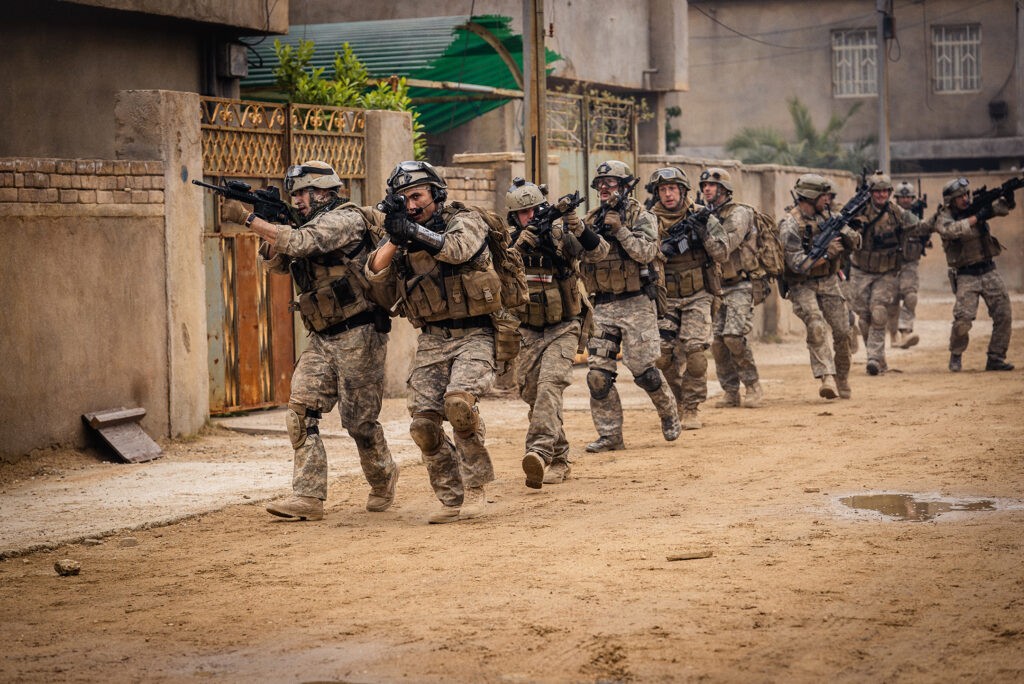
The film lasts only 95 minutes, but in moments when they show the agony of the wounded or shattered leg bones framed by bloody flesh, its duration increases four hundredfold. You want to look away or close your eyes, leave the hall, but your body treacherously disobeys. You are immersed in this reality; you are there, in the thick of events, together with the squad of fighters. To reinforce this feeling of horror and numbness, the cinematographer again and again returns us to the mangled insides of a soldier, or severed limbs scattered across the street. You can only breathe when the frame switches to the drone's surveillance screen. But even in such moments, we still hear what is happening with the squad. The directors do not romanticize reality, and if there are no breaks in real combat, then the viewer will not get any either.
"Warfare" tries very hard to be unlike other war films. This is something the directors have repeatedly emphasized in numerous interviews. This is what the actors talk about on various shows. And then, at the end of the film, we see an inscription on the screen: "For Eliot." This is not a film about war; it is a memory, meticulously assembled piece by piece, and addressed to a dear fellow soldier who missed part of the events of that day while unconscious. It is a reminder that there is also such a reality from which there is no way to turn away, as when watching a film.
Comments
0No comments yet.
Sign in to join the discussion.