

In wide release is the sequel to the pedagogical poem "Batya," in which young Maxim goes to the village to his grandfather. About how the grim 90s transform on screen into a cozy rural pastoral — in our review.
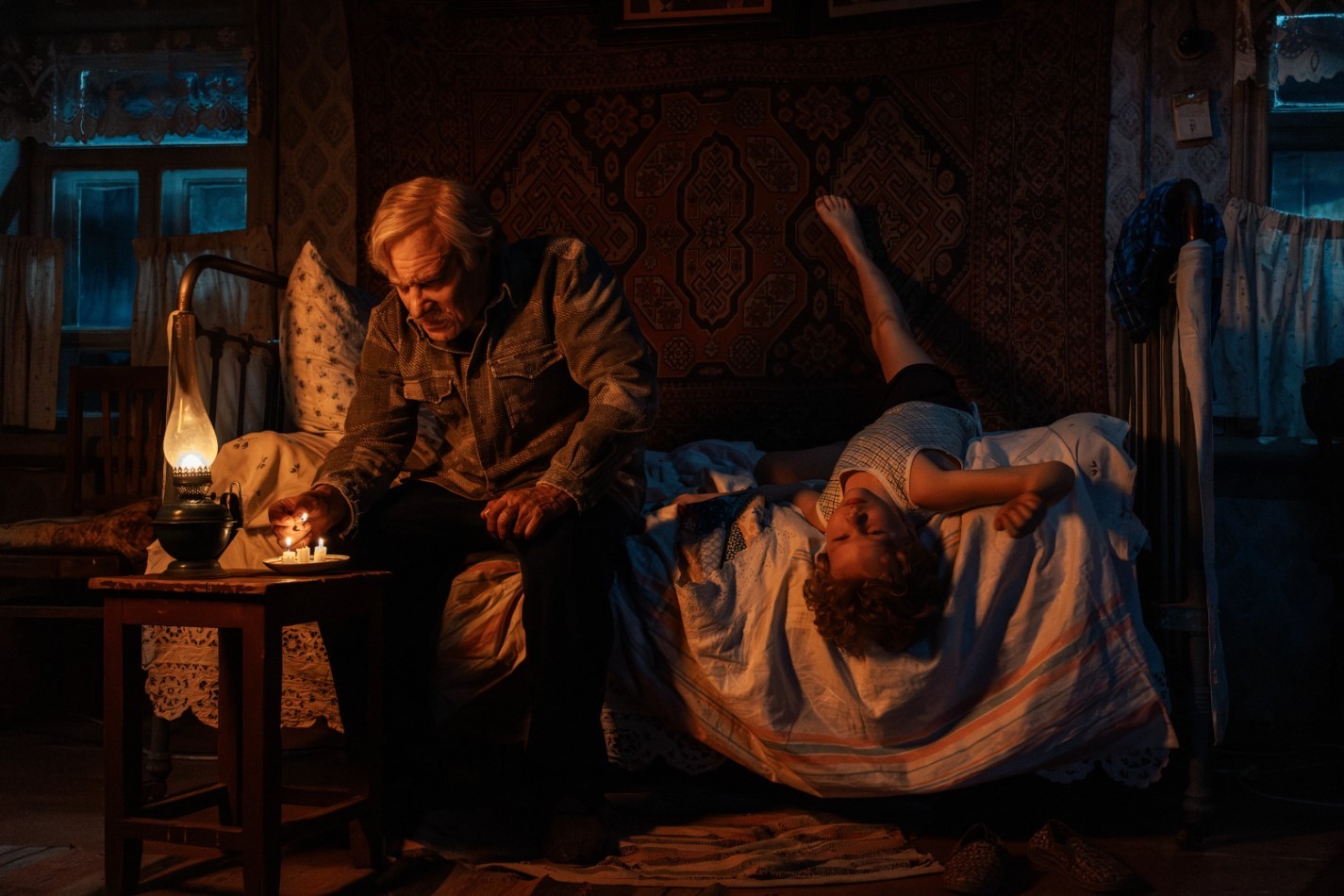
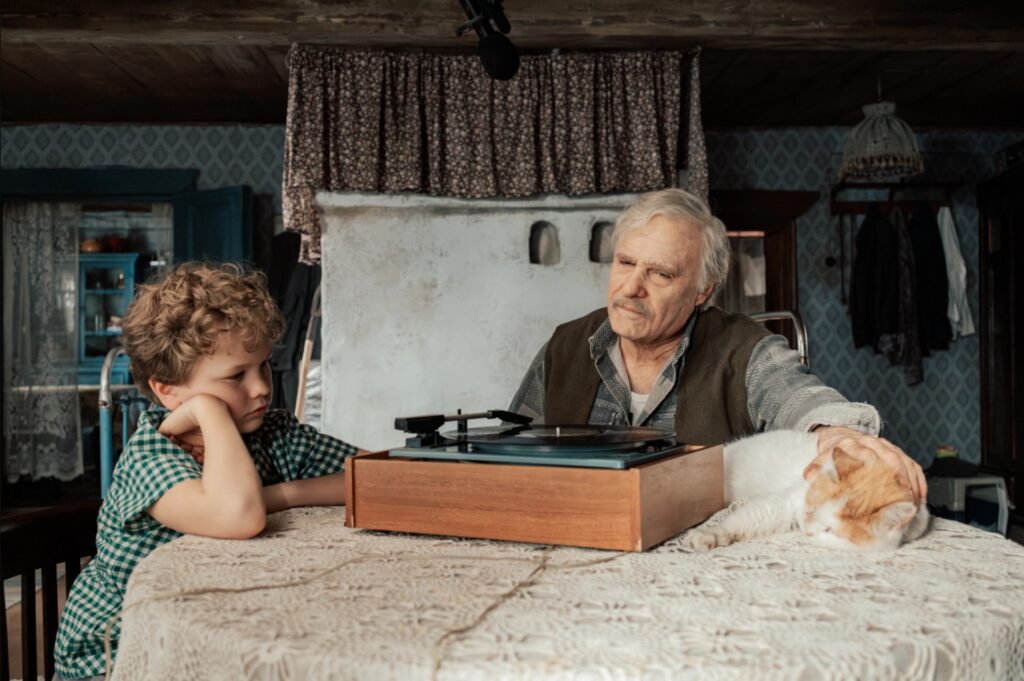
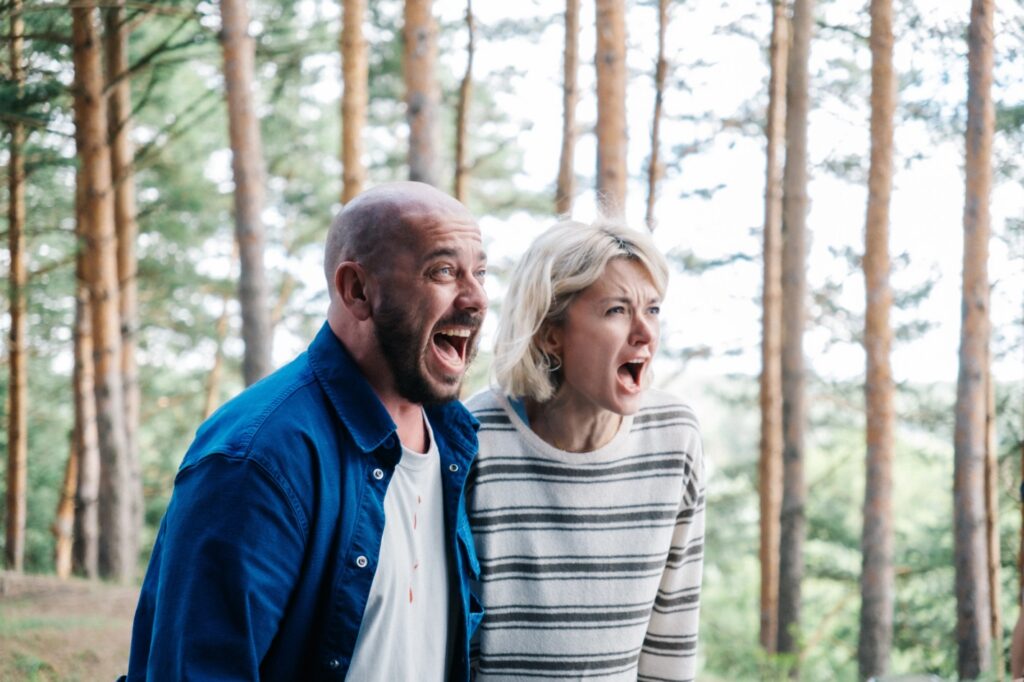
Max (Stas Starovoytov) is almost divorced from his wife (Nadezhda Mikhalkova) and recalls a period from his childhood when his dad (Vladimir Vdovichenkov) faced similar problems and sent young Maxim (Andrey Andreyev) to the village to his grandfather (unrecognizable in makeup Evgeny Tsyganov). So he wouldn't get in the way and get upset unnecessarily. Granddad is more expecting death than his grandson, but warmly welcomes Maxim and introduces him to simple rural life, while giving advice for the future.
The new "Batya" follows the plot rails already proven in the original: it's a series of short, funny (but this time every other one) sketches that will be completely understandable to millennials. But for the younger generation, each action of the grandfather will require more attention. According to the authors' plan, they need to explain why fathers and grandfathers are the way they are. But overall, it's the same story where a gloomy man with a kind heart raises another gloomy man with an even kinder heart.
Passing on not only life experience accumulated during the perestroika 80s and hastily acquired in the turbulent 90s (to which the difficult 40s and 50s are also added), but also the accompanying traumas, which the characters don't so much prefer not to think about, but simply aren't aware of, firmly believing that in harsh times, extra sentimentality won't help you survive. But a firm slap on the back of the head or wise worldly advice guarantees overcoming any difficulties. Women are again practically excluded from this equation. As we remember, dad got divorced, and Max's grandmother died early.
But this therapeutic effect doesn't last long. And now adult Max desperately needs the help of a family psychologist to digest all this traumatic experience and deal with the problems that overtook him at the age his father was when Max himself was seven. That is, a situation painfully reminiscent of the famous meme: "the man in the smoky Lada cabin, listening to Sektor Gaza on cassette, is no longer dad, but you." However, his advice is no longer particularly relevant, and Max simply has no other advice.
The third in this intergenerational link is young Max's grandfather, brilliantly played by Evgeny Tsyganov. His methods of upbringing are even harsher than dad's, but all sharp edges are smoothed out by the new texture. The filmmakers moved the setting to a big, warm village summer, and this pastoral simplicity somehow softened the grim reality of the 90s (only an old TV reminds of them) and at the same time became the main engine of humor in the film. Adult Max in the modern storyline was no longer in the mood for jokes, so their number decreased significantly compared to the original, and those that remained were outrageously revealed as early as the trailer stage.
And in general, the first half of the film turned out somewhat chaotic. The emotional thread connecting Max in childhood and adulthood suddenly disappeared. If in the original Stas Starovoytov himself told about his memories, which were then projected onto his past and entirely depended on a specific life situation, then in the sequel this narrator unexpectedly became Nikita Sergeyevich Mikhalkov (who mysteriously disappeared in the middle of the film), and the plots themselves lost that very coherence and consistency. By the middle, it more or less straightened out, but mainly due to new short episodes about the grandfather's youth. They are perhaps the main decoration of the film and even deserve a separate spin-off.
In them, Evgeny Tsyganov — a romantic man with an eye patch — searches for his beloved (whom he only knew by name) across the entire Soviet Union. In these short scenes, the film's directors demonstrated a sincere love for the visuals of iconic and genre Soviet cinema: from Elem Klimov's "The Cranes Are Flying" to Eldar Ryazanov's "Girl with No Address." This slightly aesthetic gesture smoothly integrates into the story, like a puzzle piece, without interfering with the main lines, and in some ways only emphasizes them.
Despite some rough edges, the film ultimately achieves its goal: the viewer's heart fills with kindness, and there is a feeling that you have just talked with a loved one. The necessary level of coziness is provided by the warm atmosphere and a strict but very soft-hearted grandfather, who, unlike dad, taught his grandson not to survive, but to love. One and only. Until death. And it seems he succeeded.
Comments
0No comments yet.
Sign in to join the discussion.