

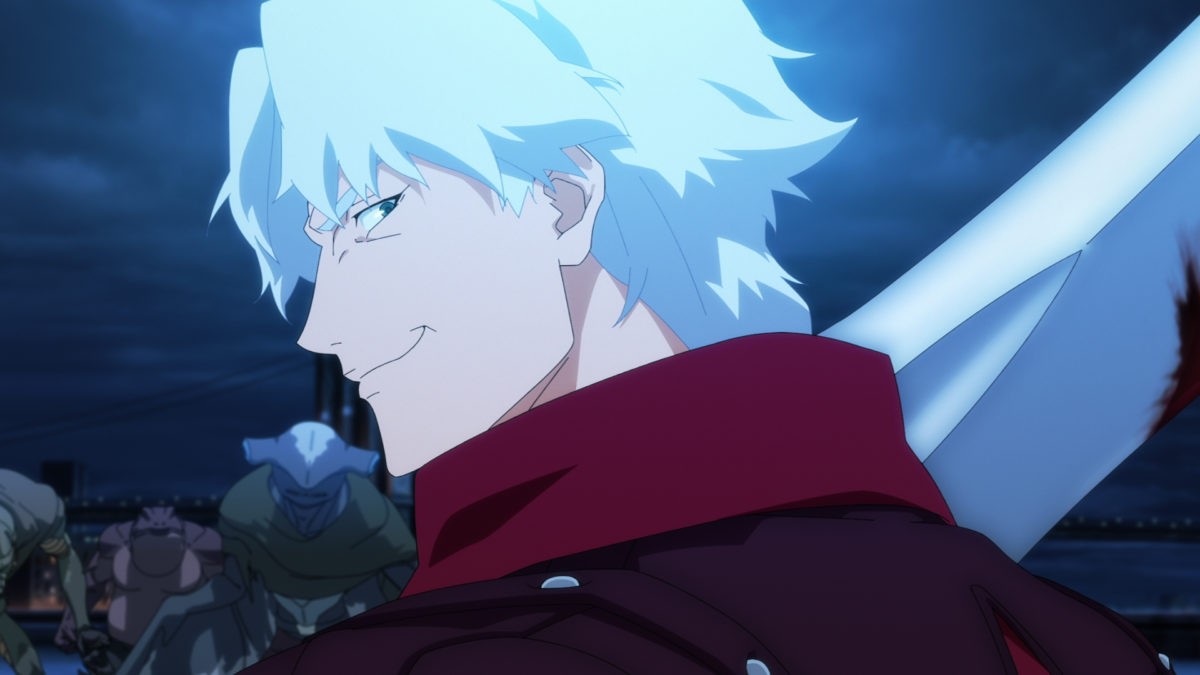
On April 3, the animated series Devil May Cry premiered on Netflix. The show, based on the popular game series, contains quite a few changes in characters and storylines but retains the spirit of the original early 2000s. It is a kind of reboot that...
Devil May Cry is a project created under the direction of Adi Shankar (known for 'Castlevania') and his co-author Alex Larsen ('Captain Laserhawk: A Blood Dragon Remix'). The series is a bold interpretation of the cult franchise, where the authors masterfully combine elements not only from the original Capcom game series but also from the manga and other supplementary materials of the universe.
Dante: A Hunter with a Demonic Past
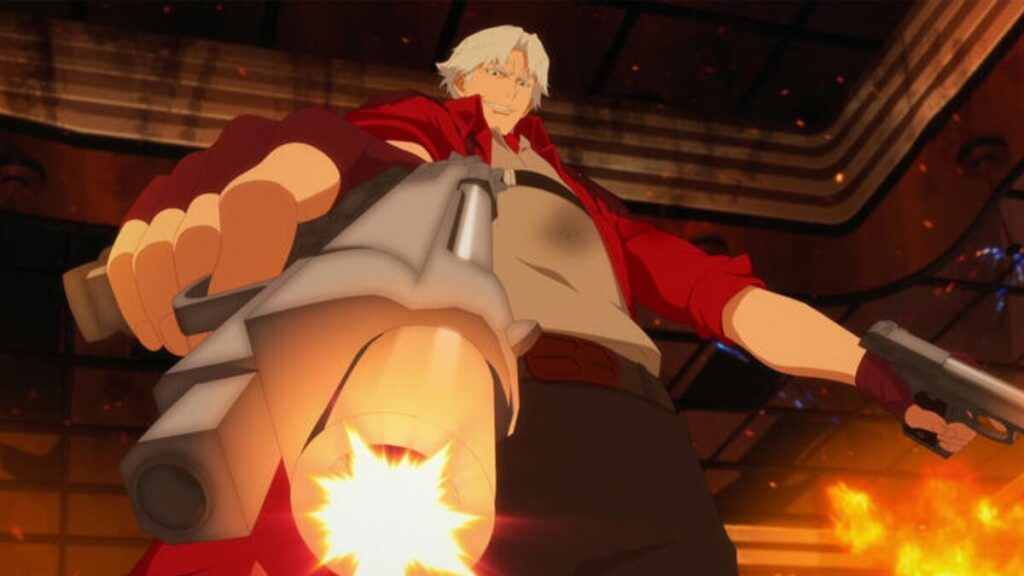
We are told about the hunter Dante, whose routine involves killing bloodthirsty monsters. He is the son of the powerful demon Sparda and a human woman, which makes him both strong and vulnerable. He has a twin brother Vergil, who rejects humanity through power, adding drama to the plot. Also appearing in the series are the demon hunter Lady and the mysterious White Rabbit, whose motives are not entirely clear.
Following the canon, Dante remains as sarcastic and charismatic as fans know him, but now viewers will also see his tragic side. The hero faces government conspiracies and fights demons who also have their own drama-filled stories. Additionally, revelations about his brother deepen the emotional depth of the plot. Unlike the games, the series pays more attention to the human world and the protagonist's backstory. Devil May Cry does not reach the heights of the main Netflix animated shows based on games, such as 'Castlevania' or 'Cyberpunk: Edgerunners'. But if the entire season were like the second half, which contains much more action and a crazy finale, it would easily stand alongside the best. Thanks to these episodes, any skepticism towards the project, based on its dull first episodes, turns, like a demon, into enthusiasm for the future of the series.
Not long ago, 'Arcane', based on the popular game League of Legends, concluded on Netflix. We explain why it claims to be the most outstanding animated series of the year.
Open materialVisual Style: Between Brilliance and Flaws
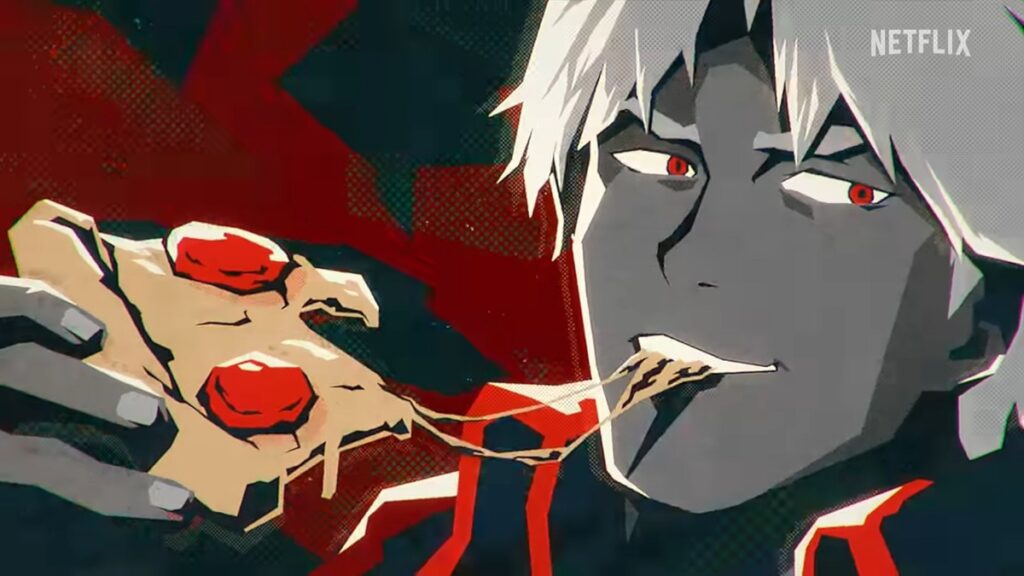
Studio Mir ('The Legend of Korra', 'DOTA: Dragon's Blood') has created a visually striking world with smooth fight animation and a dark atmosphere. The series retains the signature 'style' of the games—Dante fights demons to a rock soundtrack (Limp Bizkit, Papa Roach), and camera angles and slow motion emphasize the dynamics of the battles.
Fans of the franchise will surely notice that the series plays quite loosely with the canon: Dante remains eccentric, but Vergil's image lacks some mystery, and plot changes, such as delving into the White Rabbit's story, add new colors to the universe. This is not the Devil May Cry that was so eagerly awaited, but this approach may expand the audience, albeit at the cost of disputes among long-time fans.
The animation looks fresh, but the project resembles a superhero series from the 2000s more than an anime in its usual form. As for the 3D animation of demons, in this case, one can only remain meaningfully and sadly silent. We hope someday someone will master these technologies, but not this time.
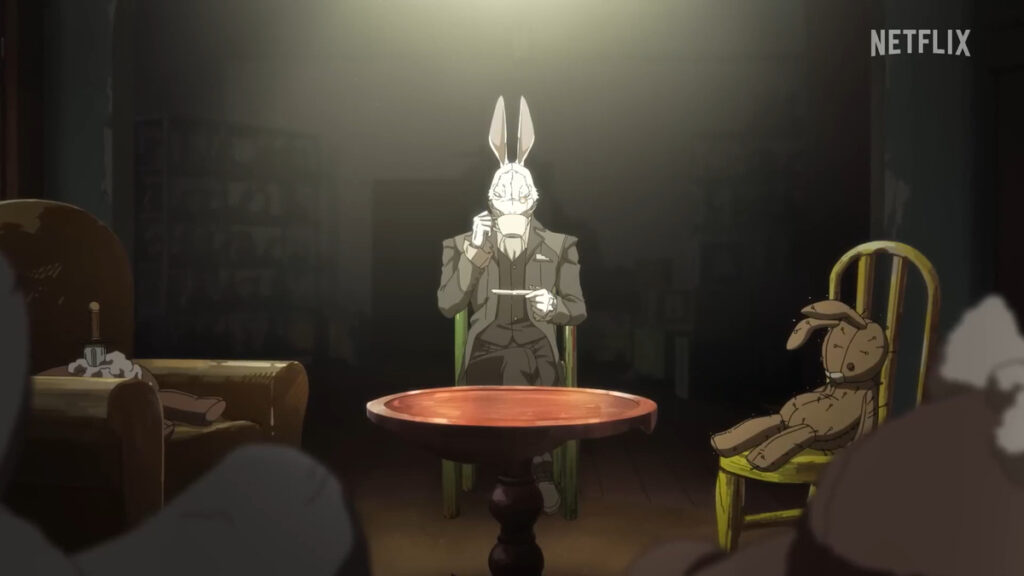
A real breath of fresh air was the sixth episode, handled by the French studio La Cachette ('Primal', 'Unicorn: Eternal Warriors'). It temporarily changes the visual aesthetics of the series, presenting the White Rabbit's story in a stunningly animated style with almost no dialogue. The meditative rhythm, restrained script, and shift in tone create a powerful contrast, raising the level of the entire season and leading viewers to a grand finale. Even if the other episodes look different, the very fact that Devil May Cry is capable of stepping outside the usual (when the story demands it) instills hope and fuels interest in the second season.
Depth Beyond Action: Critique of Society and Power

Beyond all this, the project raises acute socio-political themes that go beyond simple action about fighting demons. One of the central themes is the critique of power and corrupt systems: the US government is depicted as a structure ready to use demonic forces for its own benefit, and bureaucracy and inaction of official institutions force Dante to act outside the law, reflecting distrust of state mechanisms in crisis situations.
Religious motifs are reinterpreted through the lens of moral relativism—demons become a metaphor for human vices, and the mysterious vice prime minister, combining a demonic essence with political power, symbolizes the hypocrisy of elites using the rhetoric of salvation for manipulation.
Special attention is paid to the anti-heroic confrontation with institutions: law enforcement is shown as helpless against the threat, and Dante's methods, balancing on the edge of cruelty, raise the question of the admissibility of violating norms for a higher purpose.
The series also touches on the theme of dehumanization—ordinary people sometimes turn out to be worse than monsters, and the scene with an attempt to capture hell by humans completely overturns the traditional dynamics of the franchise, emphasizing that true evil can hide behind the facade of civilization. These elements, intertwined with the signature style of Devil May Cry, create a dark satire on modern realities, where demons and officials turn out to be mirrors of each other.
Darkness Worth the Candle
The creators did not just reinterpret the cult universe—they gave it a new life, where every demon in power is recognizable, and every shot at the system echoes in reality. And although the first season is over, the finale leaves just enough mysteries for the viewer to understand: this is only the beginning. Where is Vergil? What is the White Rabbit hiding? And most importantly—how far is humanity ready to go in its fall? The answers likely await us in the second season. Given that Netflix has already greenlit a continuation, there is no doubt: Dante will make the devil cry more than once. And perhaps these will be tears of joy for the fans.
Comments
0No comments yet.
Sign in to join the discussion.