
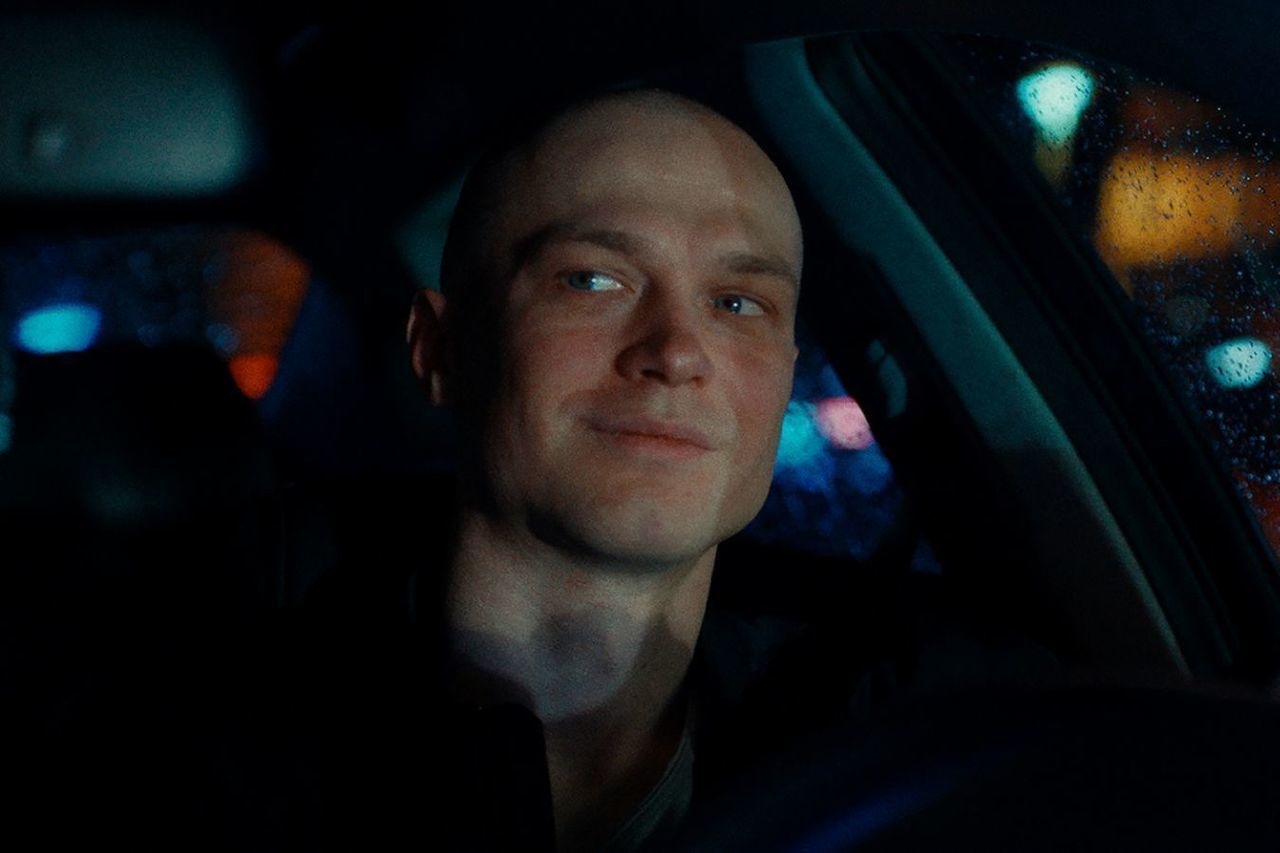
The recent success of Russian actors at the Cannes Film Festival and the Oscar awards raises the question: have similar stories happened with our compatriots before? The answer is concise: they have, and today they more than ever demand publicity.
The Crew of the Ship «Albatross»
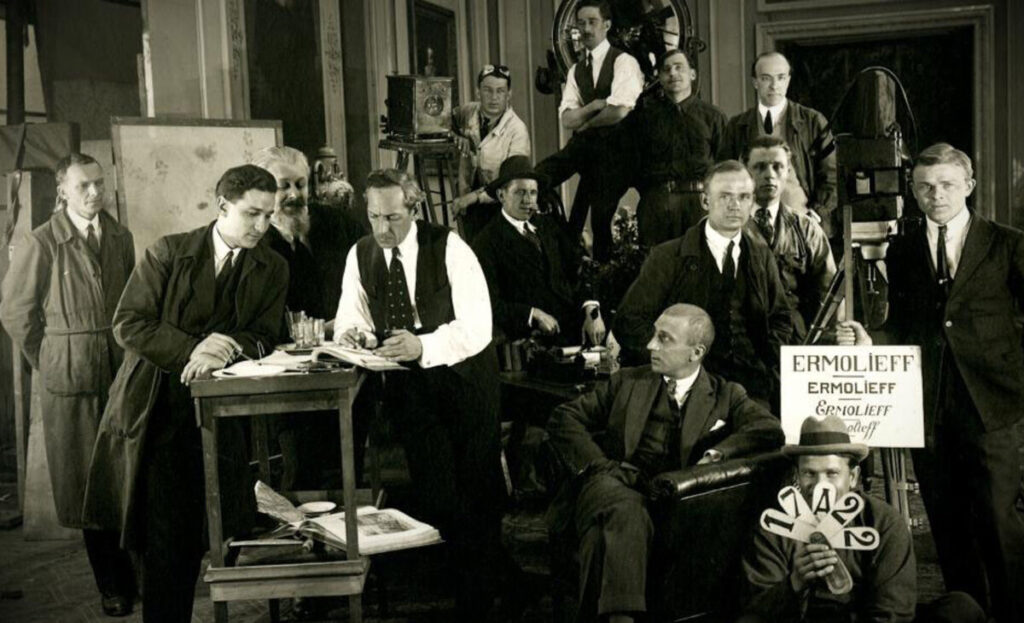
«Albatross» is not only a dissident ship with the Russian intelligentsia, but also a film company inspired by the name of the vessel, founded in 1922 by E. Ermoliev, A. Kamenka, and N. Blokh, who emigrated to France after the 1917 revolution.
Its main feature was the involvement of not only French but also Russian industry workers in the film production. For this reason, for example, in the credits of the screen adaptation of Maxim Gorky's «The Lower Depths», we can see Yevgeny Zamyatin as screenwriter, producer Alexander Kamenka, cinematographer Fedot Burgasov, and set designer Yevgeny Lurie.
Among the projects shot and produced by the «Russian Hollywood on the Seine» are films by Russian directors («The Burning Bonfire» by Ivan Mozzhukhin, «Calvary of Love» by Viktor Turzhansky), French films («The Tower» by René Clair, «The Lower Depths» by Jean Renoir), Austrian («Cagliostro» by Richard Oswald), German («The Cholera Prosecutor» by Robert Wiene), and even Spanish («Countess Marie» by Benito Perojo).
With an authorized capital of 1 million francs and rented pavilions of the Pathé studio, the team of semi-professionals held out until the advent of sound cinema, which destroyed the universalism and international character of silent films, inevitably affecting the emigrant studio.
The collapse of «Albatross» in 1939 did not disrupt the plans of its founding fathers. Kamenka continued to participate in French cinema in the 1950s, keeping his finger on the pulse of the New Wave and serving on the jury of the Cannes Film Festival. Ermoliev moved to Los Angeles and produced American films until old age.
On the Fragments of the Russian Empire
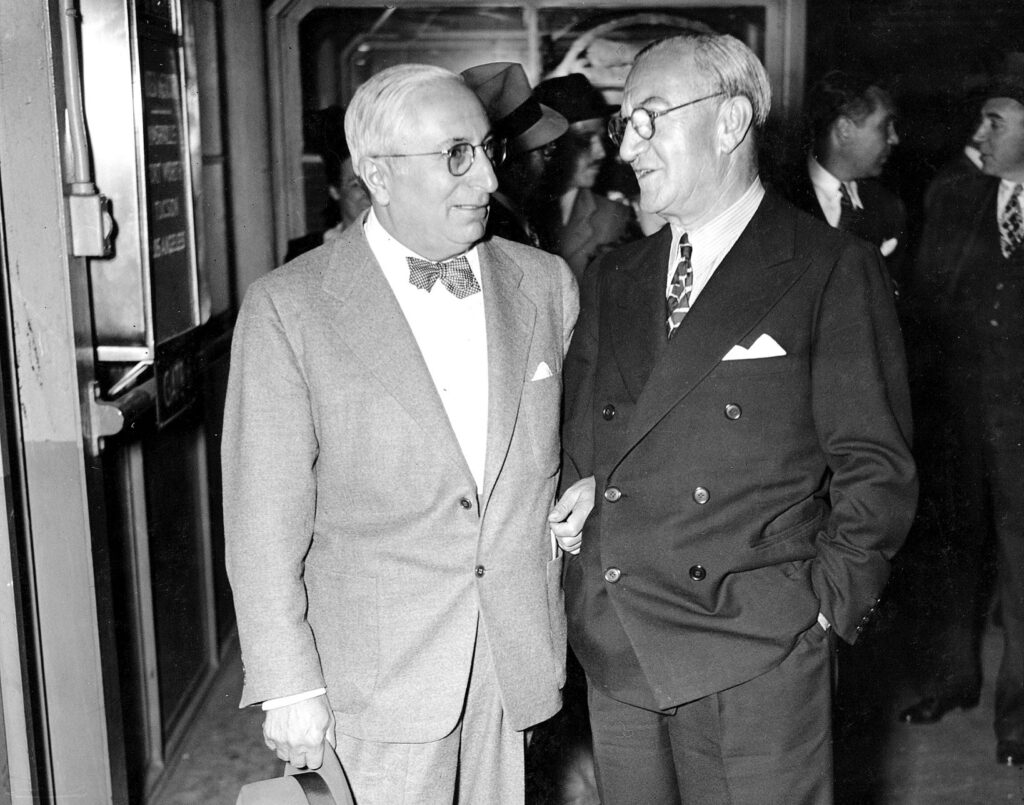
The brothers Joseph and Nicholas Schenck, though of Jewish blood, are closely connected to the Vast Empire. Now deceased, they made an incredible journey, born in Rybinsk, a city in the Yaroslavl province, and becoming sharks in the world of American film business. For example, Joseph is listed as the first director of 20th Century Fox and a beneficiary of Marilyn Monroe's career, while Nicholas became the manager of the merged corporation Metro-Goldwyn-Mayer.
The brothers were not obsessed with the idea of breaking into the dream factory. The most pressing issue for the Schencks upon arriving in the US was money, so they first sold newspapers, then started a small pharmaceutical business, and a little later met Marcus Loew and took his advice to invest in the theater business.
There is a common joke that Hollywood Hills cemetery is littered with the bodies of Russians and Jews, because they were the engineers and builders of film distribution and production systems that, after decades, remain the most successful.
A star on the Walk of Fame, a feud with Fox, collaboration with Warner and Thalberg – Joseph and Nicholas embody both soulless commerce and the creative core of a monumental structure and the total myth of cinema.
From Prince to Mime
The noble family of Tatishchev has a glorious genealogical tree. The Simonov Monastery served as a burial vault for its sons, and among the notable representatives were state treasurers, a general-in-chief, the author of the monumental work «Russian History», boyars, voivodes, oprichniks, and even a potential conspirator against Vasily Shuisky. How are these people connected to cinema?
On November 5, 1982, Yakov Georgy Tatishchev was born, son of Georges-Emmanuel Tatishchev, grandson of Russian general Dmitry Tatishchev, who was even to be presented to the emperor, but the infant was illegitimate and, according to rumors, conceived with a circus performer.
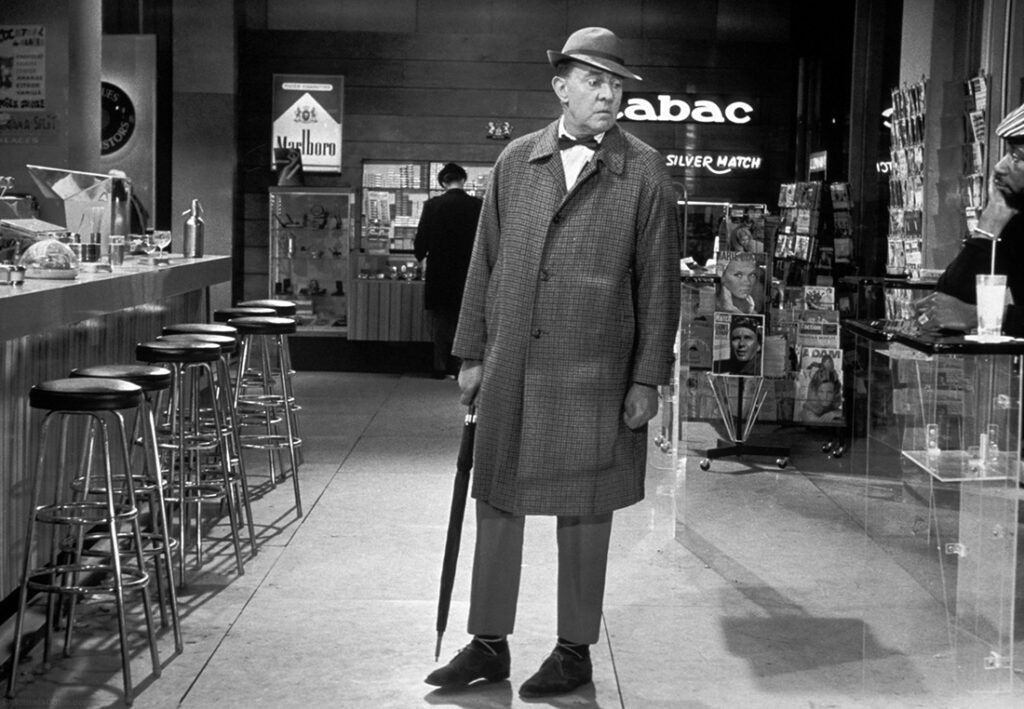
Remaining in France, Yakov Tatishchev became Jacques Tati – the last great mime of cinema. Tati's uniqueness extends beyond his origin. If we look at the two titular mimes – Charlie Chaplin and Buster Keaton, it seems that the average height of a person in this profession did not exceed 170 centimeters.
And then, into the company of short and tall, an elongated hieroglyph, an almost two-meter giant Jacques Tati, wedges in. Surprisingly, the actor did not lose any plasticity; on the contrary, his body proportions became one of the features of his authorial style, allowing him to bend into a smoking pipe or a saxophone.
Tati was not highly productive, largely due to the financial failures of his later films, but each of his works is a clockwork mechanism, a music box, harmony and mathematical calculation in every episode. Perhaps that is why he loved hermetic spaces: a resort hotel, a factory, a bourgeois mansion.
The director died of pulmonary artery thromboembolism caused by heavy smoking. His daughter Sophie Tatischeff shared the same fate, dying of lung cancer in 2001.
The Ghost of the Bride
In 1989, Raphaël Bassan published an article «Three French Neo-Baroque Artists», noting three names: Jean-Jacques Beineix, Luc Besson, and Leos Carax. While the established concept of pictorial Baroque is known to all, cinematic Neo-Baroque is confusing, although its nature is undoubtedly lush and abundant, but unpretentious.
Baroque of the 16th-18th centuries aimed to test the observer's attentiveness, immersing them in a fascinating stream of visual play, hence the main technique of Baroque painters – trompe-l'œil (deception). Neo-Baroque came into a world of the deceived and those who have unraveled the mystery, so it only pretends, curling the curls of aesthetics even more.
Cinéma du look (as the new direction was called) is advertising texture, video and audio syncretism, psychedelic narrative, and a complete lack of measure. The latter predetermined the swift and tragic end of the three French prospects. Luc Besson moved to Hollywood and became just «one of», Beineix drowned the legend of French cinema Yves Montand in icy water during the filming of «The Island of Mastodons», and Leos Carax found love in the film «Three Days», but unfortunately, not for long.
Yekaterina Golubeva – a woman with an unstable psyche and watercolor eyes – doomed herself to Carax just as he bound himself to her company. They met on the set of «Pola X», where the actress played the lead role in a screen duo with Guillaume Depardieu. The relationship did not start immediately. First came Kirill Serebrennikov's cinema, a Parisian creative commune, Bruno Dumont, Polynesia, and a pilot boyfriend, like in the best Renoir film.
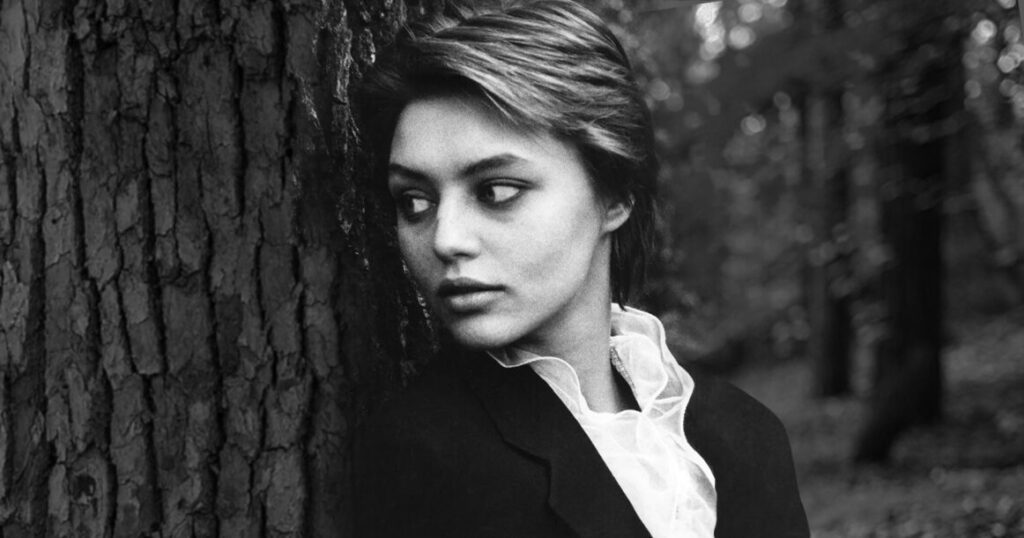
Later, Carax took Golubeva as his wife and adopted a child. We all know the end: on August 3, 2011, the artist passed away under unclear circumstances, and on August 20, she was buried at Père Lachaise. The story could have ended there, but in 2019, Carax began filming «Annette» based on a script by the group Sparks – an incredibly autobiographical film uncharacteristic of his style. It is completely irrelevant whether this is a coincidence or an emotional farewell to his beloved wife, because «Annette» returned Carax to directing, and the viewer to the martyrology of Yekaterina Golubeva, fulfilling its involuntary function.
Comments
0No comments yet.
Sign in to join the discussion.