


We've gathered nine anime that fell victim to the system—absurd, failed, and sometimes downright shameful.
Anime was once associated with meticulous handcraft, authorial vision, and bold experimentation. But today, the industry has turned into a ruthless content production machine, where tight deadlines, meager salaries, and creator burnout kill even the most promising projects. Endless isekai clones, "cut-down" adaptations, and animation at the level of a slideshow are not a coincidence but a pattern of a system where profit matters more than art.
Berserk (2016-2017)

People waited almost 20 years for a continuation, only to get this? The 2016 anime adaptation of Berserk became one of the most controversial adaptations in history—fans of Kentaro Miura's manga eagerly anticipated an epic return, but joy turned to shock.
The series was supposed to be a long-awaited triumph, continuing the legendary franchise, but instead, viewers got a painful example of how the modern anime industry grinds down even the most iconic works. Ugly 3D rendering turning epic battles into a ridiculous slideshow, wooden character animation, and blatant cost-cutting on every frame—all of this contrasts sharply with the cinematic "Golden Age" trilogy released just a few years earlier. What is especially infuriating is the betrayal of the original: key story arcs are cut, and important dialogues are simplified to the point of primitiveness.
Behind this failure lies a systemic disease of the entire industry—studios take on projects without proper funding, artists work at breakneck speeds for pennies, and publishers prioritize quick releases over product quality. The second season of the anime, instead of fixing the mistakes, only worsened the situation with additional budget cuts. As a result, even the involvement of Kentaro Miura himself as a producer did not save the project from collapse—fans unanimously declared the adaptation the worst version of Berserk in history. This series is worth watching only out of scientific curiosity—as an example of how to ruin brilliant source material. For everyone else, there remains the manga and the films, which at least don't make you cover your face in shame for the creators. The bitter irony is that Berserk 2016 itself became a metaphor for its own universe—a cruel, ugly, and hopeless product of a system where art has long lost to commerce.
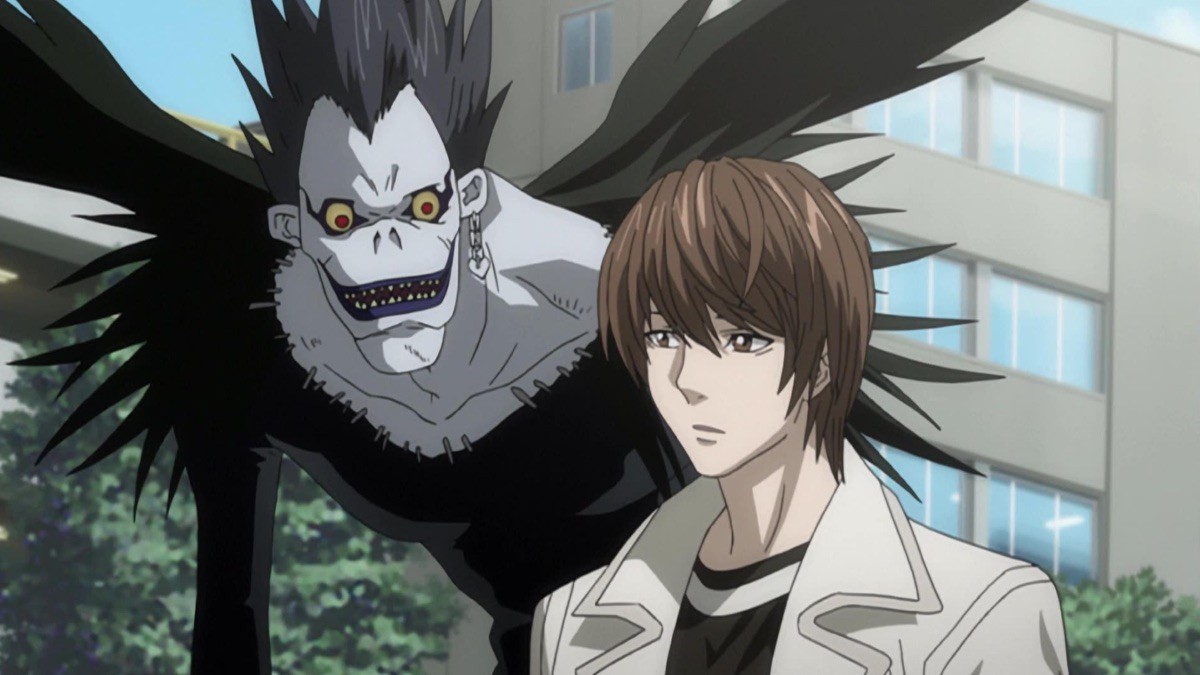
Japan has given the world not just a unique genre but an entire cultural universe. We've gathered 10 iconic anime that showcase the main features of this direction in animation.
Open materialOne Punch Man (2015, Second Season)

The second season of One Punch Man became an example of how a brilliant concept can lose its magic when passed into other hands. After the resounding success of the first season by Madhouse, studio J.C.Staff failed to maintain either the flawless animation or the signature narrative rhythm. What was once a visual feast—epic battles with a sense of presence, where every punch from Saitama felt physical—turned into a set of static frames and incoherent jerks. This is especially disheartening in key moments like the confrontation with Garou, which was supposed to be the season's climax but instead left a feeling of unrealized potential.
The problem is not only technical. Previously, the balance between absurd humor and unexpectedly deep moments was perfect, but now the story oscillates between drawn-out drama and attempts to replicate past jokes. Saitama, for whom many watched the project, ended up on the periphery of the plot, and new characters, despite interesting ideas, could not fully compensate for his absence. Particularly disappointing is the handling of King's arc, which in the manga was a masterpiece of satire on hero archetypes, but in the anime lost half its charm.
That said, it cannot be said that the season is a complete failure—some moments do work. Garou's story as a "hero for monsters" turned out unexpectedly touching, and certain comedic scenes retained the original's signature style. But overall, it feels like a pale shadow of the first season—a project that remembers what it should be but cannot achieve it. For many fans, the continuation was especially sad, because One Punch Man was originally a parody of formulaic shonen anime, and in the second season, it itself descended into the very clichés it once mocked.
The main lesson of this story is simple—even the most brilliant concept can be ruined if you forget what made it special. Now, years after its release, the second season looks more like a failed experiment than a full-fledged continuation. One can only hope that in the third season, the creators will take these mistakes into account, and in the meantime, you can read the incredibly beautiful manga and see One Punch Man in all its glory.
Uzumaki (2024)

Fans expected a visual revelation from the anime adaptation of Junji Ito's cult manga. It became a cruel illusion for manga fans. The first episode, like a mirage in the desert, lured with promises—cinematic shots, eerie atmosphere. It seemed like a worthy adaptation of a cult work at last. But by the second episode, the delight evaporated, revealing a lifeless wasteland. What seemed like an oasis became merely a reflection of what this project could have been. Viewers watched as the magnificent concept crumbled before their eyes: animation that was supposed to hypnotize with spirals of madness turned into a set of static frames. Characters whose psychological mutations in the manga were mesmerizing moved in the anime like puppets with broken strings. Even the sound design—the last hope—sounded so detached, as if the creators themselves did not believe in their project. It is especially bitter to realize that this failure was predetermined from the start. The studio that took on the adaptation seemed not to understand that Uzumaki is not just horror but a visual poem about decay. Instead of meticulous work with form and perspective—crude execution. Instead of mounting madness—a set of clichéd scares. Instead of a hypnotic rhythm—nervous scene splicing. This project could have been a new word in animated horror but became a monument to how even the most tenacious idea can be killed. It is enough to simply not understand what makes it great.
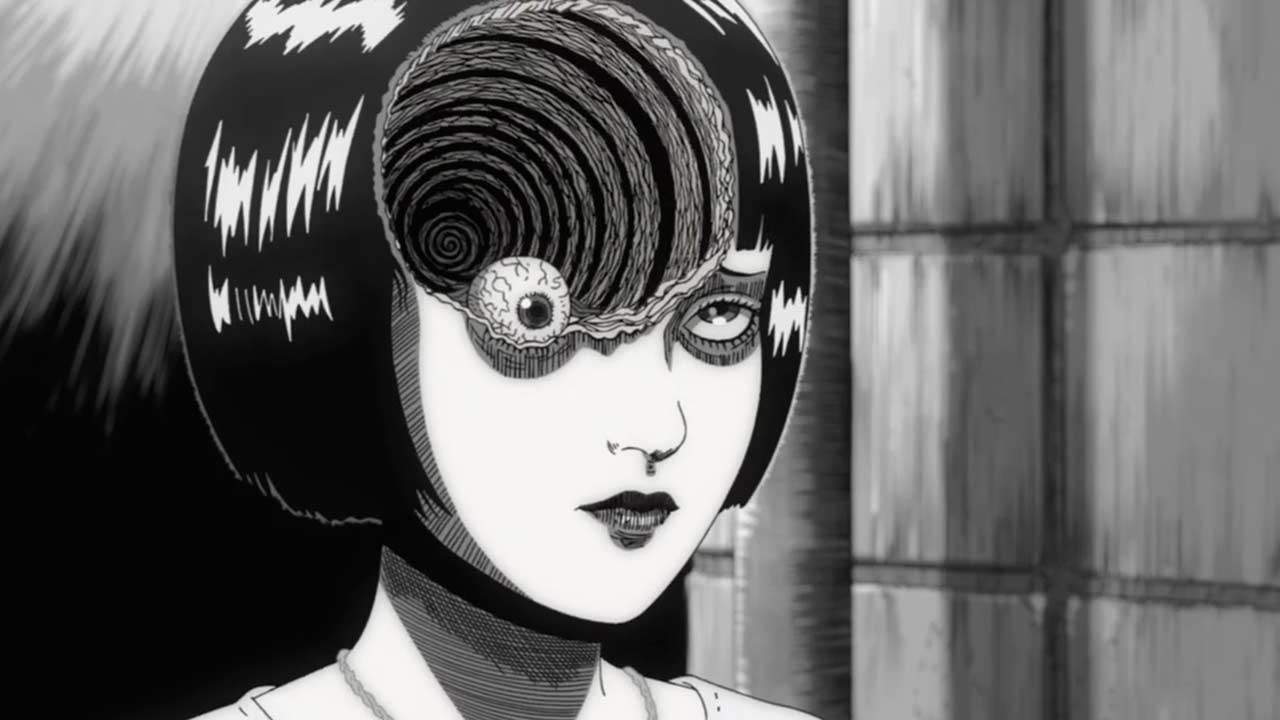
On October 19, the final episode of the short anime series Uzumaki based on Junji Ito's cult manga was released. At first, it may seem like this is the first worthy adaptation of the work.
Open materialThe Promised Neverland (2019-2021)

When the first season ended, enthusiastic fans were sure the anime was destined to become a modern classic. It was a well-animated and well-written adaptation of a gripping and terrifying yet heartfelt manga. But even before reaching the middle of the second season, the title cemented its status as one of the worst anime. The second season of the anime didn't even try to adapt the manga. Previously intricate plots and characterizations turned into generic and rushed nonsense. Fans were baffled and angered by this historic drop in quality. Now they don't even want to acknowledge the existence of this anime. The creators attempted to cram over 180 manga chapters into just 11 episodes, leading to catastrophic cuts: entire story arcs disappeared, including the key "Hunting Ground," and characters like Yugo vanished without explanation. The ending is especially disheartening—instead of a tense resolution, viewers got a two-minute slideshow where crucial moments, like Isabella's fate or Emma's contract with the demons, were simply ignored. The technical side only worsens the impression: CGI demons look unnatural, battle scenes lost their dynamism, and a recap episode hints at serious production issues. Characters degraded—Ray turned into a passive observer, Norman lost his dark charisma, and Emma's decisions are no longer questioned, stripping the story of drama. The reasons for the failure are obvious: publisher pressure, haste, and an attempt to soften the dark tone of the original. As a result, instead of a logical conclusion, we got a superficial "happy ending" that left fans bewildered.
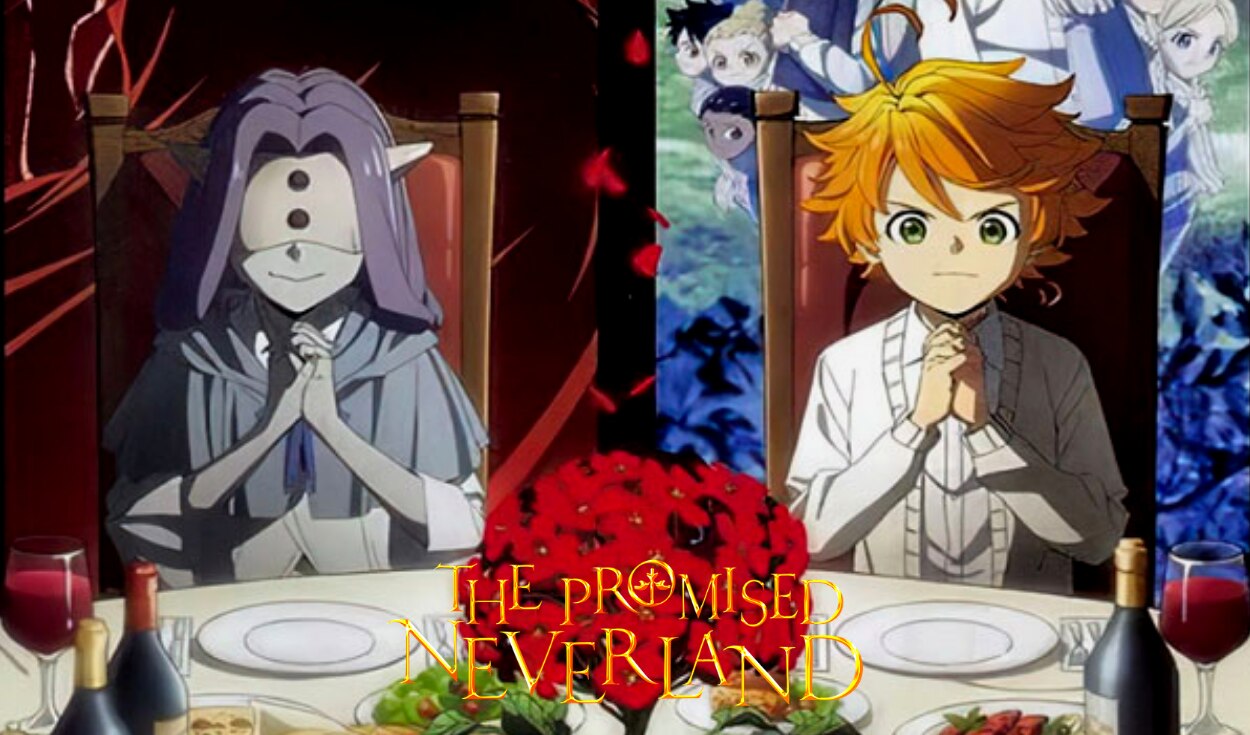
Watching the second season of The Promised Neverland and wondering why the creators dug a grave for their hit.
Open materialTokyo Ghoul √A (2015)

Tokyo Ghoul √A became a vivid example of how an ambitious project can disappoint fans, turning from a potentially strong continuation into a chaotic set of scenes that lost the essence of the original. The second season of the anime, created by studio Pierrot, not only deviated from the manga's plot but also gutted its key themes, replacing them with incoherent narrative and vague stylistics. Unlike the first season, where Kaneki's conflict between humanity and ghoul nature unfolded gradually, √A descended into superficial spectacle: characters made illogical decisions (e.g., Kaneki's sudden departure to Aogiri without clear motivation), and iconic moments like the confrontation with Arima were cut beyond recognition.
The main problem is the lack of coherence. The writers tried to combine an alternate story with elements of the original but ended up with a mess of disconnected episodes. Important arcs (e.g., revealing Yoshimura's past or the Anteiku tragedy) were presented fragmentarily, and new scenes, like Kaneki's "psychedelic" journey through the underground, felt contrived. Even visually, the season fell short: battle animation was simplified to static flashes, and the manga's signature style—the contrast between ordinariness and horror—dissolved into a gray color palette.
The finale was the project's death sentence. Instead of a climax, viewers saw a depressive collage of loose ends: the fate of key characters (Touka, Hinami) remained off-screen, and Kaneki and Arima's "final battle" lasted minutes, as if cut due to budget constraints. Manga fans were outraged—the studio not only changed the plot but destroyed its philosophical depth, reducing everything to a trendy "dark" aesthetic without substance.
Why is this a failure? This anime is a rare case where deviation from the source did not become a creative success. It lost even what the series was valued for: psychological depth, tough moral choices, and a slow descent into madness. Instead—empty aesthetic poses, incoherent action, and betrayal of characters. Unsurprisingly, after this, even studio Pierrot abandoned further experiments, and fans have been demanding a remake for decades.
Rent-A-Girlfriend (2020 - ...)

Rent-A-Girlfriend is a basic multi-episode project that turned into an endless cycle of artificially stretched situations, where the plot stagnates and characters remain stuck in teenage indecision for years. The main character Kazuya, instead of developing, is trapped in a loop of endless doubts, and his "romance" with Chizuru has long turned into a soap opera with contrived obstacles. The second season only worsened the problem by adding new girls to the harem but never giving viewers any tangible progress in the relationships—instead, viewers got dozens of episodes with monotonous dialogues where characters circle around the same issues.
The animation, however, is no better—studio TMS Entertainment clearly cut corners on frames, causing key scenes to consist of static dialogues against blurred backgrounds. Even emotional moments, like confessions or conflicts, look flat, as if taken from a cheap visual novel. Particularly annoying is how often the camera focuses on the heroines' chests and thighs, turning a romantic story into a fanservice attraction.
The main sin of Rent-A-Girlfriend is its toxic dynamic. Kazuya is not just immature—he is pathologically inadequate, either throwing hysterics over trifles or spending family money on renting fake love. Chizuru, instead of breaking this vicious circle, only plays along with his illusions, creating a relationship based on lies and manipulation. And if in the first season this could still be excused as setup, by the fourth season (announced in 2025), the situation hasn't changed—the creators clearly decided to milk the franchise to the last yen, caring neither about logic nor viewer satisfaction.
This is not just a bad anime—it is an endless simulacrum of romance, with no character growth or respect for the audience. If the first season could still be tolerated for irony, the sequels only confirmed that the project exists only because someone keeps funding it.
Boruto: Naruto Next Generations (2017 – 2023)

Boruto not only disappointed but methodically destroyed everything that made the original iconic. Instead of epic battles and complex moral choices—endless fillers (80% of episodes!) where shinobi children solve school problems with high-tech gadgets, as if the authors forgot that the action takes place in a universe where a life-and-death war was recently fought. Characters from the previous generation, like Naruto and Sasuke, turned into caricatures: they were not just weakened for the plot—they became helpless extras against teenagers who randomly gain power from "alien" enemies. Even visually, the project failed: animation degraded to the level of "floating" faces and static fights, where instead of complex jutsu, heroes just throw punches.
The problem with the anime is not a lack of talent among the creators but a systemic betrayal of Naruto. There is no hint of "the labor of a genius" here—the Hokage's son easily masters the Rasengan, although in the original it was a symbol of many years of training. There is no sacrifice either: the world that once balanced on the brink of catastrophe now resembles a parody with mini-cannons and portable consoles. Even the manga canon, for which fillers were tolerated, turned out to be rushed: key arcs like the "prison" plot are presented so tediously that even fans admit it.
The irony is that studio Pierrot itself buried the project: the anime was halted due to an excess of fillers, which demotivated even the animators. But worst of all, Boruto is not just bad—it is toxic to the legacy of Naruto. Every episode reminds us how a great story can be turned into meaningless merchandise, where even Jiraiya's death is devalued because the current "geniuses" win without effort. If the original taught us to struggle, the "new generation" teaches only how to fail a sequel on all levels.
Black Butler (2008-...)

Black Butler is an incoherent mix of fanservice, plot holes, and lost atmosphere. The first season started in 2008, when the manga hadn't accumulated enough material, and instead of a thoughtful adaptation, viewers got a chaotic vinaigrette of canonical chapters and loosely connected fillers. For example, the key arc with the Undertaker was revealed too early, spoiling future manga twists, and the motivation of antagonists like Angela was reduced to "because they are evil" without any hint of the original's depth.
Hollow characters. Sebastian, who in the manga balances between sarcasm and cold cruelty, here became just an "ideal butler" without a spark. Ciel, instead of a complex child with trauma and cunning, turned into a gloomy doll whose decisions boil down to "order—kill". Even comedic moments with Grell or the Phantomhive servants feel forced—as if the creators forgot that humor should be funny, not annoying.
Visually, the series also doesn't hold up to criticism. Despite the beautiful stylization of Victorian England, the animation often devolves into dialogues on blurred backgrounds. Battle scenes, which should be the demon butler's hallmark, resemble a slideshow: a few hits, flashes—and enemies are defeated. The first season's finale is especially shameful, where Sebastian suddenly "grieves" and leaves, although in the manga his behavior is always logical and predictable.
The second season became a cautionary tale. Ciel's gender swap, shifting the action to modern times, and an utterly meaningless plot about the "demon king"—this is not even fan fiction but a parody of the original. Viewers rightly complained: why break established lore when you could have just waited for new manga chapters? The 2014 Netflix adaptation only cemented the failure, turning Sebastian into a decoration and Ciel into a gender-swapped template without charisma.
Instead of a dark detective story with philosophical questions, viewers got a mishmash of yaoi hints, flat villains, and visuals that hold up only on nostalgia. If you want to understand why fans are still demanding a remake—read the manga. The anime is worth watching only as an example of how not to make adaptations.
Gibiate (2020)

From the very start, the project suffers from a glaring mismatch between its ambitious concept (post-apocalypse + samurai + alien virus) and its execution. Monsters created with crude CGI look like failed assets from a 2010s mobile game, and their animation boils down to jerks and teleportation between frames. Meanwhile, battle scenes, which should have been the hallmark, resemble a slideshow: samurai Sansui swings his sword—and a dozen mutants fall apart without any hint of physics or dynamics.
The plot balances between absurdity and boredom. Travelers from the Edo period not only instantly master the realities of 2030 but also unquestioningly accept that they were "summoned" to fight a virus. Logic is dead on arrival: monsters that can be killed with cold weapons in close combat somehow weren't destroyed by the army with firearms and aviation before the global collapse. The climax with the alien origin of the virus in episode 11 looks like a desperate attempt to plug plot holes but only worsens the impression of a chaotic script written on the fly.
Characters are another failure. Kathleen, the only doctor in the world capable of creating a vaccine, regularly forgets caution and rushes into danger. The samurai and ninja, instead of demonstrating tactics or at least fear of the unknown, mindlessly hack monsters with stone faces. Even the villains from the "Gallients" gang are a set of clichés: a former yakuza, a polluting maniac, and a fat glutton whose motives boil down to "we just like to rob".
The technical side completes the disaster. Backgrounds in post-apocalyptic Japan look like cheap 3D sets, and chiaroscuro works on the principle of "somewhere overexposed, somewhere underexposed". The soundtrack, despite the involvement of Yuzo Koshiro, consists of repetitive tracks with an intrusive shamisen that becomes grating by mid-season.
The list of failed anime could go on for a very long time, but we don't have that much space. So you can always disagree with us or tell us about other bad titles in the comments, so people know what to avoid. As they say, forewarned is forearmed.
By the way, subscribe to our Telegram channel "After the Credits" (here's the link). There we post posters, trailers, and various interesting and funny news from the world of cinema.
Comments
0No comments yet.
Sign in to join the discussion.