
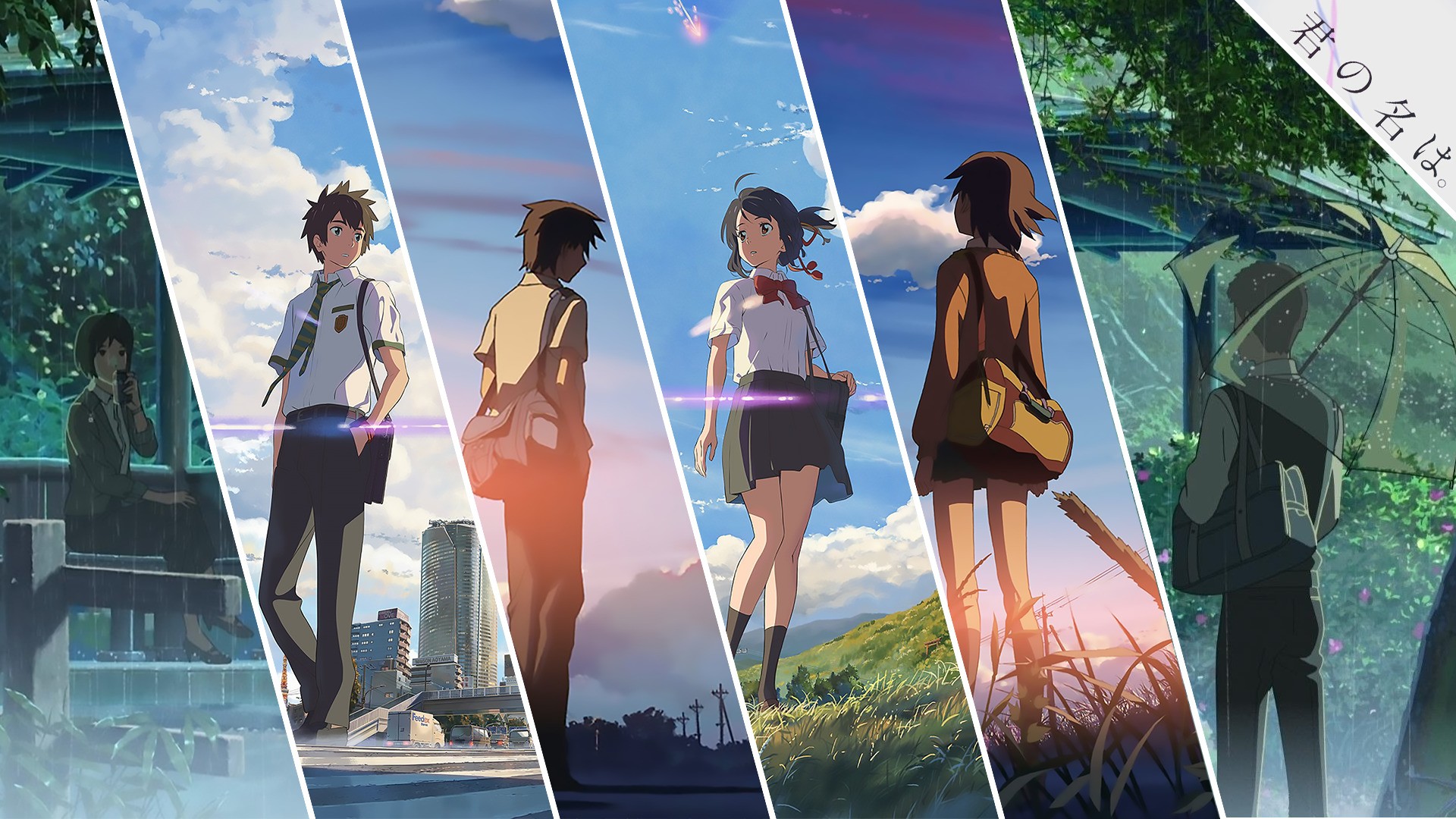
The voice of a new generation in Japanese animation, author of several of the highest-grossing anime in history, a person who speaks simply about complex emotions — all this is Makoto Shinkai. Let's try to understand what makes his work so captivatin...
Makoto Shinkai is a name that has long been synonymous with quality animation for many fans of Japanese cinema. He rightfully holds the title of 'the main romantic of anime': for over a decade, his works have been breaking and simultaneously healing the hearts of viewers around the world. Modest stories about first love, the awkwardness of teenage feelings, and attempts to find oneself in a rapidly changing world — all of this is presented with a signature melancholic tenderness, yet looks flawless thanks to the director's perfectionism.
From Teenage Experiences to Worldwide Fame
The director has repeatedly admitted that it is his teenage experiences that inspire him the most. He still remembers those happy and simultaneously painfully awkward moments associated with a crush on a classmate. Years later, this personal emotional baggage helps him create sincere, truthful stories:
I can't tell teenagers how to live, because I still remember the feelings I had at their age.
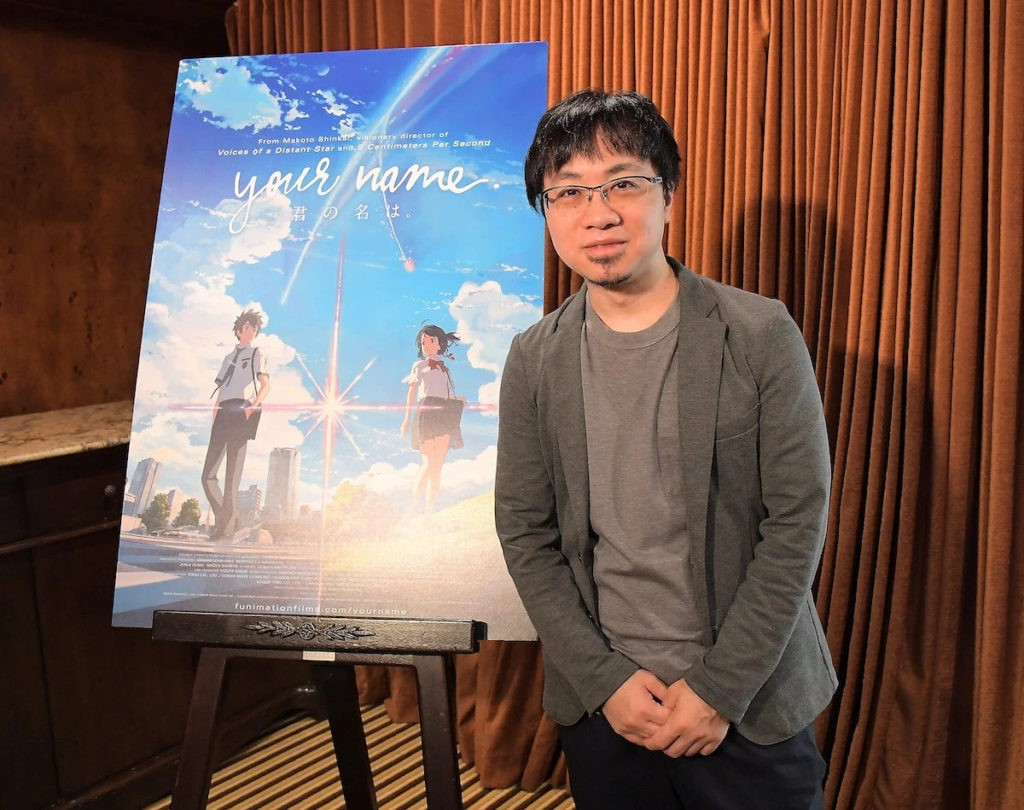
You can feel that the director truly 'speaks' the same language as the viewer, which is why his characters are so believable. The plots — seemingly simple and without grand twists — deeply touch you and stay in your memory for a long time.
Shinkai and Miyazaki: Comparisons Inevitable or Exaggerated?
When it comes to philosophical and melancholic anime, comparisons with Hayao Miyazaki are unavoidable. After all, it was Miyazaki and Studio Ghibli that set the standard and shaped the broad perception of Japanese animation in the West. If you look at the work of both directors superficially, similarities do exist: a love of nature, an emphasis on visual expressiveness, and a deep exploration of characters' emotions.
However, the methods of creating their amazing worlds differ. Shinkai originally came to animation from the gaming industry and worked extensively with computer graphics. He is responsible for the unmistakably recognizable landscapes with hyper-realistic clouds and speeding trains, as well as techniques borrowed from live-action cinema (for example, the characteristic 'lens flares'). Miyazaki, on the other hand, strives for minimal use of CGI and still prefers painstaking hand-drawn work — every scene is worked on literally frame by frame.
Journalists and fans often wonder if Shinkai will become Miyazaki's 'successor' when the latter finally leaves the industry. However, many critics agree that the director's talent deserves separate recognition, not the status of 'second someone'.
He is often called the 'new Miyazaki'. I think that sounds somewhat logical, nevertheless, Shinkai should stand alongside the creator of 'Spirited Away', not be his successor and replacement. After all, his strongest projects were released when the master had not yet retired. Both of them, every anime they make is a masterpiece, so he is not the 'new' or 'second' Miyazaki, but an equally incredibly strong animator creating impressive works and worthy of his own laurels.
Makoto himself does not hide his admiration for the master, but considers it wrong to aim for the title of 'second Miyazaki':
He is a genius with his own unique style. But you can't become Miyazaki, you can only be the second Miyazaki — and that's not something to strive for.
'5 Centimeters per Second' and the Magic of Simple Stories
One of Shinkai's most famous works is '5 Centimeters per Second'. It may seem like a collection of short episodes without any claim to grandeur, but this story about unspoken feelings and forced separation amazingly combines a hyper-romanticized atmosphere with harsh realism.
Makoto Shinkai knows how to get into your head and soul, pull out the happiest and saddest moments, and turn them into something beautiful. '5 Centimeters per Second' is the biggest proof of that — many years have passed, and I still can't get the story of Takaki and Akari out of my head.
Essentially, this film of his is just a set of stories that don't represent anything monumental. However, the small tragedy of two teenagers who were forced to part ways and didn't find the strength to get close again is both insanely romanticized and realistic. I don't know how he did it.
Simple stories about simple people also need to be told. I have always appreciated Shinkai for how he can be sincere and honest on screen — and how he hasn't lost this ability over the years. For me, this is the main reason why his name on posters is still a mark of quality.
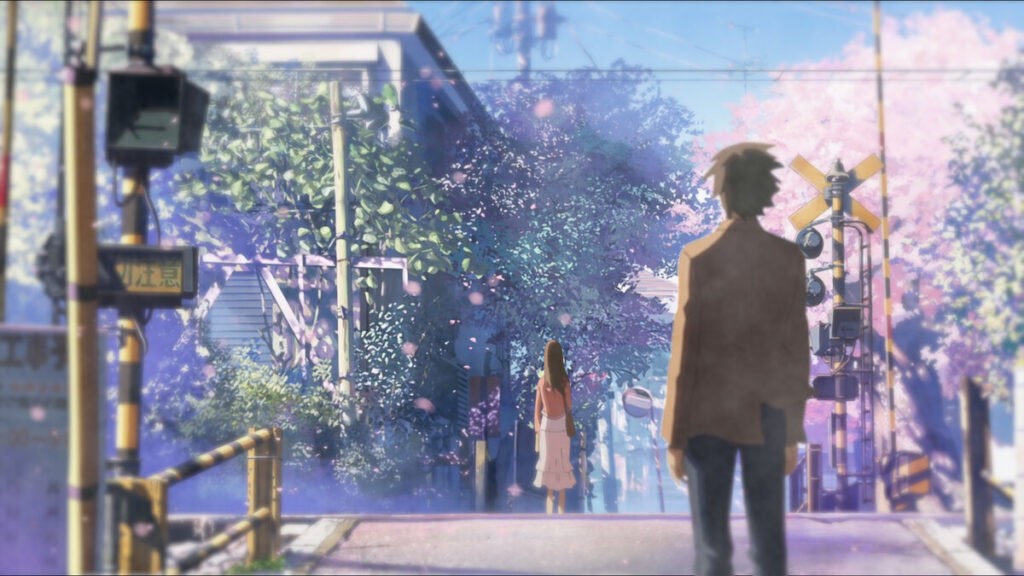
Evgeny Belousov emphasizes Shinkai's ability to masterfully blend magical realism with everyday plots:
Makoto Shinkai's work is very captivating with its sentimentality and uniqueness. I like how the director casually mixes everyday life and magic. He tells stories of teenagers with their problems and search for a place in the world, as well as their pure and immaculate love, which often brings the viewer to tears.
Why Makoto Shinkai is a Mark of Quality
- Shinkai is not afraid to show the vulnerability of his characters, their first timid feelings and disappointments. This is why his stories resonate with the widest audience.
- His style is easily recognizable: meticulously detailed backgrounds, hyper-realistic cityscapes and clouds, as well as a soft play of light that gives the frames a special depth.
- For a long time, Shinkai worked virtually alone on his projects, which speaks to his immense dedication and ability to refine ideas to perfection.
- Everyday life in his films is closely intertwined with fairy-tale elements, allowing us to observe the magic hidden in the ordinary.
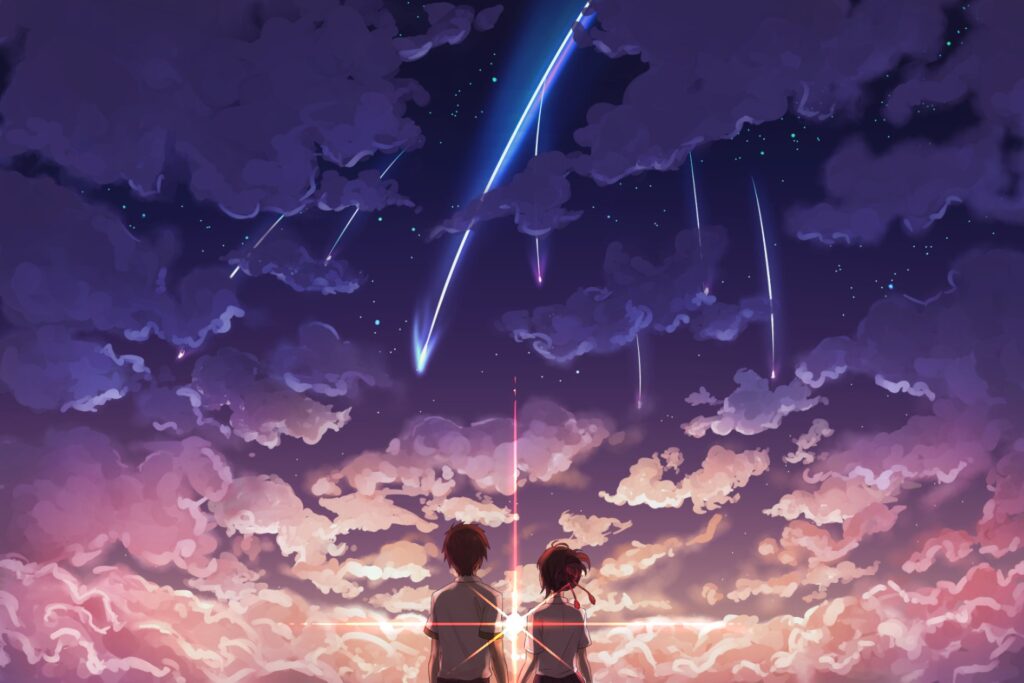
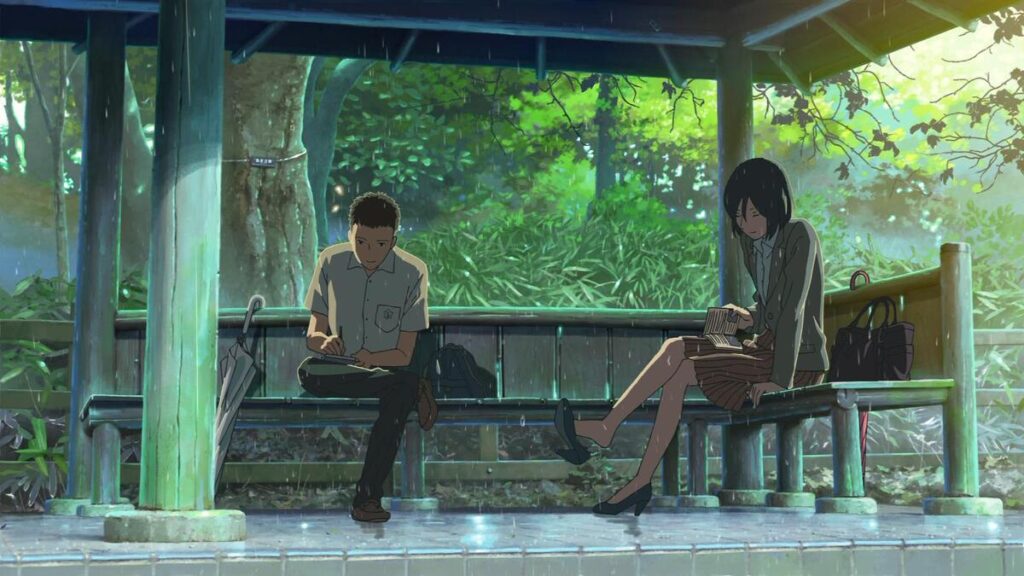
If you are looking for an anime that both wounds and heals the soul, Makoto Shinkai's films are the perfect choice. Whether it's the famous 'Your Name.', the heartfelt 'The Garden of Words', which is currently in re-release, or any other of his films, you will definitely immerse yourself in vivid emotional experiences and perhaps find an echo of your own memories and feelings.
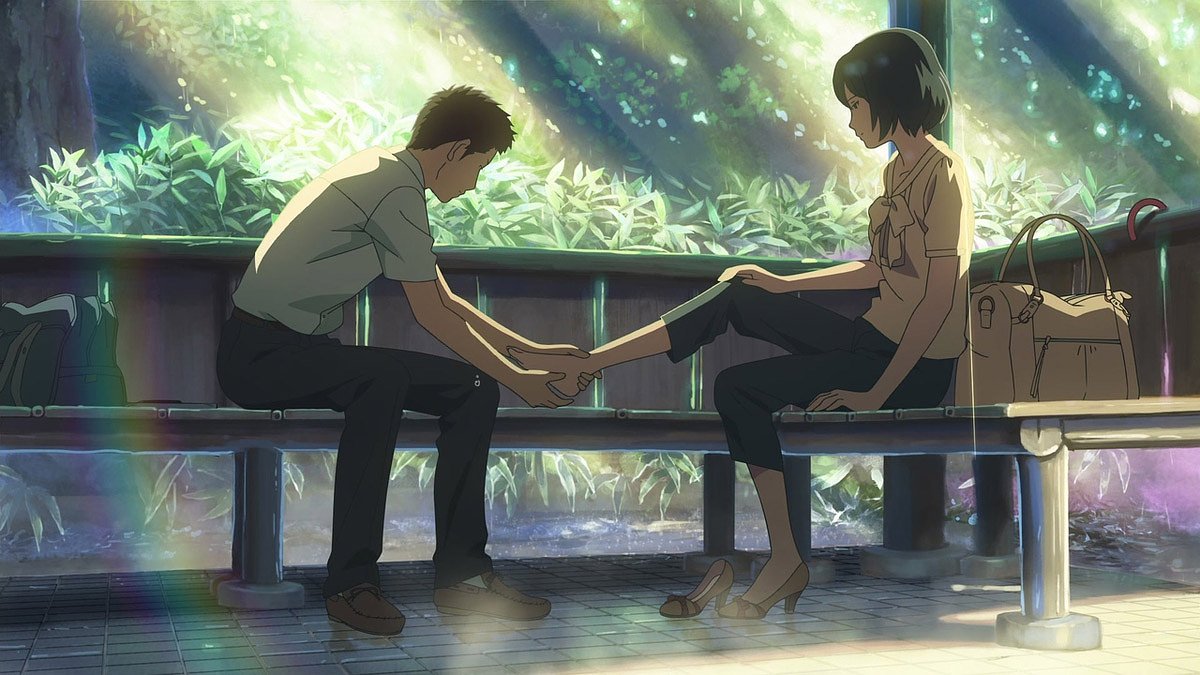
On March 27, Makoto Shinkai's 'The Garden of Words' hits theaters. We talk about the weather, shoes, and try to answer the question: what to do with forbidden love?
Open material'In the Japanese animation industry, there is a great ideal — Hayao Miyazaki. But you cannot become him, you can only find your own path,' Shinkai himself says. And, judging by the success of his works, he has been walking this path confidently and distinctively for a long time.
Comments
0No comments yet.
Sign in to join the discussion.