
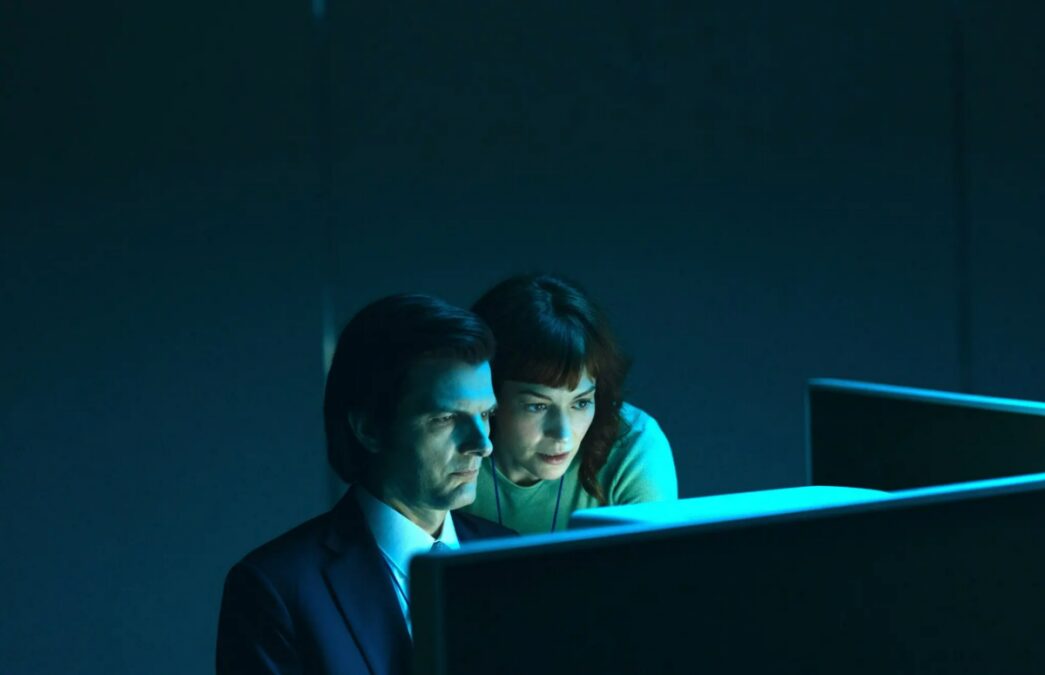
On Apple TV+, the second season of the sensational 2022 project “Severance” has come to an end. The series, which combines office satire, psychological thriller, sci-fi, and deep human drama, demonstrated from the very first episode of the new season...
Office plankton representative Mark Scout, along with his colleagues, worked carefree in the data processing department of a huge corporation called Lumon. But he is not an ordinary employee—he is severed, meaning he underwent a surgical procedure to split his consciousness into an outie and an innie: one personality appears at work, and the other manages life outside the office. Once, Mark decided to participate in the severance program to at least temporarily stop feeling the pain of his wife’s death. However, it seems you cannot escape from yourself and your tragedies, and for Lumon, he became a desirable severed employee, perhaps precisely because of those very tragedies. Let’s break down the series “Severance” together.
What Happened?
The first season of “Severance” premiered in 2022 and amazed viewers with everything at once. First, the project turned out to be an intriguing hybrid of thriller, sci-fi, drama, and satire on capitalism and office life. Moreover, the creators decided to stretch the pleasure, building tension through a slow and intriguing development of the story. Thanks to the unhurried narrative, we had the opportunity to immerse ourselves in the sterile atmosphere of Lumon and its corporate cult, as well as to love the characters, although most of them were sketched in broad strokes and remained mysterious. The first season of the slow-burn series exploded with a shocking finale that made everyone hate Ben Stiller and Dan Erickson for the outrageously massive cliffhanger without announcing an approximate release date for season 2.
In 2022, we were first introduced to the incredible world of “”, filled with all sorts of contradictions and dilemmas. The creators mocked the boring office life and the dumbing down of workers, criticized capitalism that turned a person into a bargaining chip in a great crusade for a higher good, made fun of the image of an ideal severed employee, and also presented a caustic satire on corporate culture, elevating it to the status of a religious cult.
People fight work burnout in different ways: some learn meditation, some take up sports, and some simply quit. But Apple TV showed that there is another way
Open material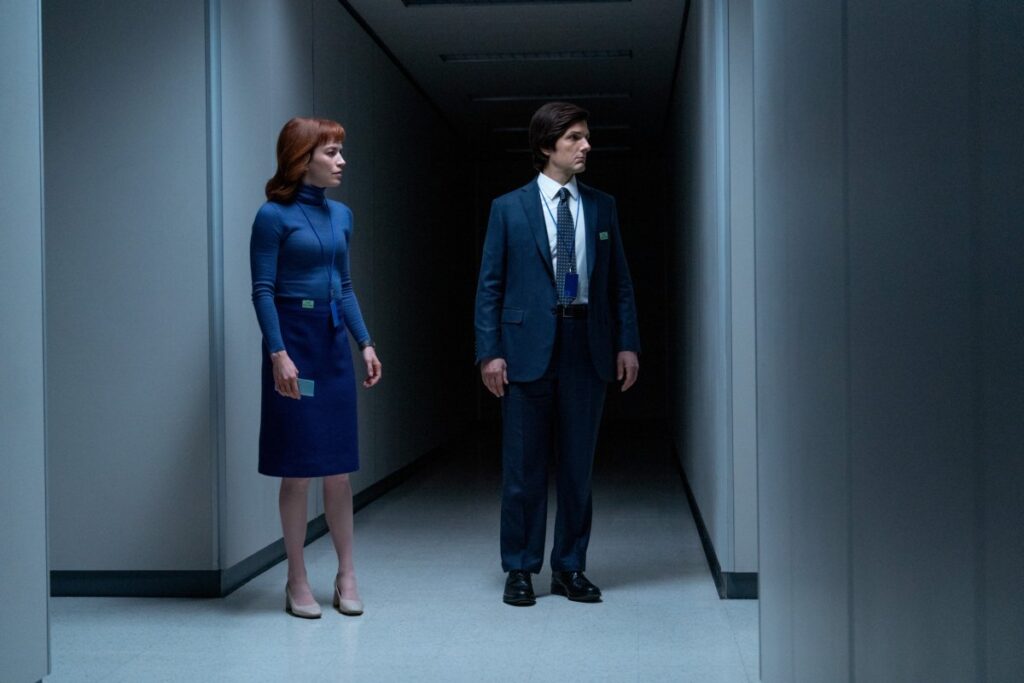
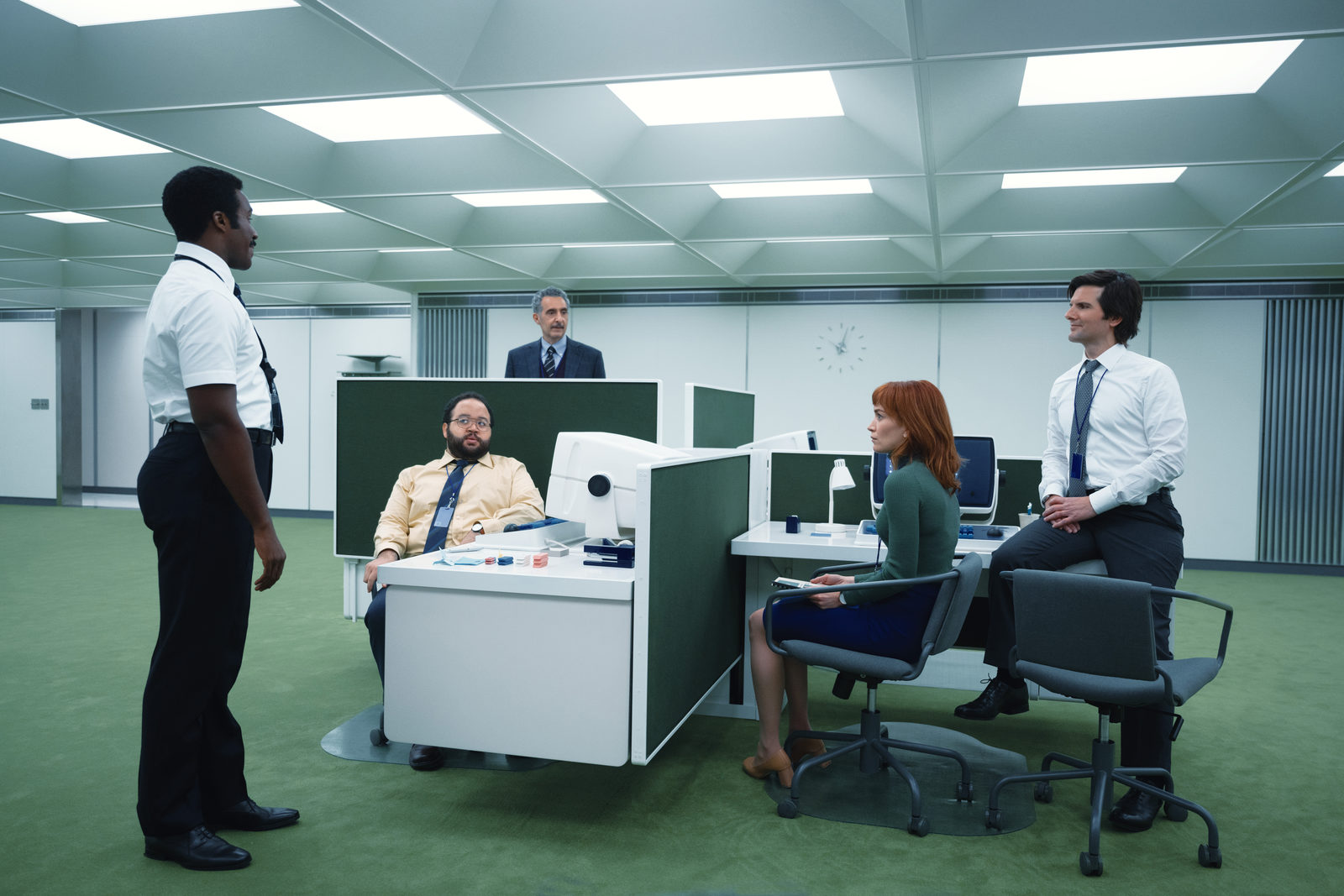
But the content would not have had the desired effect without the form, so the series decided to play with contrasts. The sterile corporate world within Lumon’s walls clashes with the chaotic and unfriendly outside world, personal tragedies with the absurdity and monotony of workdays, and modern technologies strangely coexist with outdated computers. The powerful visuals in “Severance” elevate the “beautiful” office world with its snow-white labyrinthine corridors and symmetry in everything to an absolute. Minimalism and geometry in the scenes enhance the soullessness of a place where smiles shine with artificiality and work is done on autopilot. Such external gloss screams that behind this wrapper lies something rotten, which (spoiler) we are told more about in season 2.
In the continuation of “Severance,” all of the above remained, but the creators went further, simultaneously expanding and narrowing the story. If the first season was a stage of introduction and adjustment, where the series was judged by its cover (or rather by its visuals), then the second season clearly dug deeper with the intention of establishing a longer relationship with the viewer. As a result, the project reached a new level of drama and psychologism.
What Is There Now?
In 2022, little was clear, and the finale left us in a state of total confusion with a large number of questions and a minimum of answers. We, the viewers, literally felt like innies who understood nothing. The first episodes had enough drama, we gradually grew closer to the characters, but still, the debut season impressed primarily with the scale of the idea and visual solutions. By the way, technically, the continuation stepped forward. Just one scene of running in the style of Tom Cruise, which was shot in one take for 5 months, is worth it.
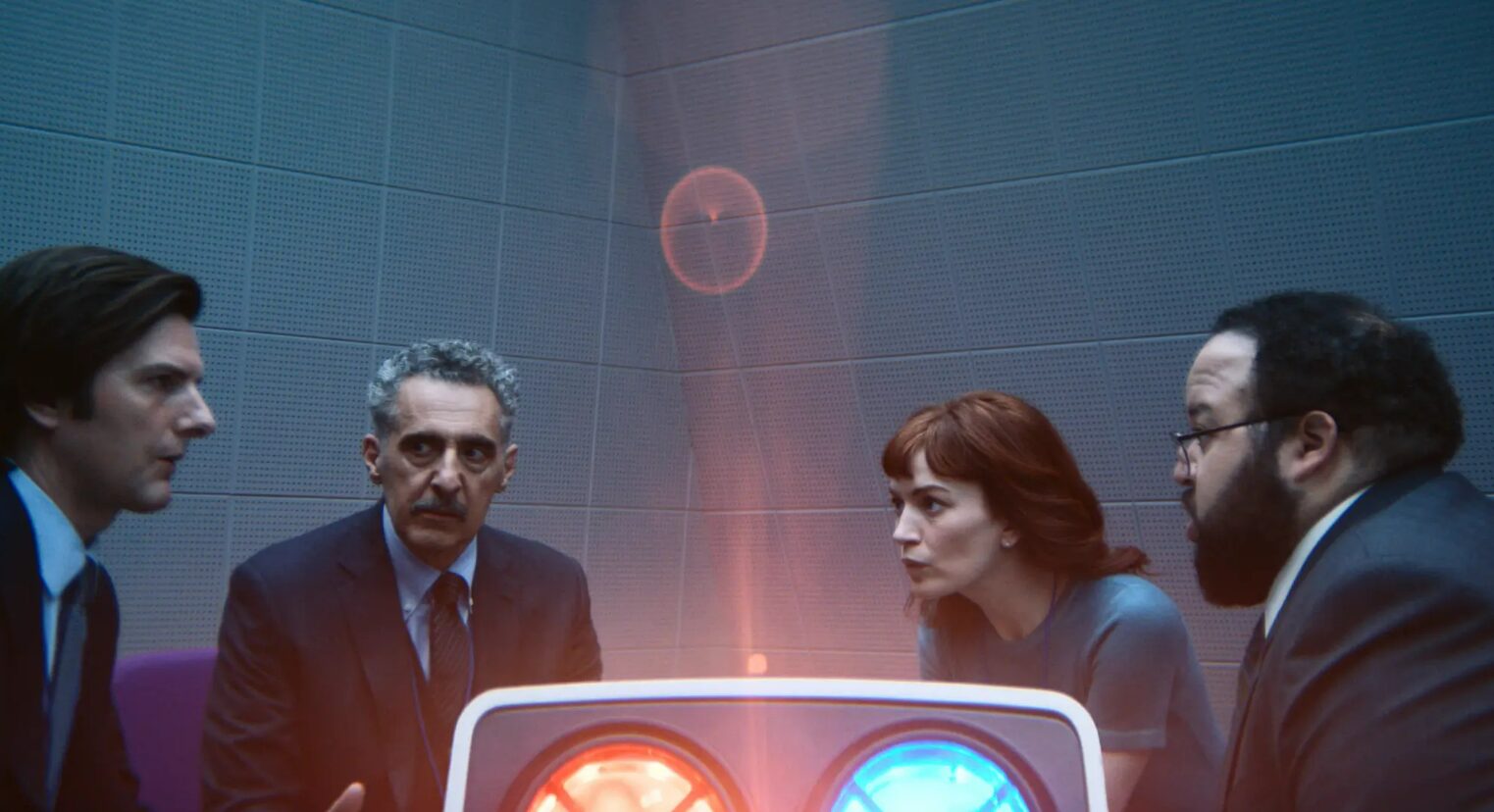
Compared to the first, the second season became more personal and focused primarily on the stories of the main characters: Lumon’s severed employees and their “shepherds,” Harmony Cobel and Mr. Milchick. We are still hinted at some incredible goals of the corporation’s management, for the realization of which the entire procedure was invented. But at the same time, 50% of the screen time we wander through sterile corridors and peek into impersonal offices to find out the truth that matters specifically to the innies trapped in Lumon. And the remaining 50% of the runtime we live in the real world, where some try to uncover the corporation’s secrets (and find out what lies on the other side of the elevator), while others try to protect them.
We no longer find it funny to see how corporate culture has turned into a religious cult. We are horrified by the frighteningly strange actions people with deep pockets and questionable morals take. If the instigators of experiments on humans turned out to be suddenly aliens or vampires, it would probably not be as shocking and intriguing, because we never cease to be amazed at the boundlessness of human cruelty and cold-bloodedness. Along with this, the endless white corridors and cold landscapes of the outside world continue to emotionally pressure us—as if in neither version of the world should you expect happiness—but it becomes much more painful from the secrets that are gradually revealed.
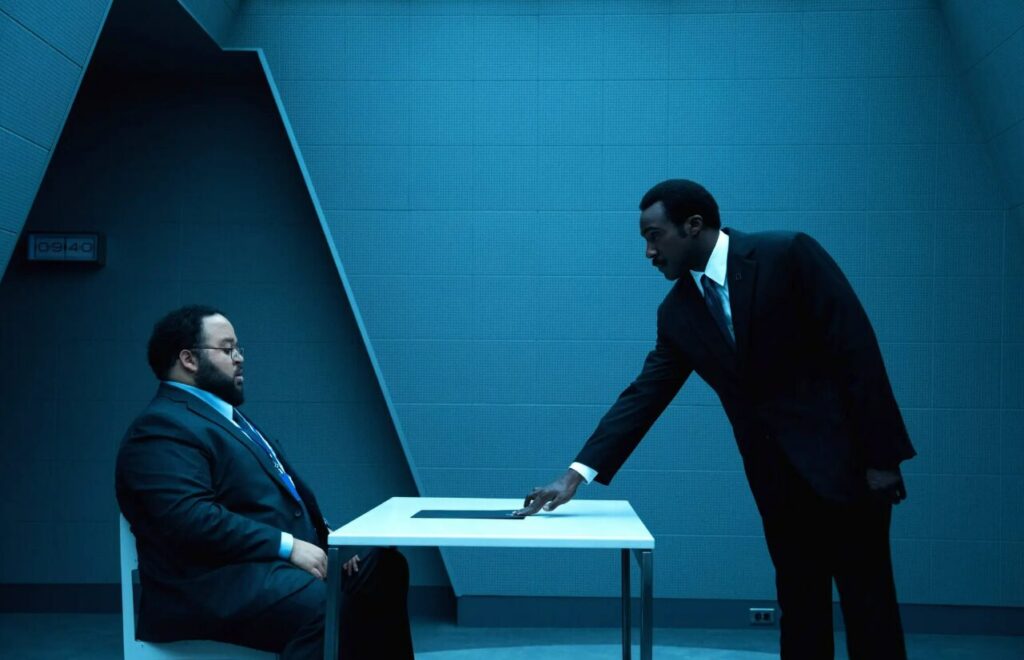
The internal tension and interpersonal conflict between innies and outies intensify. Their stakes rise, and some even put their lives on the line. Stress, confusion, and constant tension are conveyed even in the little things—in the characters’ facial expressions and movements. The gait becomes heavier, posture straighter, steps faster, and gaze harder. Adam Scott, John Turturro, Zach Cherry and Britt Lower continue to amaze with their powerful acting performances, where they work not with broad strokes but change characters in barely noticeable details. After all, the innie and outie are the same body but two completely different personalities. And the smile of Tramell Tillman as Milchick does not put you at ease but causes a fit of fear and a desire to run.
We spend more and more time inside the characters’ “heads” (as the series’ opening hints), and the symmetrical, hermetic office space becomes mundane and familiar. Therefore, for visual variety, the creators added location options: we visited a strange off-site team building, toured an office farm with the magnificent Gwendoline Christie, visited Harmony Cobel’s dying homeland, and wandered through other floors of the corporation. Paradoxically, the scaling of locations does not dilute but deepens the story, helping in character development. As a result, we even feel sorry for the antagonists.
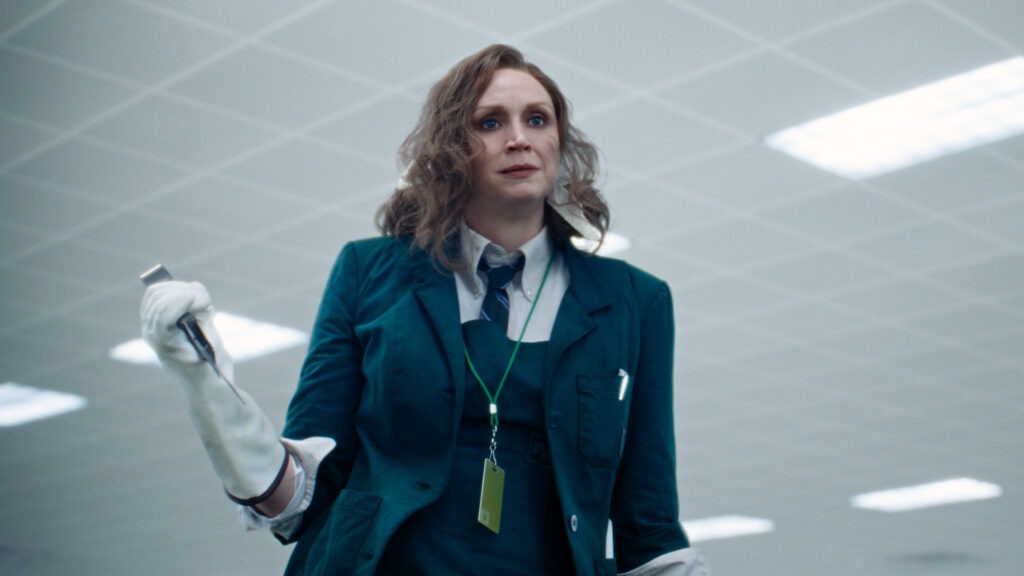
The confrontation between the huge corporation and the little people—office employees—increasingly takes on a human face. This includes Mark, Helly, Irving, Dylan, and even Harmony Cobel or Mr. Milchick. Each of them has their own story and their own tragedy that forced them to act as they do. And at the head of this whole coven is Kier Eagan the Great, to whom everyone prays, but it is not very clear why. The further the story develops, the more we understand that everyone was chosen to work on the severed floor for a reason. Therefore, in the second season, the confrontation between the “cog” and the “machine” that exploits it, behind which anyone or anything may be hiding, becomes even more personal and emotionally charged.
What Will Happen?
“Severance” is a series that is not afraid to dig deep, reflecting on the topic of human rights and freedoms. This is expressed both in the human-corporate confrontation and the complex outie-innie dilemma. Which of them is the original personality and has the right to life, and how ethical is it even to ask such a question?
The creators of the series did not spare us this time either, and the second season of “Severance” left us with another batch of questions, the answers to which we will get in the following episodes (Apple TV+ has officially renewed the series for a 3rd season). We can only hope that this time we won’t have to wait 3 years. We believe Ben Stiller’s promise not to drag out production.
Nadezhda Vasilyeva

The second season took “Severance” to some transcendent level of quality. John Turturro’s outstanding performance in the fourth episode.
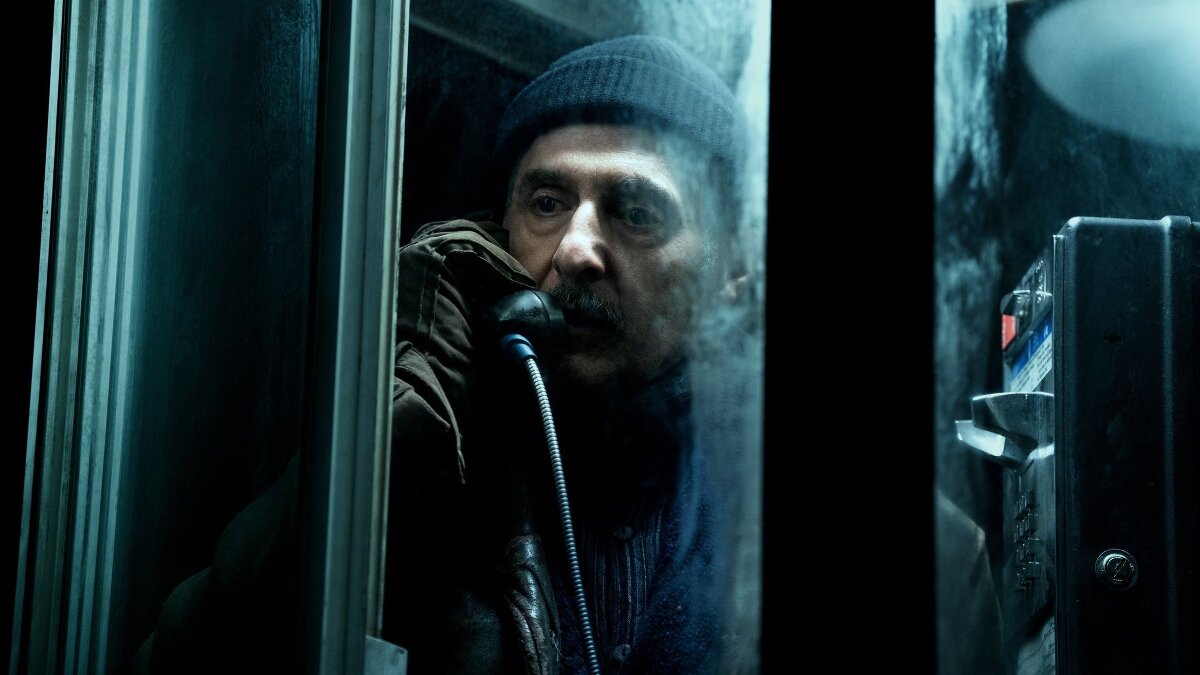
The episode “Chikhai Bardo,” magnificent in emotional content and creative craftsmanship (they say there were even no special effects). Against this background, it would not be an exaggeration to say that “Severance” can quite be considered the number one series right now. Regardless of genre and taste preferences.
Comments
0No comments yet.
Sign in to join the discussion.