

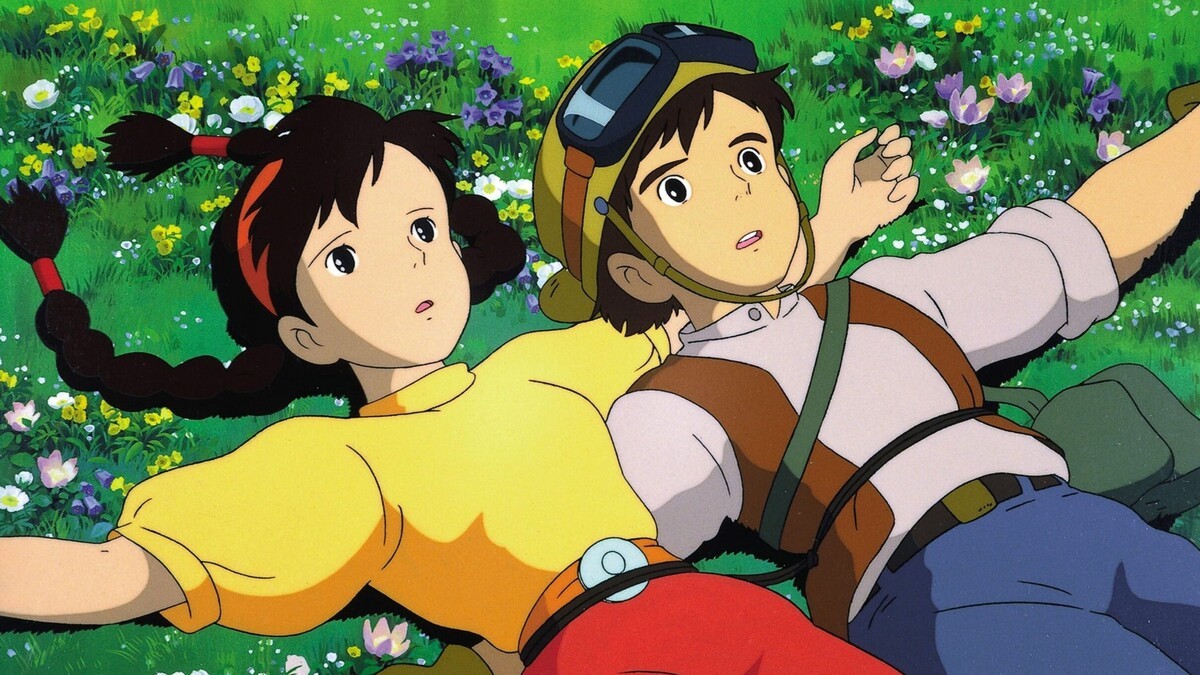
On March 20, the legendary film by the master of Japanese animation Hayao Miyazaki, 'Castle in the Sky', was re-released. The first anime of Studio Ghibli, which went unnoticed at the very start but managed to win the hearts of viewers years later. W...
Today Ghibli is the most famous animation studio, but 40 years ago everything was completely different. A not particularly popular animator who had already released the legendary 'Nausicaä of the Valley of the Wind' (1984) and his longtime friend Isao Takahata were thinking about what to give the world to make a loud statement and outdo their competitors. This is where the story of Laputa begins.
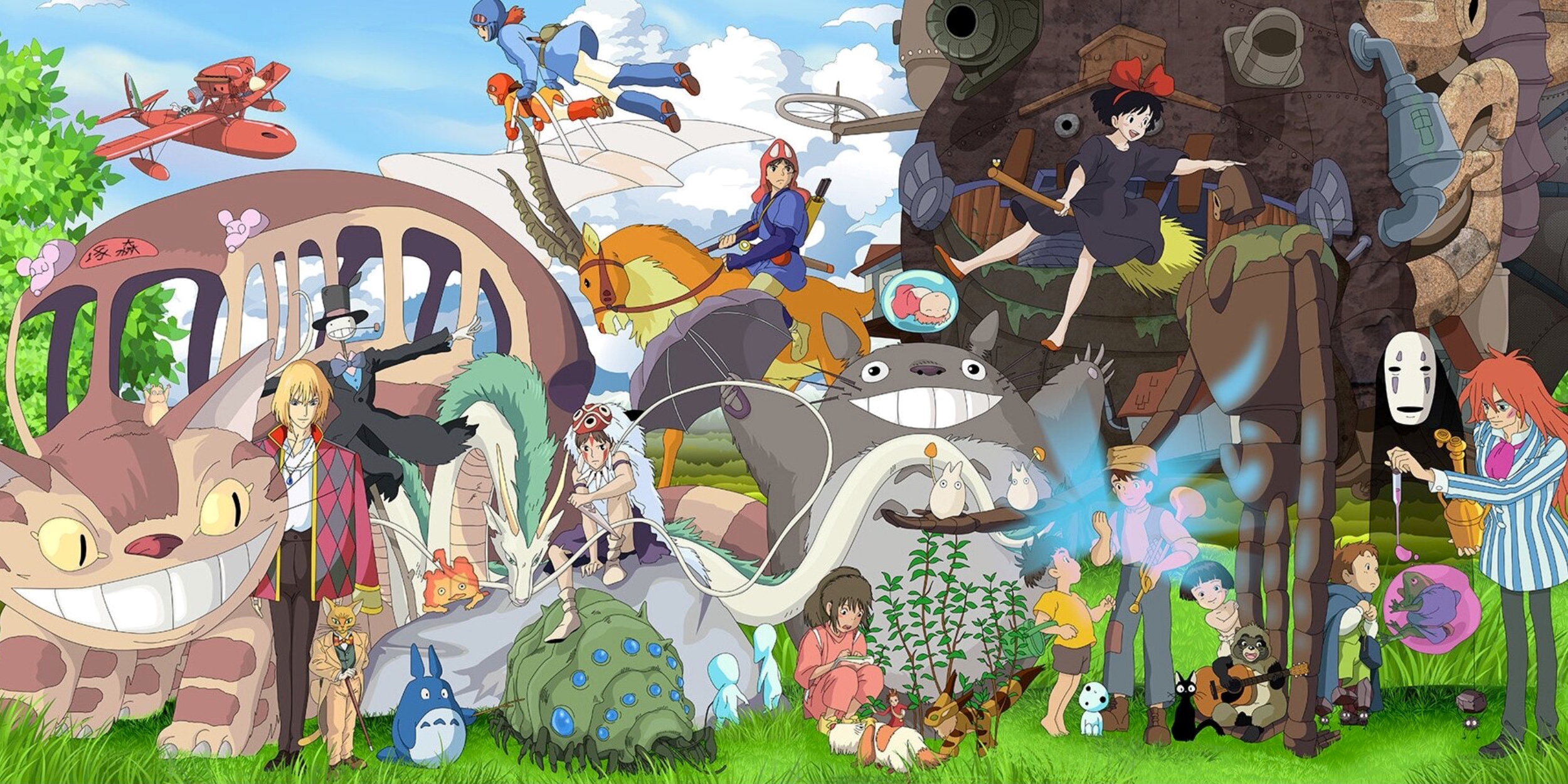
On December 7, possibly the last anime by the brilliant Hayao Miyazaki, 'The Boy and the Heron', will be released in official Russian distribution. In this regard, our editorial team decided to briefly tell why
Open material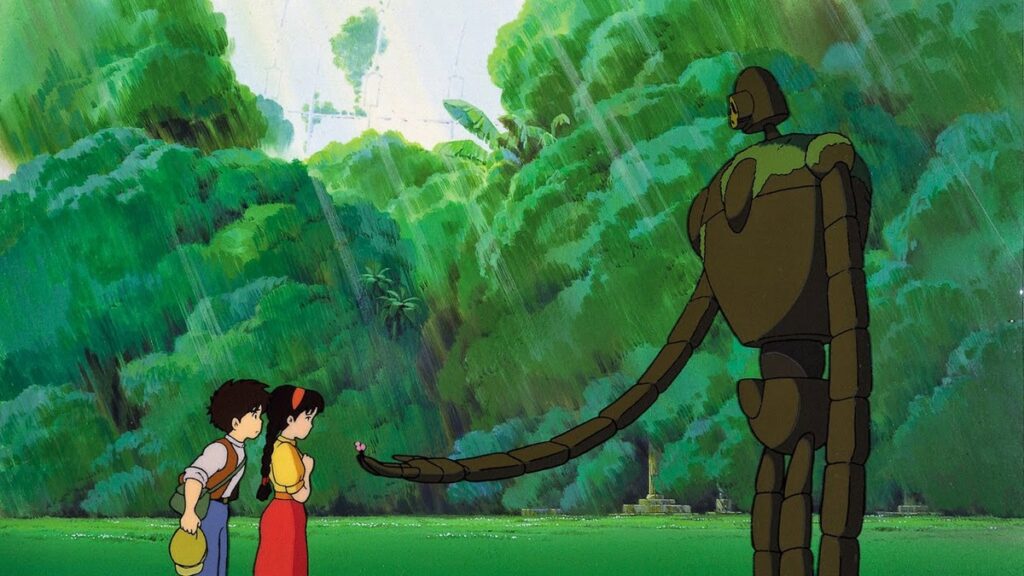
A mysterious flying island — an ancient legend. Some say untold riches lie there, while others fear technologies capable of enslaving all of humanity. Only a few have seen Laputa in reality, and one of them is Pazu's father. The boy dreamed of the unknown island all his life, and in his heart lay a grudge against all those who did not believe his father and considered him crazy.
By fate's will, a girl named Sheeta descends from the sky to the earth and straight into Pazu's hands, holding a celestial stone — the only navigator to Laputa. It is because of this artifact that the children are hunted by air pirates and government agents. The kids must uncover the secrets of the universe, delve into their past, and find the legendary island of Laputa. This is how we get one of the most famous representatives of steampunk with technologies and social stratification that are inconsistent with the time.
The first ideas for the plot of 'Castle in the Sky' were far from the final result. From his previous workplace (Toho studio), Miyazaki brought the idea of a journey of two Frenchmen with Captain Nemo from Jules Verne's novel 'Twenty Thousand Leagues Under the Sea'. But the rights remained at the old place, and the master had to think of a new exciting journey.
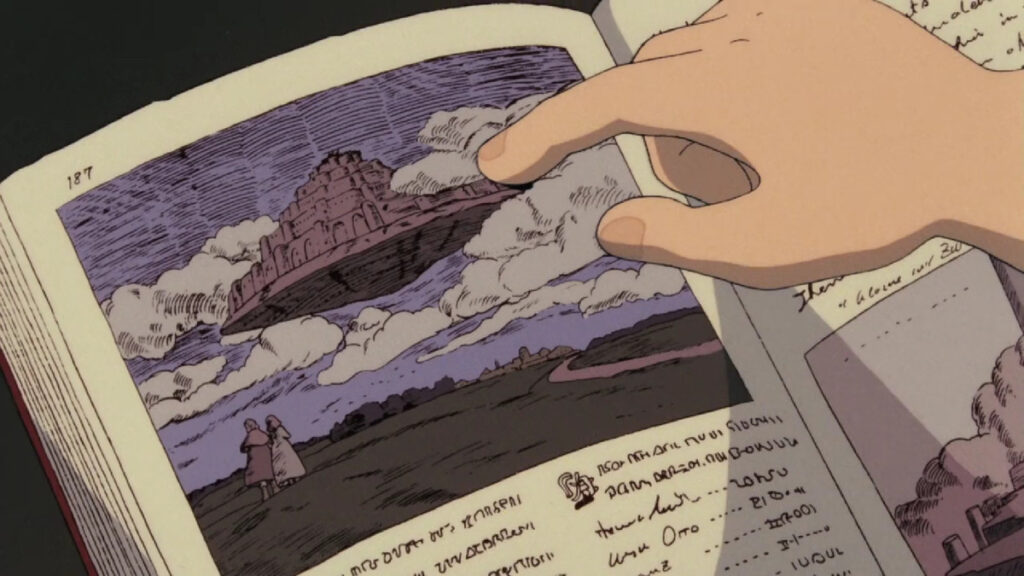
The basis of 'Laputa' was the manga 'Evil Lord of the Desert' by Tezuji Fukushima. The images were taken from Welsh landscapes and miners, whom the director met during a visit to the UK. Inspiration came from 'Gulliver's Travels' by Jonathan Swift, where in one part the hero flies to the floating island of Laputa using a huge magnet. At the beginning of the anime, there is even a scene where Pazu tells Sheeta about Swift and that his island is a silly fiction.
In Swift's 'Gulliver's Travels' it's written about Laputa, but that's all fiction, while this is drawn by my father himself
Thus emerged a mix of fantasy, science fiction, steampunk, everyday life, and socialist views. Quite a hodgepodge for a story about little child travelers, somewhat reminiscent of the legend of lost Atlantis.
The theme of flight often appears in Miyazaki's works, be it 'Kiki's Delivery Service' with the charming witch Kiki cutting through clouds on a broom, 'Porco Rosso' circling the sky in airplanes, or where conquering the sky in amazing machines is the dream of a lifetime. The sky and its exploration are a metaphor for the flight of imagination and freedom of the soul. Only by traversing the air can one give free rein to thought and free oneself from earthly problems.
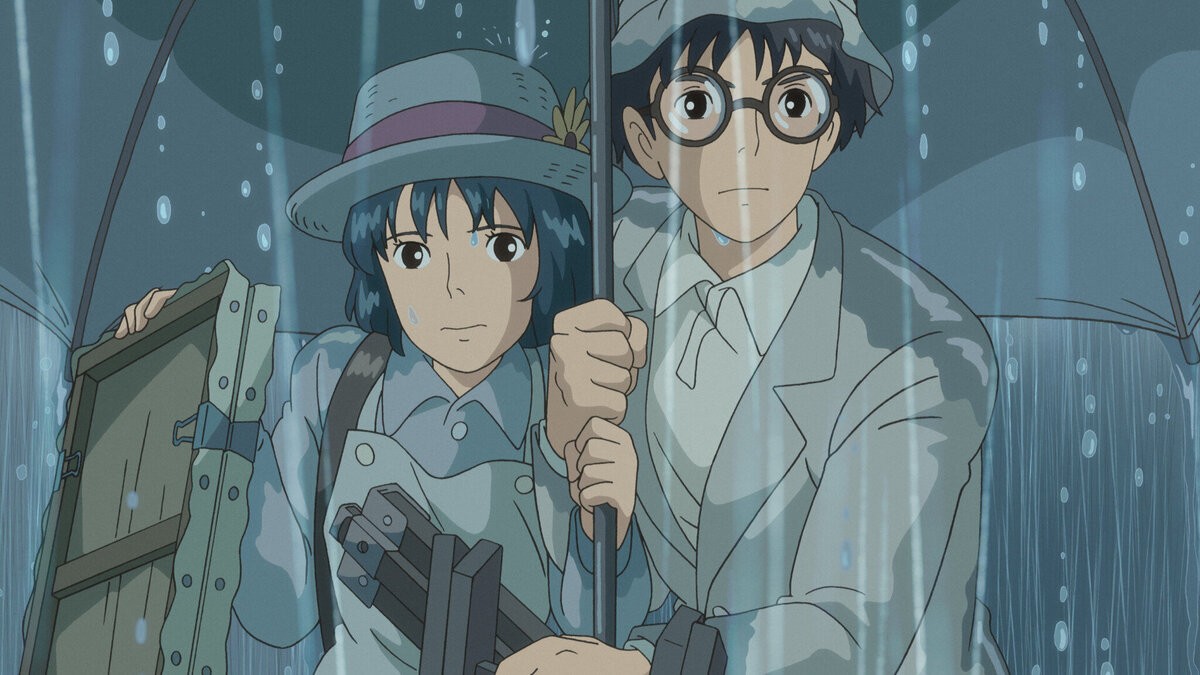
On January 16, the most realistic work of master Hayao Miyazaki, 'The Wind Rises', was re-released. About historical subtext, real biographies, and more – in our article.
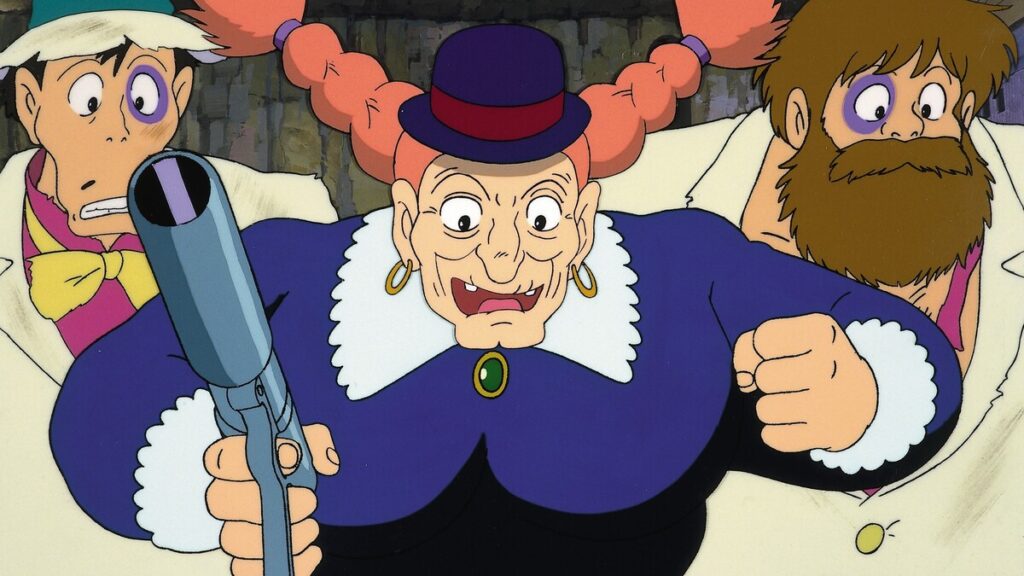
Open materialConsequently, the main stirring themes: ecology, the opposition of militarism to pacifism, and a touch of feminism that will be traced in all the director's works. Be it Sheeta and Pazu, equal in screen time and importance, or Dola, the strong and willful leader of the air pirate gang. Not to mention 'Princess Mononoke'. By the way, it is the free characters that are closest to Miyazaki.
The army for the animator serves as the embodiment of universal evil. And it is not surprising. The theme of war does not bypass any of his works, and 'Laputa' is no exception. Of course, there is no direct theater of military operations or destroyed ships arriving at the harbor, as if reminding of war somewhere far away. But there is the time in which the events take place — roughly the beginning of the 20th century, preceding all the horrors in the form of world wars or the establishment of totalitarian regimes.
'Laputa' becomes that utopia where the good defeat the bad and do not allow all-encompassing evil to establish dominance. Colonel Muska, who pursued the main characters, turns out to be one of the descendants of the Laputan lineage. He becomes the horror that pursues the goal of reviving the people and using Laputa's technological progress to establish control over the world. As a result, the world is not enslaved, and the mysterious island cleanses itself.
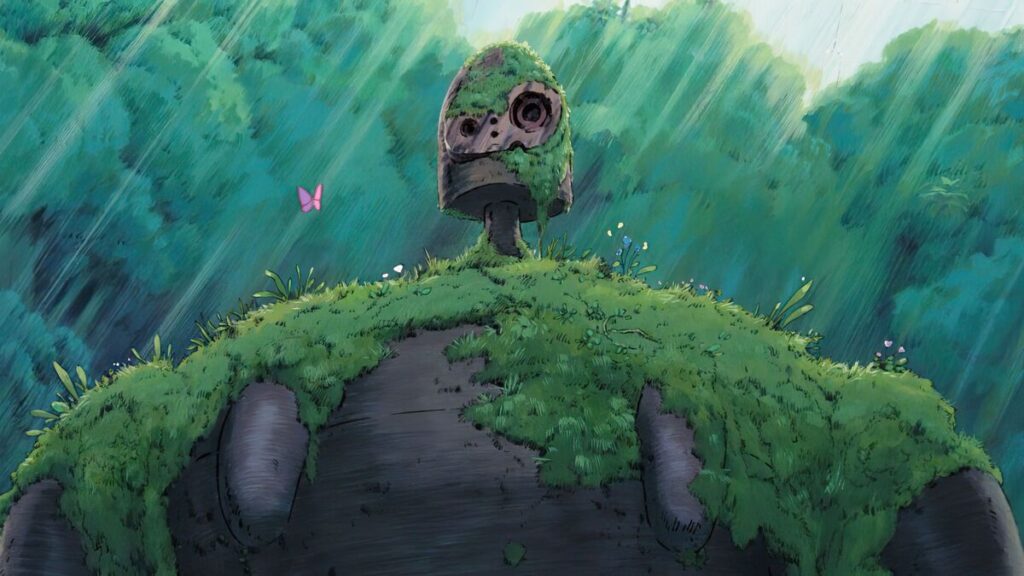
Through a kind of liberation of Laputa from people, Miyazaki speaks about the theme of ecology and nature. When Sheeta utters the spell and Laputa begins to collapse, everything created by human hands is destroyed. It turns out that the island was based on a tree, and it was the tree that supported Laputa, not people.
Thus, the flying piece of land becomes a metaphor for the purification of nature from human influence. And the people who left Laputa clearly did not leave under meteorites and acid rain, nor was war the reason for its disappearance. Most likely, people left voluntarily, which once again shows that nature is capable of alienating and removing all remnants of civilization from itself.
But not all people in Miyazaki are greedy villains with machine guns. The pirates — yes, with machine guns — yes, but by no means villains. And this is most vividly shown not through the main child characters, but through Dola and her family. They are the ones who are free, traverse the sky, and live by flight. Their dreams are not world domination, but merely gold. As the master shows, if they are free, then their souls are free as well. The soul is not confined to boundaries, but is capable of loving and accepting new people, making them part of the family.
'Castle in the Sky' is a spectacular journey of early Miyazaki. Yes, there is little drama here, and the plot follows all the narrative canons atypical for the animator. But 'Laputa' is the most airy (both literally and figuratively) creation of the director, showing what harmony is capable of, whether between man and nature or reality and fantasy. And as poetic as it sounds — any heights can be achieved and any dreams realized. You just need to let your soul take flight, where it will reach any floating castle.
Now I understand why Laputa was destroyed. In my valley, they sing a song: 'Sink your roots into the ground. Live in harmony with the wind. Meet winter with seeds, and in spring sing with the birds. No matter what terrible weapons are here, no matter how many unfortunate robots we create, we cannot live without the earth!'
Comments
0No comments yet.
Sign in to join the discussion.