
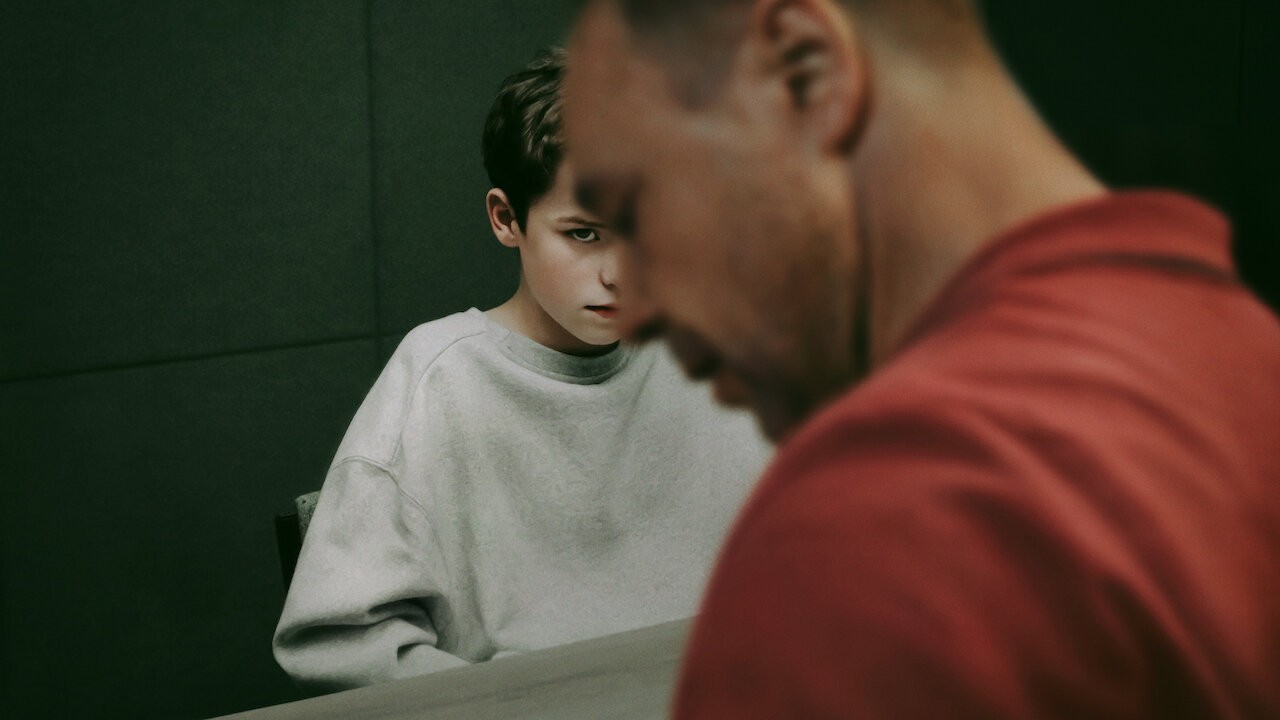
Adolescence is that rare gem from Netflix that can not only keep you glued to the screen but also deeply affect you. Ultimately, the series becomes a cruel and bitter reflection on how blind and helpless society is in the face of new threats.
There are series that you watch and just want to sigh and forget. And then there are those that leave a long trail of questions and emotions. Netflix's new British project — Adolescence — belongs to the second type. A crime drama, seemingly standard: a teenager is accused of murdering a classmate. But it is the way it is presented, the incredible acting, and the relevant, sharp themes that have made the series a true phenomenon, discussed everywhere — from social media and TikTok to critics' reviews.
Moreover, the series instantly captivated viewers, bursting into the top ratings without massive advertising or big names in the cast. It hits you in the gut from the first minutes and keeps you in emotional suspense until the very end, posing difficult and frightening questions about what is going on in the minds of today's teenagers.
What is the reason for its popularity, and why does the series both fascinate and frighten at the same time? Let's find out.
No Room for Error: What We Know About the Plot
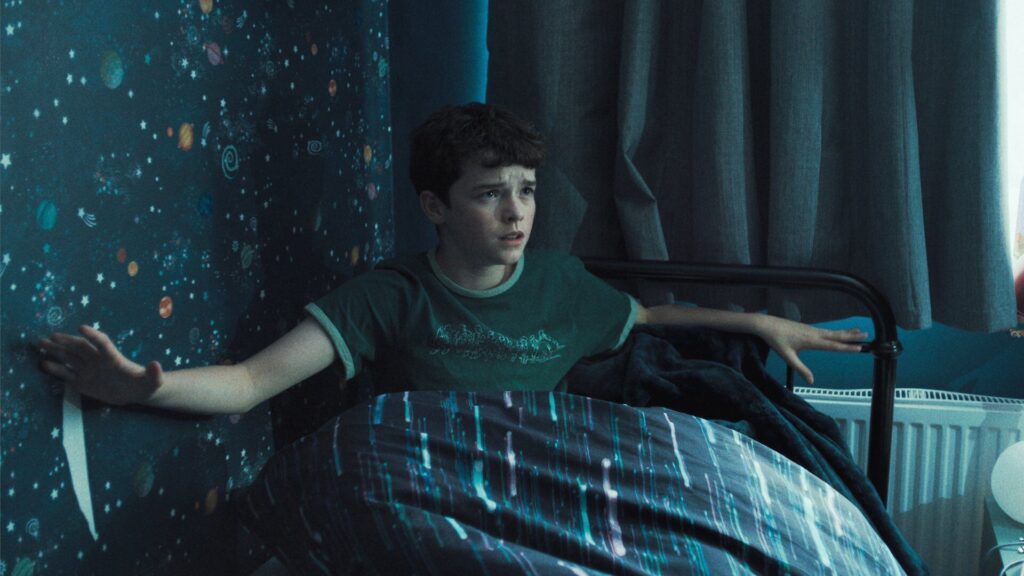
It is six in the morning when armed special forces literally burst into an ordinary English family home. Their target is 13-year-old Jamie Miller, accused of murdering a classmate, a girl named Katie. The beginning of the series is gripping. It is like a nightmare come true, especially for Jamie's parents, who watch as their son is led away in handcuffs right from his bedroom.
Interestingly, Adolescence does not play with mysteries and intrigue in the classic sense of crime dramas. We are made to understand almost immediately that Jamie is indeed guilty — the question is not who committed the crime, but why it happened. And the authors deliberately avoid simple explanations and do not reduce the story to domestic conflicts or family secrets.
Four episodes show events over several months — from arrest to court proceedings, from interrogations at the police station to conversations with a psychologist. Moreover, each episode is shot in one continuous take, without editing cuts, which adds realism and almost theatrical tension. It is like immersive theater.
The creators of the series, screenwriter Jack Thorne and actor-producer Stephen Graham, refused standard dramatic clichés, did not look for blame among parents or surroundings, and decided to delve into much darker and deeper themes: the radicalization of teenagers, the influence of social media, and that 'toxic' online space where modern children grow up.
Thus, Adolescence ceases to be just a crime drama, turning into a heavy study of how easily you can lose touch with your own child and how imperceptibly a teenager's world can become a dangerous territory closed off from adults.
Stephen Graham explained in an interview with The Hollywood Reporter that the title was chosen to emphasize how young teenagers who commit such violent crimes can be:
'The title is meant to remind the viewer that aggression and violence come from very young people — those we are still used to thinking of as children.'
The Dark Side of Growing Up
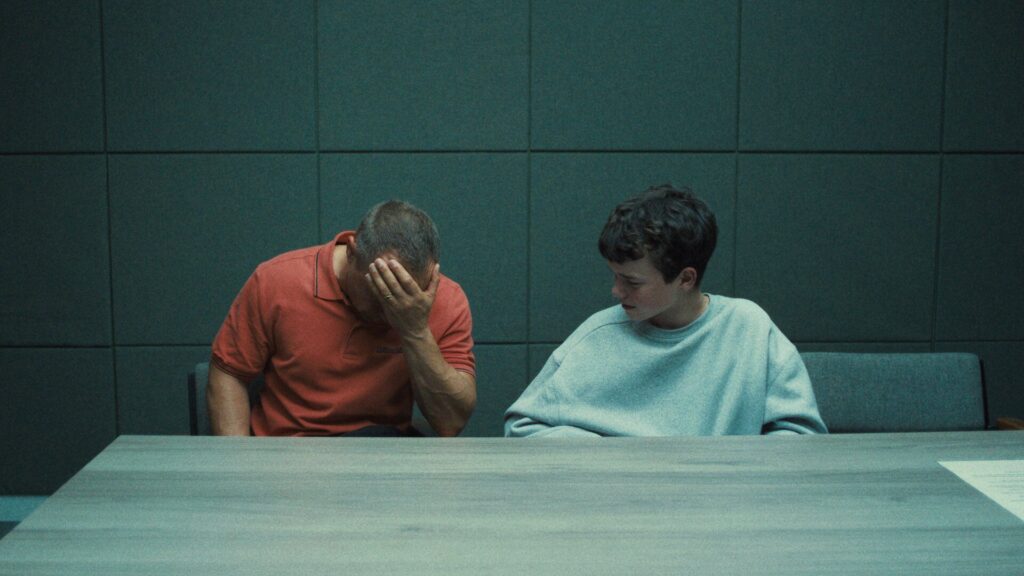
So, we have a vital discussion about teenage growing up, toxic masculinity, and how the online space can radically change lives and personalities.
The creators of the series pose one of the acute and painful questions of our time: why does a teenager, outwardly calm and completely ordinary, suddenly become a murderer? The answers offered are far from simple. This is not a story about a dysfunctional family, childhood trauma, or harsh upbringing. On the contrary, Jamie's family is quite ordinary, even well-off. The parents are not cruel, do not drink, do not argue in front of the children. And this is the main, frightening thought: tragedy can happen in any family, because it is born not only at home, but far beyond — in closed chats, among accounts and comments hidden from adults, in the aggressive rhetoric of online communities.
At the center of attention are concepts that have already become part of everyday life, but are no less dangerous for that: incel culture, radicalization of young people, and the influence of the manosphere on the perception of women and girls. The authors again unequivocally hint: Jamie's tragedy is not an isolated incident, it is a consequence of what is happening everywhere, and what many prefer not to be interested in until the problem affects them personally.
The series also shows how quickly teenagers can immerse themselves in alien and frightening ideologies. They literally disappear from the real world, while parents and teachers, confident that 'everything is fine,' turn out to be completely unprepared for tragedy. This is a world where adults do not always keep up with young people, where traditional forms of upbringing and control no longer work.
On top of that, the series is based on real events related to the rise in teenage knife crime in the UK.
'We were offered to shoot the series in the format of one continuous take, and we started thinking about the plot,' Graham says. 'At that moment, I came across an article about a teenager who stabbed a girl. And literally a short time later, I read about another similar case, but in a completely different part of the country. It shook me.'
Philip Barantini later added in an interview with The Wrap:
'The UK really has serious problems with teenage knife attacks. This problem has become especially acute in recent years. We wanted to highlight this, to show how scary it is, especially when such crimes are committed by very young people, practically children.'
The Series Everyone Is Talking About
At first glance, Adolescence had neither a loud advertising campaign nor super-popular A-list stars. However, the series instantly topped the ratings, receiving incredibly high marks from viewers and critics around the world. What made it so compelling?
First, the series captivates with its unique form: each episode is shot in one continuous take. What could have been just a technical 'gimmick' became a powerful tool for immersion in what is happening on screen. The camera makes us feel like direct participants in the events. This 'real-time' effect heightens the emotional tension to the limit and keeps us in a state of anxiety.
Second, the relevance of the themes played a crucial role. Adolescence seems to have peered into the hidden life of teenagers, showing how helpless parents, teachers, and even the police are before a new generation living by its own, often cruel, laws. And on TikTok, the floodgates literally opened for a broad and painfully frank discussion about the conditions in which children grow up today.
Furthermore, the success of the series is largely due to the highest level of acting. The performances of Stephen Graham, Erin Doherty, and young Owen Cooper have drawn admiration from even the most demanding viewers and film critics. But we will talk about that in more detail.
And finally, Adolescence is great because it does not try to please everyone. It does not smooth over sharp edges, does not soften blows, and does not simplify answers. The series deliberately provokes discomfort, forcing us to ask ourselves uncomfortable questions. This is the kind of film that makes you want to talk, argue, and, most importantly, think.
How Adolescence Was Filmed: One Take, One Chance
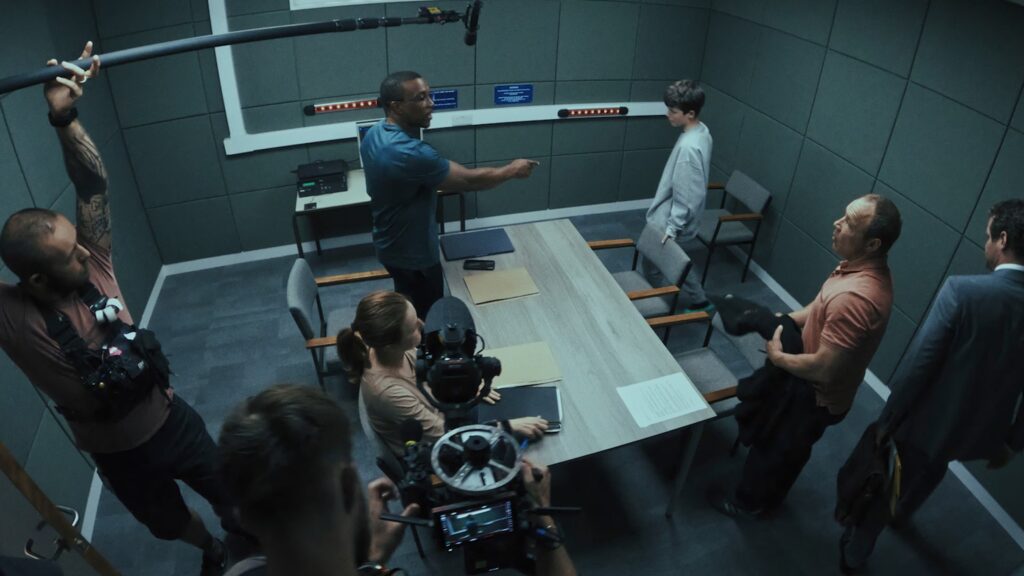
Well, this approach is not new: a similar technique was previously used in films like '1917' and 'Birdman,' and director Philip Barantini had already worked with it in the acclaimed film 'Boiling Point.' However, in Adolescence, this technical device reached a completely new level of mastery and complexity.
'I didn't want the single-shot filming to be just a flashy trick,' Barantini emphasizes in an interview. 'We wanted it to look natural, seamless. Not for the sake of an impressive spectacle, but for maximum immersion in the story.'
For example, the impressive opening scene of the first episode, in which special forces break into the house, arrest Jamie, and take him to the station, was filmed without a single edit. The camera operator literally passed the camera from hand to hand: from the car to a crane, then back to the operator in the house, then into the police van, and so on. Every step was precisely calculated, rehearsed, and carefully executed.
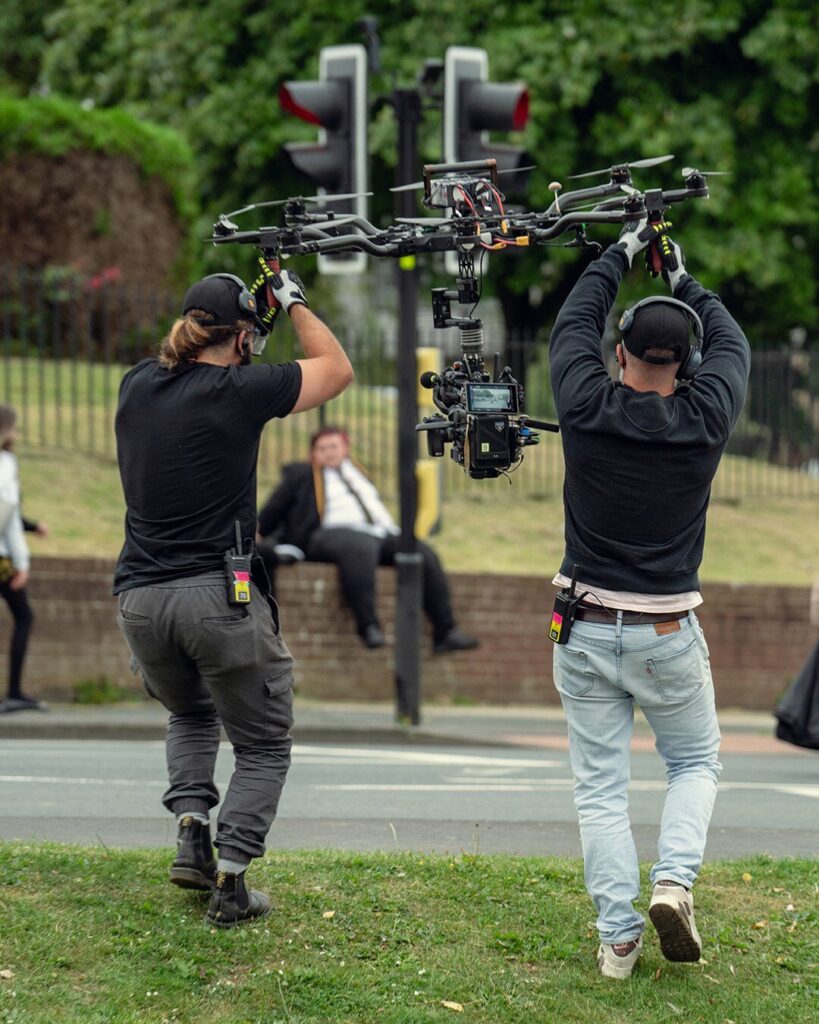
'During filming, sometimes we literally had to hold our breath,' says cinematographer Matt Lewis. 'Any small mistake would mean having to start all over again, and that involves dozens of actors, equipment, and several months of preparation.'
The third episode was particularly challenging, consisting entirely of a tense conversation between Jamie and the psychologist, where the camera does not distract with tricks but is completely focused on subtle psychological nuances. According to Philip Barantini, this episode was a special challenge for actors Owen Cooper and Erin Doherty: they played a continuous scene lasting almost an hour, with no room for error.
The Netflix team has already shared details on social media:
- Initially, the plan was: each episode was shot over 5 days with two takes per day (total — 10 takes per episode). But in reality, some takes had to be interrupted and started over, so some episodes required much more than ten takes.
- Rehearsals were conducted in stages: the actors started with small parts of the script, gradually increasing the volume of material rehearsed. On the first day of rehearsals, they only went through five minutes of the script, gradually building up the runtime. By the end of the week, the actors were going through the entire episode from start to finish.
- During filming, the actors and camera operator moved along pre-rehearsed routes to ensure that operators and equipment did not appear in the frame. If any crew member needed to appear in the shot, they were specially dressed to blend in with the extras and look like ordinary passersby or teachers.
- How many extras were used in the school in the second episode? 320 teenagers portraying students, and 50 adults playing teachers, parents, and passersby. And yes, each one had to be in the exact place at the exact moment. This episode required 13 takes!
- What happened if someone forgot a line or made a mistake in the frame? Everything had to start over. Sometimes the crew and actors would go through almost the entire episode perfectly, but one small mistake could lead to a complete reshoot of the episode. No room for error!
Acting and Casting
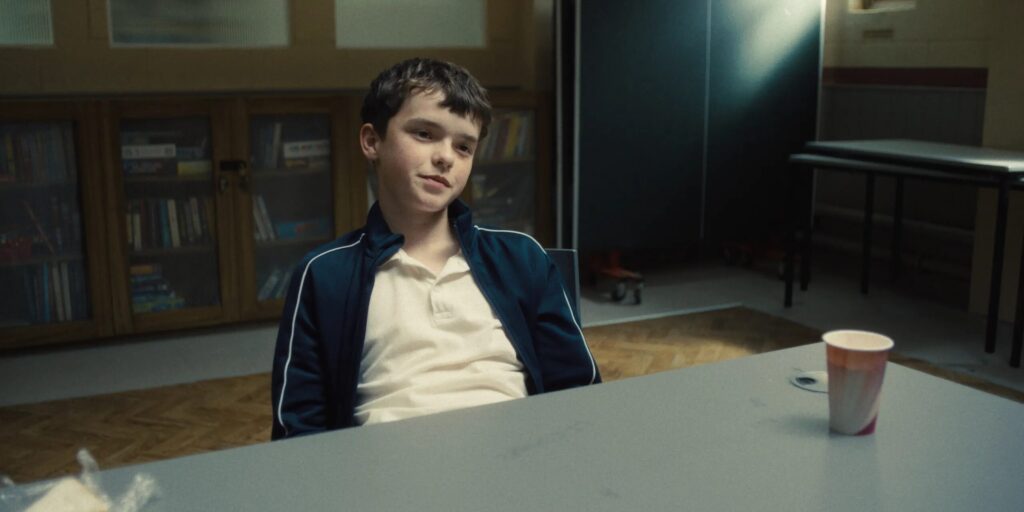
No matter how talented the director, no matter how innovative the script, success is unthinkable without powerful acting.
The main discovery of the series is undoubtedly Owen Cooper, who played the role of 13-year-old Jamie Miller. Surprisingly, this role is his debut. Casting director Shaheen Baig looked through over five hundred candidates before settling on Cooper, and the choice turned out to be amazingly accurate. The young actor transitions absolutely naturally from the image of a confused and frightened teenager to an aggressive, frightening young man.
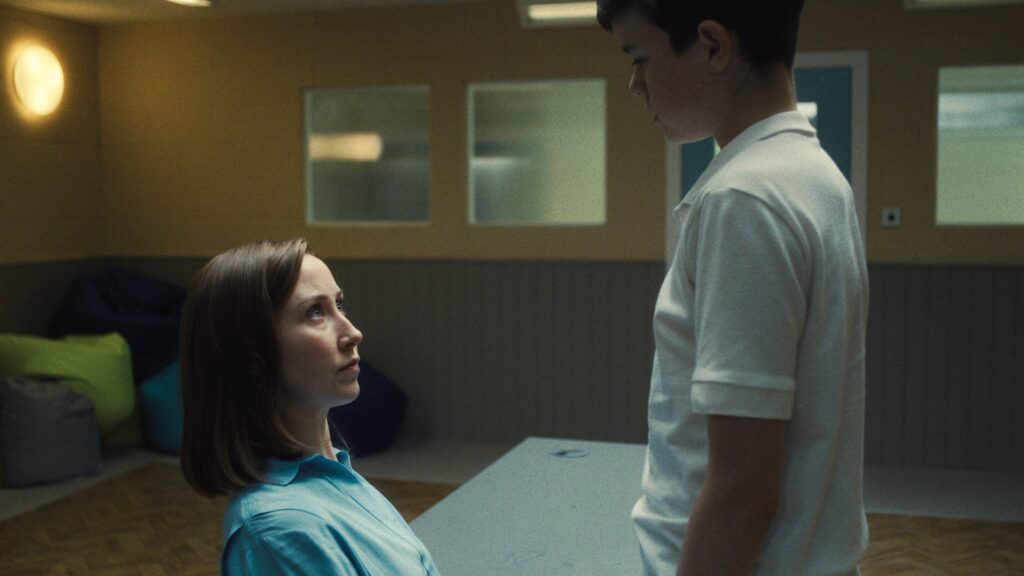
In an interview, Erin Doherty, who played child psychologist Briony, speaks admiringly of Cooper:
'This guy is one of the best actors I've ever worked with. The fact that this is his first job is just incredible.'
Once during rehearsal, Cooper found it difficult to emotionally enter the aggressive state of the character. Barantini recalled this moment:
'Owen literally froze and couldn't get out of the emotions. We just went outside, sat on the curb, talked, and I told him: "Now you know what it's like. You've already experienced this emotion, and you can control it."'
And, of course, we must mention Stephen Graham, who played Eddie, Jamie's father. Graham, who also co-created the series, delivers perhaps the strongest role of his career. His Eddie is the embodiment of confusion, despair, and unbearable pain that a parent experiences when faced with the unthinkable act of their own child.
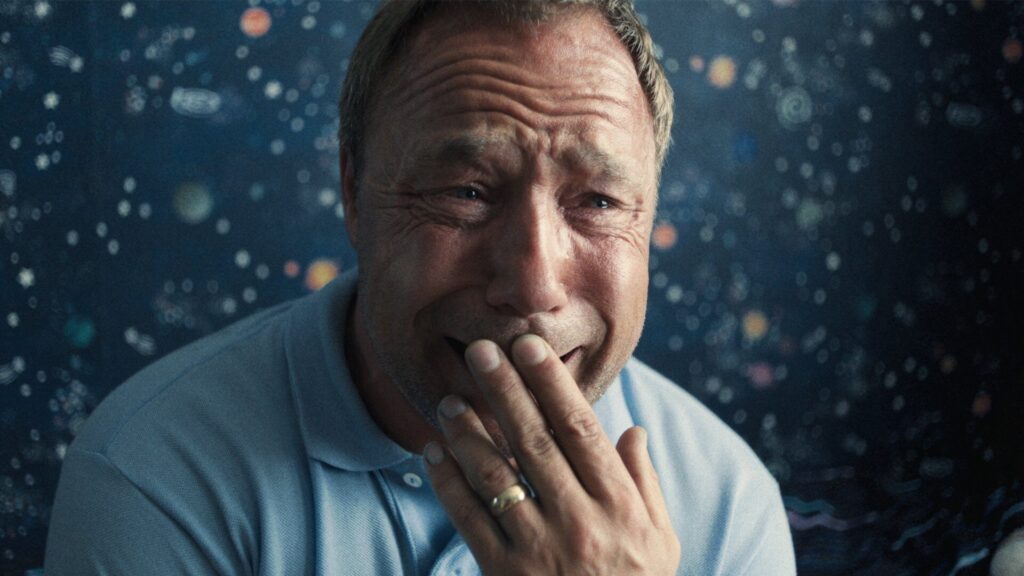
The actor himself shares in an interview:
'It was important to me that my character did not look like a monster or a victim of circumstances. I wanted to show an ordinary father who doesn't know what to do, because this could happen to anyone.'
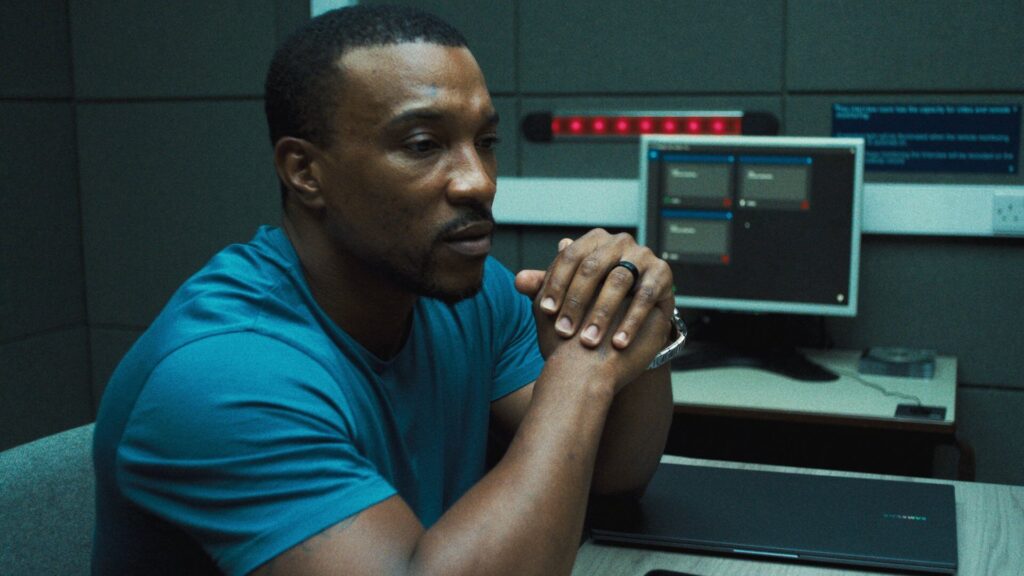
In addition, the series handles supporting roles excellently. Ashley Walters and Faye Marsay as detectives, Christine Tremarco as Jamie's mother — all brought subtle and convincing nuances, making each character believable.
'We didn't want the viewer to get easy answers. Our goal was to show how complex and confusing everything is, just like in life,' emphasizes Jack Thorne.
Conclusion: Why Adolescence Will Be a Series You Can't Forget
Adolescence is that rare gem from Netflix that can not only keep you glued to the screen but also deeply affect you. Ultimately, the series becomes a cruel and bitter reflection on how blind and helpless society is in the face of new threats.
The authors managed to tell a story in which there are no simple answers or convenient explanations. This is not just another crime drama, but an emotional shake-up that exposes the most disturbing aspects of life. It seems this is exactly the series that everyone with children needs today, and everyone who wants to understand the new generation.
Technical boldness, multiplied by the highest level of execution, has made Adolescence one of the most striking series of recent years and shown that television series today can achieve truly cinematic quality.
So, if you are ready for an emotional shock and want to understand what the whole world is talking about, then Adolescence is a series not to be missed.
Comments
0No comments yet.
Sign in to join the discussion.