

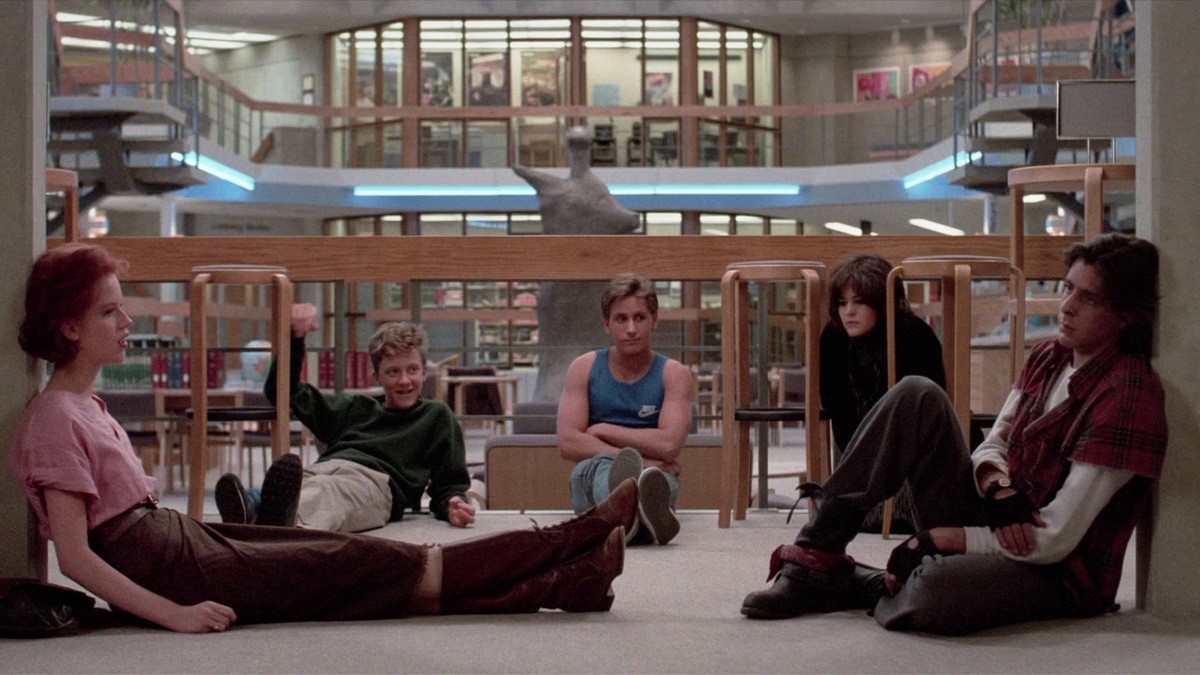
On February 15, the main teen film of the 80s (and not only) turned 40 years old. How "The Breakfast Club" locked five students within the library walls, and what came of it — in our article.
"And these children that you spit on as they try to change their worlds are immune to your consultations. They're quite aware of what they're going through."
Like and , the discussion of "The Breakfast Club" must begin with a quote from David Bowie's song Changes — the opening line of the film. The only difference is that the five students, after all, do not know what awaits them, just as they do not know who they are or what they represent.
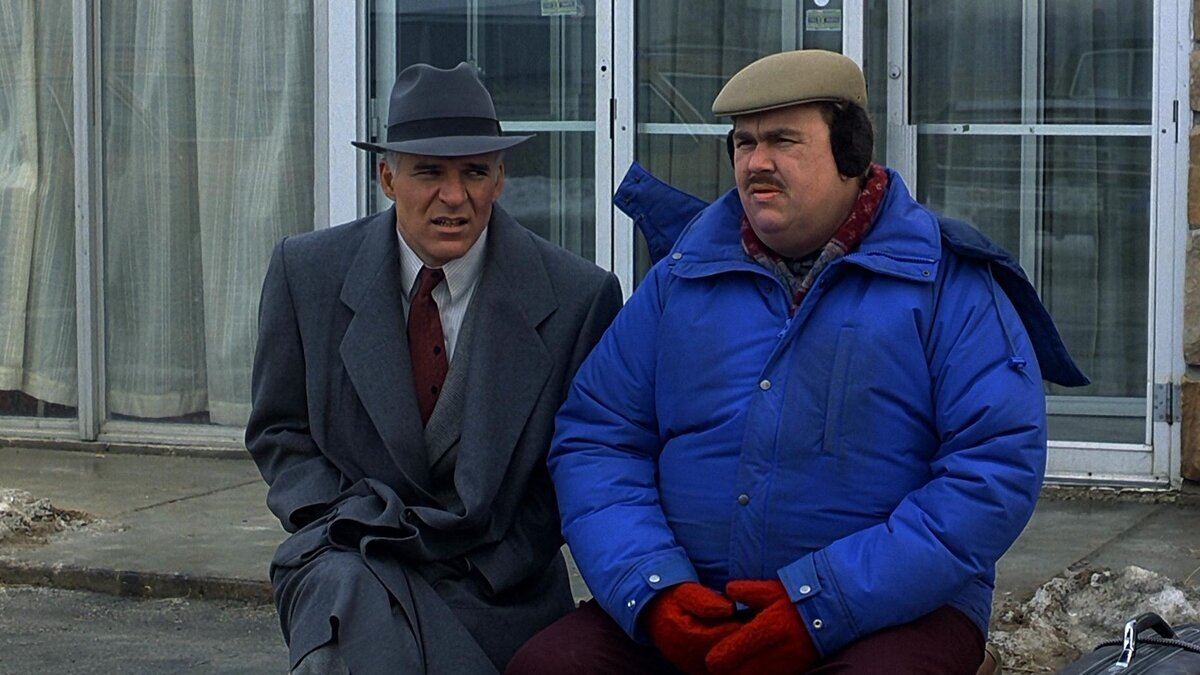
"Planes, Trains and Automobiles" or maybe "Curly Sue"? We talk about the family films that made John Hughes so beloved.
Open materialWhat happens if you lock a group of teenagers in school for an entire day and give them nothing to do? No, there won't be any raunchy stuff; there will be existentialism. Self-examination and reflection — something not expected from teenage characters in movies at that time.
It became common to portray teenagers in the apotheosis of puberty. Wild behavior and sexual preoccupation were the main drivers of the plot. "Porky's," "The Last American Virgin," or slashers like "Friday the 13th" spoke of completely different problems lurking in the minds of students.

Undoubtedly, sex education for teenagers is important, but what about self-examination of the kind: what to become in the future, what will I achieve, do I have real friends? Cinema was used to showing them from a wild side, but didn't want to look into the night window where a student can't sleep because of a bunch of thoughts. And far from being about how to pick up a pretty girl.
Hughes pulls back the curtain and removes the masks from once cool (or not so cool) kids. The characters have to spend Saturday in the library and ponder who they are. The most clichéd but extremely vivid images to make the difference between characters visible — the brain, the athlete, the princess, the criminal, and the basket case. A dream team to save the world.
"The Breakfast Club" is somewhat reminiscent of a shift at a children's camp. At first you walk apart from each other, then you get closer and share intimate thoughts, and later comes the moment of parting. Everyone says they will write to each other and hang out when they are in the same city, but they face the harsh realities of life. Hughes' characters also wonder if they will be friends after leaving the school walls.
— So what's going to happen on Monday? I mean, are we still friends? If we're friends now?
— You want the truth?
— Yes. I want the truth.
— I don't think so.
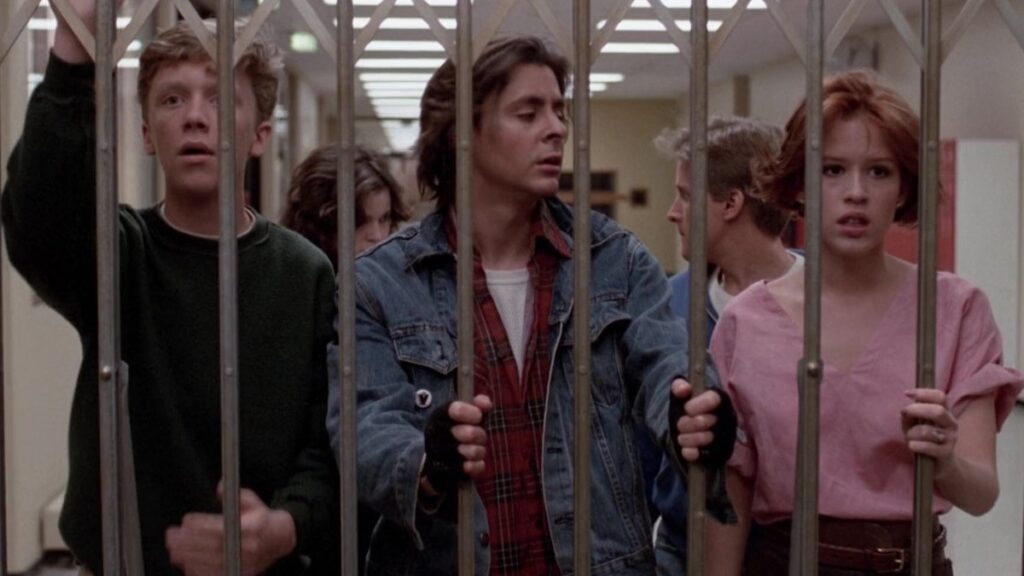
And the problem is not a lack of desire, but social roles. Characters like the athlete or the princess find it easier to stay in that role. They have friends and established behavior to follow. They don't need to think about how to present themselves or gain the attention of peers; everything has long been decided for them.
But roles come with a script to follow. If you're an athlete, you'd better conform. Hang out with the cool kids, win competitions, forget your dreams if they run parallel to a promising career. This worries the characters of "The Breakfast Club."
On a Saturday, they can take off their masks and be themselves, but tomorrow they'll have to stand with their groups and pretend nothing happened. "What will others say if they see us together?"
— Be honest, Andy. If Brian comes up to you on Monday, what will you do? Just picture it. You're standing with all the other jocks. You know exactly what you'll do. You'll say hi to him, and when he walks away... you'll talk trash about him to your friends so they don't think you're friends.
It turns out that almost everyone in the group is unhappy. Someone is a projection of their father, someone's parents pay no attention to them, and someone needs to try their hardest to be noticed. None of them like their way of life, but they can't do anything about it, mostly so as not to upset their parents.

Adults in Hughes are shown as those who cannot understand their children's problems. Whether it's a teacher, rude and insolent, or parents picking up their kids on Saturday with displeased faces. The only one portrayed in warm tones is the janitor, a former school star, who says that school will end and a lot of new and interesting things await the teenagers in life.
The director was more interested in understanding the problems of students and showing the world through their eyes. As it is.
It's hard to say who the target audience of "The Breakfast Club" is. For the 80s, it was a breakthrough in teen cinema. But now many find it overly clichéd, chaotic, and with a muddled ending.
We often see students in cinema in the same vulgar images, and even for our time, "The Breakfast Club" can be a breath of fresh air, only with a 40-year-old charm.
Dialogues and reflections on truly important and personal things will never become banal. They concern everyone, and Hughes proves that. As well as the fact that behind the mask of any beauty may hide an insecure girl with a desire to change her life.
— Dear Mr. Vernon, we accept the fact that we had to sacrifice a whole Saturday in detention for whatever it was we did wrong. Yes, we are guilty, but making us write an essay about who we are is just insanity. What do you care who we are? You see us as you want to see us. In the simplest terms, in the most convenient definitions. We found out that each of us is a brain, an athlete, a basket case, a princess, and a criminal. Does that answer your question? Sincerely yours, the Breakfast Club.
Comments
0No comments yet.
Sign in to join the discussion.