

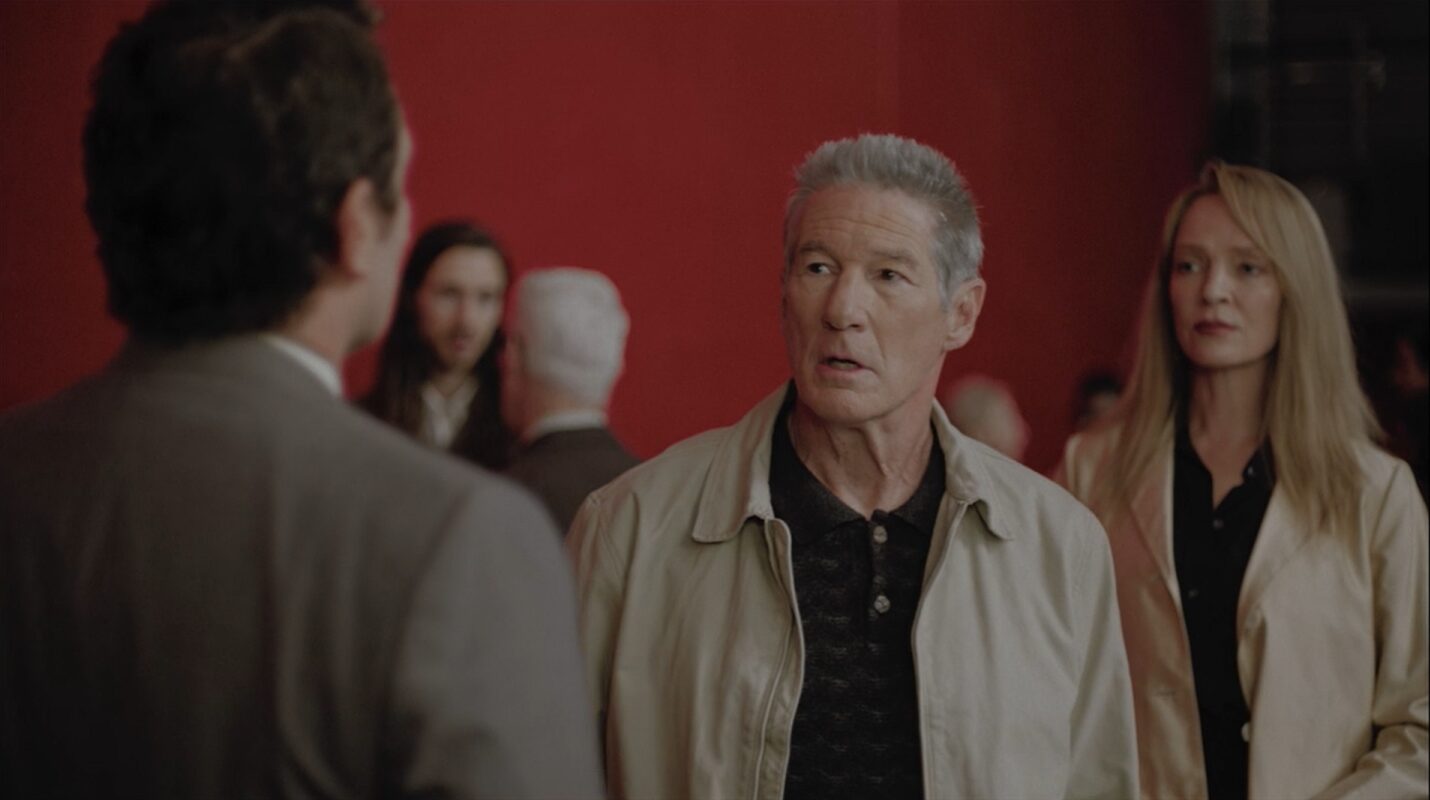
In Russian cinemas you can watch Paul Schrader's film, which participated in the Cannes Film Festival last year. His recent works include 'The Card Counter' and 'The Quiet Gardener'.
Renowned documentary filmmaker Leonard Fife ( ) is in the final stage of cancer and realizes he doesn't have long left. He decides to give a candid interview in which he intends to reveal his most terrible secrets from the past without concealment. However, Leonard sets an important condition: his loving wife Emma ( Uma Thurman ) must be present in the room. He will never agree to hold the confession ceremony without her presence.
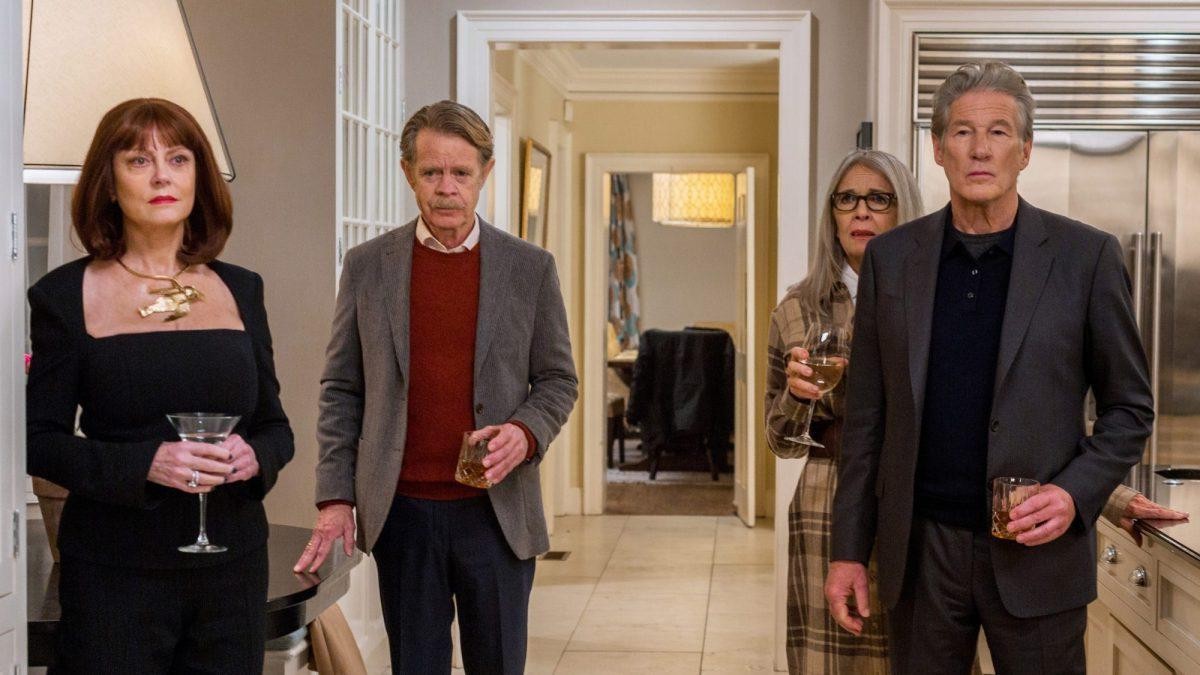
'Meet the Parents' has been released, a rather unremarkable rom-com that somehow stars four stars from the golden age of the genre. About the oddities of this film – in our review.
Open materialDirector and screenwriter Paul Schrader hints to the viewer that the film will reveal unpleasant truths about a man who dedicated his life to exposing others. The frank stories from his youth are meant to show the truth about a man who has been hiding behind myths about himself all this time.
However, the result is an incoherent story in which the character himself gets tangled in his own thoughts, dragging the viewer along with him. By the finale, nothing happens that would evoke any feelings of empathy. But let's take it in order.
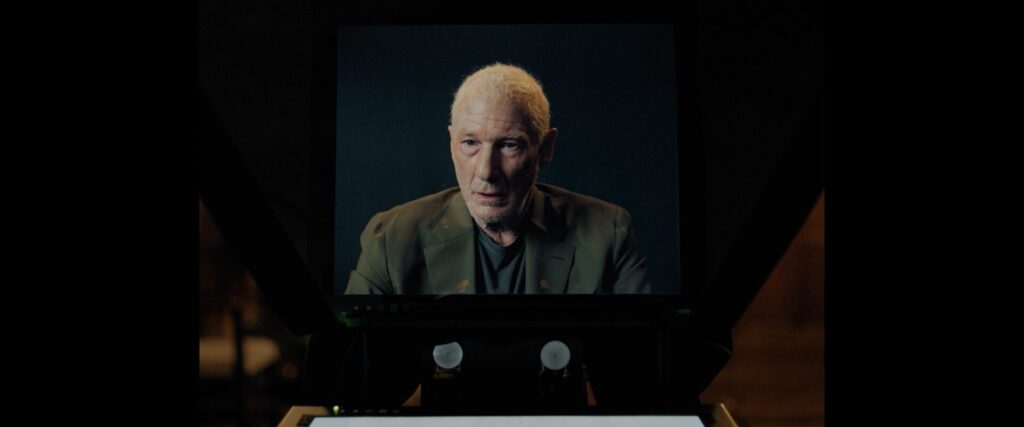
The film 'Oh, Canada' was based on the novel by writer Russell Banks, who passed away in early 2023, and the film is dedicated to his memory. From the very first frames, it becomes clear that the writer's death deeply affected the director, and he sympathizes with the main character. However, this sympathy is not revealed deeper than a mere hint.
Throughout the film, despite its short runtime, it is difficult for the viewer to feel compassion for the main character or even hatred towards him. The script lacks clear details that the character would be ashamed of, and those that are presented are shown fleetingly and do not create a coherent picture. And if this were a feature of the film, one could say that everyone has their own truth or skeletons in the closet. But no. The idea and moral of the film are clear, but seem too bland and disappointing.

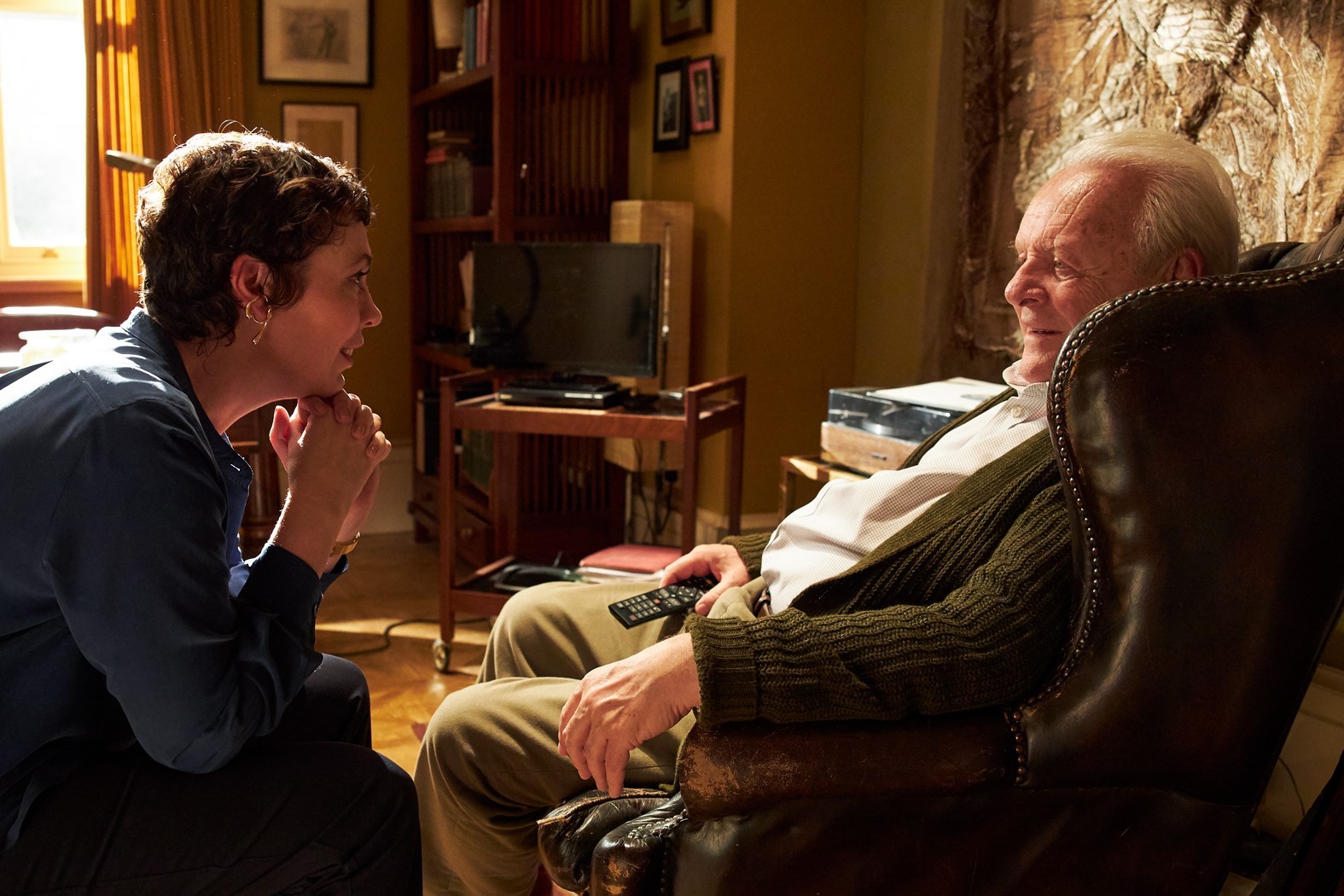
The script is perhaps the weakest point of the film 'Oh, Canada'. The plot develops non-linearly. The main character, telling about his past, transports the viewer to where his younger version is played by Jacob Elordi ('Saltburn'). A little later, the viewer notices how notes from the present intrude into the memories of the past (in structure, it somewhat resembles the film '' with Anthony Hopkins ). The viewer is asked to solve a complex puzzle in which it is difficult to understand what is truth and what is lie (even for the main character). It seems that the author himself does not pursue his own chosen vector. One can only assume that some fragments are part of Leonard's fiction. However, the viewer is not left even a hint of this.
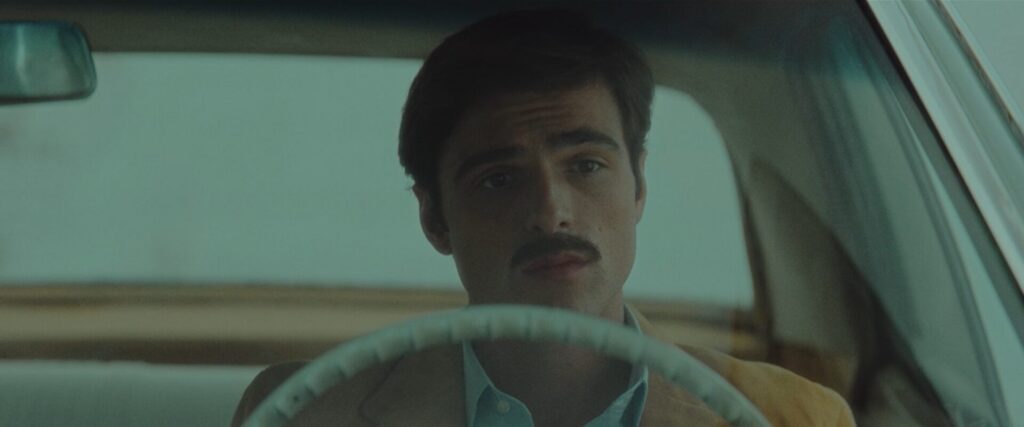
The kaleidoscope of events, confusion in facts, faces, and circumstances create a large and complex structure that collapses by the finale like a house of cards under the weight of its own ambitions. Director Paul Schrader failed to realize his own vision, making a film more for himself than for the viewer. And behind the prevailing form of the film, the main plot is lost.
There is not much to write about the directorial techniques in this film, although there are moments worth noting.
Despite the narrative being somewhat disjointed, the director tries to create a coherent picture using framing and play with color. He switches between color and black-and-white registers, although this technique is not innovative. We have seen something similar in Christopher Nolan's recent film '' and earlier in his 'Memento'. This play with inconsistency helps not to lose the last connection with the film.
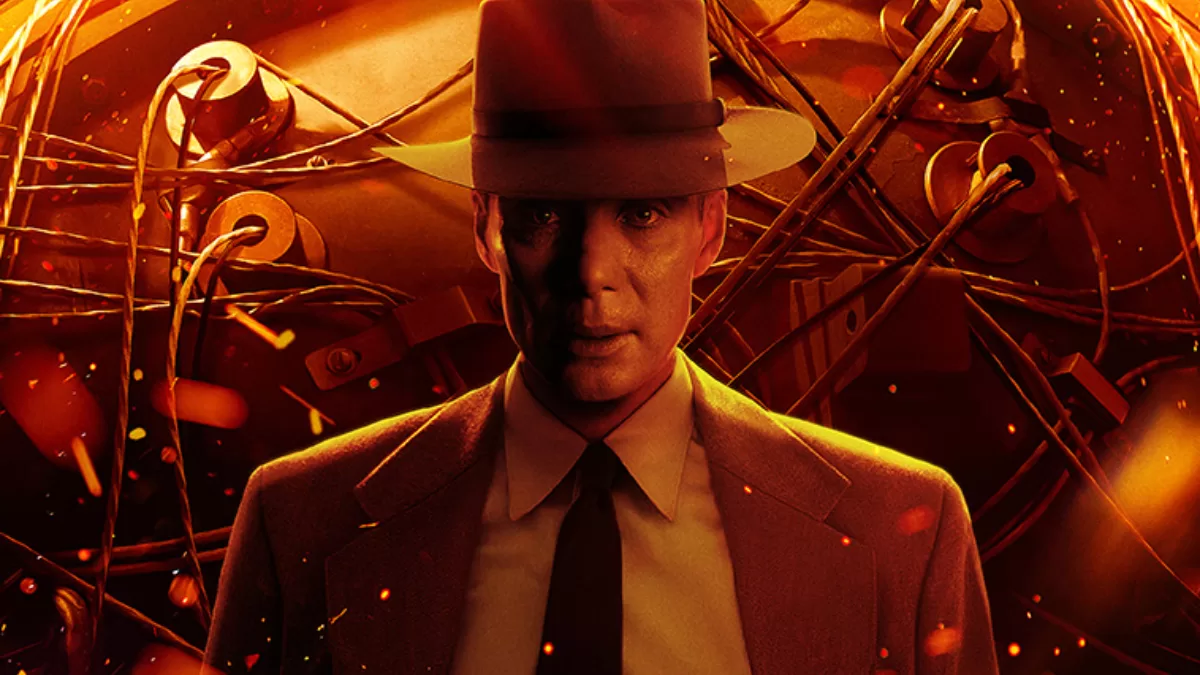
The authors of 'After the Credits' discuss the pros and cons of Nolan's deliberately taken neutrality towards the story of Robert Oppenheimer.
Open material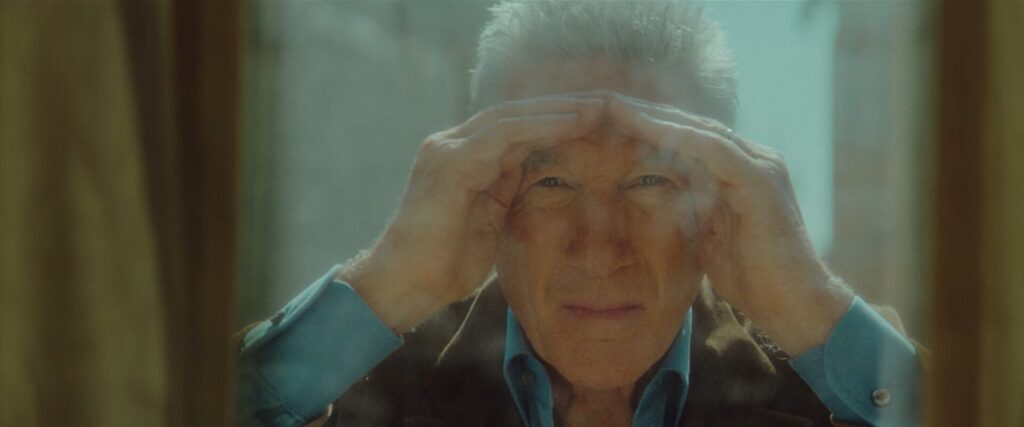
Or, for example, in the film you can see how the main character's older version appears in his memories. This could be a reflection in a mirror or an editing of a scene that clearly shows that the hero has memory lapses. However, even this technique seems more like a play with form than with content, and does not save the overall impression of the film. In the end, it can be confidently stated that his previous directorial works were much more successful.
Behind all the incoherence of the narrative, the film's finale turns out to be not a complex philosophical statement, but a rather simple moral. It is unclear why the director needed to hide this banal thought behind such a complex and multi-layered plot.
Trailer:
Comments
0No comments yet.
Sign in to join the discussion.