
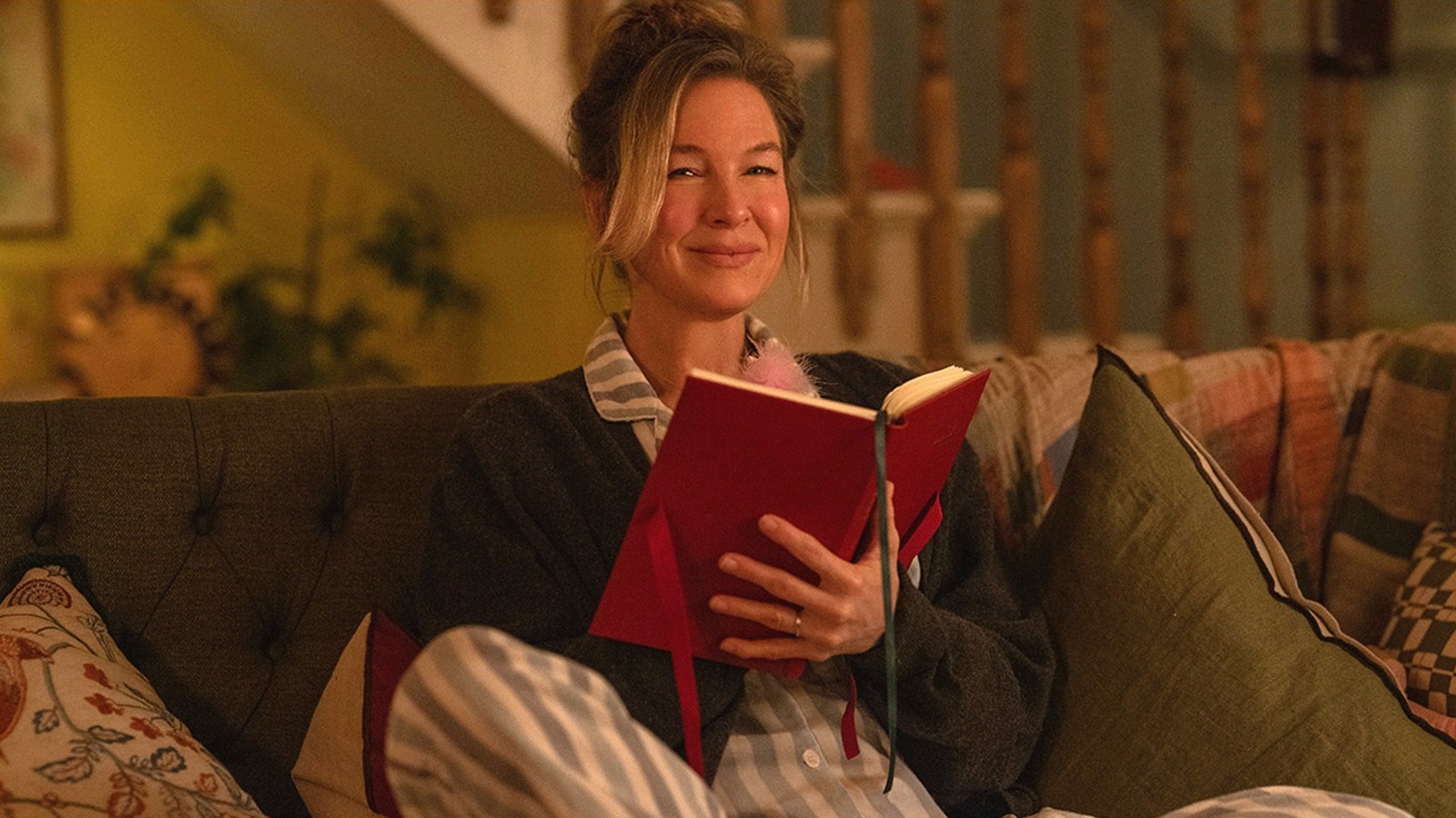
A romance with a young guy, reflection, and Easter eggs: we discuss why the quadriquel 'Bridget Jones: Mad About the Boy' can delight, make you cry, and surprise the viewer.
Well, let's be honest, Bridget Jones is an iconic pop culture figure who has become somewhat of a household name associated with infantilism, absent-mindedness, neglect of health, and, of course, Mr. Darcy. So there is no doubt that even those who were skeptical or negative about the eternal vacillations of the blonde will still be interested in watching 'Bridget Jones: Mad About the Boy', even while mourning the loss of the heroine's lifelong love.

Sending valentines to ourselves with our top films about self-love: from 'Frances Ha' to 'The Secret Life of Walter Mitty'.
Open materialBridget (Renée Zellweger) is over 50, she is raising her son and daughter from Mark Darcy (Colin Firth) alone, as her husband died during a humanitarian mission in Sudan. For 4 years now, Jones has been in a state of grief and longing. But time passes, the well-being of the children must be taken care of, so Bridget returns to work and signs up on a dating site. An infatuation in the form of a young handsome man (Leo Woodall) soon finds her, and now the single mother must begin a new chapter in her life, piecing together and resolving many complex moral issues.
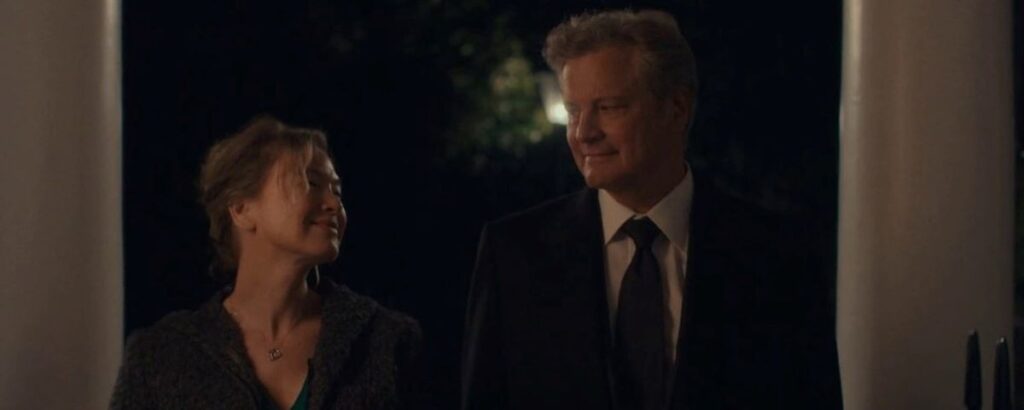
Admit it, you always want to peek behind the scenes of the happy endings offered to the viewer and see how the characters live and feel after it. But is the viewer really ready for the fact that a happy ending is a convention of a specific time period, after which life can go completely differently than imagined? And each of the 'Bridget Jones' films is a clear confirmation of that. Having gotten together with Mark Darcy at the end of the first film, Bridget breaks up with him in the sequel. Having received a marriage proposal in the sequel, she remains single by the third film. Having had the long-awaited wedding in the third film and given birth to a child, she becomes a widow by the fourth film.
But while in the first three films the theme of continuing life after setbacks was a great support for the comedic component, a kind of manifesto, a rousing light story of a strong woman living by her own standards, 'Mad About the Boy' will unleash a colossal burden of mental anguish of a broken woman on the viewer.
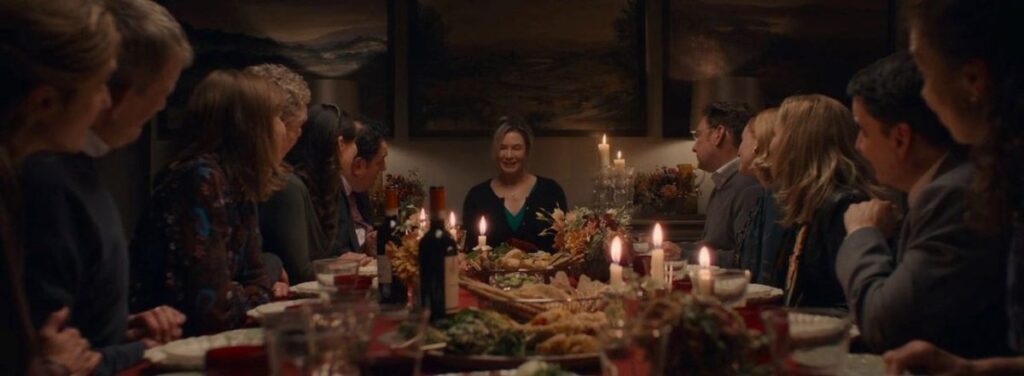
Yes, Bridget remained true to her characteristic traits. Her apartment is still a mess, in the fridge besides peas it's hard to find decent food, her favorite pajamas, aging with her, are in place, the skirt and blouse set that once caught Daniel Cleaver's eye still fits, the song All by Myself has morphed into a Netflix account login, and only swearing has to be camouflaged with something more decent, because you can't curse around children.
She still communicates with the same people and hears from those around her 'old songs about the main thing', but the imposition that it seemed before is now mixed with the need to actually follow some of these advice, because, as the heroine of Emma Thompson sums up: 'Put the oxygen mask on yourself first, then on the child.'
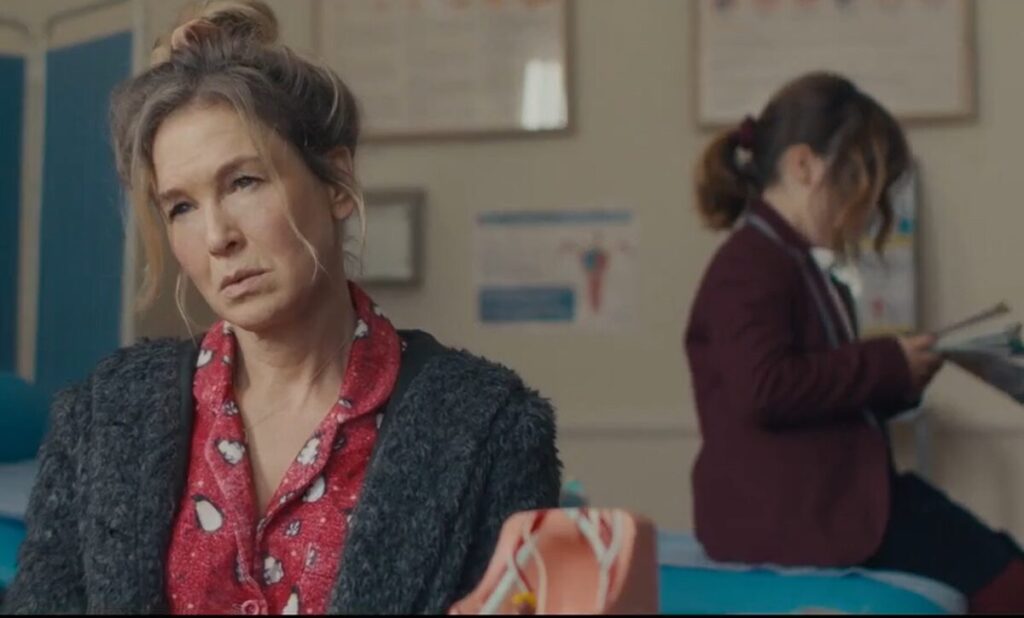
And oxygen is more than necessary, because Bridget is tormented by heavy thoughts. She feels the weight of motherhood, understands that it is difficult for her to raise children alone, that they need a father, but does not see the moral right to continue life with another man, thereby betraying her love for Darcy. How to build a new life and not destroy what was built in the old one?
The creators were not afraid to remove excessive comedic elements, leaving only some moments of caricature, and gave the story more drama. And the catharsis of torment occurs when the viewer is allowed to share the intimate with the heroine, to see how tender Bridget is towards all the memory items of Darcy and how she cries, stroking her husband's glasses and admitting that she cannot live without the love of her life. And how good Renée Zellweger is in dramatic moments, and there will be many, believe me.
'Bridget Jones: Mad About the Boy' manages to replicate the model of the previous films, but reads it differently by exploiting a different emotional base. Again there are two men, opposite to each other, again the confrontation between the images of passion and reason comes into play. But in the context of the situation, they turn not just into a choice of the heart, but into reflections on the swiftness of time, parental responsibility, and priorities.
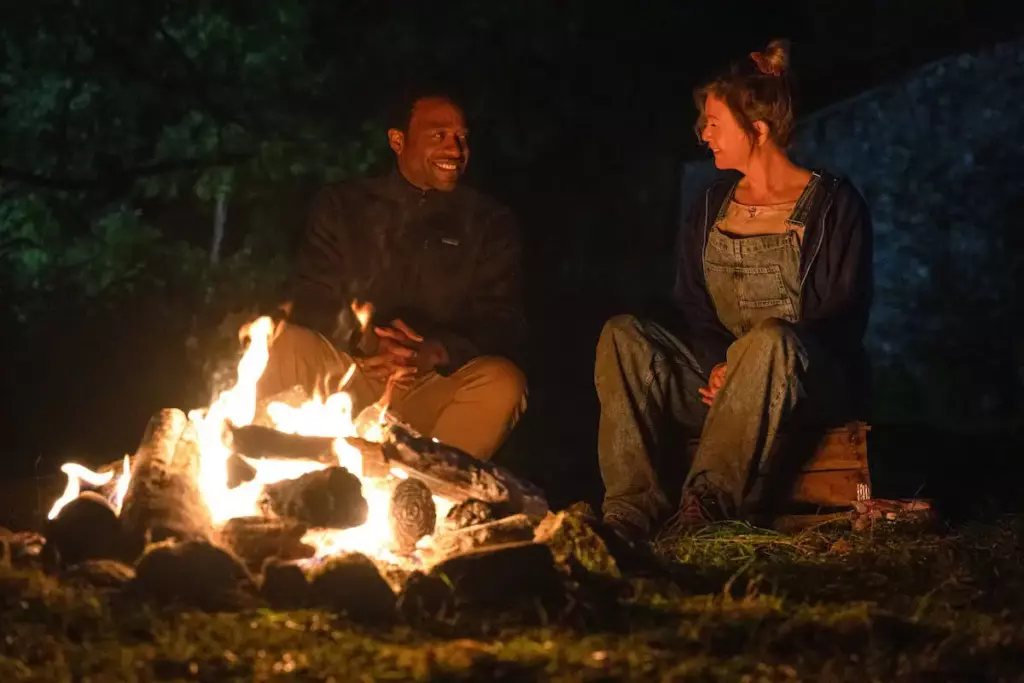
And even though Bridget's surroundings dryly drone on about modern mores and opportunities, basically nothing changes around the heroine, the backbone of upbringing and old (not meaning outdated) models is still unshakable for this story, like Bridget herself, who has preserved herself, so the conflict seems to be exhausted even before the film itself puts everything in its place. And the heroine's internal conclusions that leaving grief behind does not equal leaving the person behind are much more interesting than the rather boring pair of new men. Especially since the resurrected Cleaver dropped by for a visit.
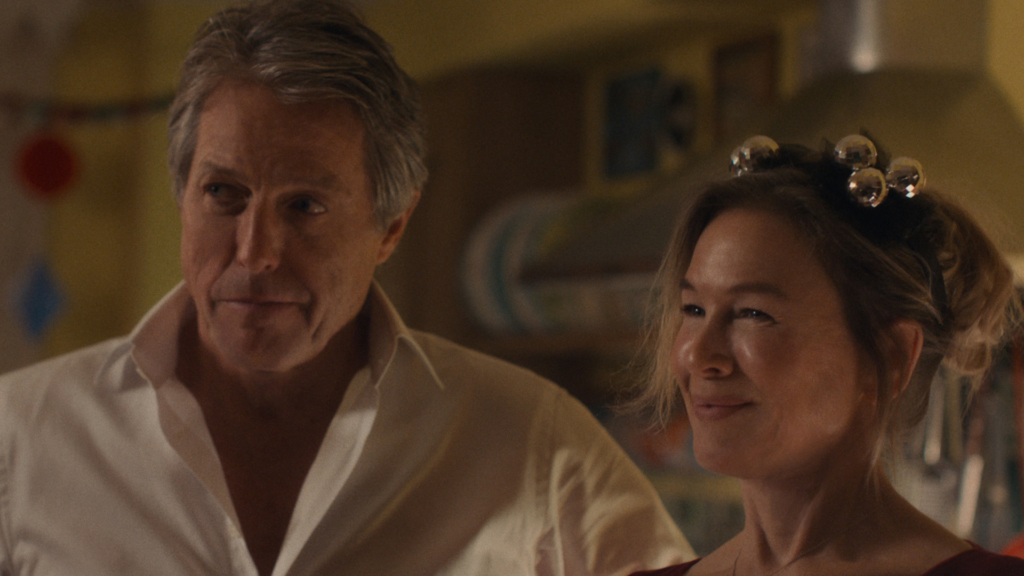
Hugh Grant may not appear often in the film, but he gives it his all. Still the same womanizer and smooth talker, Cleaver still reminds Bridget of her control-top panties and cracks lewd jokes, but now they have lost any hint of romance, since Daniel is now the heroine's friend, a loving uncle to her children, and a man who has realized that chasing after girls has deprived him of the opportunity to have truly close people around, the only one being Bridget.
Over the 20-plus years that we have been watching the characters, it has finally become clear what each behavior pattern can lead to, and we have also seen a new generation that directly depends on the decisions and actions of adults. They are still young enough not to be given the lion's share of the film, but they have experienced enough to deeply reflect on very serious topics, such as preserving the memory of a lost parent.
'Bridget Jones: Mad About the Boy' is also attractive because it visually references the first films. The captured characters and seen locations create a feeling of intimacy of place and closeness of the heroes, and the used tracks, such as Should I Stay or Should I Go by The Clash, not only hit the mark with their lyrics, but also shield from the excessive pressure of modernity.
Everything happening on screen leads to the main thing – you need to cherish and be with those who are truly important. Then you won't have to regret the people you missed in life. And the sadness living inside from tragic losses does not prevent you from being a happy person. Whether the viewer needed another part about Bridget Jones is a debatable question. Whether it is necessary to know about this facet of the personality of a long-loved heroine – perhaps.
Comments
0No comments yet.
Sign in to join the discussion.