
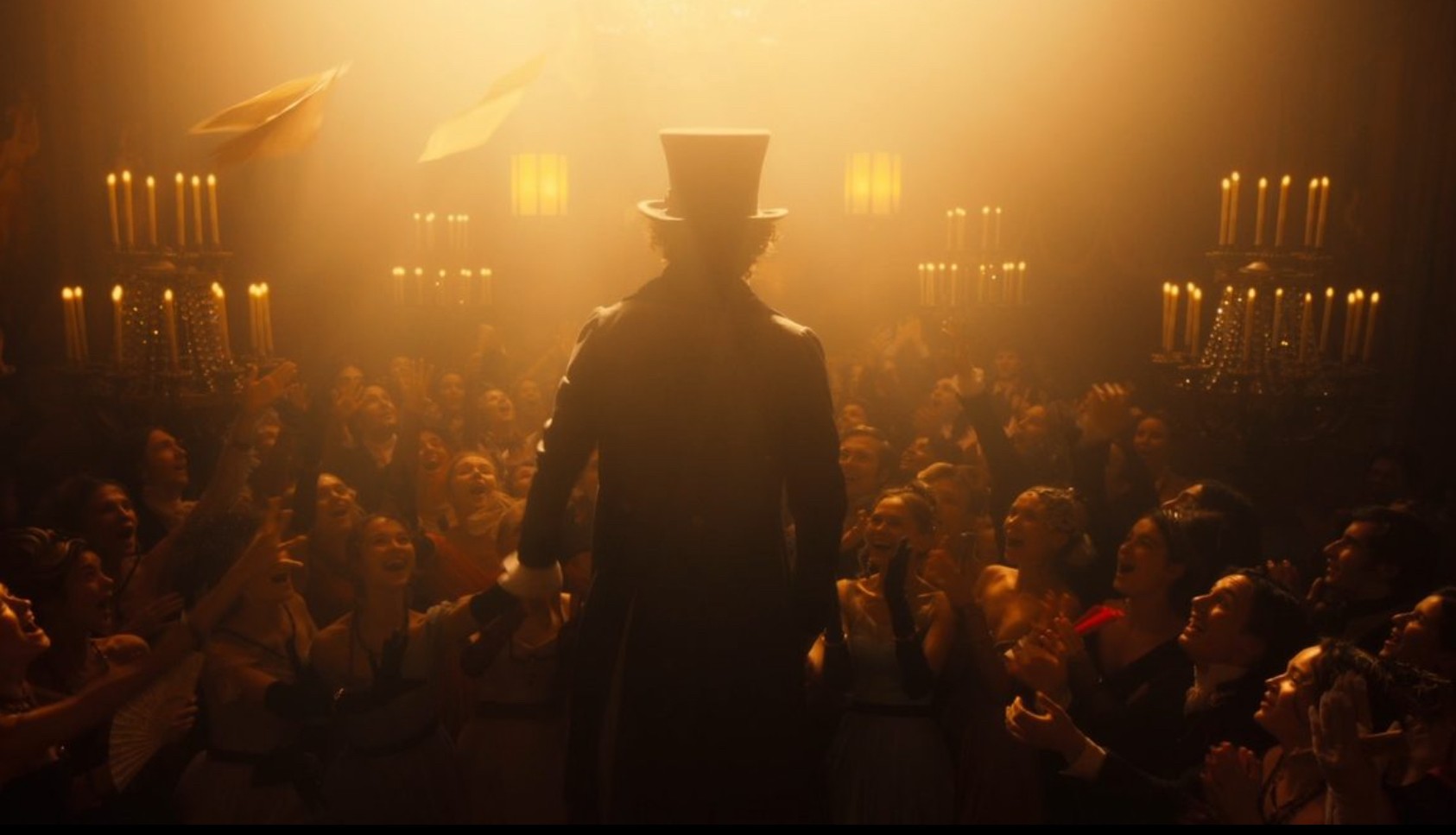
The biographical musical 'The Prophet' with Yura Borisov as the legendary poet has hit the screens. Why it deserves your attention, despite all its controversial aspects, is in our review.
Alexander Pushkin (Kai Getz / Yura Borisov) showed great promise from an early age. One of the first to notice the enormous potential in the young talent was Derzhavin himself (Dmitry Podnozov). After graduating from the Tsarskoye Selo Lyceum, the extraordinarily talented and excessively daring poet plunged headlong into the social life of the capital. True, his sharp tongue was not to everyone's liking. Soon he made a dangerous enemy in the person of Alexander Benckendorff (Sergey Gilev), the head of the secret police. What happened next, you already know from school.
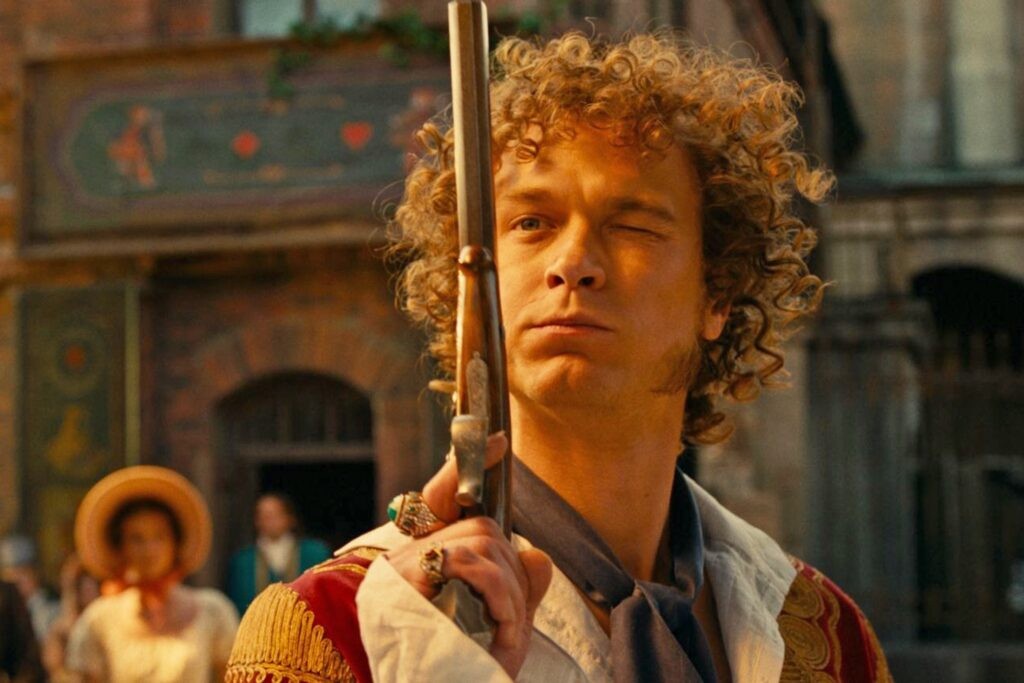
Most likely, the first ten minutes of 'The Prophet' will seriously frighten you. Young Pushkin participating in a rap battle with his teacher is a spectacle that is at least disconcertingly belated. Even in 2017, at the peak of Versus' popularity, this episode would have looked like a clumsy attempt to connect with a young audience. However, do not rush to leave the hall after this wild introduction: the outdated bad taste ends there.
However, even this ridiculous beef at the beginning sets the tone for the entire film. 'We were taught freedom from childhood at the lyceum, and you will not be able to take it away', the students chant in unison, echoing the gifted upstart. These words fully reflect the leitmotif of the film. 'The Prophet' by Felix Umarov is nothing less than a hymn to creative freedom. Pushkin himself, in his youth, was not averse to extravagant and shameful antics. Therefore, one wants to forgive the aforementioned misunderstanding to the almost-debutant who took on his biography.
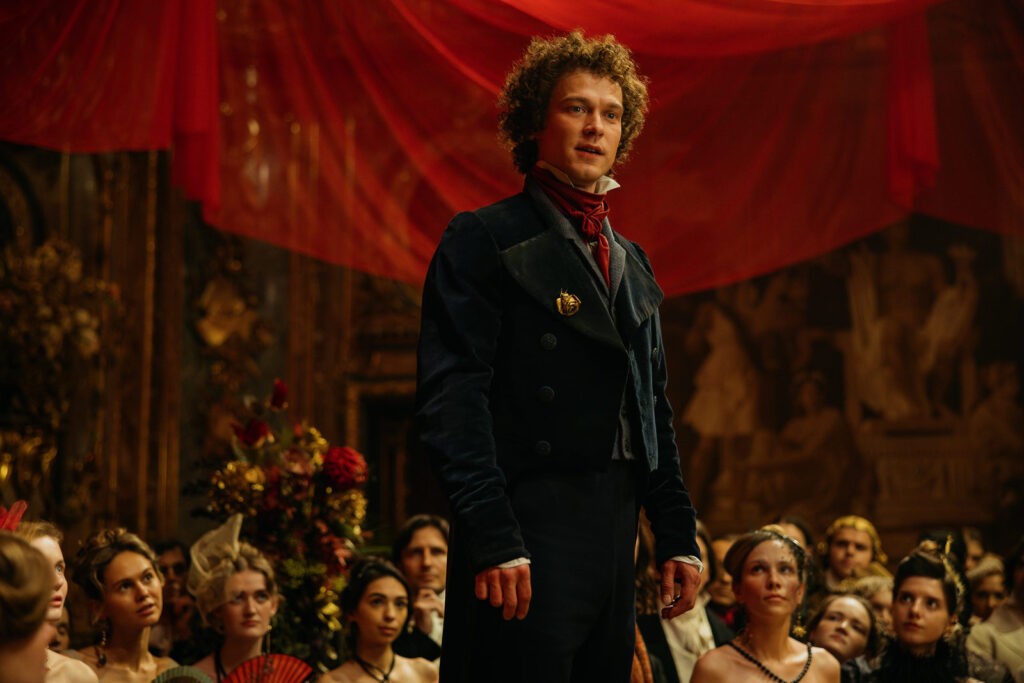
As soon as the grown-up Alexander Sergeevich, brilliantly played by Borisov, appears on screen, the film begins to slowly restore its reputation. It soon becomes clear that the concept of a musical about the great poet, even with rap compositions, is not as hopeless as it might seem at first glance. Even if the staging of the numbers here does not reach the level of, say, Chazelle's 'La La Land' (which inspired the director), it definitely deserves praise due to the lack of any comparable quality analogues.
There are, by the way, not many songs in the film—only eight, which is a rather modest number compared to, say, some other musicals. With the exception of the prologue nonsense, they are all executed at a fairly high level and quickly stick in the memory. It's unlikely anyone could have guessed that the track by The Hatters, done in the style of remixes from Luhrmann's 'The Great Gatsby', would organically fit into a biopic about a literary genius, but surprisingly, it worked.
'Joker: Folie à Deux' has appeared in theaters, a film that only the lazy haven't criticized. This is undeserved, and in fact Todd Phillips has made a beautiful sequel. About all its
Open material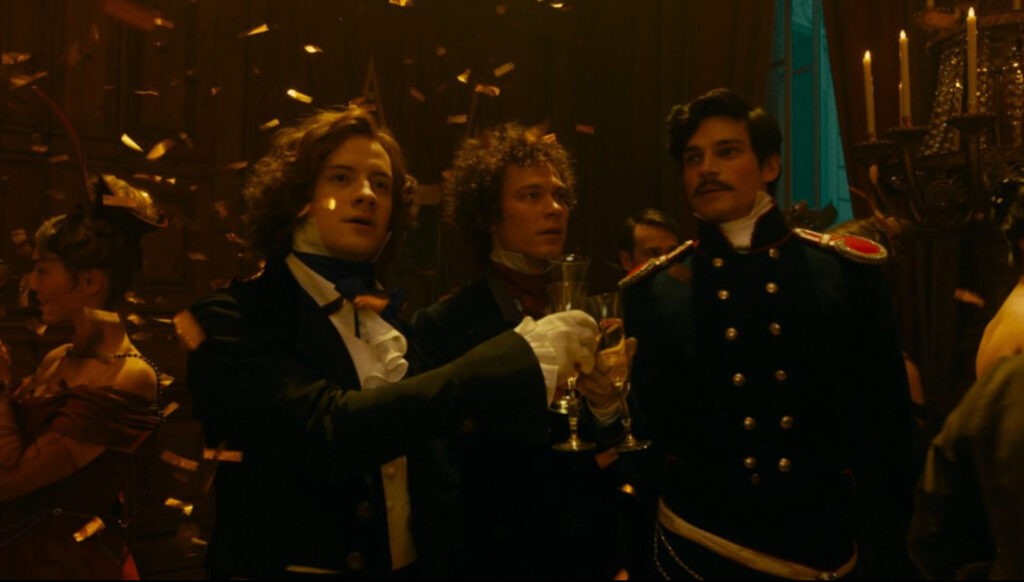
As for the story, many episodes from Pushkin's biography in 'The Prophet' are shown relatively accurately: not without a touch of authorial fantasy, but with strict adherence to the time frame and attention to detail. Alexander Sergeevich's life can be viewed from different angles, and if desired, turned into either a political thriller or a sentimental rom-com. Screenwriters Alexey Kurganov and Valery Zorkin took a different path, creating a genre mix.
However, the confrontation with the censors, led by the head of the Third Section, Benckendorff, still comes to the fore. The philosophical duel between the characters of Borisov and Gilev is no less important for the plot than the fatal duel with Georges Dantes. The gendarme and the poet disagreed on who should 'save the fragile human consciousness from the chaos of the universe.' Whose side the film's authors are on in this battle is beyond any doubt.
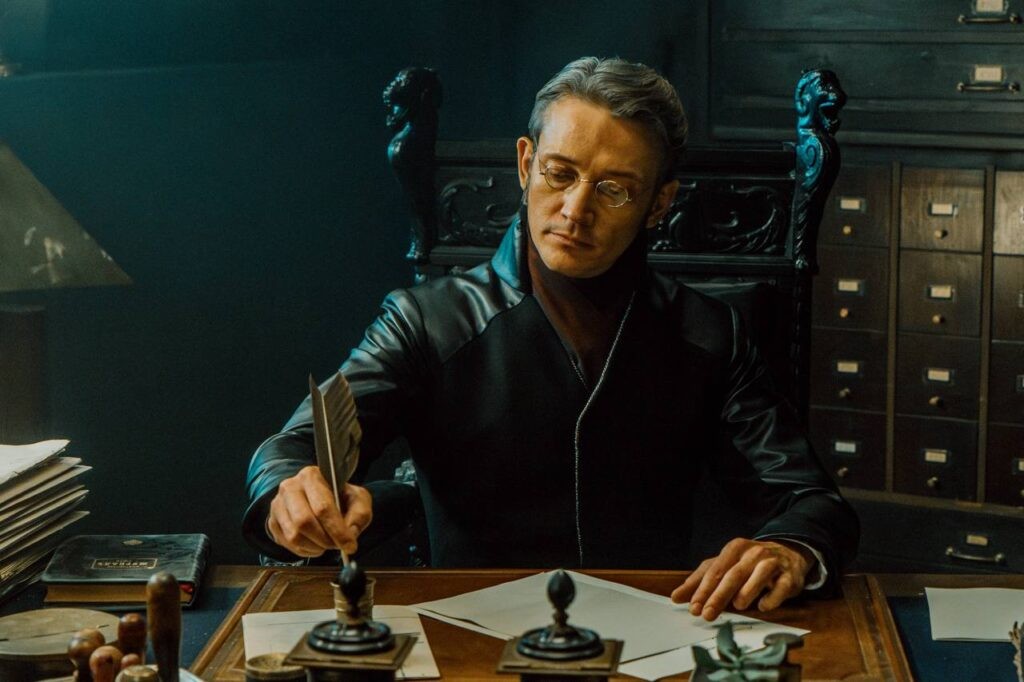
The Decembrist revolt divides the story of 'The Prophet' into two parts, which differ noticeably in tone. In the first half, Pushkin appears to the viewer as a rebel idealist and passionate romantic, while in the second, he is a family man seeking peace, whom the emperor calls 'court poet.' He is forced to compromise his conscience so that his name is removed from the register of unreliable individuals.
In the third act of the film, when the focus is on the love triangle with Goncharova and Dantes, the dynamics noticeably sag, but not to critical levels. However, the very idea of drawing a parallel between Pushkin's killer and himself in his youth is an unusual dramatic move. That is precisely why the French seducer, who intended to cuckold our hero, is so poorly written.
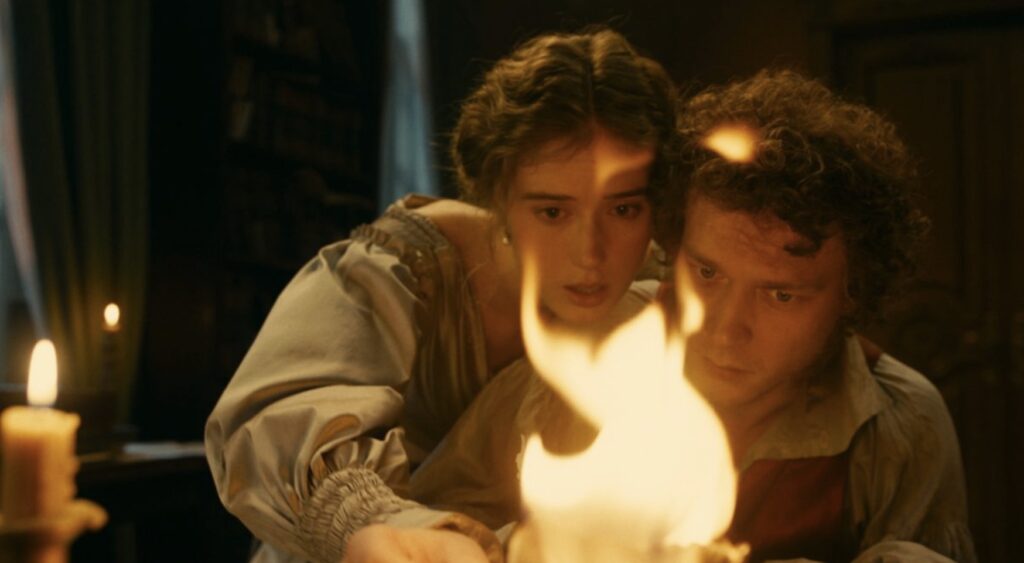
If you really want to, you can find plenty of rough edges and flaws in 'The Prophet,' but you don't want to do that simply because such big-budget experiments are a rarity on domestic cinema screens.
The fearless rock 'n' roller Felix Umarov managed to do what no one had done before him: challenge the pseudo-admirers of the poet by presenting a spectacular vaudeville to the public instead of a boring biographical reference for Pushkin scholars. For encroaching on the 'sacred,' he, like Andryushchenko ('A Hundred Years Ahead') and Lokshin ('The Master and Margarita'), will be anathematized by conservatives, but that won't change the essence. As Ivan Pushchin would say, we really lack such voices now!
Trailer:
Comments
0No comments yet.