
Love can be different, not only between people, but also between a person and Death (with Brad Pitt's face), and also between a person and a robot. Romantic relationships with androids have long been written about by science fiction writers and filme...
As the classic Alexander Pushkin said (there could have been an ad for the film "The Prophet. The Story of Alexander Pushkin" here), all ages are submissive to love. And we want to tell you that not only all ages are submissive to love, but also genetic modifications, robotic systems, and neural network devices. In honor of the upcoming Valentine's Day, we decided to trace how love ethics in cinema changed and developed, how science fiction rethought relationships, and how love for androids ceased to be something incredible and impossible.
Love No One Thought About
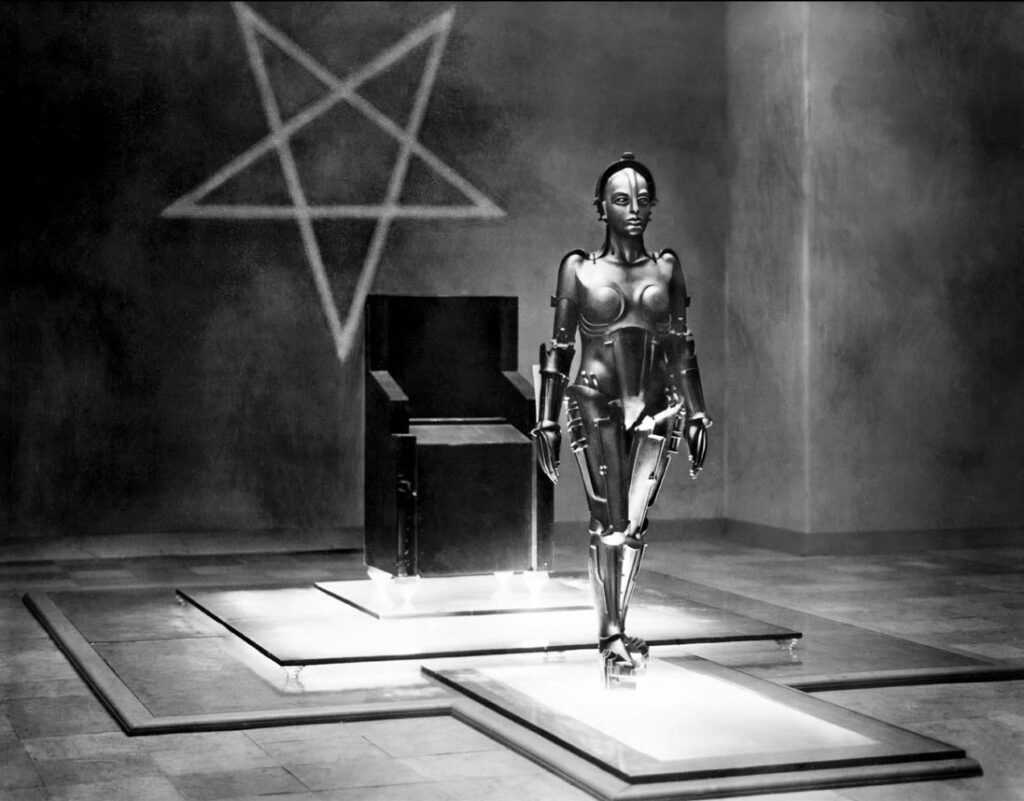
In cinema, a robot first appeared in Fritz Lang's film "Metropolis" — a girl named Maria. No one flirted with her or had love orgies, but she was one of the main characters in the film. But this was 1927, and it seems people weren't that interested in robots at the time. Back then, it was easier to imagine Dracula, Frankenstein's monster, werewolves, and other monsters and supernatural creatures as romantic heroes.
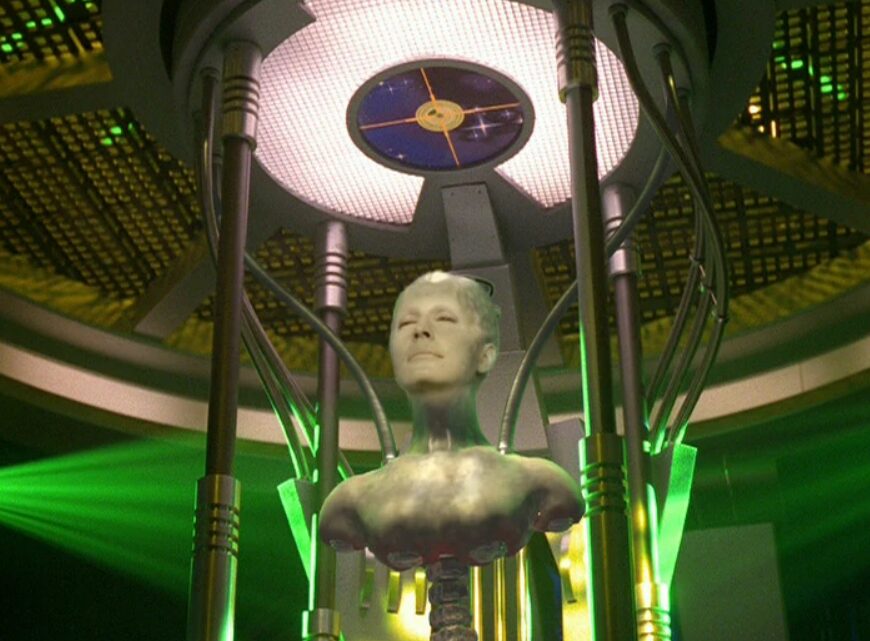
But on television, robots began to appear actively from the mid-20th century. First of all, thanks to the ethically and ideologically groundbreaking series "Star Trek", which launched in 1966. Gene Roddenberry managed to discuss the most controversial and complex topics within this show through plots featuring various aliens and robots. Jealousy and love had never been so multifaceted and diverse.
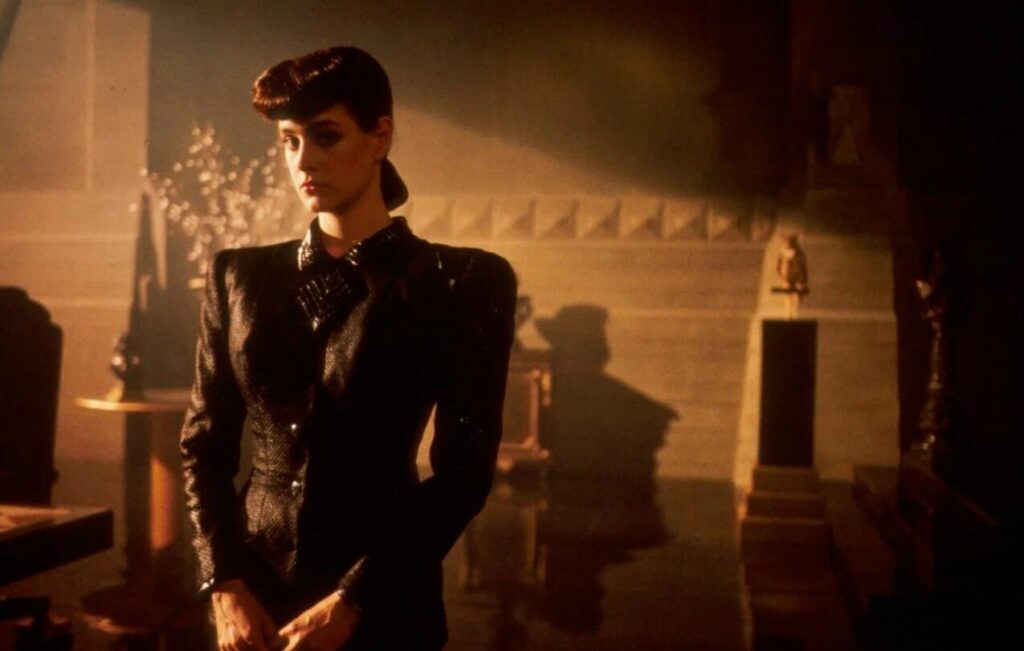
Later, machine heroes began to appear more often in cinema: they can be seen in "Star Wars", "Alien", and "The Terminator". But no romantic messages or feats in the name of love were to be expected from them, and Sarah Connor even wanted to kill the Iron Arnie for a while. Ridley Scott seriously addressed issues of love and self-identification among robots and androids in "Blade Runner" in 1982. His replicants broke Harrison Ford's heart and made fans of Rutger Hauer suffer.
In the 1980s, two films were released — "Weird Science" and "Electric Dreams" — where the plot was driven by a man's romantic attraction to the female sex of various modifications. In one case, two guys created an ideal computer woman, and in the other, a computer program developed feelings for a human.
In Paul Verhoeven's "RoboCop" (1987) (and its not-so-successful sequels in 1990 and 1993), the theme of love for someone half-human, half-machine was touched upon. But the idea of the combat power of robots was more captivating, and the film itself was a critique of capitalism and power. In the anime based on the manga "Ghost in the Shell" (1995), they also weren't very interested in romantic adventures.
So at the end of the 20th century, the focus in sci-fi was rather on a comprehensive study of the robot image. Love was present, but it was not an end in itself and was often not considered a serious topic for reflection.
The First Beginnings of Interracial and Intersystem Love
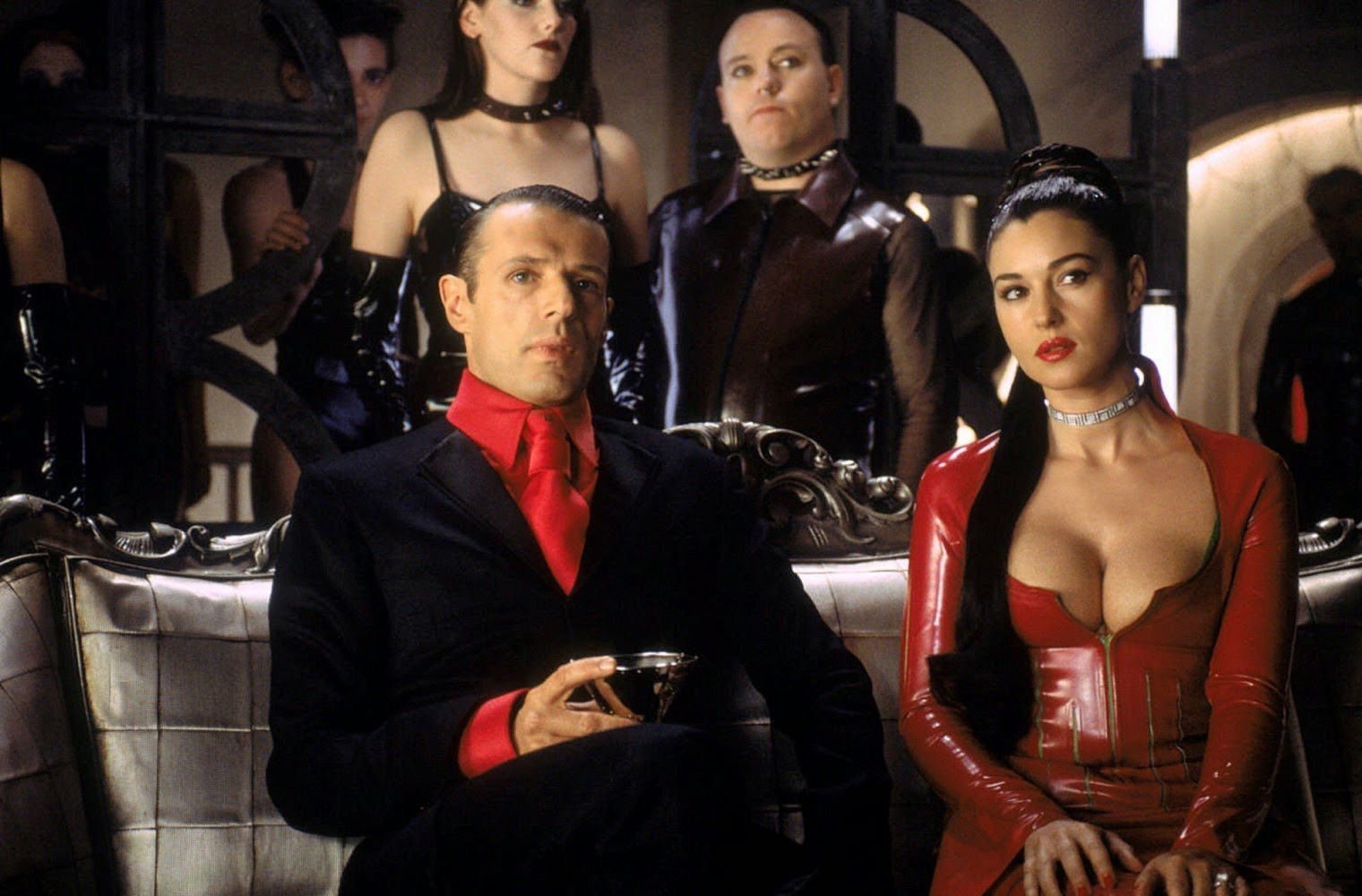
The cult "The Matrix" by the Wachowskis (1999) is both a story of Keanu Reeves as the chosen one, and a story of a relationship with artificial intelligence or love in a virtual world. There, avatars of real people, or avatars and characters created by artificial intelligence in the virtual world, had romances. In the second part, thanks to the character of Monica Bellucci, we, for example, gained a deeper understanding of the depth of virtual feelings.
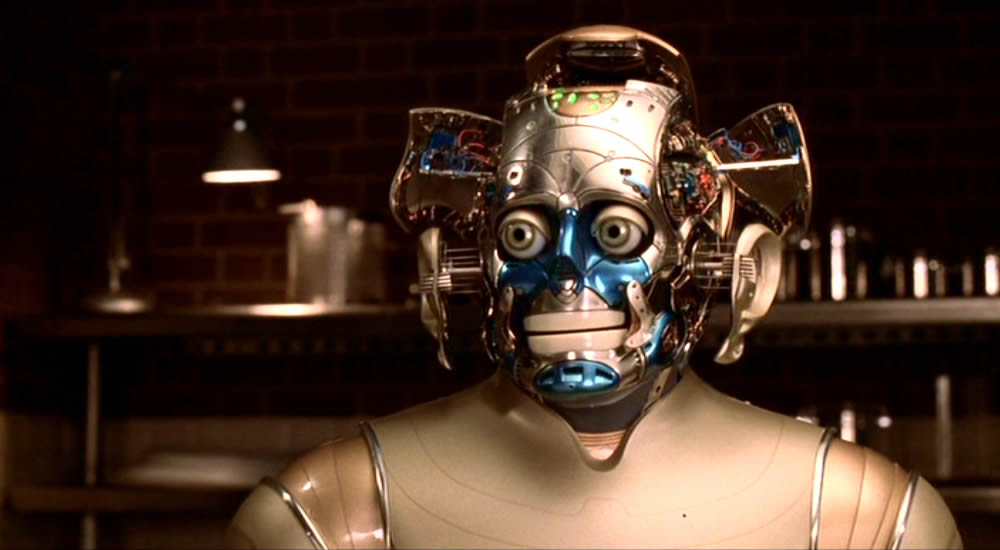
The first melodrama where one of the main characters is a robot was released in December 1999. "Bicentennial Man" with Robin Williams is a cult classic of sci-fi. And if there had been less lyricism and more comedy, the film could have become the first rom-com about a robot. Another cult film about AI is Steven Spielberg's "A.I. Artificial Intelligence" (2001), which also reflects on the multifaceted nature of love, but still delves deeper into the realm of consciousness rather than feelings.
The most groundbreaking at that time on the topic of romantic relationships with androids was unexpectedly the television series "Battlestar Galactica". The first project with that name aired on TV in 1978, but most viewers know and remember this title thanks to the eponymous remake in 2003.
It has two feature films and 4 seasons, as well as many different television awards. The entire plot revolves around the Cylons — robots indistinguishable from humans. This machine race, like humanity, tries to survive, and some of them form pairs with humans and even have children (half-human, half-Cylon).
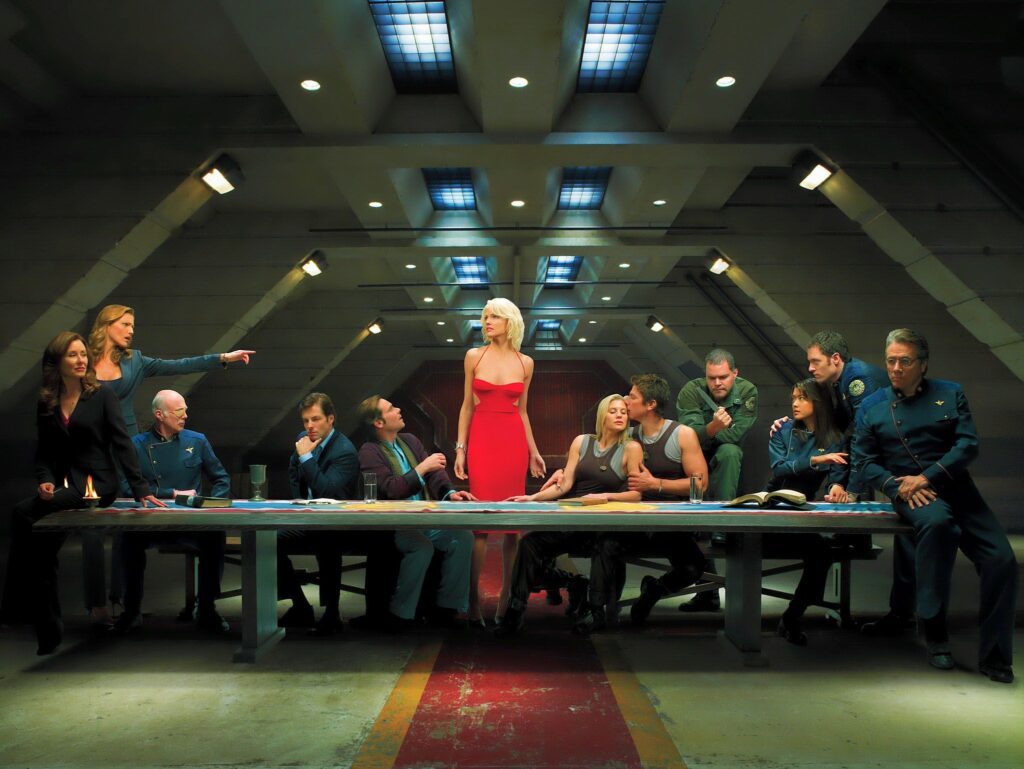
This project is considered one of the cult space series alongside "Star Trek", "Stargate", "Lexx", "Babylon 5", and "Farscape". By the way, in the mentioned sci-fi projects, you can also find ideas about close relationships between humans and androids, but they were episodic.
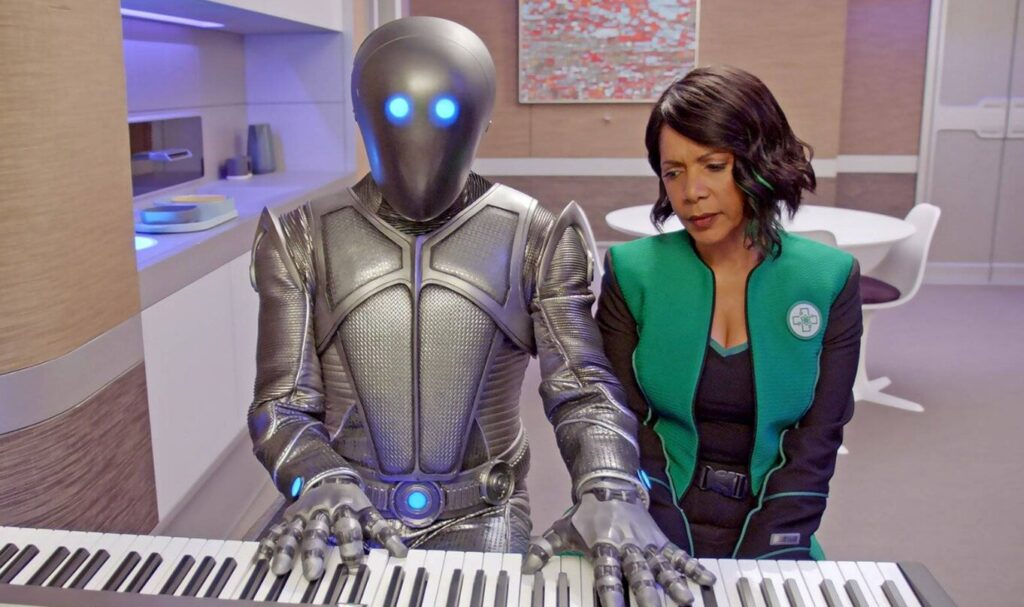
Here it's tempting to recall the more modern but no less cool science fiction series "The Orville", launched in 2017 by Seth MacFarlane. It took the basic idea of space travel from "Star Trek", but also clearly references "Battlestar Galactica". So love here is submissive to all ages, races, entities, and mechanisms.
The Flourishing of Human-Robot Relationships
For quite a long time, filmmakers were still more interested in the question — do robots have a soul? In the 2010s-2020s, society began to actively discuss the high technologies awaiting us in the future. This happened against the backdrop of the emergence of new systems and devices (first smartphones, new PCs and laptops, tablets, etc.) that changed people's consciousness and often became best friends. All this inspired filmmakers to create interesting fantasies.
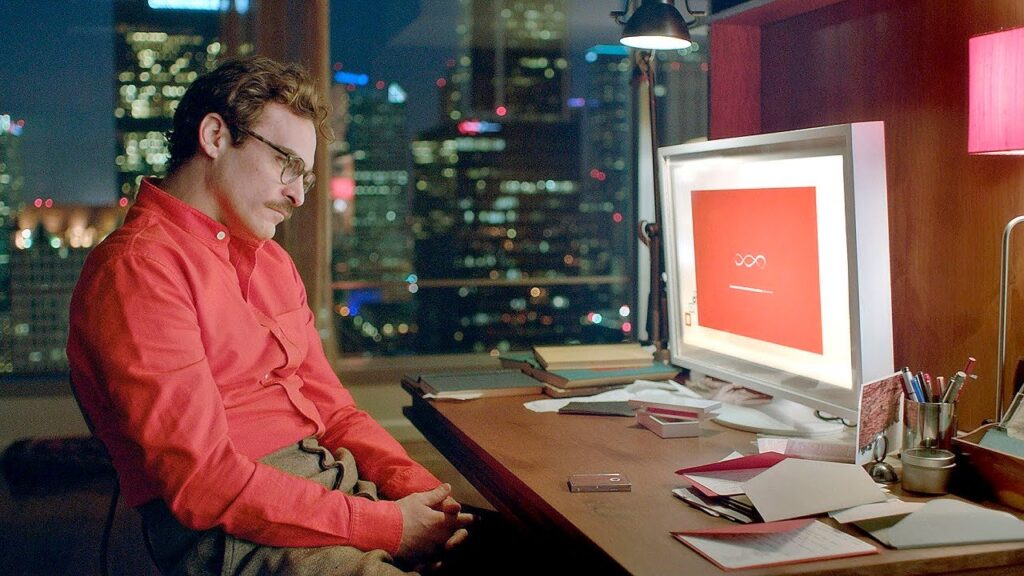
In 2013, the film "Her" was released, where Joaquin Phoenix falls in love with the voice of Scarlett Johansson (or rather, a voice assistant with her voice). Their love line was essentially the focus of the entire plot. It turned out to be an AI melodrama that broke many viewers' hearts.
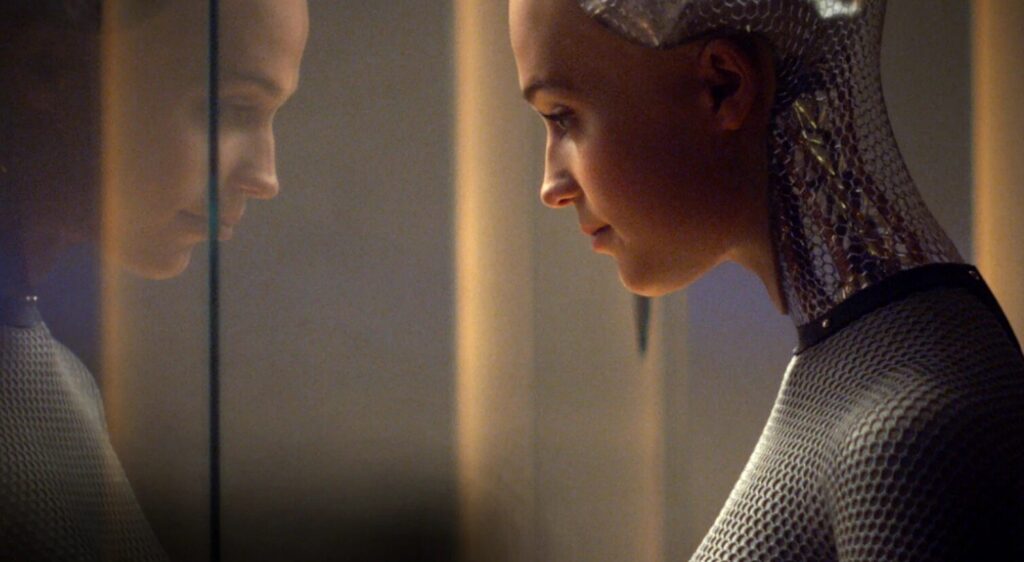
A year later, Alex Garland — one of the most interestingly thinking screenwriters and directors — released the film "Ex Machina". In the film, a developer tried to understand whether an android could pass the Turing test, i.e., whether AI could think independently. At the same time, with the help of an invited guest, the brilliant programmer checked whether a talking machine could feel, flirt, and love. On the other hand, if you make an android with the face of Alicia Vikander, you can skip the flirting and get straight to business.
If Joaquin Phoenix healed his broken heart with AI, then Hugh Jackman in 2015 used the robot Chappie to demonstrate human cruelty. In contrast, the musicians from the band Die Antwoord believed that robots have the right to freedom and love. Even though Neill Blomkamp's "Chappie" is not a film about the romantic love of a robot and a human, there are enough reflections on love in the broadest sense. The result was a touching, albeit quite brutal, sci-fi that speaks more about people than about robots.
At this time, television was becoming a more authoritative and high-quality platform, so attitudes towards it were changing. All thanks to streaming services, where authors with unusual ideas that required both money and creative freedom began to come.
The series "Black Mirror" (2011-present) is one of those projects where technology is at the center of attention. Unsurprisingly, love takes on many different forms here. For example, there is an episode where a widow falls in love with a synthetic clone of her deceased husband. Or the episode "USS Callister", where virtual clones are created based on DNA. Or the series about the robot doll "Ashley Too".
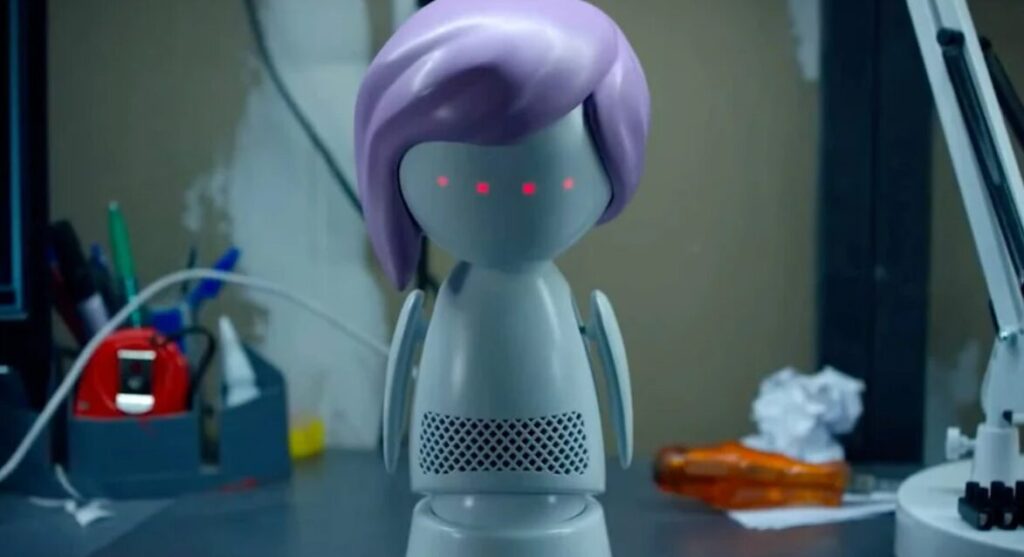
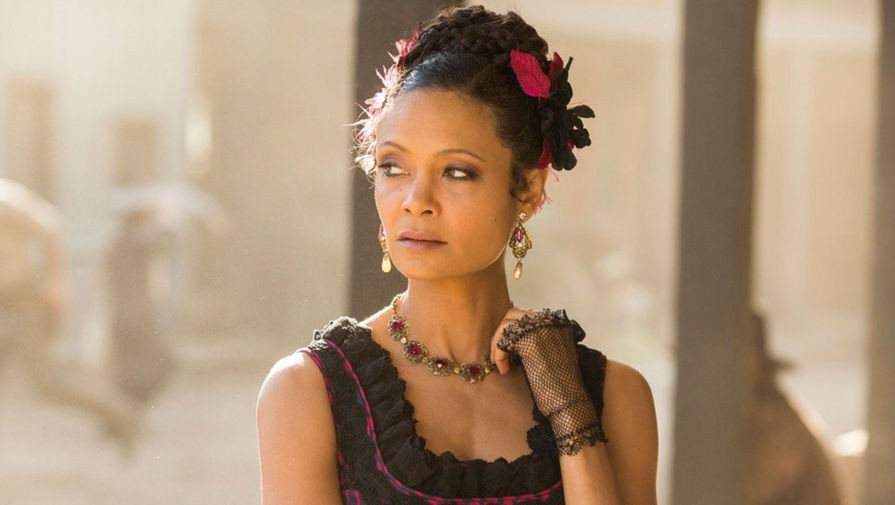
Subsequently, television became the main home for stories about love between humans and robots. High-tech romantic stories full of passion and suffering can be seen in series such as "Humans" (2015-2018), "The Orville", and "Philip K. Dick's Electric Dreams" (2017) based on the writer's works. And of course, "Westworld" (2016-2022) — one of the main sci-fi series of the mid-2010s, based on the eponymous 1973 film.
The co-creator of "Westworld" was Jonathan Nolan, brother of the famous sci-fi enthusiast Christopher Nolan. In this innovative, technological, extremely brutal, and contradictory world, androids are a means of entertainment for people in various formats: from hunting targets to sex toys. However, at some point, the machines awaken consciousness, and people awaken conscience, and the "Hunger Games" begin (but without Jennifer Lawrence).
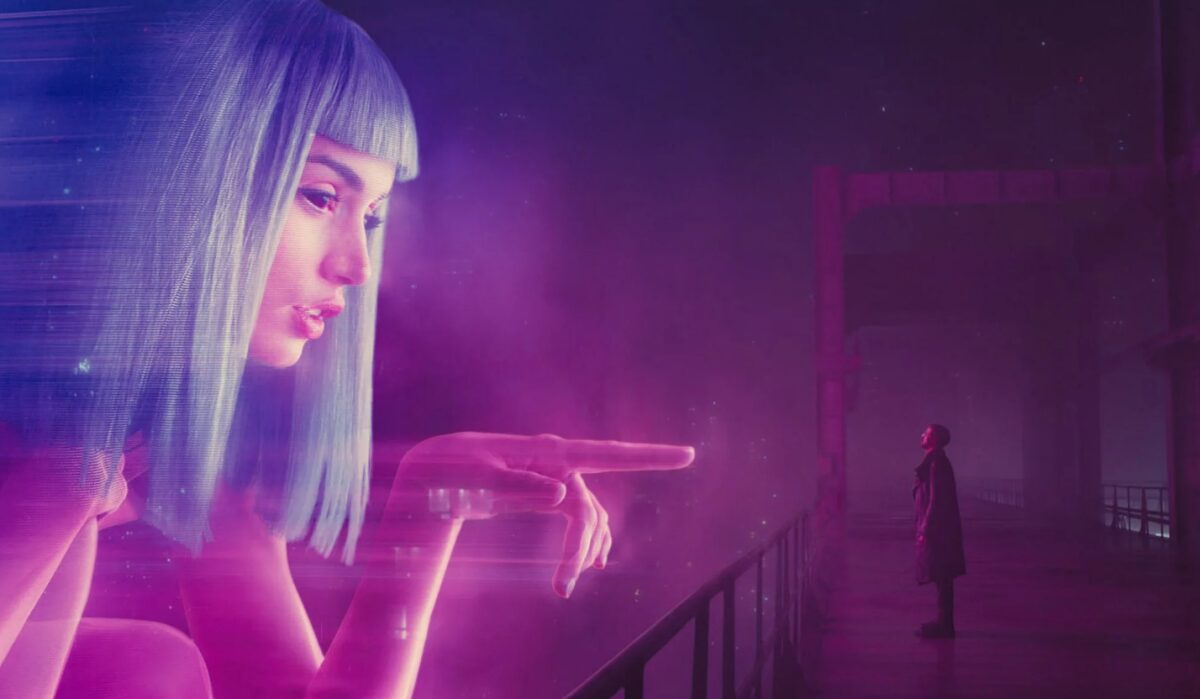
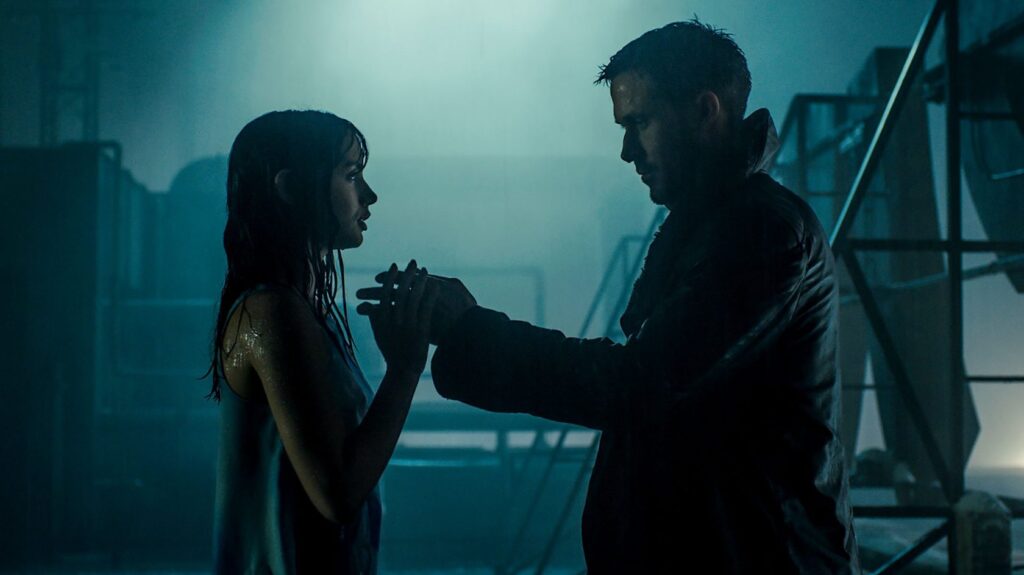
Among the feature films of that period, first of all, I want to note Denis Villeneuve's "Blade Runner 2049" (2017) — a sequel to Ridley Scott's first film. In addition to developing the familiar theme of replicants, it also touches on the relationship between Ryan Gosling and a disembodied artificial intelligence with the face of Ana de Armas. As a result, we listened to philosophical reflections on the souls of androids, but we worried about the touching story of the impossible love between a human and a neural network.
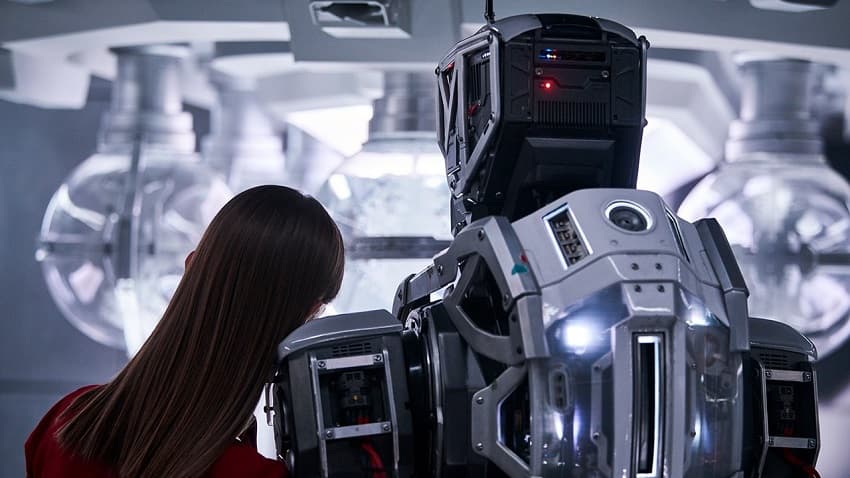
In 2018, the quiet auteur sci-fi "Zoe" was released, where Léa Seydoux discovers that she was never human, but at the same time experiences strong feelings for Ewan McGregor. In 2019, two films about robot love were released simultaneously. Robert Rodriguez released his film "Alita: Battle Angel", where a former military cyborg awakens not only consciousness but also feelings. And the film "I Am Mother" was also released, where a robot tried to understand maternal love and raised a child.
And let's not forget the wonderful anthology "Love, Death & Robots", which also came out in 2019 and presented a variety of variations on the theme of romance, sex, and other relationships between humans, androids, robots, monsters, etc.
As a result, love for androids ceased to be a second-rate idea and perceived as something strange, forbidden, absurd, and therefore captivating. Romantic relationships between humans and robotic systems/neural network devices lost their taboo status and essentially became the norm in cinema. This was largely due to cultural changes in society, where people began to treat this topic differently and generally perceive the very concept of taboo differently. Thus, a kind of emancipation of opinions about relationships with high technology occurred.
But then another difficulty arose. On the one hand, this state of affairs freed up hands, but on the other hand, the topic was no longer as attractive.
So, will there be "Real Love" with robots?
Despite the popularity of the rom-com and melodrama genres in cinema, flirting between a human and a robot does not excite filmmakers as much. Apparently, people's quarrels over jealousy and infidelity are much more captivating for viewers, and in recent years, there has even been a trend towards romances between older women and pretty young men.
Therefore, after a decent flourishing of human-robot love in the 2010s in cinema, screenwriters and directors began to move away from reflections on sex with AI and return to more elevated ideas — about the consciousness of robots. Can a machine comprehend all the depths of the human soul or even surpass God's creation? Various ethical, philosophical, and other subtleties of the machine's essence were touched upon in such series:
- "Raised by Wolves" (2020-2022)
- "The Peripheral" (2022)
- "Foundation" (2021-present)
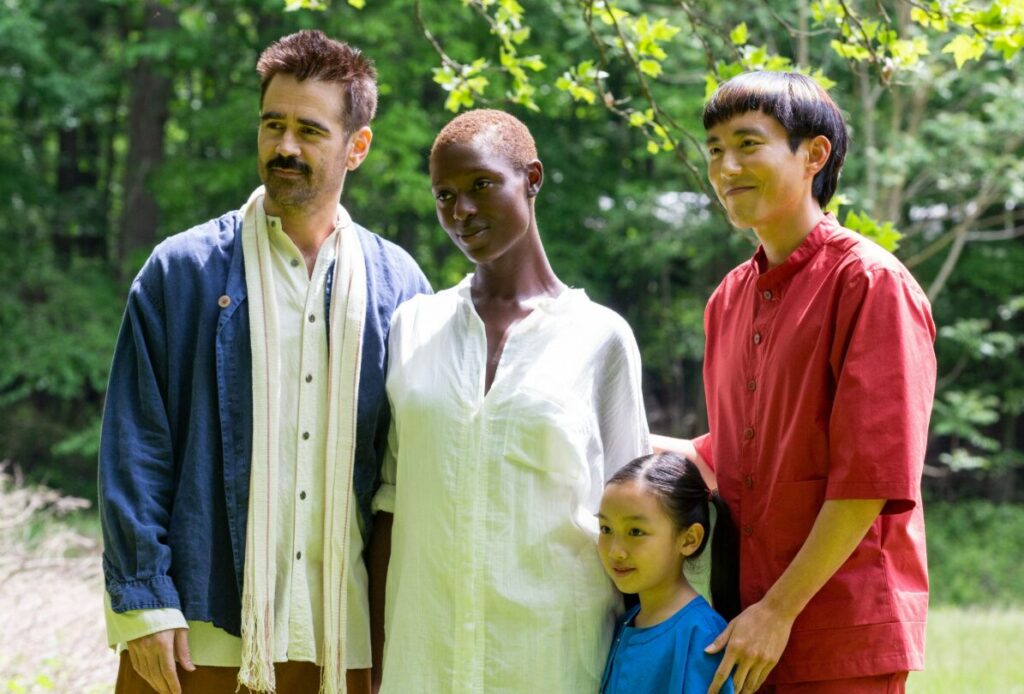
In big cinema, the theme of robots moved into the section of more auteur cinema. Thus, curious sci-fi films about androids and their relationships with humans appeared — "Archive" (2020), "After Yang" (2021), "I'm Your Man" (2021), and "The Last Thing He Wanted" (2022) by Catherine Hardwicke, director of the first "Twilight". Although love was far from always the main subject of study in these films, romantic relationships were still important for the plot.
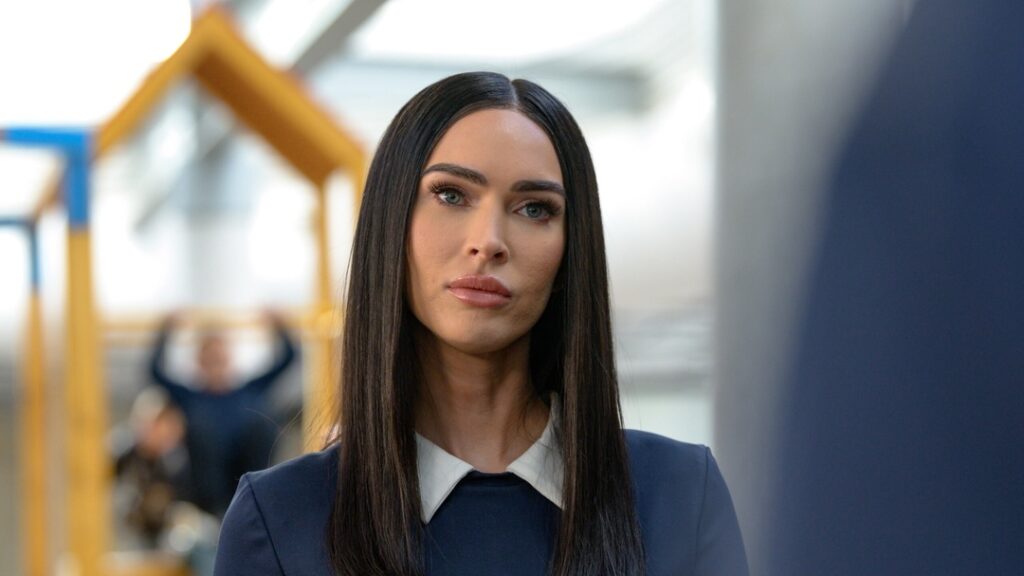
In addition, there was a return to the idea that robots are service personnel. But this was implemented in the format of techno-horrors — "M3GAN" (2022) and "Subservience" (2024) with the ageless Megan Fox.
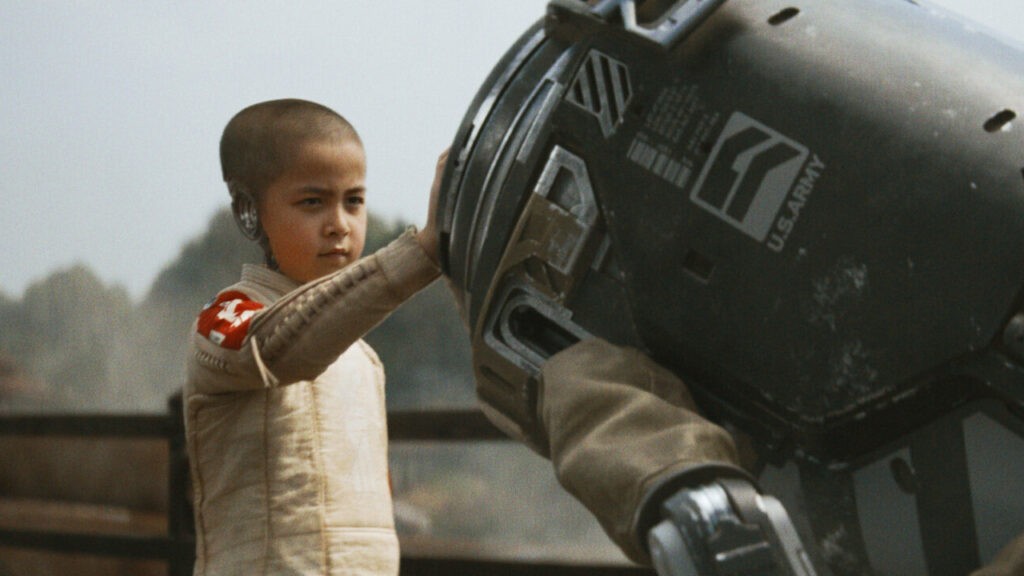
In 2023, one of the most large-scale science fiction films in recent times was released — Gareth Edwards' film "The Creator". Here, robots again began to conflict with humans, and one of the main characters was a child android. But this film was not so much a reflection on whether androids dream of electric sheep, or whether machines love their creators, but rather a statement about racism and xenophobia.
The slow development of the theme of human-robot relationships in cinema, as it seems to the author of this material, is largely due to culture: long-standing traditions and religion, especially in the USA, have a fairly strong power over people's minds. And if monsters can still be a romantic interest for people, because they have some kind of soul, then robots are already completely un-Christian. And various complexes related to relationships and human sexuality have not been canceled either. Hence the low demand for films about human-robot love compared to other plots.
A certain impetus in the development of such non-standard relationships began after the widespread dissemination of technologies that added freedom not only to everyday life but also to human ethics. Technology became an important stage in the evolution of society, an indispensable companion in everyday life, as well as a source of information of various kinds. And if we talk about the films themselves, where the love between a human and a robot was at the center of the story, they turned out to be not only an object of art but also a kind of advertisement for various inventions.
In general, cinema's interest in robots, androids, and other derivatives is always present, although it is unstable. The bias in such films is usually towards reflections on the soul and consciousness, probably to make the story look more solid and deeper.
Probably, for us to drown in a stream of sugary rom-coms where one of the partners is an android, someone needs to write a "Twilight" about robots. To show courage and demonstrate that it is not shameful to compose love fantasies with androids. In the meantime, we can only wait and rejoice at those projects where sex and love with machines have already become possible.
Comments
0No comments yet.
Sign in to join the discussion.