

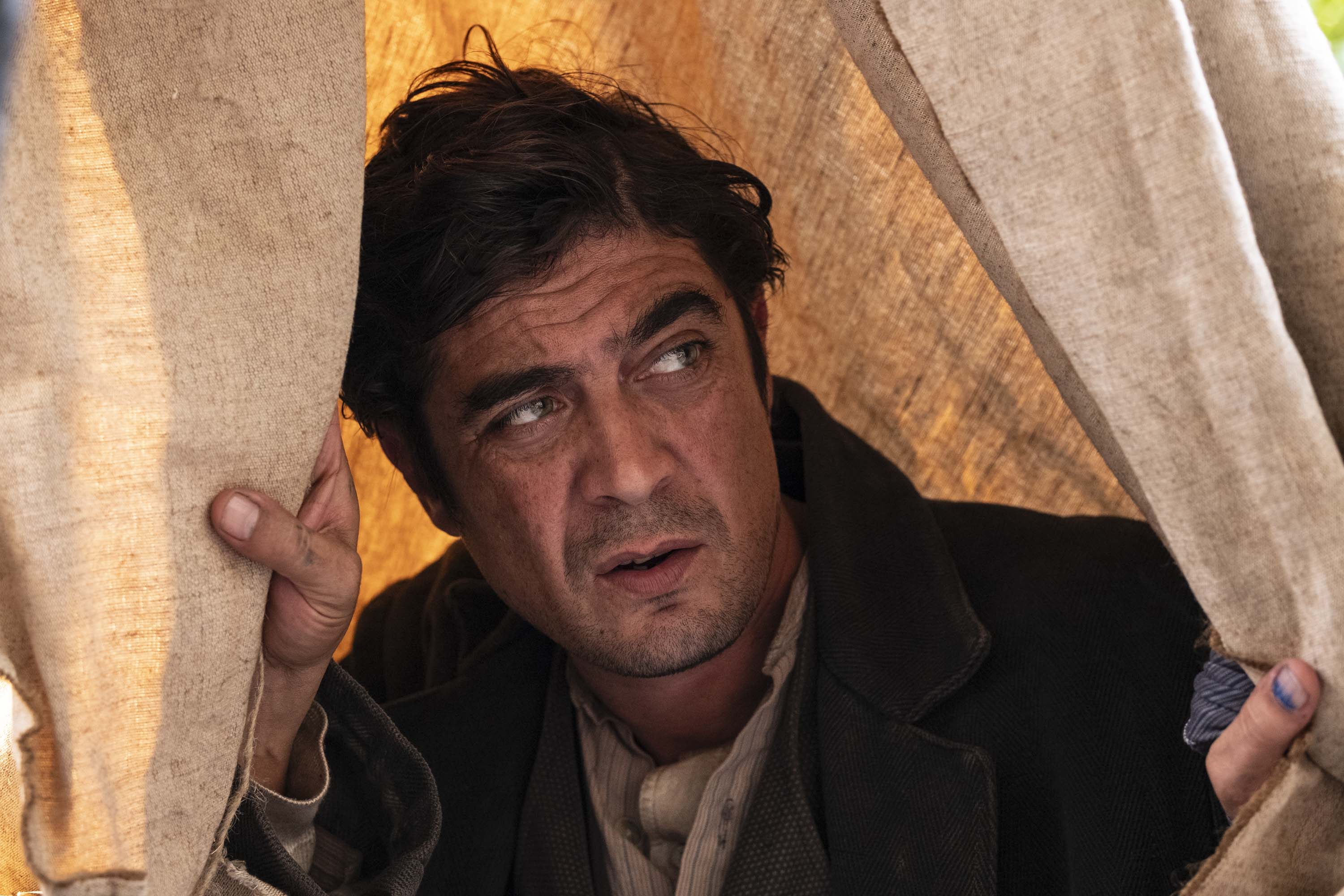
In theaters: "Modi: Three Days on the Wing of Madness," a new directorial work by Johnny Depp about the life of the famous Italian rebel artist, which is hard to call successful despite its brightness.
"Modi: Three Days on the Wing of Madness" is a film that itself seems unsure of what it wants to be: a daring arthouse drama or a chaotic comedy about the madness of a creative genius. Johnny Depp, returning to the director's chair after 27 years, seems to have decided to conduct a cinematic experiment: mixing absinthe, decadence, and a bit of theatrical farce. But instead of an intoxicating cocktail, we get a vague mess.
Paris, Absinthe, and Three Days of Chaos
The film immerses us in Paris in 1916, where Italian artist Amedeo Modigliani (Riccardo Scamarcio) lives through three turbulent days of his life. He drinks, argues, flees from the police, and philosophizes about the nature of art.
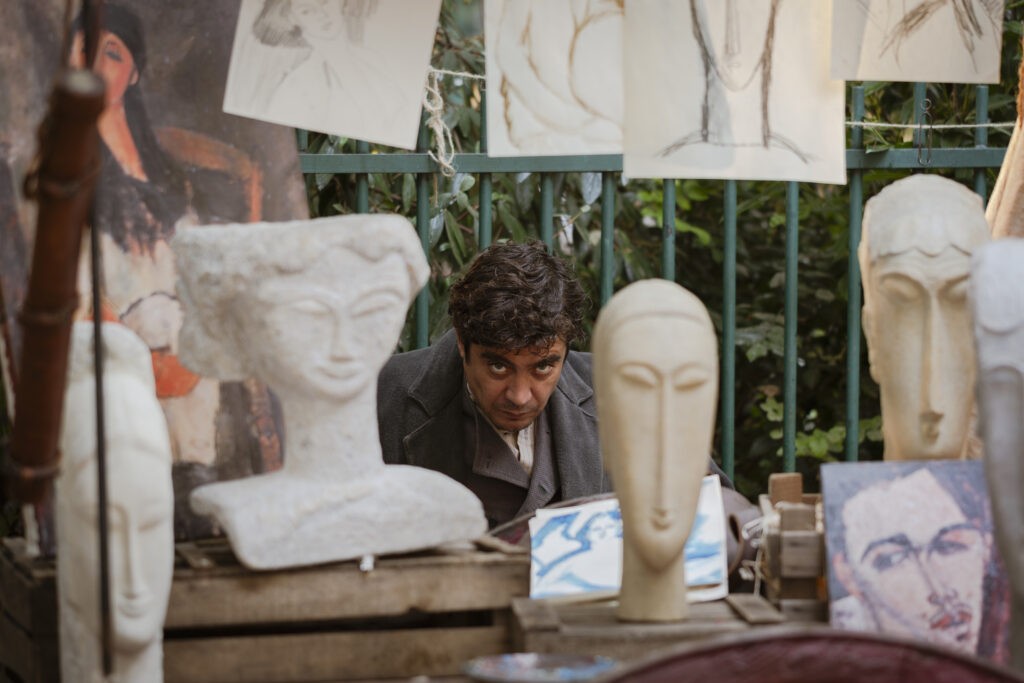
His entourage is a gallery of eccentric characters: from the neurotic Chaïm Soutine (Ryan McParland) to the tough and sarcastic Beatrice Hastings (Antonia Desplat). At some point, collector Maurice Gangnat (Al Pacino) appears to further intensify this whirlwind of madness.
Johnny Depp and Everyone, Everyone, Everyone
Depp was clearly inspired by the idea of showing Modigliani as a rock star of his time — a rebel who lived fast and bright (live fast, die young, as the classics bequeathed). Perhaps even imbuing the artist with a bit of his own rebellious "self." However, the film's stylistic eclecticism is confusing. Black-and-white scenes in the style of silent cinema coexist with anarchic dialogues about "mushrooms," and dramatic moments collapse under the weight of the characters' caricature. It feels like an attempt to combine the aesthetics of Baz Luhrmann's "Moulin Rouge" and Danny Boyle's "Trainspotting," but without a clear understanding of why.
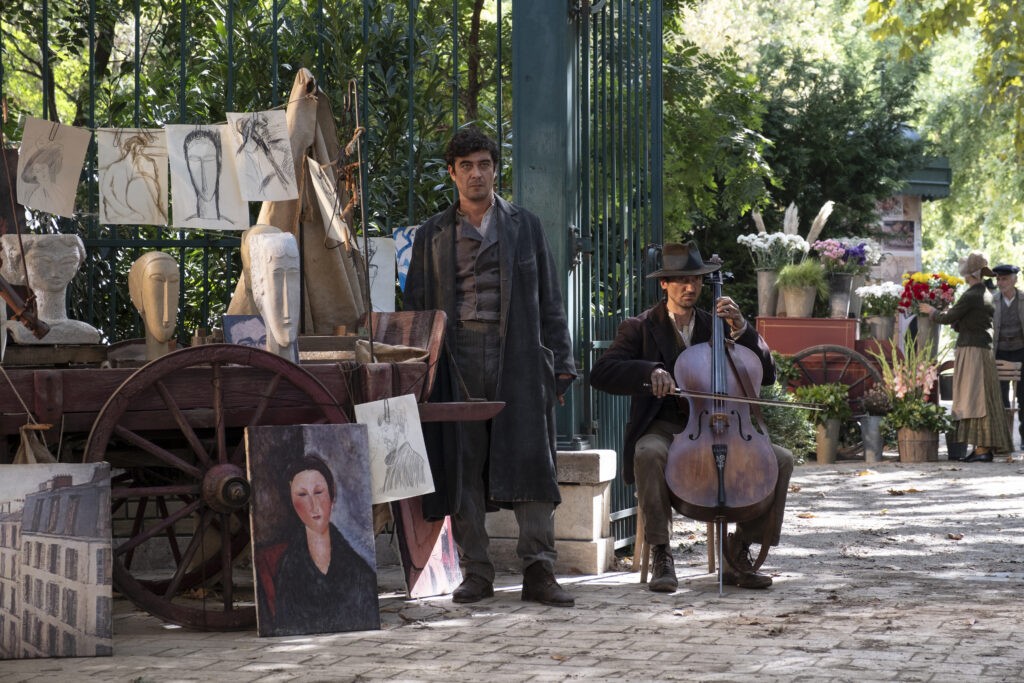
Riccardo Scamarcio tries to give Modigliani depth, but his performance balances between theatrical expression and melodramatic intensity. That's not surprising, since the film is based on a play by Dennis McIntyre.
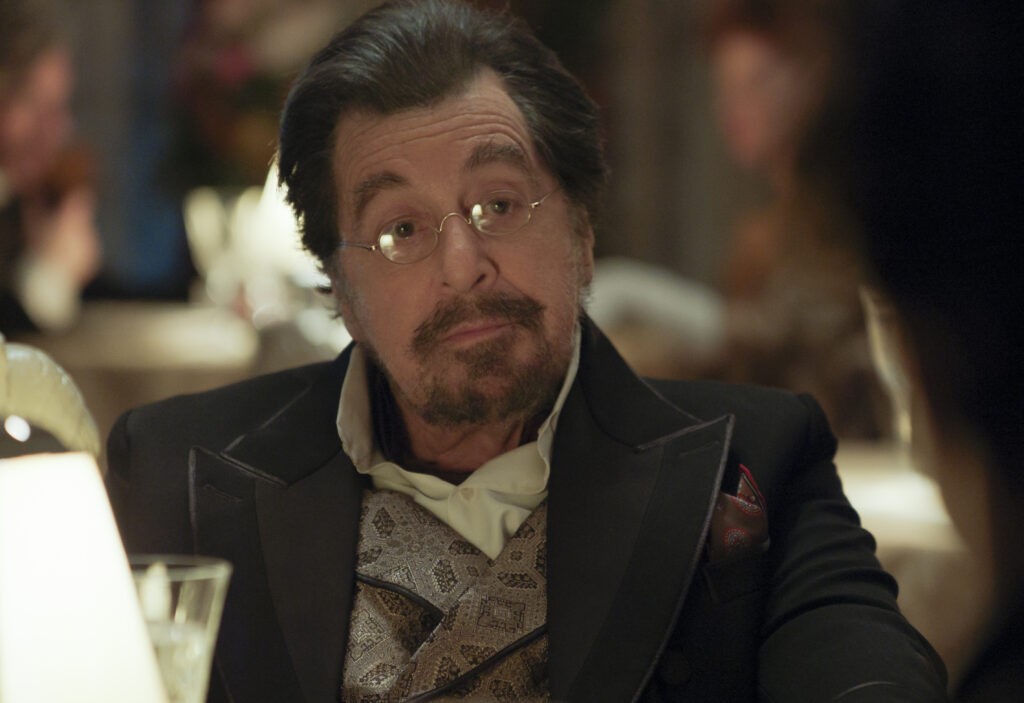
Al Pacino as collector Gangnat is the film's only bright spot. His appearance is a demonstration of mastery amidst the chaos: a tense dialogue about the price of art and pride makes the viewer momentarily forget the script's absurdities.
"Modi" could have been a powerful statement about the nature of creativity and self-destruction. Instead, the film drowns in clichés and stylistic inconsistency. If you want to see Al Pacino in his best form in recent years, watch this film. But if you're looking for an inspiring story of an artist, better spend time on "Downtown 81," where Jean-Michel Basquiat, much like Modigliani, wanders the city, meets acquaintances, and conveys a sense of complete freedom.
In the end, "Modi" is more a sketch than a finished painting. Perhaps Johnny Depp shouldn't have returned to directing, but rather focused on what he does best in the world — playing strange and charismatic characters. We miss you, Johnny.
Trailer:
Comments
0No comments yet.
Sign in to join the discussion.