

On February 4, the digital release of 'September 5' took place, an intimate drama by Tim Fehlbaum about the work of the media during the Munich massacre. Read our review on how the film reflects the inner workings of the journalistic craft.
1972. Germany hosts the Olympic Games for the first time since the end of the war. Fearing that police patrols will evoke unpleasant associations with the Nazi past, the government decides to focus on the atmosphere of an international celebration rather than security. When shots ring out in the nearby Olympic Village, ABC Sports staff immediately begin covering the biggest tragedy in Olympic history.

There are plenty of films, both documentary and fiction, about the terrorist attack carried out by the Black September group and the subsequent retaliation by Israeli intelligence. However, the film by German director Tim Fehlbaum stands out by showing those terrible events through the lens of journalistic experience.
You won't see the hostage-taking, the shootout on Connollystrasse, or the horrifying denouement at Fürstenfeldbruck Airport here. ABC Sports staff had to piece together information literally bit by bit. The rare footage they managed to secretly shoot from a great distance was already a big stroke of luck. For the rest, they had to rely on rumors, insider tips, and reports from local law enforcement and media.
The burden of responsibility that the sports channel team took upon themselves required strict adherence to the fundamental principles of the profession—timeliness, objectivity, and accuracy. Especially since the live broadcast from Munich gathered over 900 million viewers worldwide, breaking the viewership record of the moon landing. One fatal mistake, an incorrect phrase, or an inaccuracy—and the audience's trust would be irrevocably lost. Or would it?
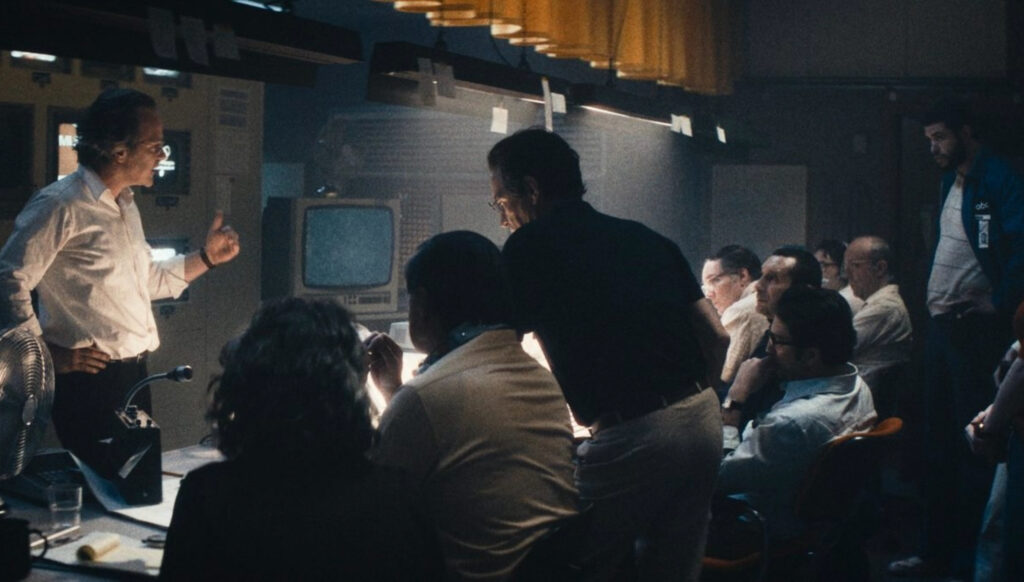
At first, it is very difficult for the characters to remain calm and not give in to emotions. The Munich massacre became a stumbling block for the organizers and participants of the 1972 Games. Israeli athletes being shot 20 km from the infamous Dachau concentration camp was a severe blow to Germany's reputation, which was trying its best to project an image of a country freed from its Nazi legacy.
On the other hand, alongside the Jews, the Olympics also included representatives from countries sympathetic to Palestine in its conflict with Israel. To avoid accusations of Islamophobia, journalists had to carefully choose their terms and steer clear of any insinuations or generalizations. This also applied to teamwork. A sharp remark about "damn Arabs" made in the heat of emotion or carelessly by one of the characters immediately draws a reaction from a French colleague whose mother was from Algeria.
However, cynicism born of professional deformation and excessive ambition is also present in the film's characters. When they realize they have hit the jackpot, so to speak, the pursuit of ratings and the desire to outshine competitors come to the forefront. This very drive to be first in everything will later turn against them.
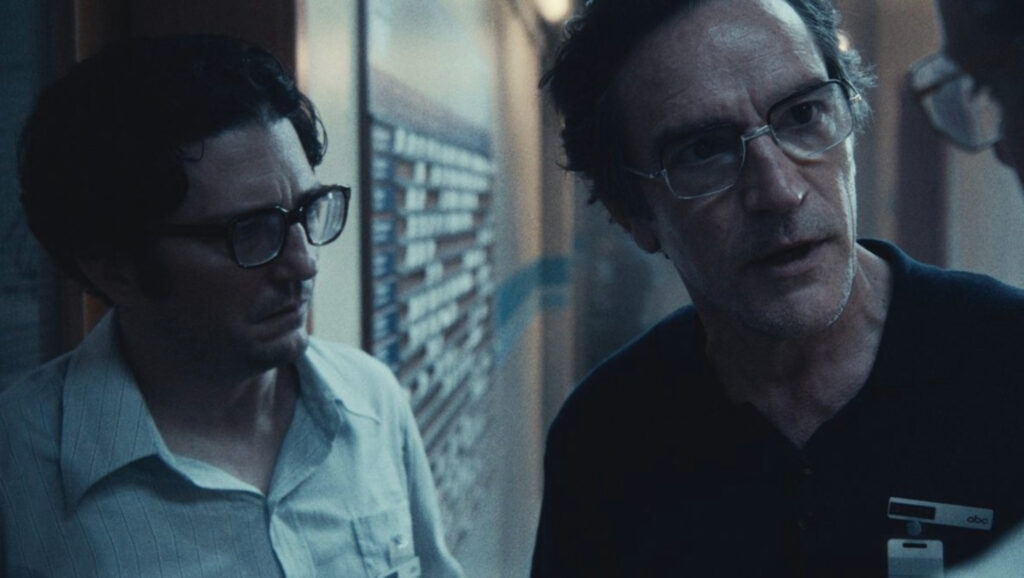
'September 5' raises important and especially timely questions about professional ethics and morality. How appropriate is it to show a hostage-taking live when the hostages' relatives are watching on the other side of the screen? Are the ABC workers playing into the hands of the terrorists, who crave maximum publicity for their atrocity? And finally, how correct is it to broadcast unverified information as an exclusive, even with the anchor's disclaimer about the source?
Often, journalists in films are portrayed either as sympathetic truth-seekers or, conversely, as vultures circling over others' tragedies. In Tim Fehlbaum's film, everything is rather prosaic: the characters are simply doing their jobs, but like all living people, they are prone to making mistakes and succumbing to their own selfishness.

The film was released amid a new wave of bloodshed in the Middle East, although it was conceived before the Hamas attack and the carpet bombing of Gaza. The German director consistently denies that his work has any connection to the current Israeli-Palestinian conflict. However, given everything described above, it is certainly not irrelevant!
Trailer:
Comments
0No comments yet.
Sign in to join the discussion.