
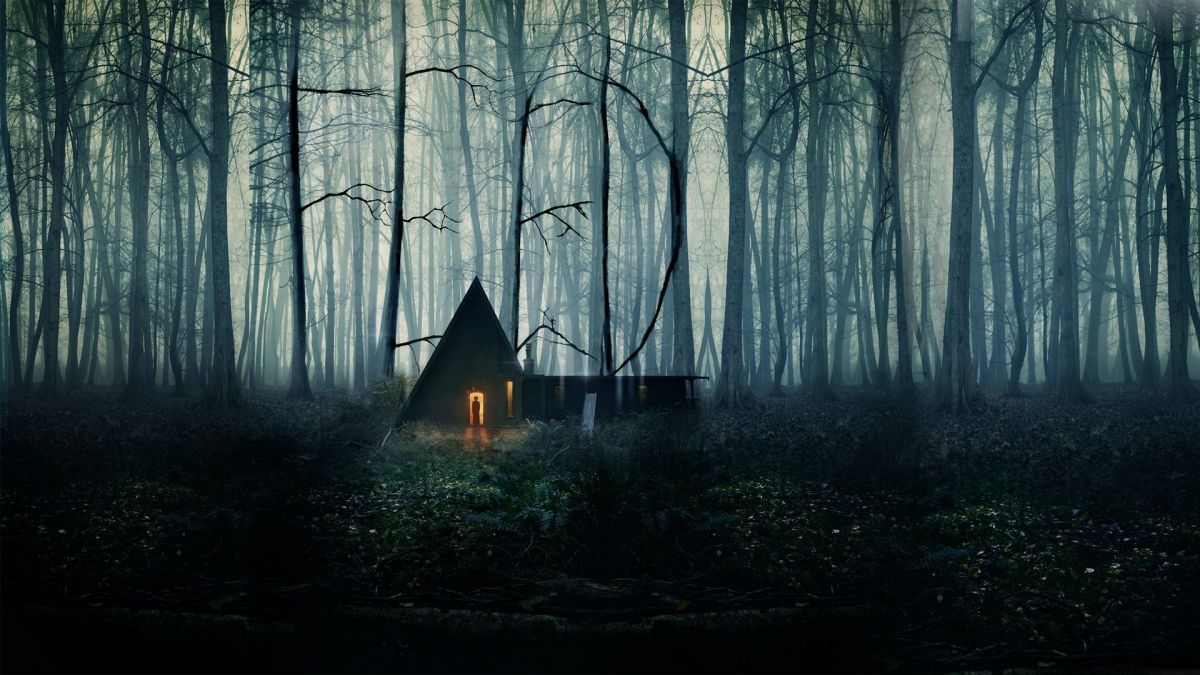
Folk horror is becoming an increasingly popular subgenre among horror films. Of course, using elements of folklore is not a new idea, but the scale of its development in the 21st century is pleasantly surprising. We decided to briefly go through the...
The Roots of Folk Horror
Just as the series format appeared long before the invention of television (thanks to Arthur Conan Doyle and his Sherlock Holmes), the folk horror subgenre emerged much earlier than filmmakers and critics began actively using the term. Initially, these were oral myths and legends, such as those about the Salem witches or the Loch Ness Monster. And as soon as humans learned to write, all these stories were reborn in literature. Lovecraft essentially built his career on this.
Thus, many folk horrors from ancient folk tales became the basis of Gothic novels and terrifying stories. Here are a few examples:
- The legend of Baba Yaga — an old woman vampire/witch/spirit in Slavic mythology.
- The myth of forest people — secretive beings living in the woods, who can be both good and evil.
- The legend of water spirits — creatures that live in water and can be both friends and enemies of humans.
- The scary tale of the dollhouse — a terrifying story about a dollhouse where strange things happen.
- The scary tale of Bloody Mary — a woman who kills those who call her name three times in front of a mirror.
This is just the tip of the iceberg of folk horror, which has long been embedded in human culture and history. Unsurprisingly, cinema has become another platform where all these myths and legends have been able to remind us of themselves with renewed vigor, bringing back our interest.
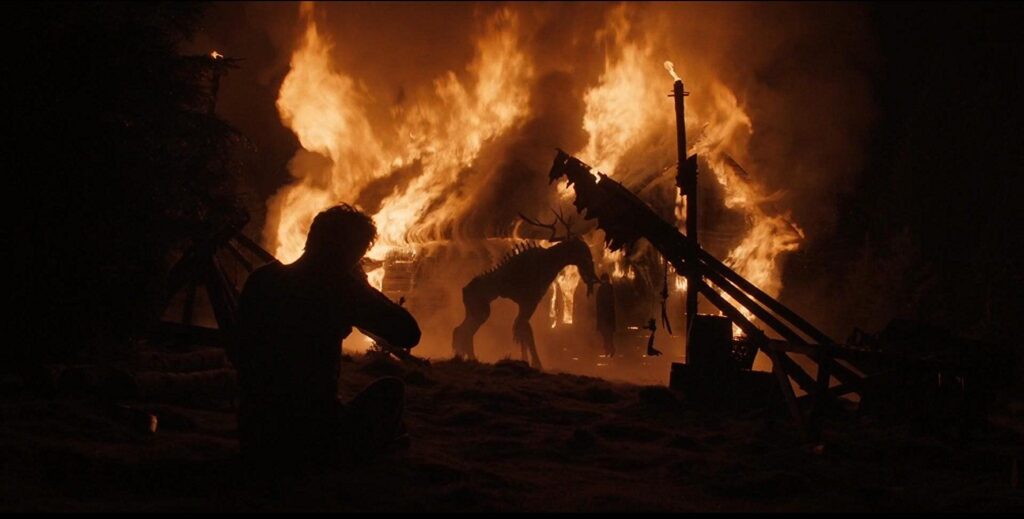
Folk Horror in Cinema: Beginning and Development
The starting point for the formal emergence of folk horror in cinema is considered to be the 1970s, with its birthplace being Great Britain. At that time, this subgenre was seen as a rejection of the values of the technocratic world and a return to roots, to archaism. In the 21st century, the revival of interest in romanticizing pagan rituals and occult beliefs often stems from the younger generation's rebellion against an overly industrialized modernity, a desire to become closer to nature and primitive roots (while not forgetting the secrets this may conceal).
The term folk horror was first noted in 1970 in an article by journalist Rod Cooper in the British magazine Kine Weekly. It was this word he used to describe the film "Blood on Satan's Claw" ("The Devil's Skin") from 1971, directed by Piers Haggard. This film, along with two others — "The Wicker Man" by Robin Hardy and "Witchfinder General" by Michael Reeves — eventually became the founders of folk horror in cinema, and the trio itself is called the "unholy trinity." However, the subgenre only began to be used in mass culture to describe films in 2010, after actor and director Mark Gatiss discussed it in his mini-series "A History of Horror with Mark Gatiss."
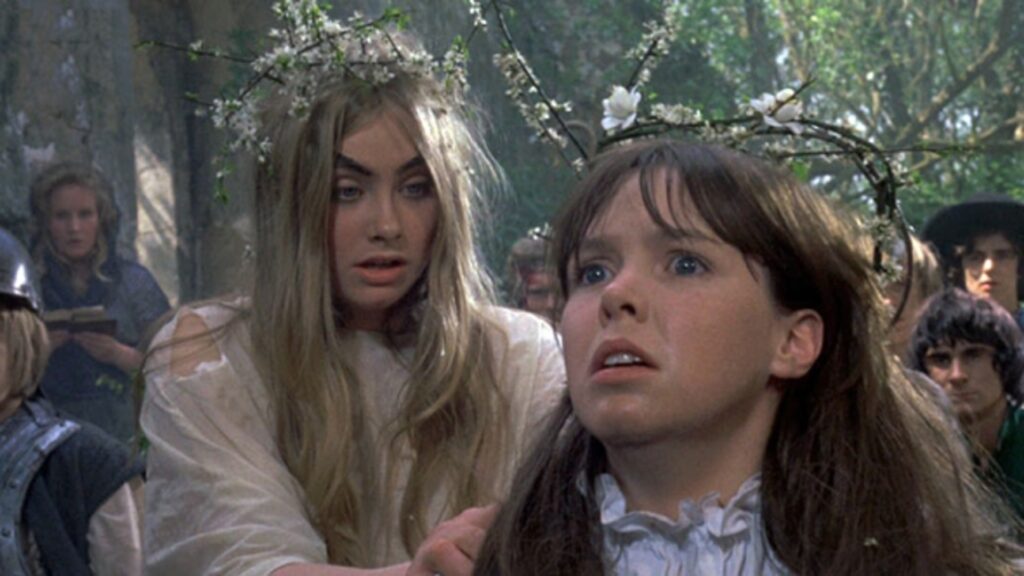
Nevertheless, it was the "Unholy Trinity" of the 1970s that defined the main features of folk horror:
- The influence of the landscape on the morality of the local inhabitants
- A community isolated from the rest of the world (village, town, island, etc.), and outsiders provoke the isolated
- A specific belief system (often paganism)
- A challenge/incident/conflict (what triggers the future hell for the characters)
If we combine all this, we get the following description.
Most often, folk horror represents a clash of two worlds: the ancient traditional world (archaism) with the civilizational norms of the 20th-21st centuries (modernity). This is the collision of modern man with folk monsters and those who profess love and respect for them. And almost always, inevitably, the past consumes the future.
In general, folk horror focuses on monsters and the "folk" as key figures in the story. But atmosphere is also important, and often the land and nature themselves play a significant role in folk horror, acting almost as active characters.
For British cinema, considered the progenitor of this subgenre, two waves of development in film are distinguished:
- 1st wave — films from 1968 to 1979
- 2nd wave — films after 2008
Folk horror is closely tied to regional and national identity, telling stories about national traditions and local monsters. Unsurprisingly, the subgenre has also developed successfully in other countries, primarily the United States, where interest in the supernatural and mystical is part of the cultural code.
In America, two waves of the subgenre's development are distinguished:
- 1st wave — began with adaptations of Stephen King's books such as "Children of the Corn" (1984) and "Pet Sematary" (1989)
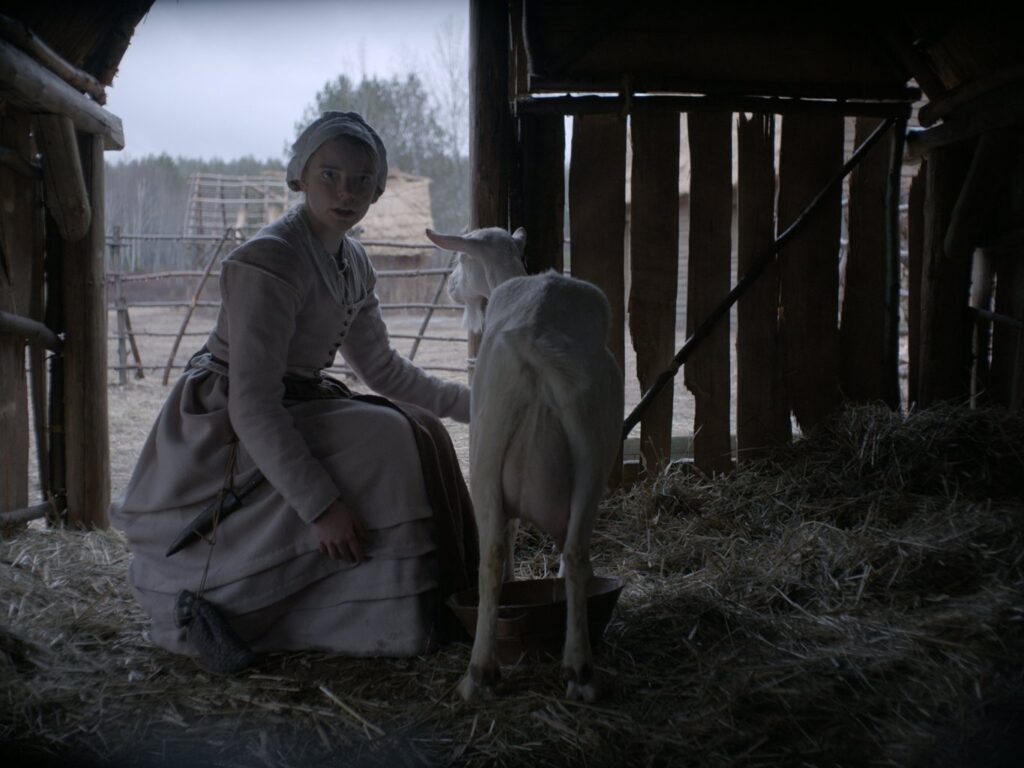
- 2nd wave — from 2015, when Robert Eggers' "The Witch" was released
Over time, folk horror began to change slightly, dividing into "rural" and "urban" horror films. Thus, 3 mandatory elements of folk horror were identified, which are more universal and do not place such a strong emphasis on the rural and natural:
- Events centered in the past, often pre-industrial (regarding archaism).
- An environment that evokes both wonder and fear in viewers and characters.
- Often, the legends and myths underlying the story are based on oral tradition and folk culture; in general, "orality" is important in the narrative itself.
But regardless of whether it is a "rural" or "urban" folk horror, the subgenre has retained its strangeness and mystery. After all, what is especially valued in such films is the frightening, eerie feeling of the ancient, something inexplicable and connected to intangible and vague ideas of the creepy and terrifying. And by adding the supernatural, we are shown alternative ways of existence, and sometimes other versions of what the future could be.
What Folk Horror Consists Of
Folk horror is not just stories in the vein of a group of students getting lost in the woods and encountering an ancient monster. Within this subgenre, a wide variety of ideas are explored. For example, in the 1980s, elements of Satanism and eroticism appeared in "folk horror" films, and folklore motifs were used as a metaphor for female sexuality: "Angel Heart" (1987), "The Lair of the White Worm" (1988), and "The Company of Wolves" (1984). In the 1990s, folk horror began to actively "befriend" other genres, such as the found footage subgenre. The most famous example is "The Blair Witch Project" from 1999.
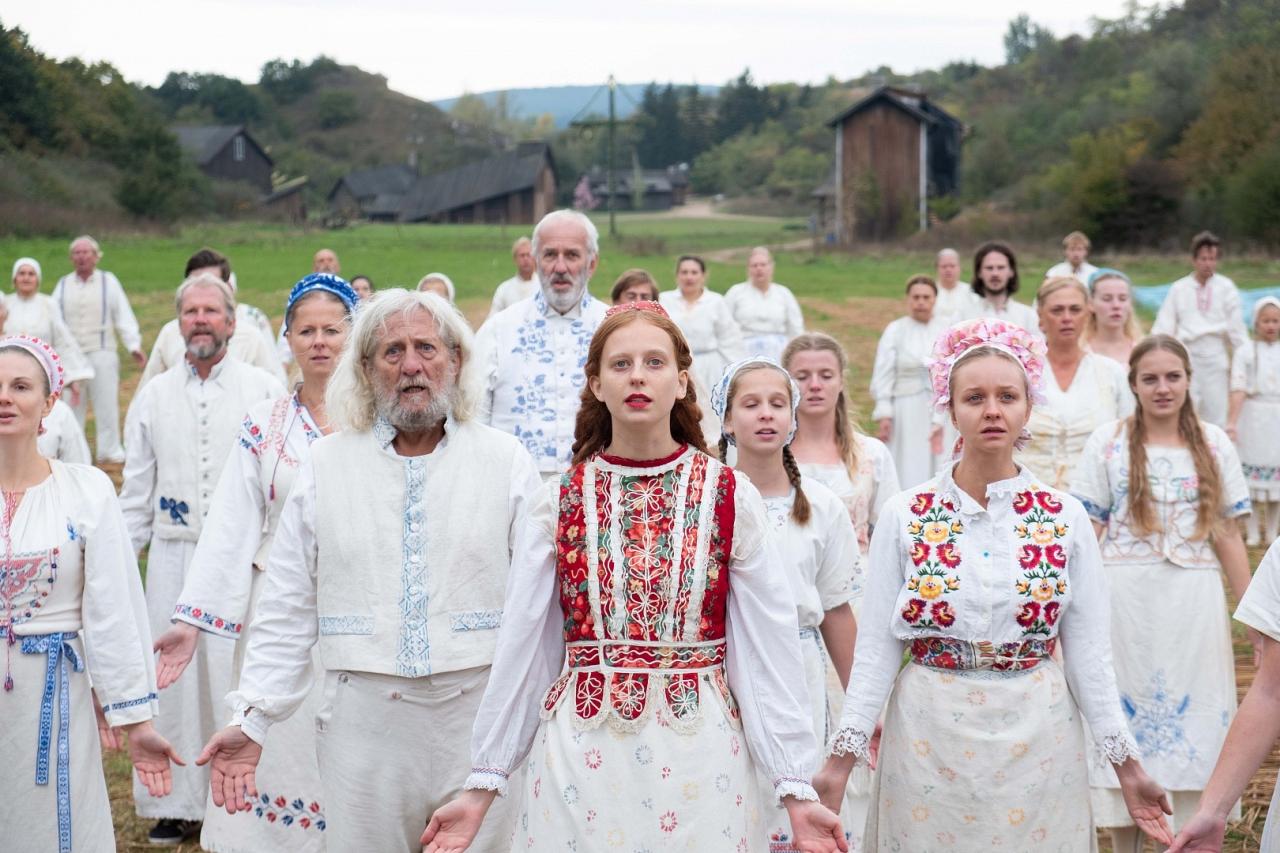
In the 21st century, authors often turn to "folk horror" to create a unique atmosphere and intriguing stories, to add the supernatural and dark fantasy to the picture. This gave rise to one of the brightest horror films, "Midsommar" (which in many ways resembles "The Wicker Man"), which, despite the abundance of daylight, chills you to the bone.
At the same time, folk horror is in constant development and evolution. Once it split into "urban" and "rural" cinema, but it also influenced the emergence of such a subgenre as rural gothic. The trend for folk horror is gaining momentum largely because "folk horror" can be mixed with different genres, and wrapped in myth, one can talk about the most pressing topics while also educating people about national folklore.
Currently, folk horror is considered part of the post-horror generation, which in the West is more often referred to as elevated horror. This is the name for a new wave of so-called smart horror films, where there is usually more intellectual and dramatic content than jump scares and other features of traditional horror. That is, they frighten not with form, but with content. The film that heavily hinted at this trend was the Australian "The Babadook" from 2014, but active use of the term began after the already mentioned "The Witch."
But if we look at the history of cinema as a whole, it becomes clear that this subgenre began to emerge earlier than post-horror. After all, if desired, all films about werewolves and vampires can also be classified as folk horror: some critics engage in such "redescription" of many previously released films. However, post-horror itself is not something brand new; rather, we are witnessing a renaissance of this genre. Currently, audiences have an increased interest in films where gore and violence are not the end goal. For example, William Friedkin's "The Exorcist" or Roman Polanski's "Rosemary's Baby" are films that react to what was troubling society at the time, and these films fit the description of post-horror.
We'll end the discussion about elevated horror/post-horror here; we just wanted to clarify who is related to whom.
Monsters in Folk Horror
Folk horror is usually a reflection on the nature of evil, so finding specific monsters can sometimes be problematic. You won't find the usual maniacs or bloodthirsty aliens here. Evil in "folk horror" descends into the human world in various forms:
- Those with magical abilities
- Sectarians and people united by a specific religion
- Nature itself
- Ancient manuscripts/scrolls/artifacts
- The dead or mentally ill people
- Spirits
- Folklore creatures and monsters from myths
Why We Love Folk Horror
Films about folk monsters, witches, and pagan rituals are popular for several reasons:
- This genre allows us to show the dark, mysterious, and enigmatic side of folk culture (and in general, to introduce different folk cultures).
- Folklore elements (rituals, myths, legends, and traditions) create an atmosphere of mystery and enigma that has its own unique charm.
- Folk horror often uses nature and the environment as an additional character, enhancing the atmosphere of tension and terror.
- Folk horror often touches on universal themes such as faith, family, violence, life and death, making them relevant and understandable.
I want to dwell on the last point separately, because in an era of heightened tolerance and political correctness, folk horror saves the day and allows us to speak metaphorically on various topics. After all, evil is universal and exists in the most diverse spheres of human life. What themes are hidden behind mythology and ancient legends?
Family trauma is ineradicable. Families have been, are, and will always be, and each of them is unhappy in its own way is a source of the most diverse contradictions, illnesses, and "curses." Separation, sacrifice for the family, heightened anxiety, dysfunctional family, and much more — all these concepts from 21st-century psychotherapy sessions can be seen through the prism of ancient legends.
Sexualized violence, male vs. female. Feminist motifs are becoming increasingly prominent in folk horror. The authors of such films are not afraid to explore a wide range of women's fears and all kinds of violence, most often related to the actions (or inaction) of men. Modern viewers can easily see metaphors and references to the modern world in scenes with ancient monsters.
Fear of loss and inability to accept. The more we have, the more we fear losing it. This truth is always relevant, especially when it concerns loved ones. Everyone copes with the loss of relatives and loved ones in their own way; some simply cannot accept what happened and suddenly find solace in belief in the supernatural.
We ourselves are the main source of evil. Behind all the legends, mythical monsters, and deadly cults, there are people. We can justify terrible things by believing in the wrong deities, but in the end, we ourselves raise the axe.
Hushing up and ignoring problems. It is easier for characters to believe in an unknown creature and join a secret cult than to sit down at the table and talk.
Struggle with addictions. Humans are quite weak and susceptible to various addictions, not only to alcohol and drugs. Addictions can take different forms, for example, appearing before you in the guise of a seductive witch or a deity promising to fulfill any wish.
Leaving unhealthy relationships. Despite widespread psychotherapy and mindfulness, toxic relationships are still not uncommon. And who knows, maybe suddenly the sectarians will turn out to be your lifeline out of an unhealthy relationship (we hope you can do without them).
Racism and xenophobia. What folk horror does best is talk about otherness. Thanks to characters who are turned away from and exiled (and they often become the "bad guys"), we know that people are not born but become embittered.
The dangerous edges of loneliness and indifference. This seems to follow from the previous topic. The feeling of rejection, loss, and restlessness can lead into the forest wilderness and abandoned huts, and who knows what creatures inhabit them.
The horror genre has always been the most adaptive and has adjusted to the demands of viewers. It is a kind of barometer of public consciousness: it reflects society's fears and tells us more about people than they understand about themselves. Horror films have never existed separately from current cultural and social trends, even if the main characters are a Puritan family in 17th-century England. In general, cinema has always been a reflection of the world in which certain films were made.
Folk horror is no exception; within this subgenre, there is an interesting symbiosis of drama and the mythical, the unconscious, supernatural horror, resulting in films like "Midsommar" or "The Ritual." And viewers clearly like this kind of blending. But we should not think that the popularity of folk horror means the oblivion of other categories of horror. Our love for splatter and slasher films has not ended, and since everything in the world is cyclical, they too will have their next renaissance.
What to Watch from 21st Century Folk Horror
"The Village" (2004, USA)
When the forest is a dark closet with monsters by M. Night Shyamalan.
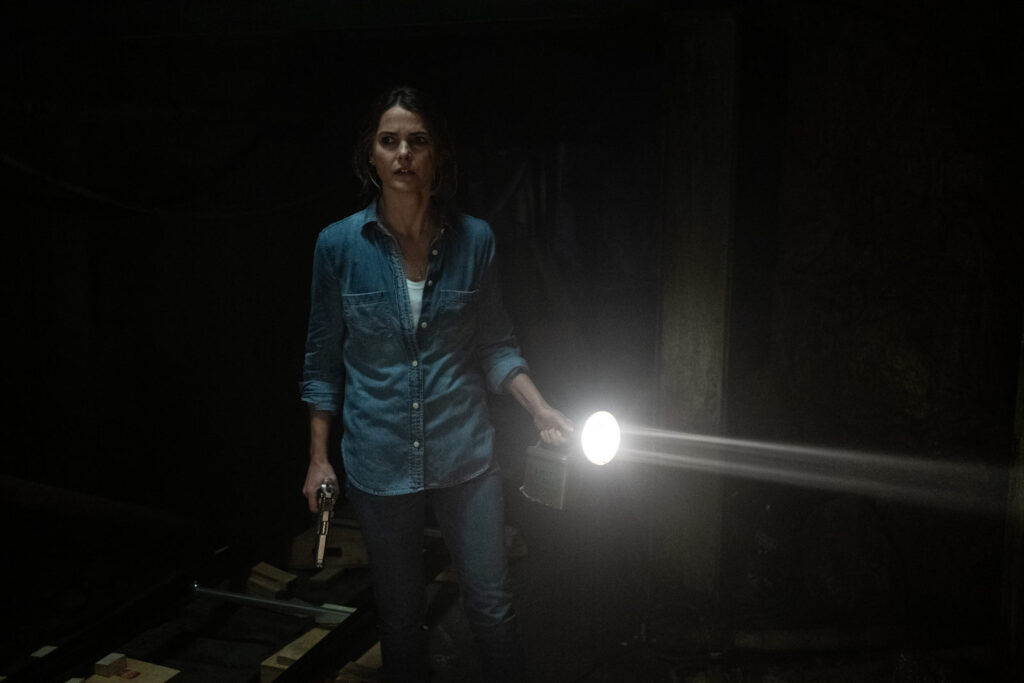
"The Skeleton Key" (2005, USA)
Kate Hudson fights black voodoo magic and uncovers the truth about racism in the USA.
"The Babadook" (2014, Australia)
A woman, trying to cope with the loss of her husband, creates a monster.
"The Witch" (2015, USA)
At the center of the plot is not the witch, but a decaying family with terrible morals.
"The Ritual" (2017, UK)
To say goodbye to a deceased friend, you have to go through an elaborate farewell ritual.
"Ghost House" (2017, Thailand, USA)
A Thai-American horror where love does not save from evil spirits.
"Hereditary" (2018, USA)
Mental neuroses and family secrets with the face of Toni Collette and more.
"Apostle" (2018, UK, USA)
What are you willing to do for the harvest?
"Dachra" (2018, Tunisia)
A Tunisian folk horror about women who befriend goats.
"Folklore" (2018, mini-series)
An anthology of Asian horror stories.
"The Lighthouse" (2019, USA)
When isolation is the main hallucinogen.
"Midsommar" (2019, USA)
When the cultists turn out to be the closest people.
"Gretel & Hansel" (2020, USA)
Don't go into the woods alone, kids, especially if you've eaten poisonous mushrooms.
"The Spell" (2020, USA, South Africa)
Bewitched by a hoodoo grandma to the cult song "I Put a Spell on You."
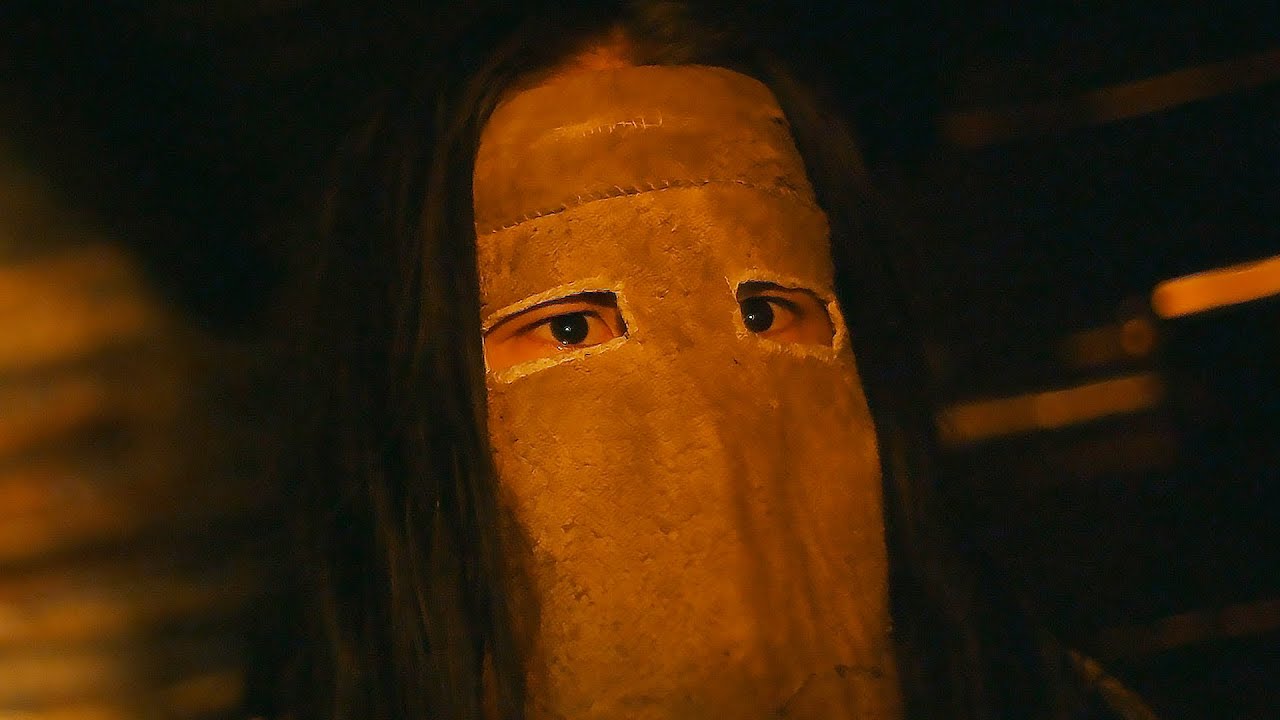
A Yakut folk horror where night visions come to life (or are they just hallucinations?).
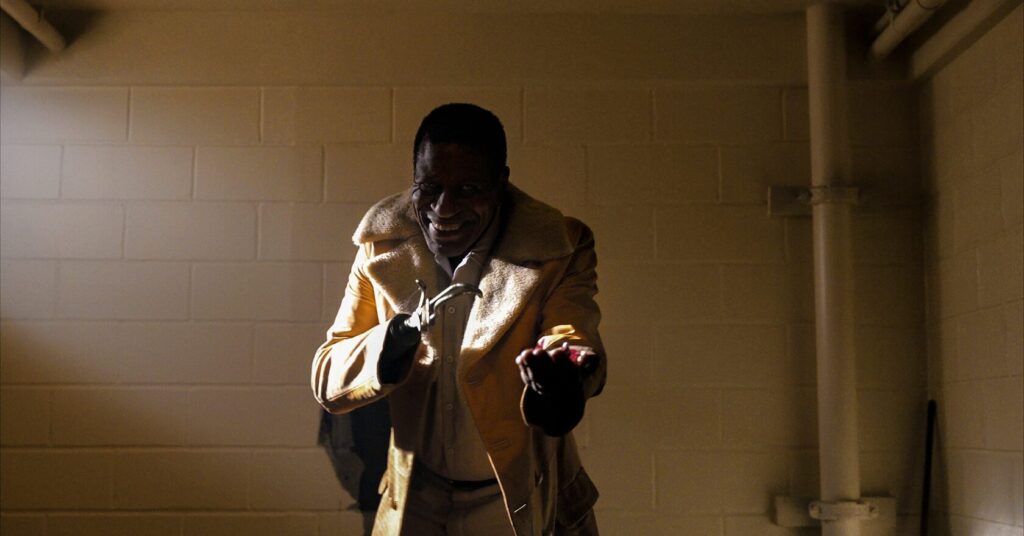
"Candyman" (2020, USA, Canada)
Instead of Beetlejuice, the characters summon Candyman, and along with him, their doom in an art scene atmosphere.
"Antlers" (2021, USA)
A confrontation between school education and ancient paganism.
"The Medium" (2021, Thailand)
A documentary about a Thai shaman, where an ancient spirit ruins the film shoot.
"Moloch" (2022, Netherlands)
When the swamps overflowed, the Dutch version.
"The Evil Eye" (2022, Ireland, UK)
A Filipino housekeeper drives Eva Green crazy.
"The Stone Island" (2022)
When protecting wildlife led to losing one's mind.
"Men" (2022)
About life in a society where all men look like Rory Kinnear.
"Huesera: The Bone Woman" (2023, Mexico)
A Mexican horror warning that a vacation at grandma's is not always tasty and joyful.
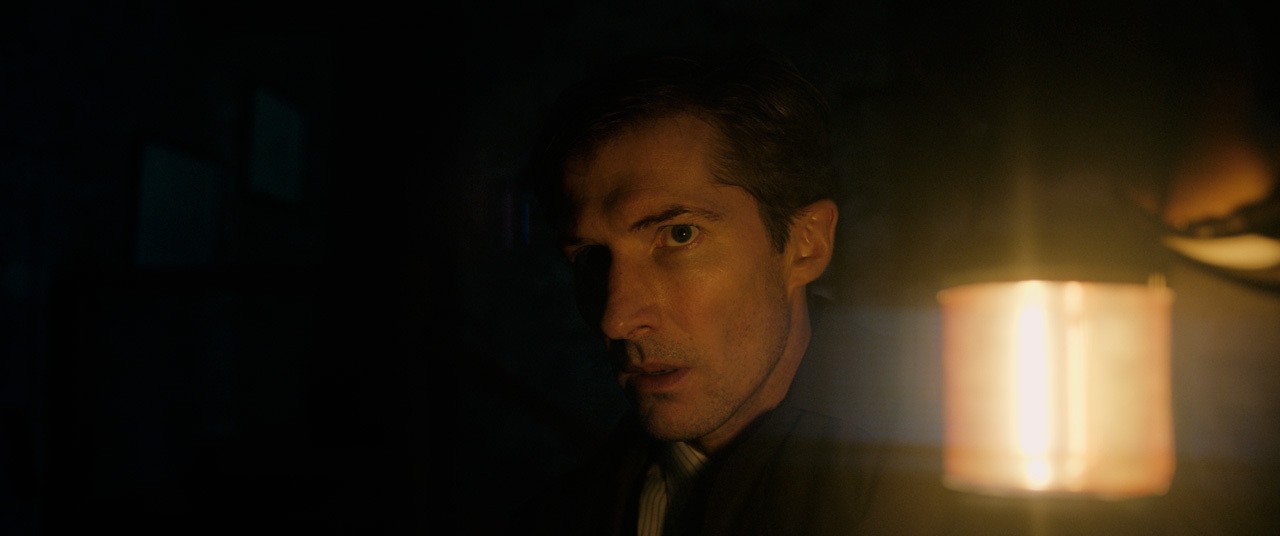
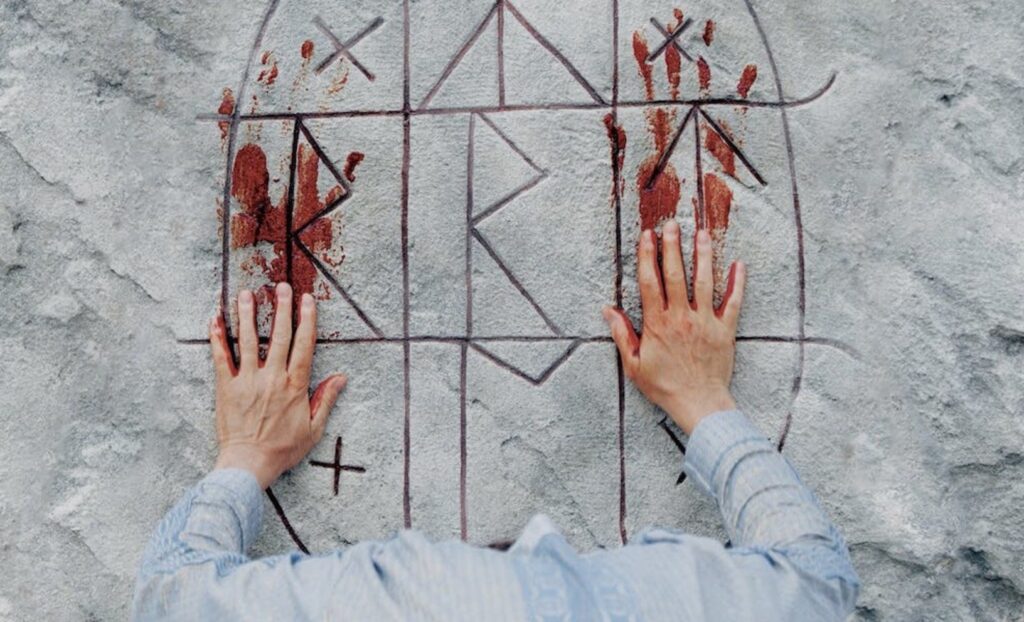
Don't anger those who bring pet golems to dinner.
Thank you for reading our article! We hope it was interesting and useful. When writing the article, information from Alexander Pavlov's book "Horror Studies: Genre Updates in the 21st Century" was used.
Comments
0No comments yet.
Sign in to join the discussion.