
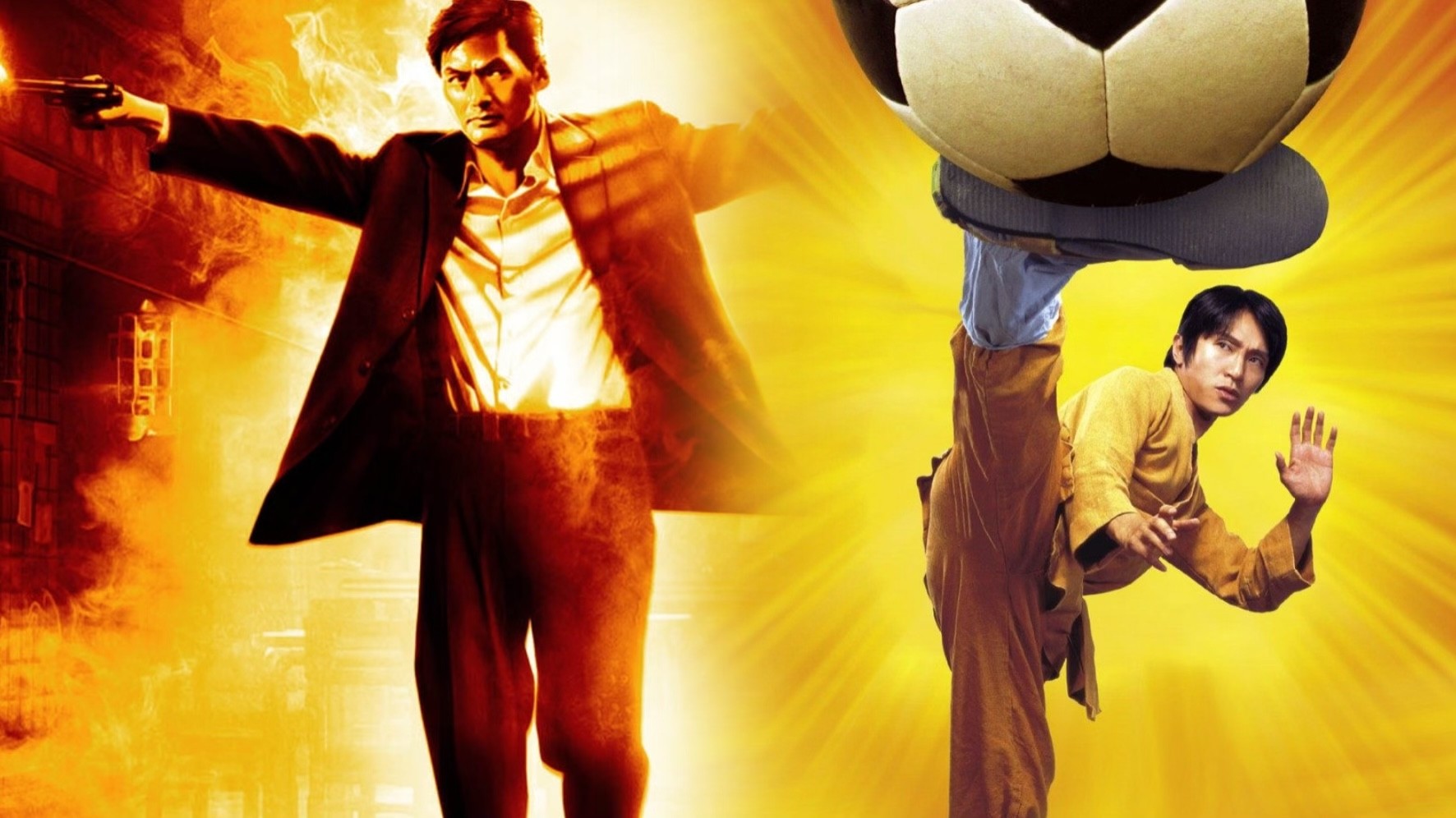
January 29 marks the Chinese New Year. In connection with this event, our team decided to recall Chinese films that delighted, surprised, amused us, and generally touched our hearts.
In recent years, from a cinematic perspective, China has been associated with blockbusters that are grand in scale but very local in content, often rivaling Hollywood films in box office revenue. But Chinese cinema is not limited to this; over the years, the Celestial Empire has given the world phenomena like Hong Kong action films with their 'gun fu', names like Wong Kar-wai, Ang Lee, Chow Yun-fat, and Jackie Chan, and a wealth of wonderful films across various genres. Our editorial team recalls those Chinese films that particularly resonated with us.
'Fallen Angels' (1995)
Almost no conversation about Chinese cinema is complete without mentioning Wong Kar-wai. In his films, he exposes the fractured tragedy in everyday life through the search for ordinary yet eloquent details. Love and attachment, born among the belongings and shirts of a stranger, or among the neon-lit lonely streets of Hong Kong in 'Fallen Angels'; the psychedelic rock song California Dreamin' playing too many times, and the sunlight glowing through the graininess of the frame in 'Chungking Express'; the whirlwind of dresses and ties, ties and dresses in 'In the Mood for Love'.
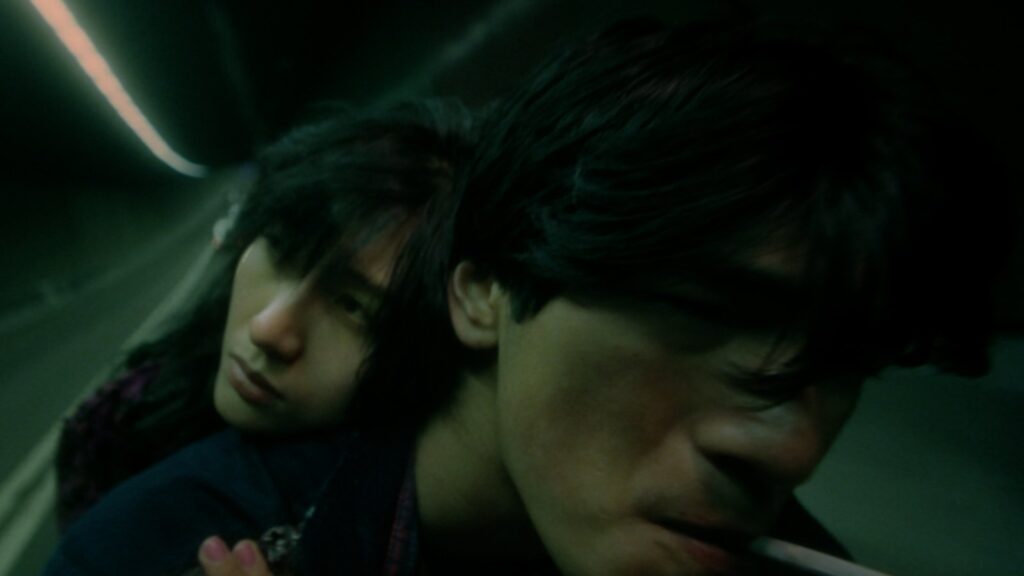
At the heart of 'Fallen Angels' are two love stories. In one, a hitman's partner who cleans up his traces becomes infatuated with her colleague and sinks into romantic longing. In the other, a mute boy who escaped from prison falls in love with a girl he randomly meets on the street.
'Fallen Angels' is an incredibly stylish arthouse film, blending melancholic romantic feelings and fundamental loneliness in the neon glow of big city signs. Deep emotions and fragile feelings rhyme with the aesthetic set by monochrome scenes, film grain, and the twisted glow of pale green lamps. An almost intimate closeness with the characters forms even despite their taciturnity: the camera looks into their faces, drawing closer with each scene.
'The Mission' (1999)
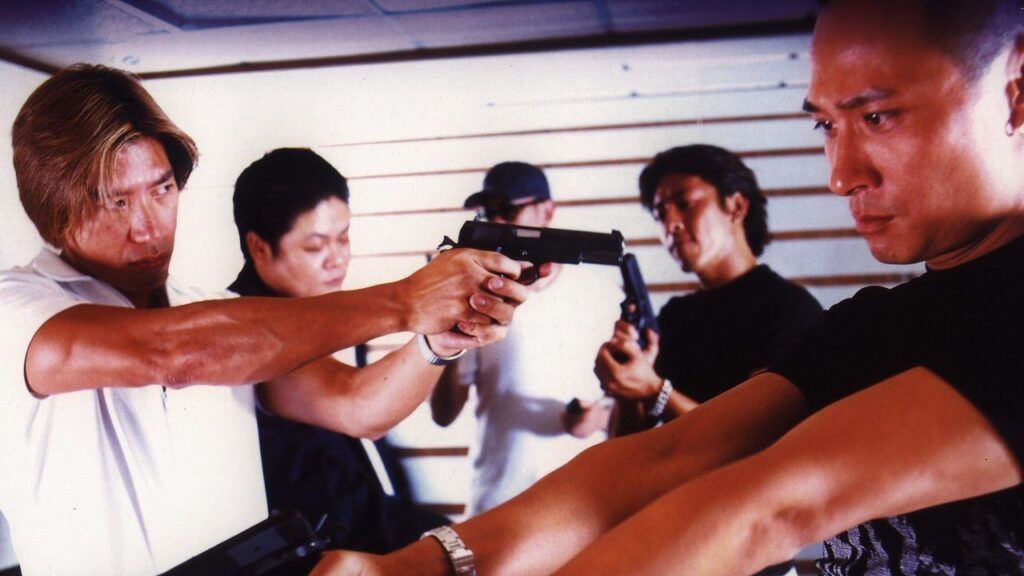
If you imagine a Hong Kong action film as a piece of visual art, then 'The Mission' by Johnnie To is a minimalist still life where instead of fruits and flowers, there are guns and silent glances. Perhaps that's all you need to know about the film.
Seriously, To's film doesn't try to amaze with a convoluted plot or philosophical dialogues about life and death (though it could, given that the story revolves around endless assassination attempts on a local Triad boss). Instead, it invites you to observe five hired bodyguards who perceive their work as routine, sometimes even bored while waiting for the next attack. Their task is to protect the boss, but the real mission is to understand what binds them together.
Even if 'The Mission' seems like the slowest Hong Kong action film to you, it's still interesting to watch thanks to the vivid characters who don't need extra words to express themselves, and the curious narrative structure glued together from a series of assassination attempt episodes.
'Hard Boiled' (1992)
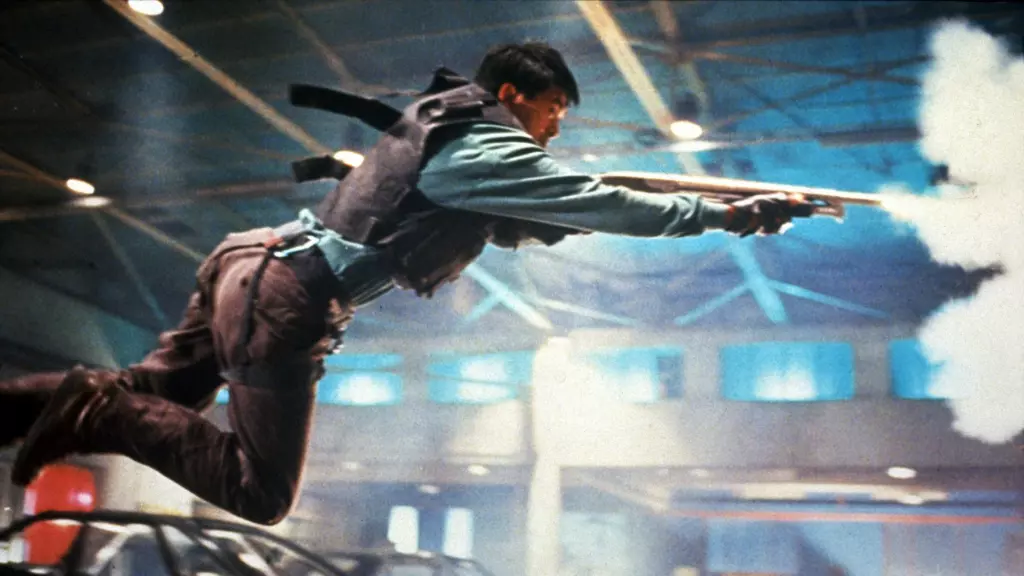
One of my favorite Hong Kong films is undoubtedly 'Hard Boiled'. No list of powerful action films today is complete without the adrenaline-fueled movie by John Woo. It was a new trend in the genre, which had yet to carve out its niche and shift viewers' attention from more traditional representatives like 'Die Hard' or 'The Delta Force' with Chuck Norris.
The plot of 'Hard Boiled' is quite minimal: a cop avenges his friend, also a cop, against the Triad. That's it. But plot is secondary for John Woo. The main thing is to bring the insane choreography of action scenes to the forefront, elevating them to the level of circus acts. These scenes were immediately dubbed 'gun fu'. In them, firearms became full participants in hand-to-hand combat. This technique was later adopted by other authors, and it became especially prominent in Chad Stahelski's 'John Wick' franchise.
'Hard Boiled' is a truly cool old-school film ahead of its time. High-octane action (especially the three-minute one-shot shootout scene in the hospital) and outrageously funny humor literally hypnotize from the opening credits and don't let go until the final shot.
'Shaolin Soccer' (2001)
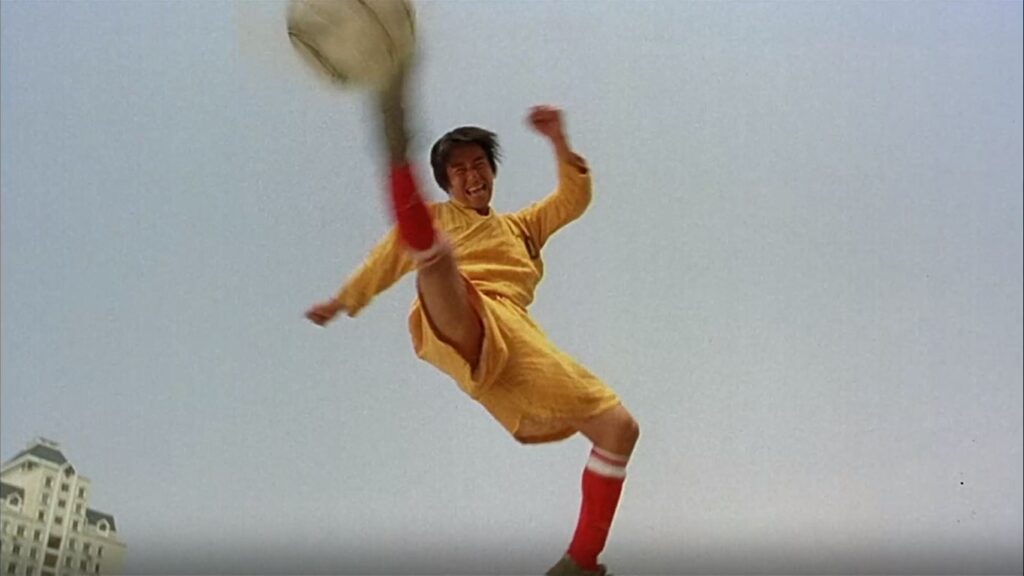
Even bigger 'dances' with kung fu were offered by Stephen Chow — first mixing martial arts with the number one sport, and then staging grand 'Kung Fu Hustle'. But for this selection, we'll highlight the first crazy mix.
'Shaolin Soccer' is not just about kung fu and soccer, but also about absurd humor (very absurd) and social satire (the main character literally has no money for shoes to play). Stephen Chow, the 'king' of Hong Kong comedy, turns soccer into a martial art here, where every kick of the ball is a blow against the system. The film mocks everything: from corruption in sports to human greed. But it does it in such a way that you can't catch your breath between laughter and delight at the wit, between scenes parodying Michael Jackson and the acrobatics of the crazy goalkeeper.
After watching this film, you'll start looking at soccer as an extreme sport where only the craziest survive.
'The Grandmaster' (2013)
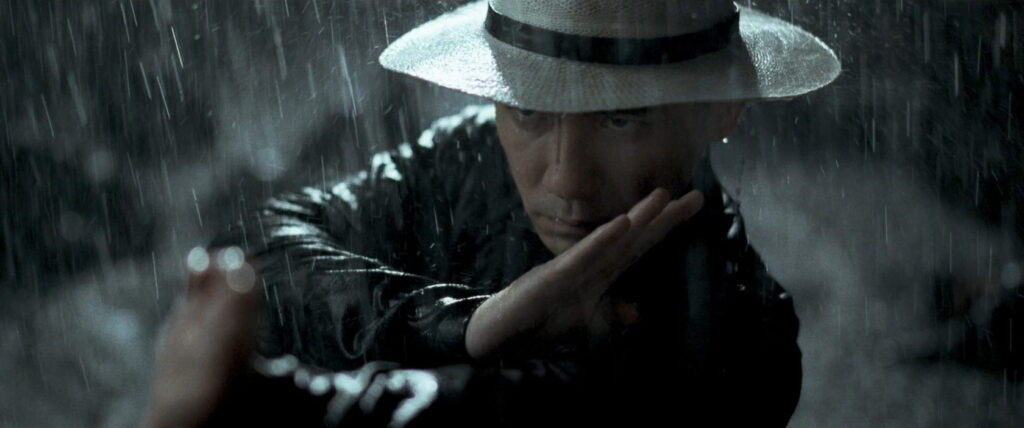
Among the two films (the first being 'Ip Man' by Wilson Yip) about the great martial arts master (and teacher of Bruce Lee) Ip Man, I definitely choose this epic by Wong Kar-wai, unlike any other similar film.
Besides being an impeccably staged biopic, it is also an incredibly deep parable about love and time.
The depiction of historical context, the fight scenes, the wise and restrained melancholy bordering on an illusory world — you have definitely never seen anything more beautiful on a similar theme.
'Mad Detective' (2007)
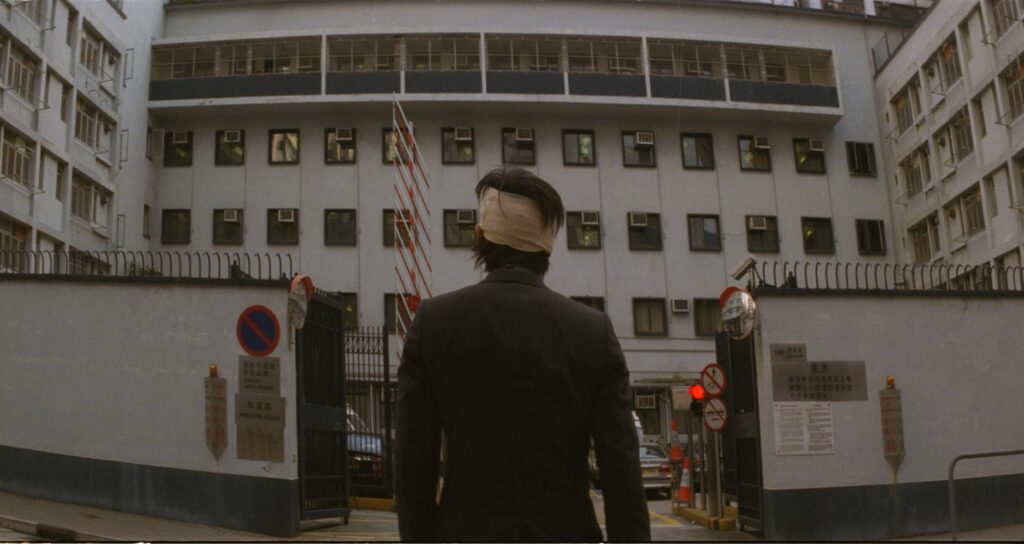
'Mad Detective' is a strange, perhaps even frighteningly strange detective story about the search for a criminal, conducted by a young policeman and his ex-colleague, who was fired from the force for unorthodox investigative methods (and also for solemnly presenting his boss with his own severed ear). The first hero is rather boring, while the picture revolves around the second — Detective Bun. He is a great sleuth because he can see what is hidden in people, their secret personalities, and the criminal they are pursuing splits into seven personas in Bun's mind. Naturally, they are ridiculously diverse.
Like the people in Bun's eyes, 'Mad Detective' breaks down into elements, episodes, barely connected parts, and the main miracle of the film is that it somehow still remains a single whole, not becoming a set of short films. At the same time, as in any good procedural, the existential depth of the plot is not so much explored by Johnnie To as it shines through, breaking through the general schizophrenia of the action. Naturally, analyzing such things only spoils them, but the story of a detective who sees disintegration everywhere — the fragmentation of consciousness, society, the world — is, firstly, mesmerizing, and secondly, mesmerizingly relevant.
'Infernal Affairs' (2002)
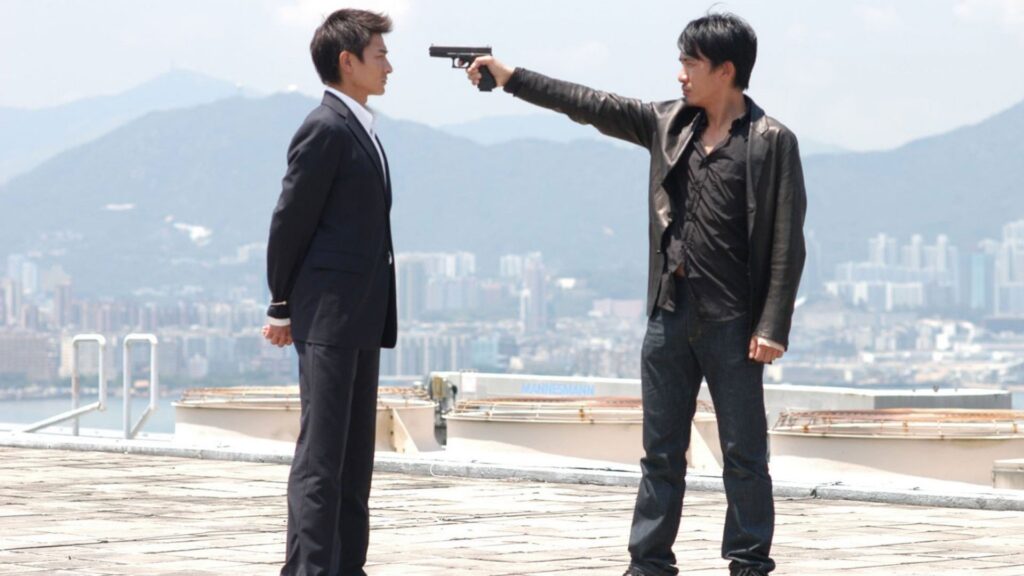
If you've ever watched 'The Departed', you were probably thrilled by that Martin Scorsese film. But there's a catch. 'The Departed' is just a remake of the creation by Andrew Lau and Alan Mak called 'Infernal Affairs'. The original is far deeper and more interesting than the Hollywood remake, with all due respect to the master.
'Infernal Affairs' is a chess game where every move can cost a life. Andrew Lau and Alan Mak created a story that balances on the edge of a police thriller and a gangster drama. Two traitors, two worlds that constantly swap places. Tony Leung Chiu-wai and Andy Lau play this game with such mastery that the viewer begins to doubt: who is the hero here, and who is the villain? The film makes you literally feel with your skin how hard it is to be a pawn in someone else's game. And yes, the soundtrack here is a separate character that heightens the tension to the limit.
What's even more interesting: if 'The Departed' is a complete story with a vivid finale, then 'Infernal Affairs' is, firstly, the start of a complex trilogy that delves even deeper into the intricacies of human relationships (and provides answers to 'What if...?' questions that might remain after Scorsese's film), and secondly, the foundation for several remakes shot over the years in Japan and Korea.
Comments
0No comments yet.
Sign in to join the discussion.