

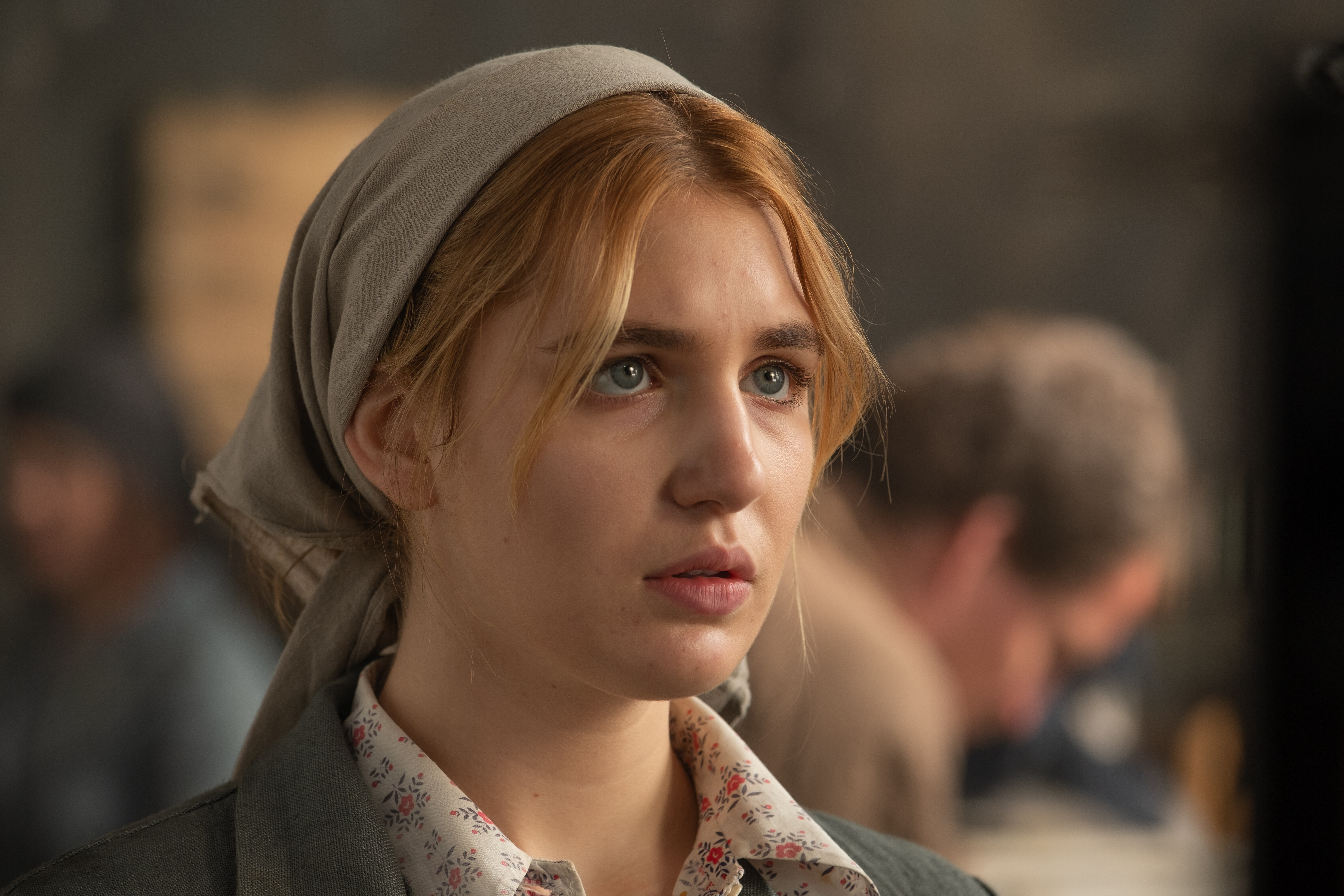
On January 30, the film 'Irena's Vow' is released in Russian theaters, telling a story of unwavering humanity in the midst of the horrors of war.
1942. Young Polish woman Irena (Sophie Nélisse) wanders in horror through her half-destroyed hometown, watching as familiar street names are replaced with new German ones. An officer emerges from her own home, declaring it now his and that she should leave while she can. She cannot find any relatives or loved ones. Life seems to have descended into chaos.
By a twist of fate, Irena becomes the housekeeper for a German major. Equally by chance, she learns that the Jewish tailors under her care—11 people in total—are to be executed soon. Irena finds a way to hide them, but this is only the beginning of their shared ordeal against the backdrop of Poland torn apart by the horrors of World War II.
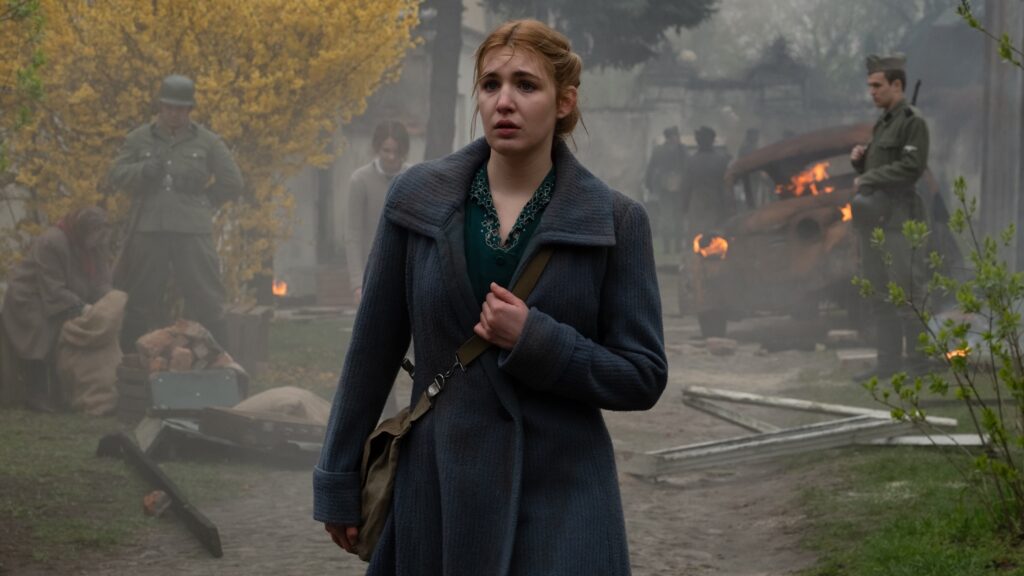
The film 'Irena's Vow' is not a story about war, but an exploration of human nature under uncontrollable circumstances. Director Louise Archambault focuses on the atmosphere of fear and chaos that reigned in Poland, which had been 'divided' between two neighboring powers even before the war began. At the same time, she emphasizes the strength of the human spirit capable of resisting evil, no matter how faceless and ruthless it may be.
The lead role went to Sophie Nélisse, already familiar with similar material from the film 'The Book Thief', where she played an even younger heroine coming to terms with the nightmares around her. Here, she portrays a real person—Irena Gut-Opdyke, who for many years did not speak of her experiences, but when Holocaust denial began to gain traction, she decided to share her story, full of tragedy but also hope, resilience, and humanity. Nélisse convincingly conveys all the emotional fluctuations of the then 19-year-old girl: from shock and fear to determination and courage.
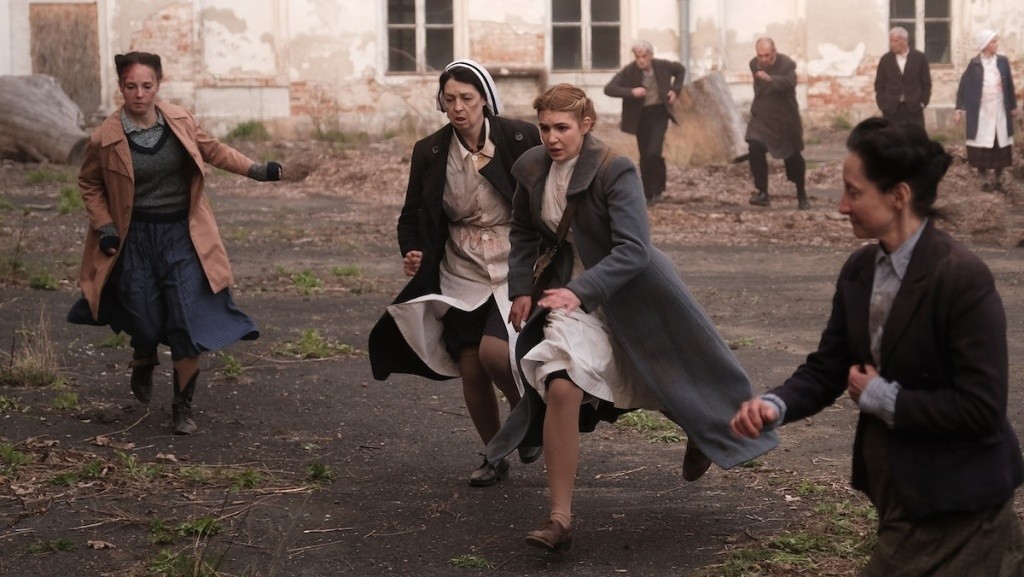
Some scenes here are striking in their brutality, but the director never loses sight of the main theme—the power of human kindness and self-sacrifice. The film raises important questions of morality and compassion, making one think about what we are willing to do to save others.
Interestingly, Archambault also does not shy away from complex topics, such as Irena's forced closeness with Major Rügemer (Dougray Scott). This is both a dramatic plot point and an attempt to look at the moral compromises people may make in extreme situations. However, the film does not delve into the details of this relationship, making it subtle and not vulgar.
'Irena's Vow' is a film based on real events and tells the story of real people, so it would be foolish to criticize it for being largely predictable and following the tropes of similar films. Nevertheless, one cannot shake the feeling that some aspects of the film could have been made more interesting, as it is, after all, a work of fiction.
For example, the characters of the hidden Jews are not developed at all—they are only given a few conventional traits (asthma, medical skills, playing the piano) to distinguish them from each other. The portrait of Irena herself is also not well constructed, with only a passing mention of her mother's boundless kindness.
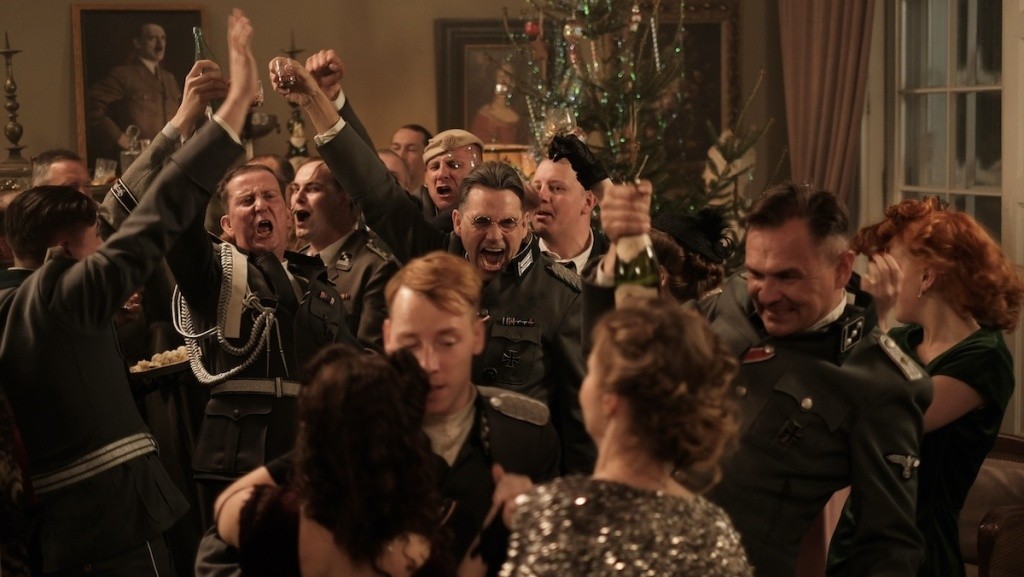
But apparently, the intention of the director and the entire creative team is primarily to provoke thoughts about the power of humanity even in the darkest times. A story of such hope and resilience is sure to resonate with those who appreciate historical dramas and heroic deeds. The kind that makes you want to raise a toast: 'L'chaim!'
'Irena's Vow' is in theaters from January 30.
Comments
0No comments yet.
Sign in to join the discussion.