
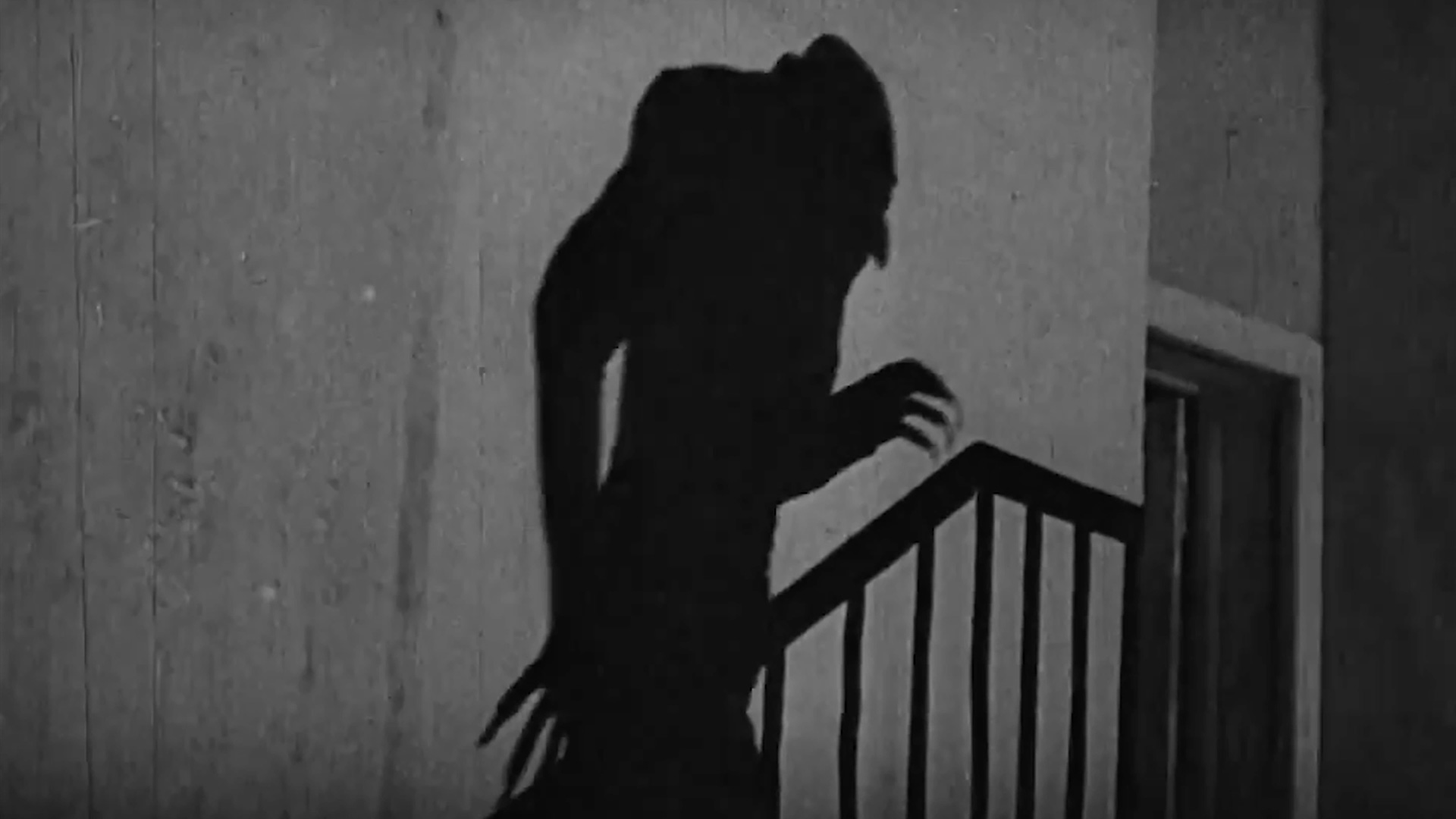
In honor of the digital release of 'Nosferatu', we've compiled a selection of favorite vampire movies for every taste.
Robert Eggers' vampire blockbuster has finally hit small screens, and now everyone can watch the film without censorship interference from distributors. In case you suddenly develop an uncontrollable thirst after viewing, we've prepared a whole range of films to quench this bloodthirsty mood. But our advice: don't forget to go outside from time to time and enjoy the sunlight.
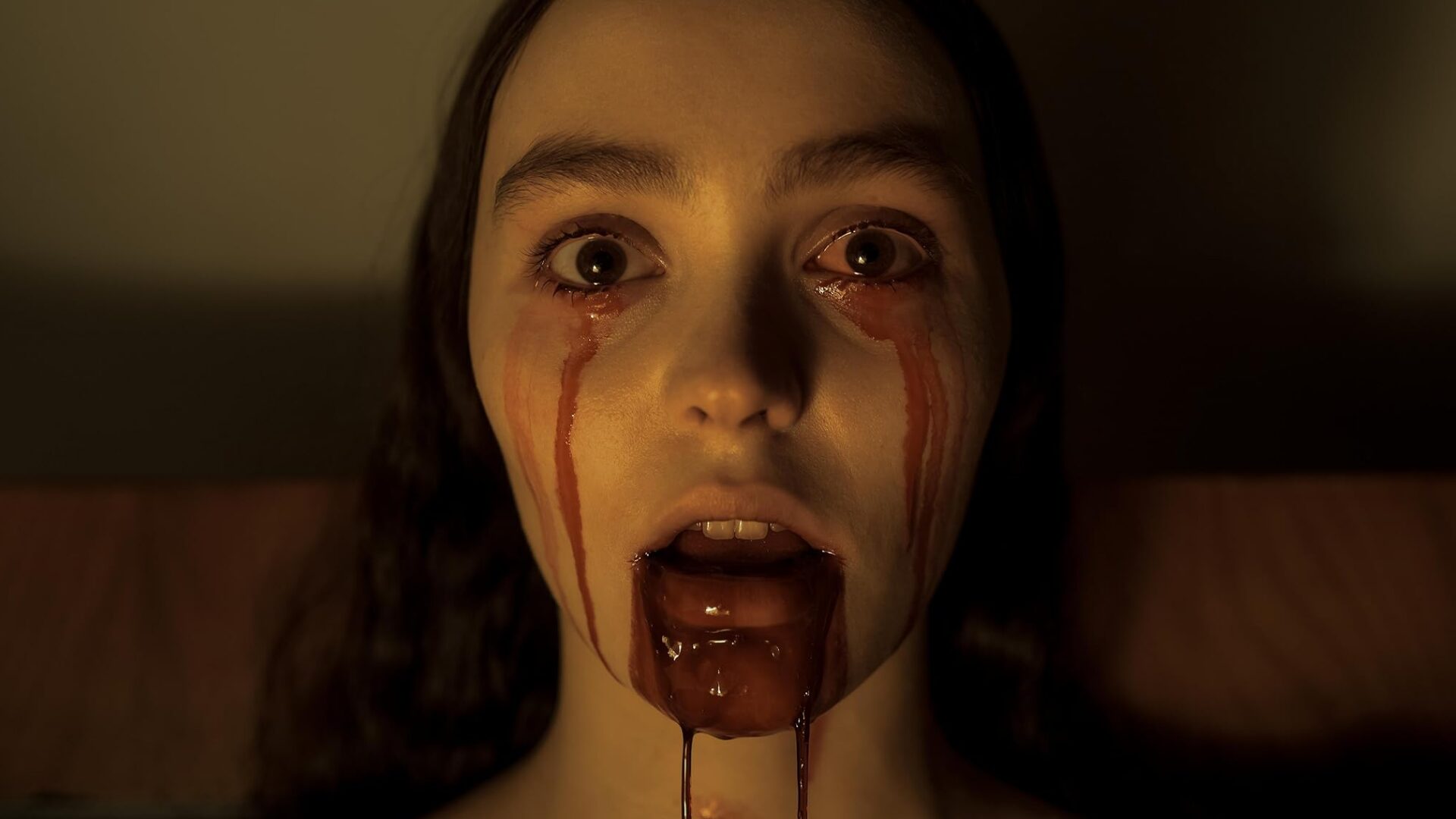
'Martin' (1976)
Famous for zombie movies, George Romero called his favorite among his own films, oddly enough, a vampire movie — 'Martin' from 1976. It's essentially an indie horror, with a tiny budget and complete creative freedom, shot by a crew of nine people. And it's one of those films that best captures the spirit and themes of the seventies — self-discovery, fear of the needle, total alienation, the inability to deal with the past.
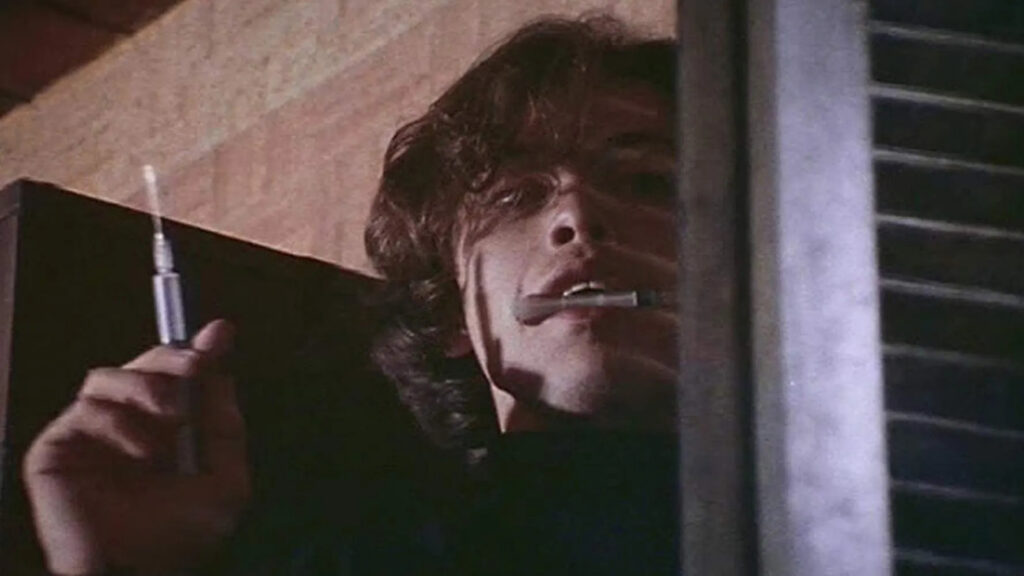
In the plot, a strange, asocial teenager Martin comes to live with his uncle, who is convinced the boy is Nosferatu, an ancient vampire of the Old World. What's scary is that Martin himself is also convinced of this and attacks older women, jumping out of the darkness with a needle to put them to sleep and drink their blood. Romero's film is one of the first serious attempts to shift vampirism from the symbolic to the psychological realm, a kind of 'The Graduate' but with crosses and garlic. The desire to drink someone else's blood is no longer a metaphor for sexual desire, but the desire itself — Martin rapes his victims.
This is a strange, very sad film about the confrontation between Nosferatu and a local Van Helsing (namely, Martin's uncle), in which both are to some extent rejected by the world and both are deeply unhappy. It's scary to watch what the 'vampire' Martin does, but even scarier is his fate — the life of a lonely person for whom there is no other way to communicate with people except by drinking their blood.
'Dracula' (1992)
If you feel uneasy in the big 'Megalopolis', then perhaps a trip to Transylvania will remind you of the glorious old days and bring more positive emotions. Frankly, you can't put together a selection about vampires without mentioning at least one of the most basic films about them. So it was decided that our list wouldn't be complete without 'Dracula'! Especially since the great Francis Ford Coppola is at the helm, the incredible Gary Oldman is in the frame, and his company includes the beautiful Winona Ryder, the legendary Sir Anthony Hopkins, and a young Keanu Reeves (even three decades later, such a cast could be the dream of any director!).
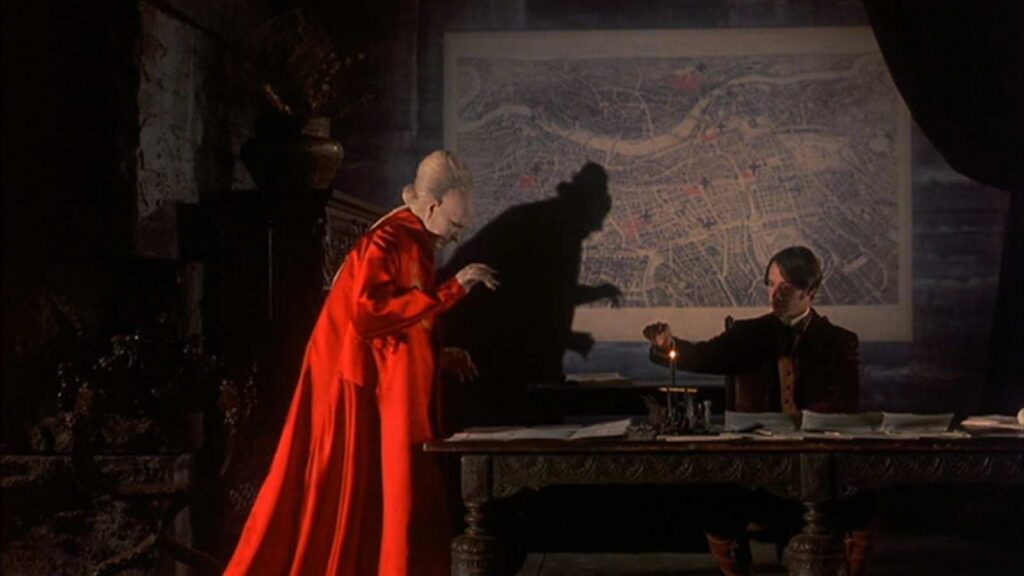
'Dracula' is, so to speak, the 'Nosferatu' of Eggers at the end of the 20th century. A classic story about a bloodsucker, brought to the screen by a great director with a team of fantastic makeup artists and costume designers. A remake of a cult silent film with a modern perspective, stunning acting performances, and excellent visuals. All these characteristics can easily be attributed to Robert Eggers' new horror film, so after watching 'Nosferatu', if that's not enough, you can safely turn on one of the last unquestionably great films by the genius of New Hollywood.
'The Ghoul' (1997)
A unique action-horror about vampires in Kronstadt was doomed to cult status due to its originality. In the decadent cinema of the 90s, the vampire theme, also crossed with quite real gangster showdowns, was not very popular. No one really believed in the former, and the latter was shown on TV every day. No one saw the connection, and no one particularly delved into the topic. They watched, shrugged, and put it on the shelf. It seemed like there was something to look at, but something was off.
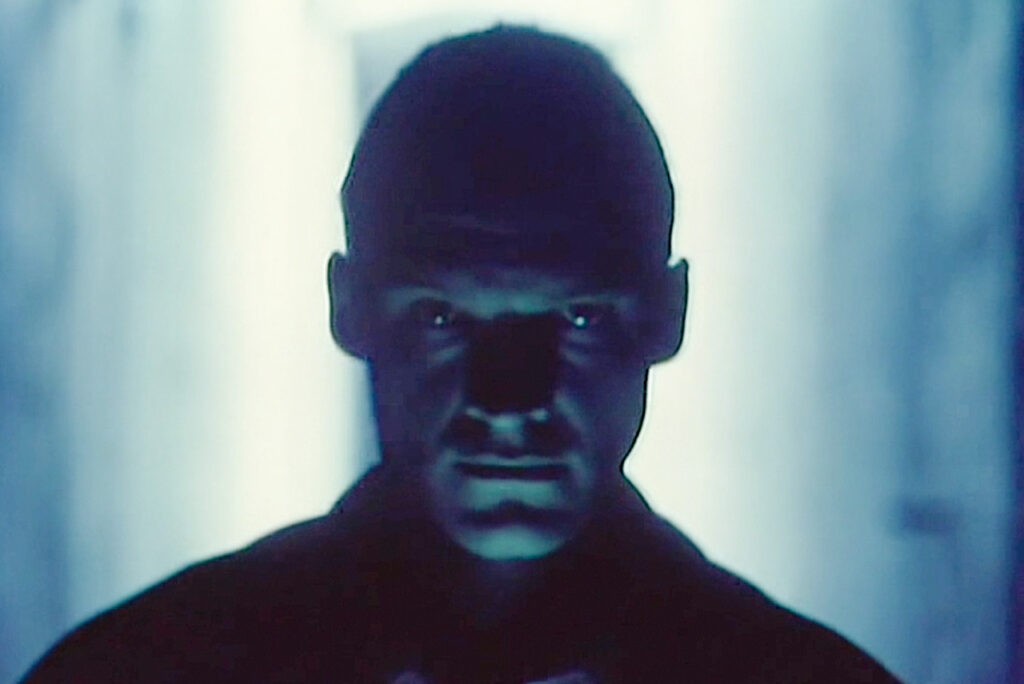
You can understand the viewers. The creators of 'The Ghoul' went for maximum simplification. The vampire no longer looked like an infernal creature sleeping in a coffin, but turned into a completely ordinary person (now Robert Eggers in 'Nosferatu' has reversed that). Only his occupation hasn't changed, and he continues to suck the life out of people, but in other ways. People still needed to get used to that.
But it is precisely from this simplification that 'The Ghoul' exudes horror. Darkness became hard to distinguish from light. Sunlight ceased to be synonymous with safety. Evil no longer distinguishes between day and night and can meet you right on your doorstep. This hasn't been replicated in new Russian cinema. Nor has the image of the nameless and cool hero played by Alexei Serebryakov. He is almost like Balabanov's 'Brother' coming into this chthonic realm to drive out the unclean with wooden stakes, without taking the Belomor cigarette out of his mouth. But the city, as we know, is an evil force, full of horrors and temptations. And it's hard to remain human here.
'Shadow of the Vampire' (2000)
There is a legend that during the filming of 'Nosferatu, a Symphony of Horror', Max Schreck became so immersed in his role that people after watching the film began to think the actor was actually a vampire. Despite only nine minutes of screen time, the chilling image of Count Orlok greatly impressed audiences. This legend is the basis of the film 'Shadow of the Vampire', where the German bloodsucking actor is brilliantly played by Willem Dafoe (and now, a quarter of a century later, he has switched sides and helps fight the darkness).
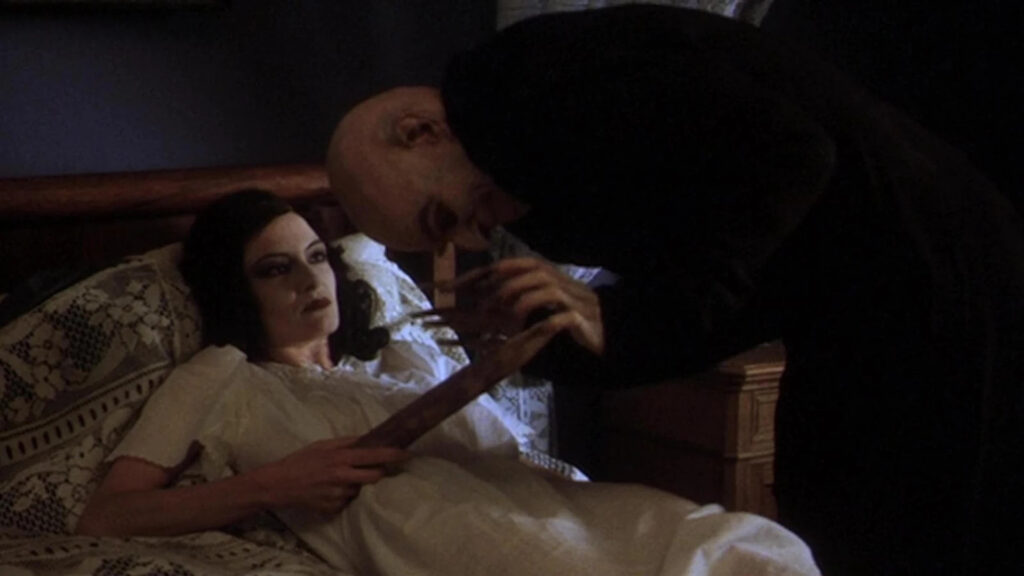
The plot revolves around the filming of the cult masterpiece, where director Friedrich Murnau (John Malkovich) invited the unknown Max Schreck, who had immersed himself in the role using the method of the Russian stage school, to work on the film. In the process, it turns out that the actor is a real ghoul who needs the blood of the main heroine. Director E. Elias Merhige intertwines a fictional story with footage from the 1922 film, immersing viewers in an atmosphere of mysticism at the origins of filmmaking. 'Shadow of the Vampire' is not the most popular vampire story, but it's definitely worth watching at least for the interesting legend and the on-screen tandem of John Malkovich and Willem Dafoe.
'Underworld' (2003)
Those who remember this somewhat faded hit from the early 2000s probably first think of the vampire Selene (outstanding Kate Beckinsale), her leather outfits, and her skills with guns. Naturally, two at once. However, special attention deserves the unforgettable conspiracy plot about the war between vampires and werewolves, in which the latter, as a last resort, decided to create a hybrid — both vampire and werewolf simultaneously.
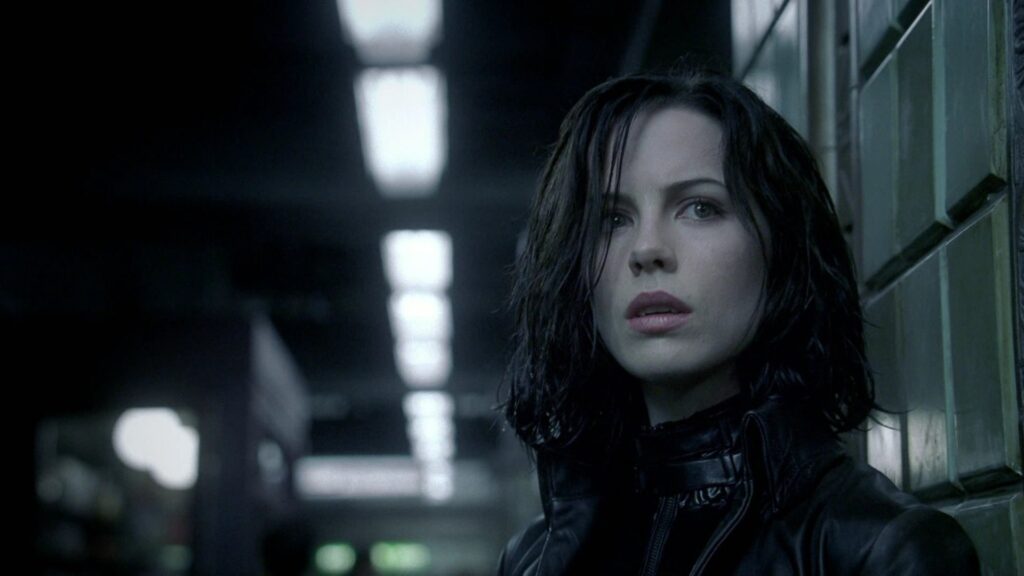
This unconventional move, frankly, leads to the most unexpected consequences: old secrets are revealed, the corruption of power, the ambiguity of truths that seemed simple. On top of everything, the idyll of patriarchy collapses: for its time with its debunking of the ideal of paternal authority — an extremely progressive action movie. Or even a noir, a story of disillusionment with the past, where instead of ordinary raincoats — leather, instead of one gun — two, instead of eternal sleep — eternal life.
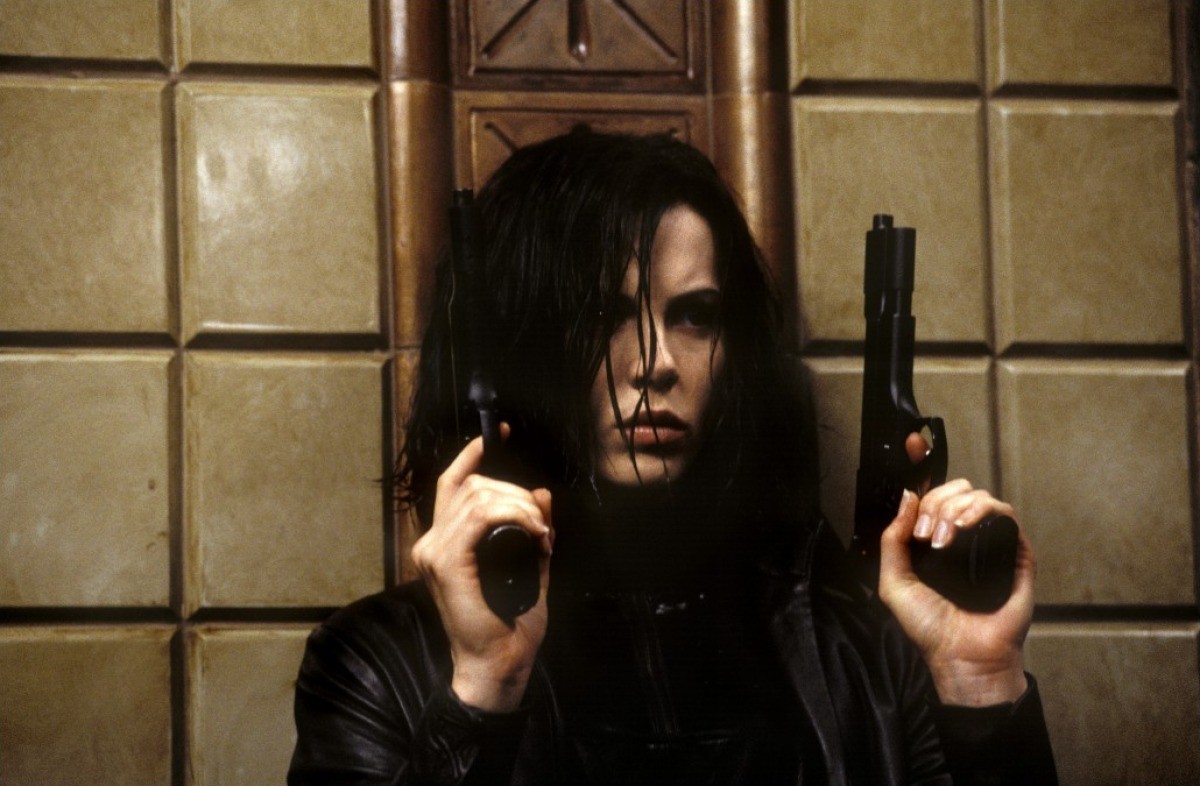
Vampires are some of the favorite monsters in cinema. Over the past few decades, they have been made into fatal lovers and romantics, killers and superheroes. In 2003, 'Underworld' was released on screens.
Open materialHad 'Underworld' with its rich, albeit slightly absurd, mythology come out in the 2010s, we would now be enjoying the fifth spin-off, for example, about Alexander Corvinus. However, the film, with its couple of ridiculous sequels (not counting the great second one), like any true vampire, shone and went into the shadows, remaining a monument to a bygone era and one of the most glamorous films about bloodsuckers.
'Twilight' (2008)
When mentioning 'Twilight', it's customary to shyly look away, because the franchise has grown various memes that mock everything from the actors' performances to the plot. Therefore, admitting love for this movie seems unacceptable. Although the first part is actually not as primitive as it is commonly believed. And we shouldn't forget who owes their rapidly rising careers to Kristen Stewart and Robert Pattinson.
The first film stands out from all the others primarily visually: the movie resembles a teenage indie drama with beautiful landscape shots and the unique atmosphere of the rainy town of Forks. Moreover, nature here is not just a background, but one of the characters. And the overall gloomy mood of the film is given by the blue-green color grading — something that will leave the franchise along with Catherine Hardwicke after the first film.
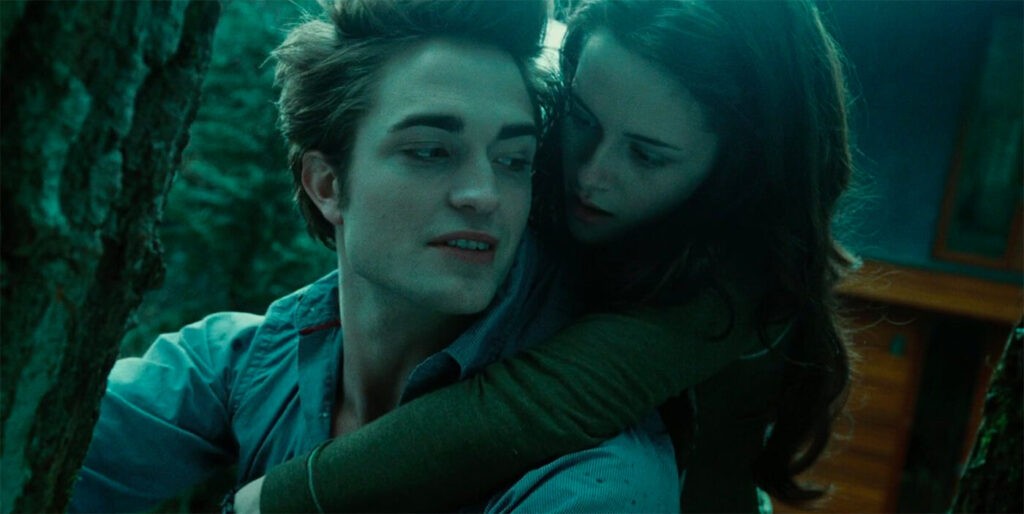
Hardwicke turned out to be the only woman in the director's chair of the franchise and, unlike other directors, avoided objectification and sexualization of the characters. Moreover, she managed to tell a relatively standard coming-of-age story quite interestingly by mixing genres (mysticism, comedy, action, and sometimes even a musical, but without songs and dances). And the expressive, sometimes comical, suffering of the characters is compensated by quite natural and lively dialogues during various activities.
Yes, a feeling of awkwardness accompanies us all the time, reminding us that we are watching just a movie about teenagers, and the presence of vampires adds a bit of horror vibes, but only at the very beginning. Now, 17 years after the release of the first part, we can be disingenuous and say that watching 'Twilight' is a guilty pleasure. But let's be honest: vampire baseball to Muse and action showdowns in the ballroom will always be our 'personal brand of heroin'. By the way, not only the films left a mark on pop culture: Stephenie Meyer's books spawned a fashion for romance novels in the 'human + monster' format, equating the danger of monsters with sexuality.
'Fright Night' (2011)
A remake of the 1985 horror film. While the whole world was mostly enjoying the relationship between Edward and Bella, Craig Gillespie came up with the idea to create a completely new look at the world of vampires. Even the tagline was appropriate: 'Twilight is over. Dawn is not coming soon.'
So, before the viewer is the story of high school graduate Charlie (Anton Yelchin), who has a busy but calm teenage life. However, a new neighbor Jerry (Colin Farrell) appears nearby, who is clearly hiding something.
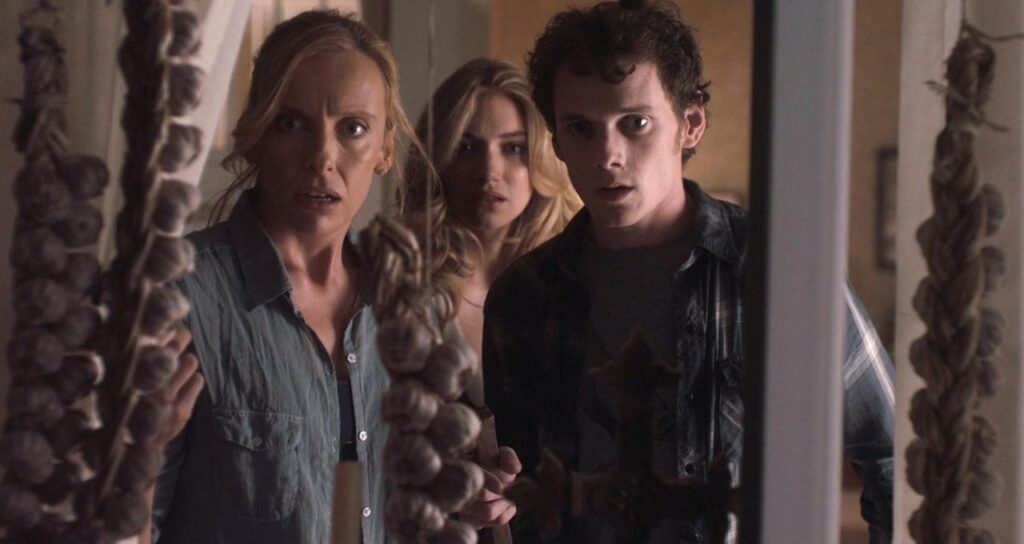
Many admired how good Farrell was in the role of the bad guy (the Penguin was still far away), noted the charming small role of David Tennant, but unfortunately, the film did not find great love on the big screen. In the end, it turned out to be a decent vampire comedy with aspirations for something serious and even a full-fledged sequel, which would have been better left unmade (but that's a completely different story).
'Only Lovers Left Alive' (2013)
It's great when another vampire film brings a new facet to this subgenre. 'Only Lovers Left Alive' by Jim Jarmusch truly excels in this.
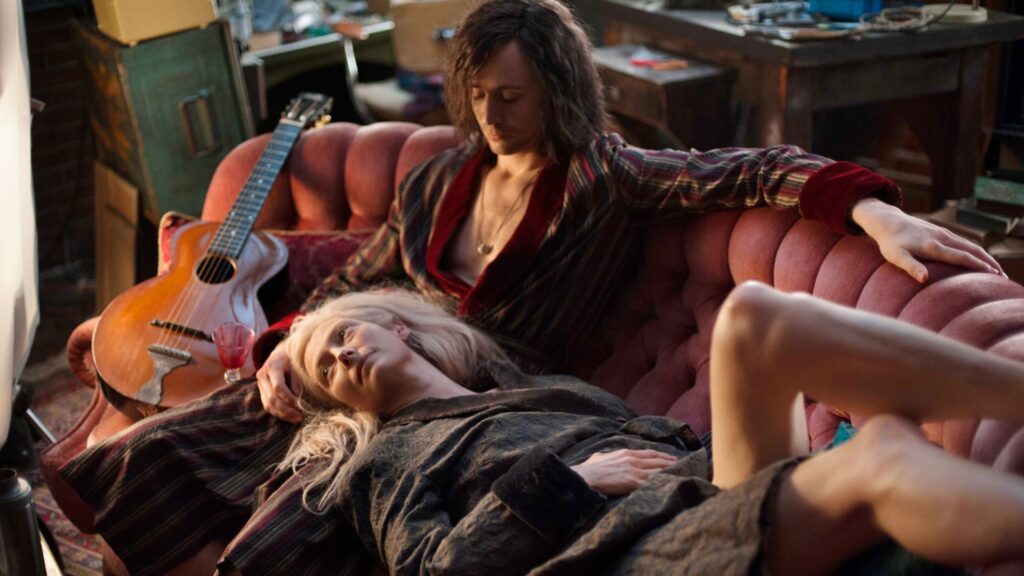
This love story (literally lasting for centuries) of two vampires, Adam (Tom Hiddleston) and Eve (Tilda Swinton), who look more like rock stars — with an extraordinary atmosphere, dark and melancholic, but with Jarmusch's characteristic imperturbable and peculiar humor. Magical realism here not only complements the everyday world but also subtly explores moments of ordinary human existence with dozens of references to great cultural phenomena: from literature to music. Combined with the stunning soundtrack by SQURL and Jozef van Wissem, this extraordinarily beautiful and captivating film makes you want to immerse yourself completely, or gladly offer your neck for a bite.
'What We Do in the Shadows' (2014)
In 2014, Taika Waititi and Jemaine Clement took the stage with a film that saved vampires from clichés. And a guilty pleasure for the generation that grew up loving 'The Office'. Before us is a masterclass on how to make vampires cool and popular again.
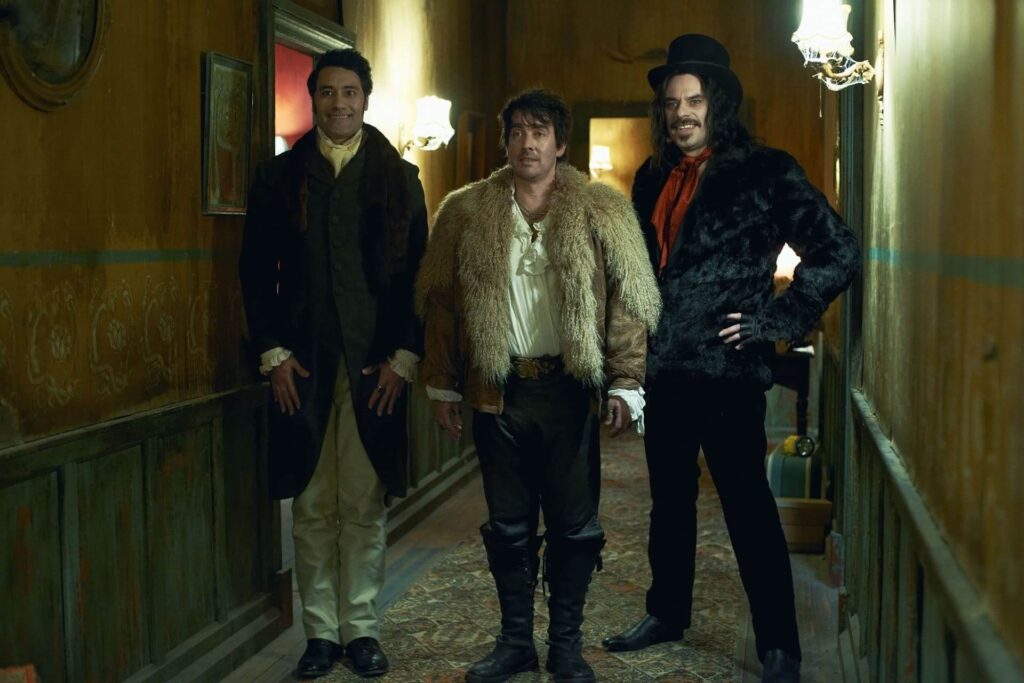
At its core is a brilliant and simple idea: to show vampires who, contrary to their mythical statuses, struggle with the most ordinary problems. And all in a mockumentary style. Vampire jokes like 'I haven't had mortal friends for a very long time. Their problem is they like to die' make even those who don't want to hear about vampires chuckle.
On top of everything, each of the characters is not just a character, but a full-fledged parody of old vampire images, which makes them so memorable. But what really sets 'What We Do in the Shadows' apart from other vampire films is the attention to detail. In every joke, in every frame, you feel knowledge and respect for vampire lore. They mock genre clichés, but do it so elegantly that it's not surprising that the six-season series was quite successful. Vampires can be ridiculous and terrifyingly human. Oh, and of course, 'being a vampire sucks, so don't believe the ads, guys'.
'Bloodsuckers' (2021)
If you are not familiar with the name of director Julian Radlmaier, then that's generally not surprising. This German filmmaker is unhesitatingly classified as arthouse. 'Bloodsuckers' is his third feature film. In 2021, it was awarded a special jury prize at the Moscow International Film Festival. The main character of the film is Lyovushka, a Soviet actor who played Trotsky in Sergei Eisenstein's 'October'. After the politician clashed in a power struggle with Stalin, scenes with the character were cut, and the poor actor had to emigrate. Settling at a resort in Northern Germany, Lyova falls in love with a young vampire countess.
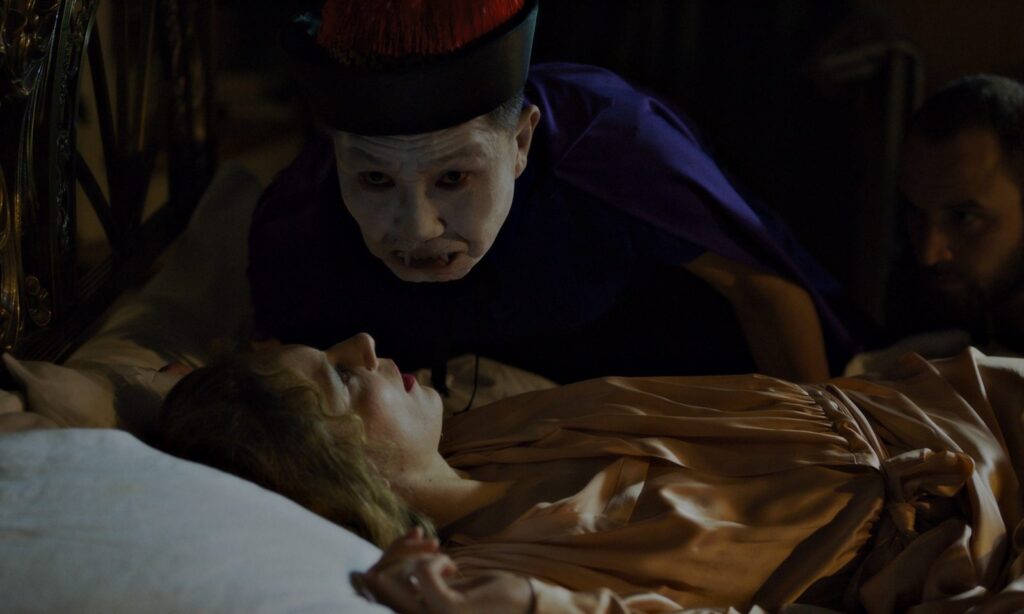
The metaphor that those in power are ghouls is by no means new. These parallels were drawn before 'Bloodsuckers' and after. For instance, Pablo Larraín in his film 'The Count' made Pinochet and Thatcher into real vampires. But Radlmaier, at the same time, fills this comparison with philosophical content. This is evidenced by the subtitle, which reads: 'a Marxist comedy about vampires'. The result is a funny postmodern farce, in no way inferior to the satirical works of Östlund.
'Renfield' (2023)
In Eggers' 'Nosferatu', actor Nicholas Hoult portrayed the role of Thomas Hutter, a real estate agent helping Count Orlok acquire a neighboring mansion. It's funny, because the Briton is no stranger to playing a real estate agent running errands for the famous Romanian vampire. Two years ago, he appeared in a similar role in the comedy film 'Renfield'. There, he served Dracula, played by the demonic Nicolas Cage.
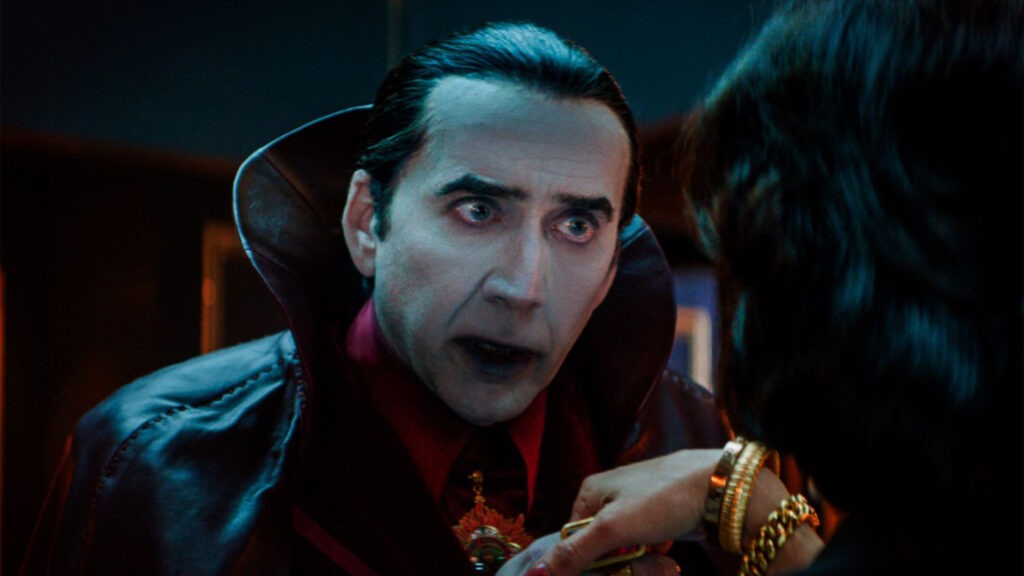
Critics generally received the film coolly, but in my opinion, the film has an extremely interesting concept, even if the execution fell a bit short. The relationship between the ghoul boss and his subordinate can be characterized as abusive. In the plot, Hoult's character begins attending group therapy sessions for leaving such relationships. The film is a light and unpretentious comedy with elements of melodrama, horror, and action. Of course, at times 'Renfield' turned out to be outright kitschy and trashy, but for a one-time evening viewing, it's just the thing!
By the way, subscribe to our Telegram channel 'After the Credits' (here's the link). There we post posters, trailers, and various interesting and funny news from the world of cinema.
Comments
0No comments yet.