
Dystopias, post-apocalypse, virtual worlds that open eyes to the future, underground civilizations, human cloning, "living" robots, and much more—all this is available in the science fiction genre. Only there can heroes look beyond the edge of realit...
Adapting the plots of iconic science fiction novels is one of Hollywood's favorite pastimes. After all, the idea is already there, the story is written. Although it's not that simple: you need to adapt the book into a screenplay with quality and shoot it so that it's not a literal translation of words onto the screen, but at the same time doesn't stray too far from the source material. So on one hand, adaptations seem like a very tempting idea, but on the other hand, they are an extremely risky endeavor that can get you in trouble.
In this article, I decided to list several relatively recent and quite interesting adaptations of sci-fi novels. It should be noted right away that this will not include cinematic classics in the science fiction genre like "Blade Runner" or "Children of Men," or such high-profile projects as "Dune." And at the end, I listed what adaptations await us in 2025.
"Silo"
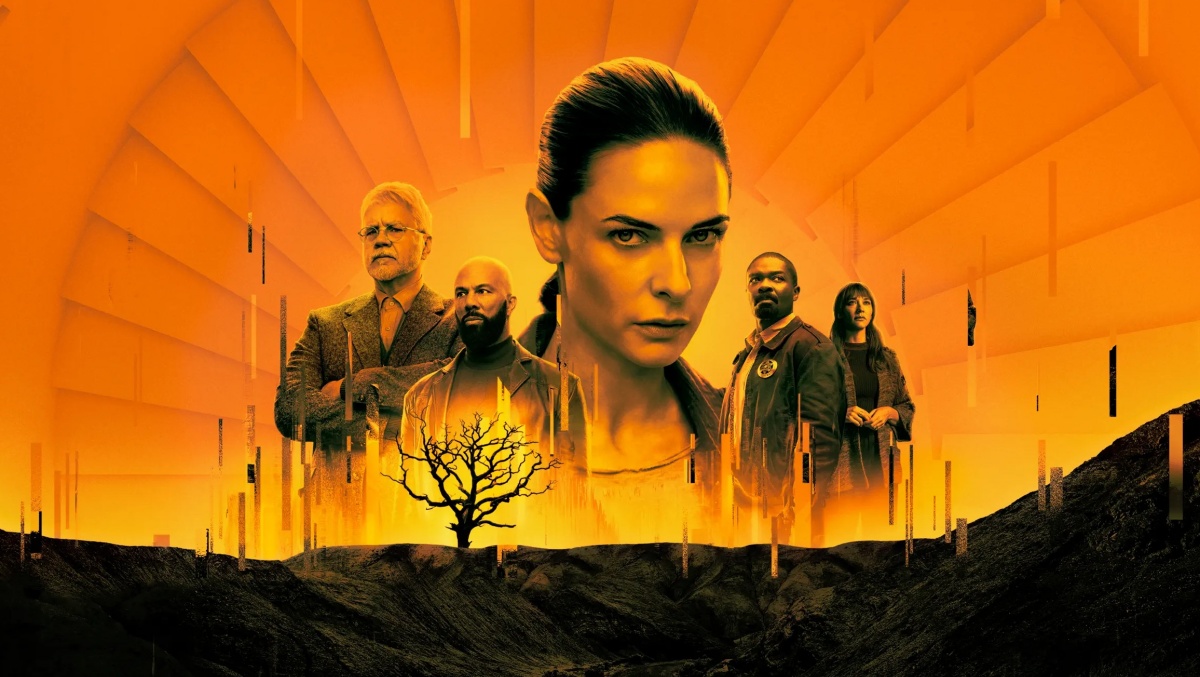
This is a sci-fi series from the streaming service Apple TV+, based on a series of books by writer Hugh Howey. It paints a post-apocalyptic future where thousands of survivors hide in a huge bunker and don't go outside because they think the air is poisoned and the whole world is dead. For a while, everyone was fine with this order, until one day engineer Juliette Nichols discovers that they may have been deceived and frightened by the tale of a dead land for many years.
The series details the world of the future, which overall is not much different from ours, except that we don't live in bunkers. It shows a variety of mechanisms for managing society: political intrigue, an evolved analogue of religion, class division, and birth control. And instead of a Constitution, the bunker reveres the Pact—the main document that everyone must obey without exception. All this sounds familiar thanks to many well-known dystopias.
Despite the abundance of various themes and ideas, the authors tell the story of a rebellion in the bunker slowly. The creators try to compensate for the action spread across episodes with the personal dilemmas of the characters and secrets from their past. Closer to the middle, this whole machine, filled with concepts and interesting characters, still speeds up and evens out in pace and eventfulness per square meter. Yes, at first the series may seem drawn out, and even boring to some. But if you endure it, the finale will not disappoint you, nor will the main character played by the wonderful Rebecca Ferguson.
Apple TV+ management itself is very pleased with the result and even before the release of the final episode of the second season renewed "Silo" for a third and fourth season.
Someone at Apple TV+ clearly loves sci-fi, turning the streaming service into a mecca for science fiction projects. Recently, the platform released the series "Silo" about a post-apocalyptic world where
Open material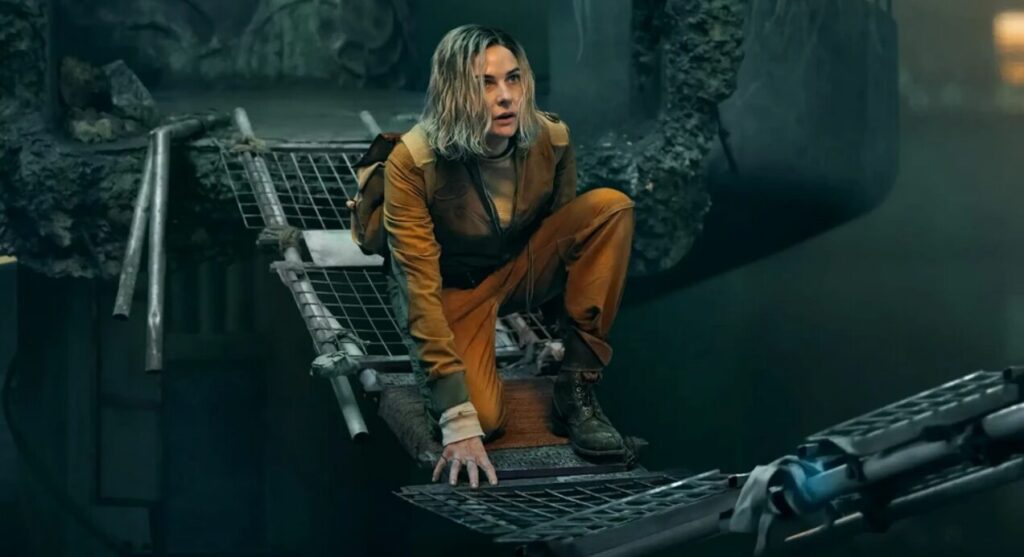
"The Peripheral"
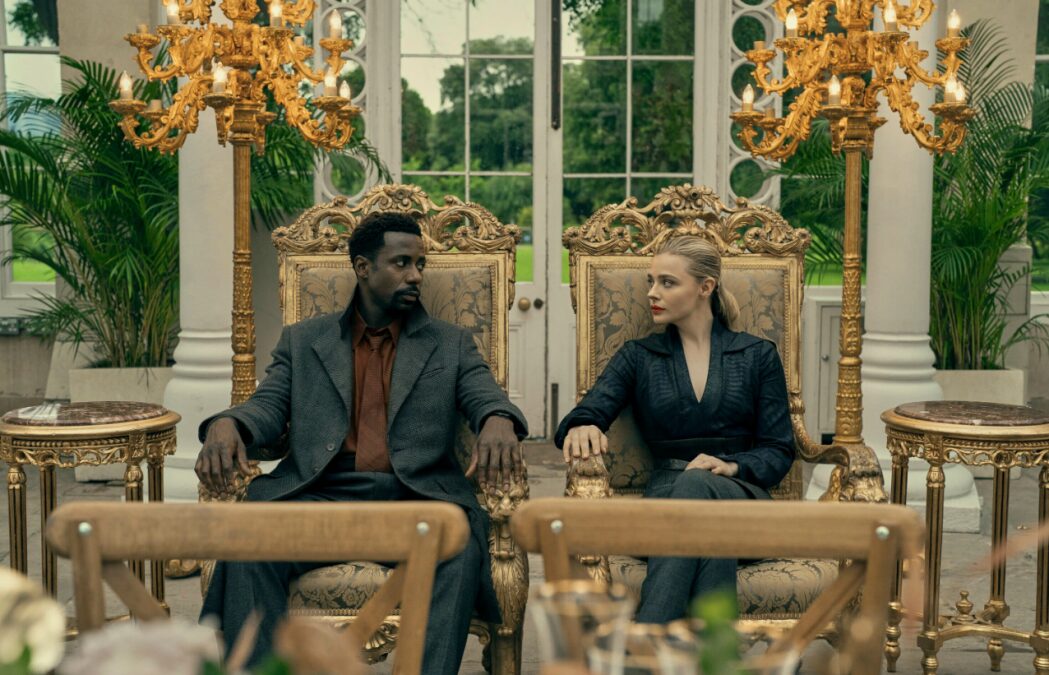
This is an adaptation of the eponymous novel by William Gibson (the father of cyberpunk, who coined the term "matrix" to describe virtual space) from the streaming service Amazon Prime Video. The world in this universe resembles ours, except that technology is more accessible and advanced for people. The plot centers on the theme of a world destroyed in the future due to natural and man-made disasters. The characters manage to look several centuries ahead with the help of a special device that supposedly launches a virtual game, but actually sends their consciousness into other bodies.
Gibson's works are considered difficult to adapt, not so much because of the ideas, but because of the worlds he paints. They are so fantastic and far from reality that they remained only on paper for a long time. Science fiction was at its peak of popularity until the 2010s, but at that time film technology was not sufficiently developed to try to qualitatively depict Gibson's future world. Interest in this genre began to actively revive again in the 2020s. Thanks to new technologies and the wealth of Amazon (and apparently, the presence of Gibson fans among the company's management), we got the series "The Peripheral," one of whose creators was Vincenzo Natali, who worked on "Westworld" and "American Gods."
The authors ended up with a rather cumbersome series: they tried to bring as many ideas and stories from the book as possible into the project. Here we have the theme of artificial intelligence, reflections on the shortcomings of humanity and various threats to the world, as well as the struggle for power, lies for the greater good, and a demonstration of other imperfections of human nature. But the heaviness of the series can be forgiven because of the future world shown on screen (personally, I don't remember such fantasies about the world that awaits us in a few centuries).
At the beginning, you might even get a little lost among the new terms and events. But by the middle, the story stabilizes and picks up pace. The series has excellent visuals and special effects, and there is no shortage of action—all of which is especially important for Gibson's science fiction (and science fiction in general). Unfortunately, the streaming service changed its mind and canceled the second season, and the first ended mid-sentence (fortunately, Gibson wrote an ending in the book).
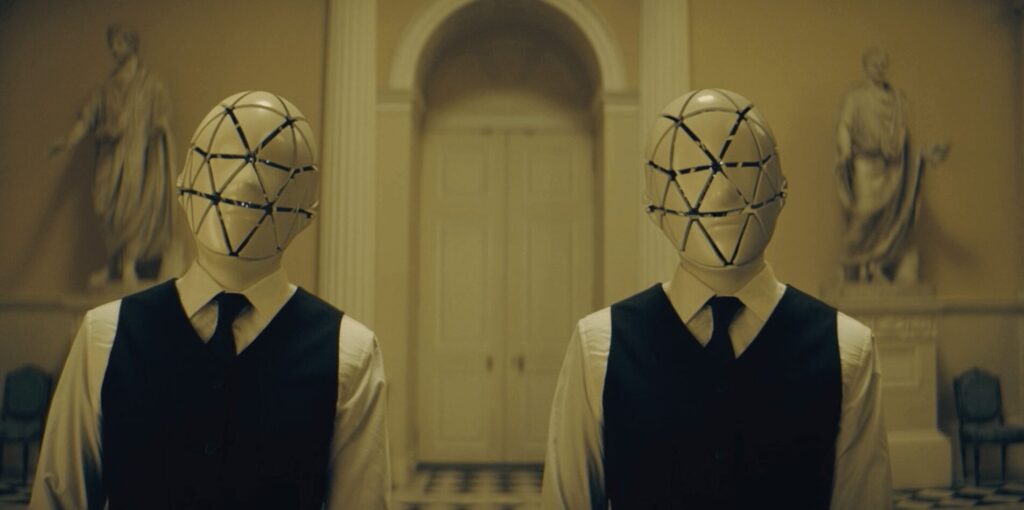
"Station Eleven"
Unlike the source material—the eponymous novel by Emily St. John Mandel—the premiere of the series with Mackenzie Davis was rather quiet. Perhaps this is due to the release coinciding with another wave of COVID-19 illnesses, but certainly not because of the quality of the project.
The events of the series take place in our world, which failed to cope with a virus pandemic. As a result, humanity has thinned out significantly, and now people live in small isolated groups. We find ourselves in a post-apocalyptic America and follow the fates of several characters whose paths converge and diverge. Mackenzie Davis's character lives in a traveling troupe of actors who endlessly perform Shakespeare and scavenge in abandoned houses. In another part of the country, a religious cult resides with a leader nicknamed the Prophet. And there is also Himesh Patel's character, who is strangely connected to both groups.
The plot of the series (like the book) resembles a delicate interweaving of several stories of people living in different places and at different times. We observe the protagonist's youth and her maturity, who she wanted to be and who she became. We are shown what seems like the sunset of the entire world, and then we realize that this is only the end of the civilization we know. Ahead awaits a new, dangerous, and unknown, but still beautiful world.
Despite telling us about life in a post-apocalypse, "Station Eleven" is a very personal story, in which, of course, a lot of time is devoted to survival, but even more to how to preserve the human in yourself rather than becoming a wild beast. There is a lot of warmth, closeness, and hidden love here. And the scale of the tragedy is felt not through shots of destroyed cities and countries, but through the experiences of people with almost chronic PTSD.
The series turned out to be multi-layered and complex. At times, the narrative thread seems torn and confused, but by the finale, everything falls into place. The ending turned out to be tender and at the same time honest—the kind that makes your heart ache a little, but without pain, with hope for the best.
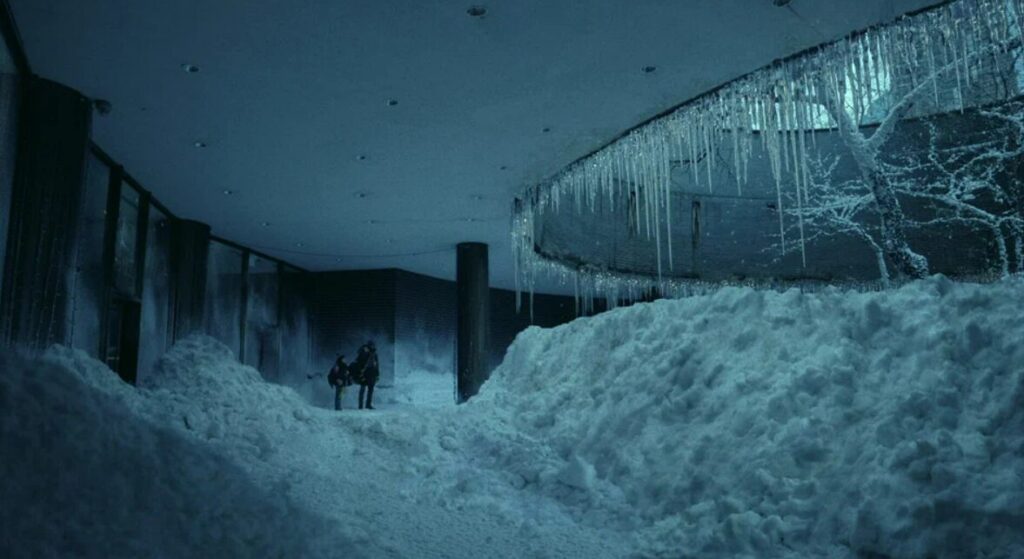
"Foundation"
This is probably one of the most controversial sci-fi projects on the Apple TV+ platform: some viewers complain that nothing is clear, others criticize the disrespect for the source material, and still others simply enjoy the beautiful project. "Foundation" is a series based on the series of books by the famous science fiction writer Isaac Asimov.
In the Russian localization, his books were long translated as "Academy" and only recently began to be printed with the title "Foundation" (which sounds more logical from the perspective of the original title Foundation, but can cause confusion). After the release of the first season, the main book trilogy got a second wind, people remembered Asimov, but if you compare the books and the series, there is very little in common. In defense of the Apple TV+ project, it can be said that they never claimed it was a full-fledged adaptation. They are making a series based on the material, meaning they borrow ideas and characters but can change and supplement the plot.
The series tells about a distant future where people have settled beyond Earth, forming a Galactic Empire led by an emperor. One day, the highly respected scientist Hari Seldon declares that the empire will soon fall, and along with it, all civilization may perish. To save it, he creates the organization "Foundation," through which humanity should have a chance for the future.
The author of this selection is a big fan of Isaac Asimov, who read "Academy"/"Foundation," and does not believe that the Apple TV+ series is a mockery of the writer's legacy. Yes, the series "Foundation" is more of a fantasy on the theme of Asimov's books, but a very high-quality, visually mesmerizing, and interesting fantasy. The creators use some of the writer's main ideas, for example, about the stages of cyclicity and the structure of the world, about the impending catastrophe and the significance of the academy in the fate of civilization. At the same time, they adapt some things from the book to the series format, and as a result, something new appears, say, the theme of cloning the character of Lee Pace.
The first season was not without its rough edges. Perhaps the main problem is the endless jumps between different eras, locations, and characters. The plot itself is very eventful, and at the beginning, the viewer is not exactly smoothly introduced to the context. You sometimes have to pick up details and understand the subtleties of the plot on the fly, but by the finale it becomes easier. In the second season, the authors took their mistakes into account, and the story began to unfold more simply and linearly.
Science fiction has never been an easy genre, because it discusses what does not yet exist—the future—and creates worlds that we may never see in real life. But at the same time, we should not forget that "the future is a reinterpreted past," as one of the characters in "Foundation" said.
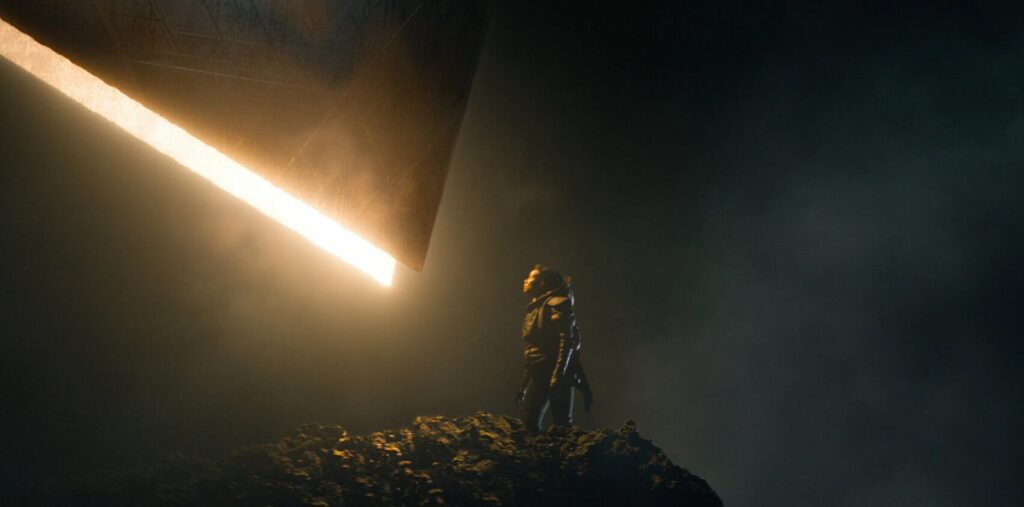
Upcoming Sci-Fi Adaptations
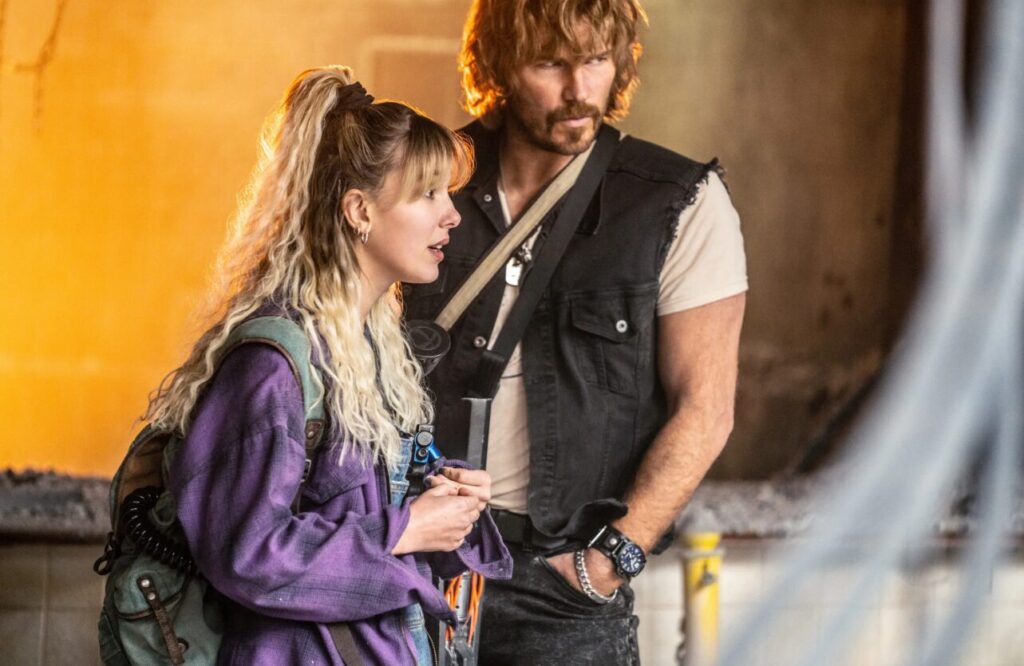
"The Electric State"
The eponymous graphic novel by Simon Stålenhag was decided to be adapted by directors Anthony and Joe Russo, who became famous for their work with Marvel superheroes. According to the plot, the heroine, played by the grown-up and already married Millie Bobby Brown, searches for her missing brother, and in her search she is helped by a robot and Chris Pratt.
The film began shooting back in 2022, but it fell into production hell: problems due to the actress's busy schedule in the final season of "Stranger Things," the tragic death of a crew member, and the decision to reshoot part of the film. The film's budget is $320 million, but who knows, it might inflate further. But the main question is what the film will be like and how satisfied or disappointed fans of the original novel will be with the result?
When: March 14, 2025, Netflix
"Mickey 17"
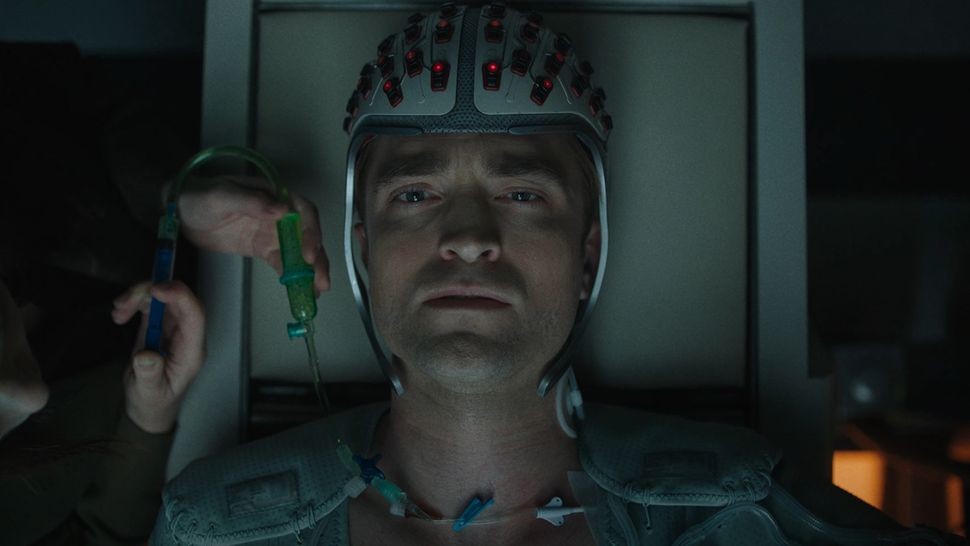
This is the new film by director Bong Joon-ho, famous for the acclaimed and Oscar-winning "Parasites," after several years of silence. The script is based on the science fiction novel "Mickey 7" by Edward Ashton about a disposable employee of an expedition whose goal is to colonize an icy planet. Every time the main character Mickey dies, his consciousness is rebooted into a new body.
The role of the cloned employee will be played by Robert Pattinson (tried eternal youth as a vampire, now wants to learn about the benefits of genetic engineering), joined by Steven Yeun and Mark Ruffalo. The premiere of "Mickey 17" has been postponed several times, but now it seems the film is on the home stretch and will indeed reach us in March of this year.
When: March 7, 2025
"The Running Man"
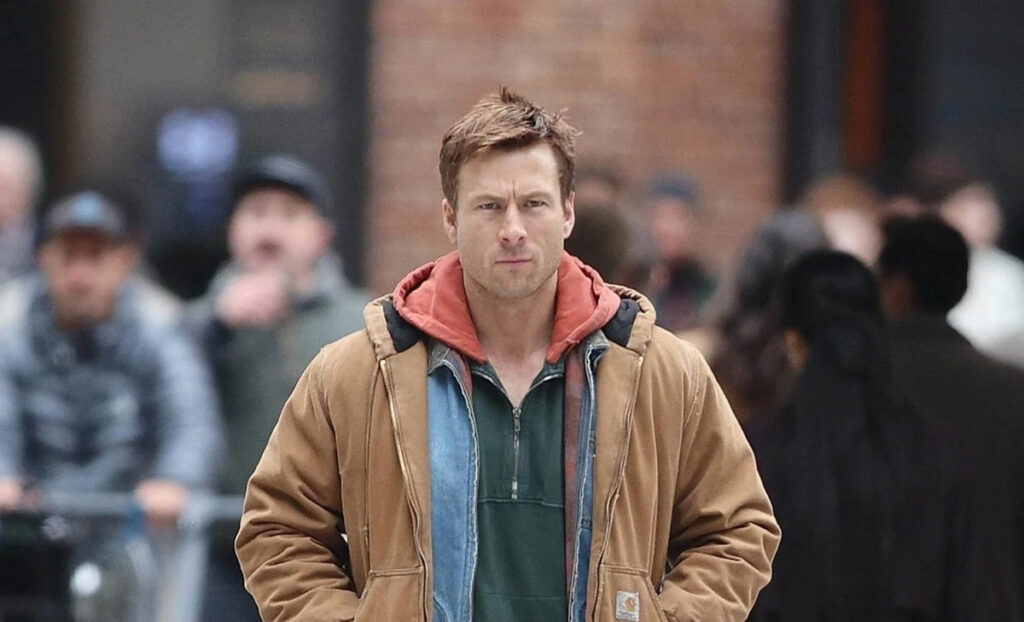
The new film by director Edgar Wright based on the iconic eponymous novel by Stephen King is perhaps one of the most intriguing projects of 2025. Will the director manage to make an adaptation that the King of Horror himself will like?
Director Edgar Wright is working on the film together with screenwriter Michael Bacall, with whom he collaborated on the film "Scott Pilgrim vs. the World." The plot has been known for a long time: the main character participates in the TV game "The Running Man," where professional killers will hunt him. He takes this step for the sake of his sick wife, because the winner will receive a huge sum of money, which can be used to buy expensive medicine.
According to Wright, his film will not be a remake of the 1987 action film with Arnold Schwarzenegger, which was criticized for deviating from the original. The new adaptation should be closer to King's novel. The main roles will be played by Glen Powell and Katy O'Brian.
When: November 21, 2025
"In the Lost Lands"
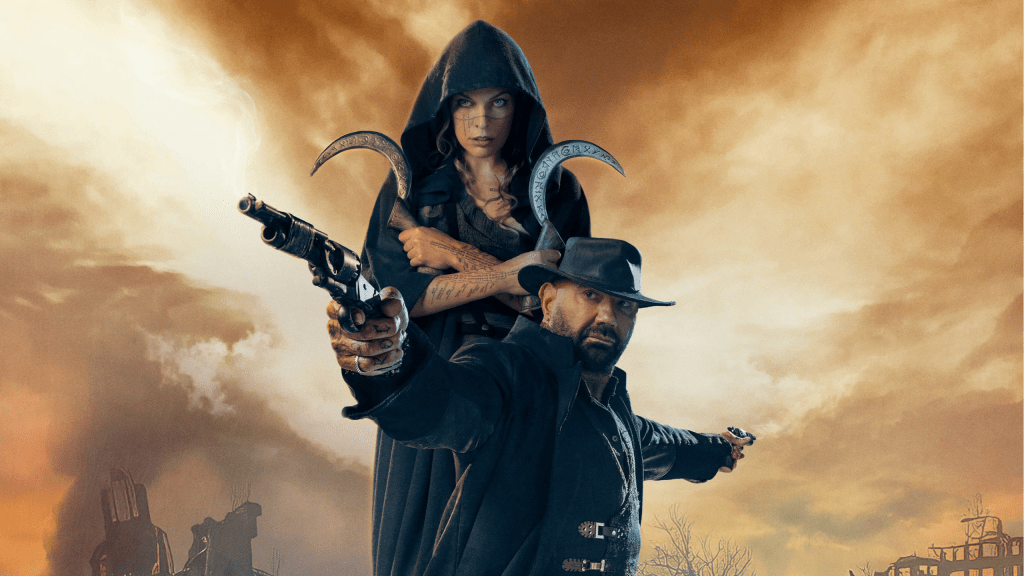
This is a fantasy epic by the author of the "Resident Evil" franchise, Paul W.S. Anderson, based on the eponymous story by George R.R. Martin. The main roles are played by the director's wife, the permanent and incomparable Milla Jovovich, in the company of Dave Bautista, freed from "Guardians of the Galaxy." At the center of the plot is a post-apocalyptic world and a sorceress who sets off into the lost lands in search of magical power. She hires a fearless gunslinger who will lead her through these lands to the desired goal and help her master mysterious magic.
Judging by the trailer, you shouldn't expect much from the project. As is typical for Paul W.S. Anderson: an abundance of slow-motion, chases, and shootouts, and the graphics leave much to be desired. In short, "Resident Evil" on a minimal scale. But let's not despair in advance, and if necessary, you can always wash down the aftertaste with the first zombie apocalypse film or Anderson's decent sci-fi "Event Horizon."
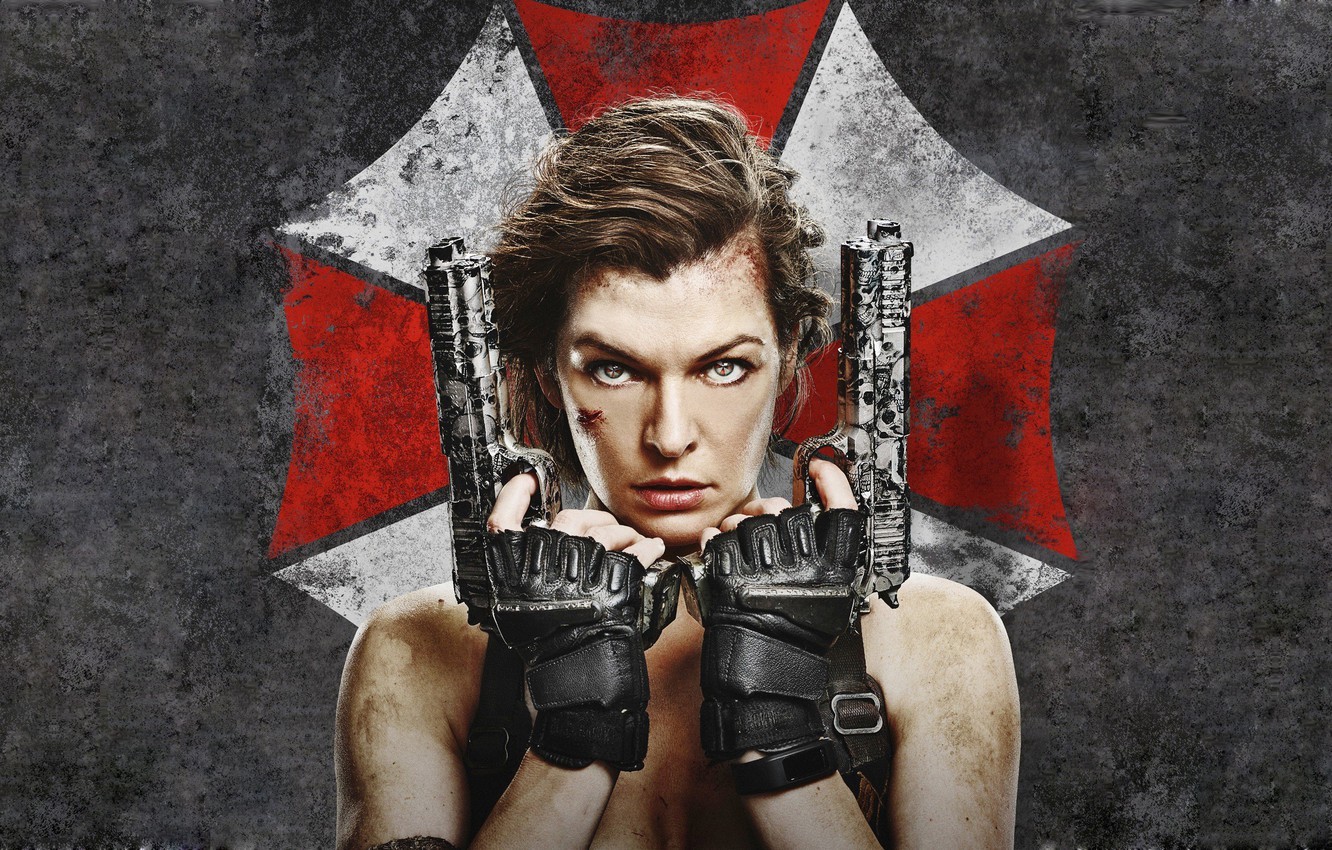
This year, the "Resident Evil" film universe celebrates its 20th anniversary: in 2002, the first adaptation based on the popular game Resident Evil starring Milla Jovovich was released. We remember
Open materialWhen: February 28, 2025 (in Russia from March 6)
Comments
0No comments yet.
Sign in to join the discussion.