
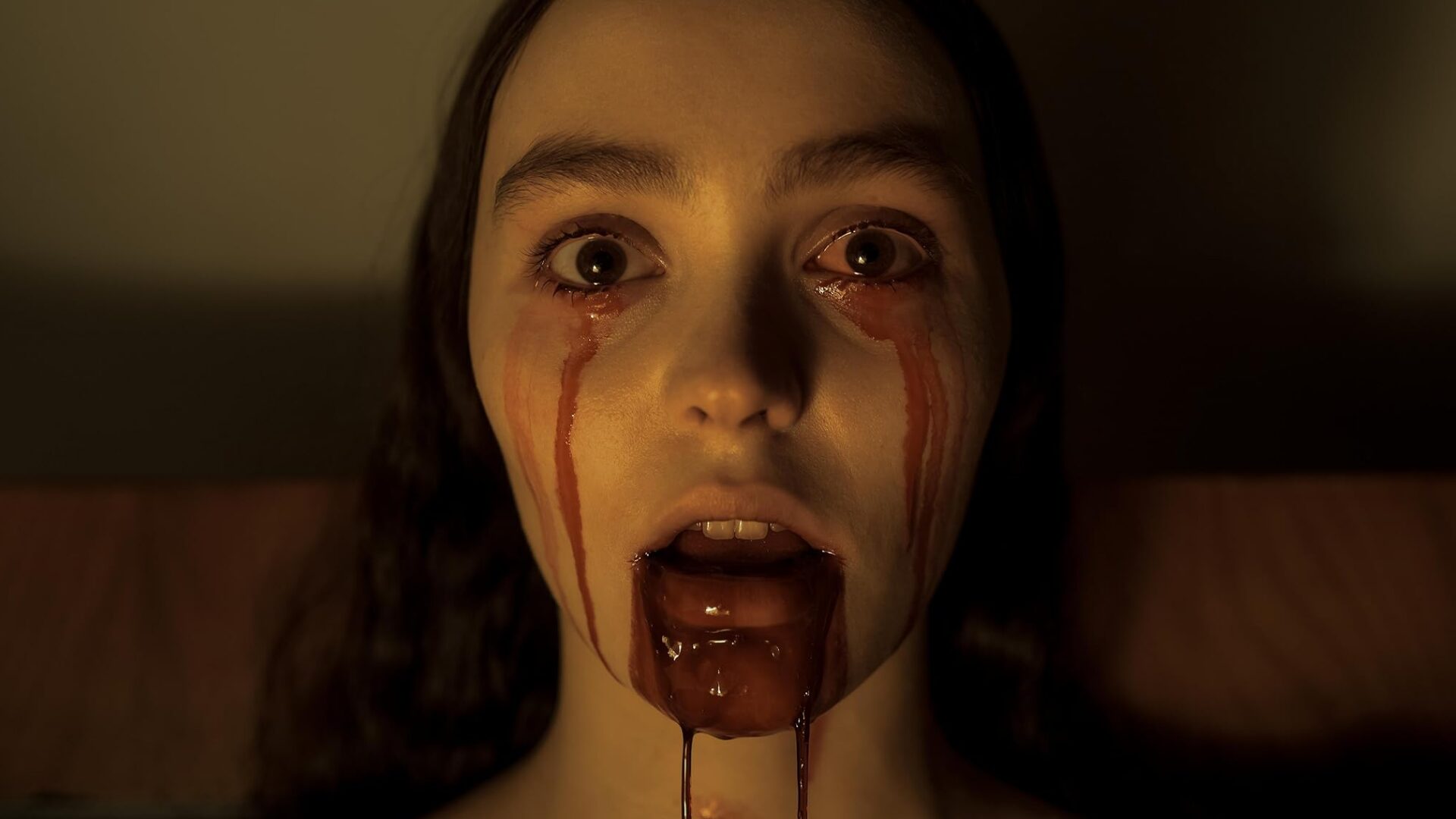
Robert Eggers' remake of 'Nosferatu' is both a tribute to the classic 1922 film and an attempt to reinterpret it for a modern audience.
Eggers takes cultural heritage and fills it with meaning. As a result, the film is not just about vampires, but about fears, desires, and human vulnerability.
'Nosferatu' certainly captivates with its gothic aesthetic, deep atmosphere of horror, and social undertones (hello, gender inequality and repression), though it evokes mixed feelings due to its artistic choices (but to each their own).
The film tries not just to evoke fear, but to reflect on the deep desires of each of us. Let's break down our impressions of the viewing without spoilers or scene details (which were also cut for us).
Plot and Characters
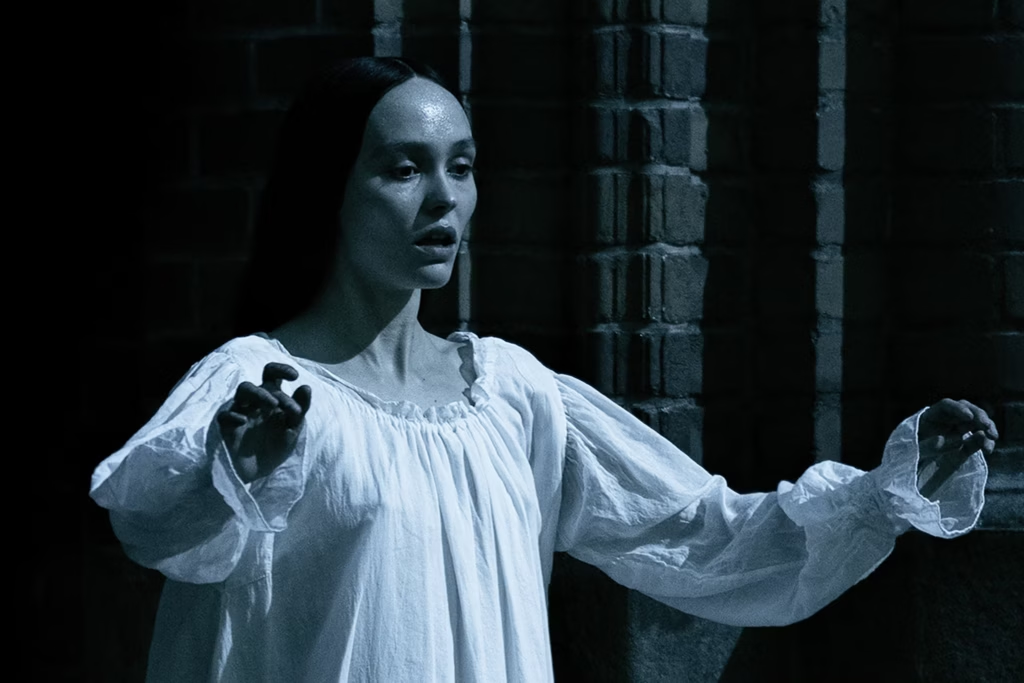
The film's plot retains the key elements of the original. The viewer is transported to 1838, to the fictional German town of Wisborg. Thomas Hutter (Nicholas Hoult), a humble real estate agent, travels to the Carpathians to finalize a deal with the mysterious Count Orlok (Bill Skarsgård). He leaves his wife in the care of friends (Emma Corrin and Aaron Taylor-Johnson), so his wife Ellen (Lily-Rose Depp) faces a growing nightmare connected to a mysterious evil that gradually takes over her mind. And her secret desires are fully revealed.
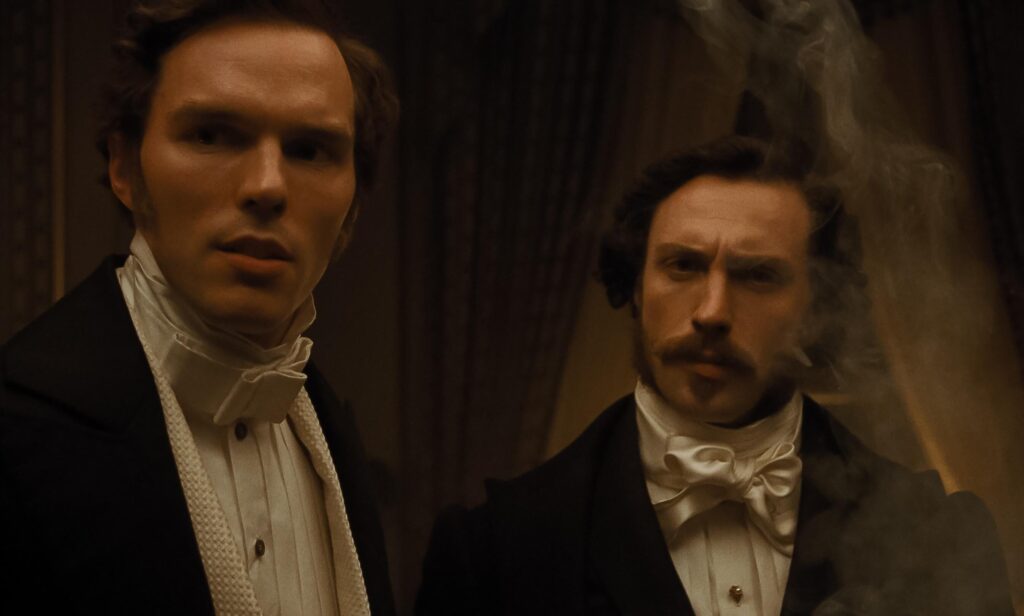
In his version of 'Nosferatu', Eggers adds modern accents, delving deeper into the characters. Ellen ceases to be just a victim—her struggle against evil becomes the central theme. And she embodies the film's three pillars: love, sex, and fear.
Bill Skarsgård as the Count creates a character that evokes both horror and curiosity. His character is not just a bloodthirsty monster, but an embodiment of repressed human desires. Thomas Hutter is a man trying to maintain control, but becomes merely a pawn in the game of darkness.
Incidentally, it's immediately apparent that there is a lot of Freudian slips Freudianism here—and the director himself doesn't deny in interviews that he delved deeply into discussions of repressed sexuality, unhealthy relationships, and more.
Oh, That Aesthetic!
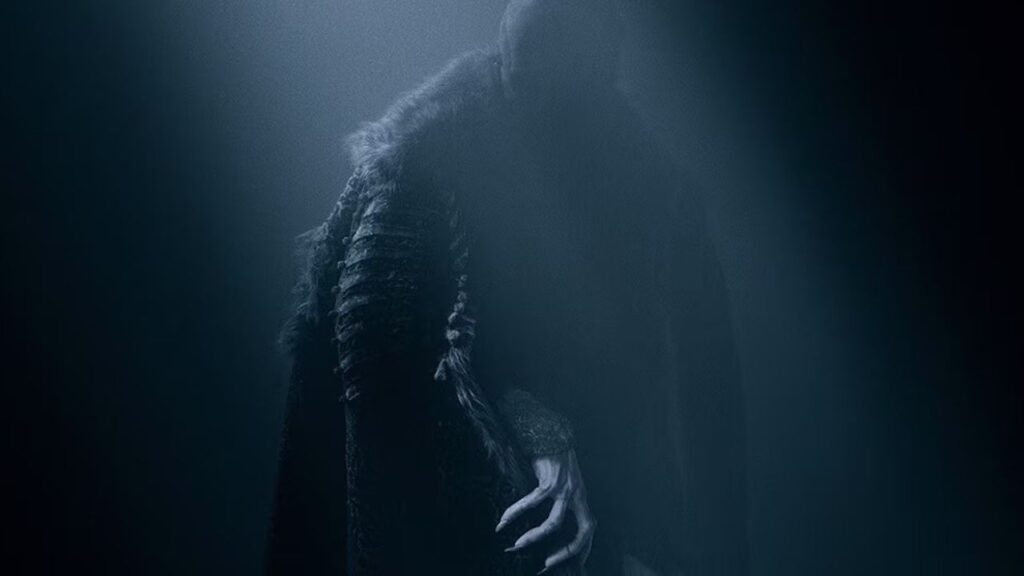
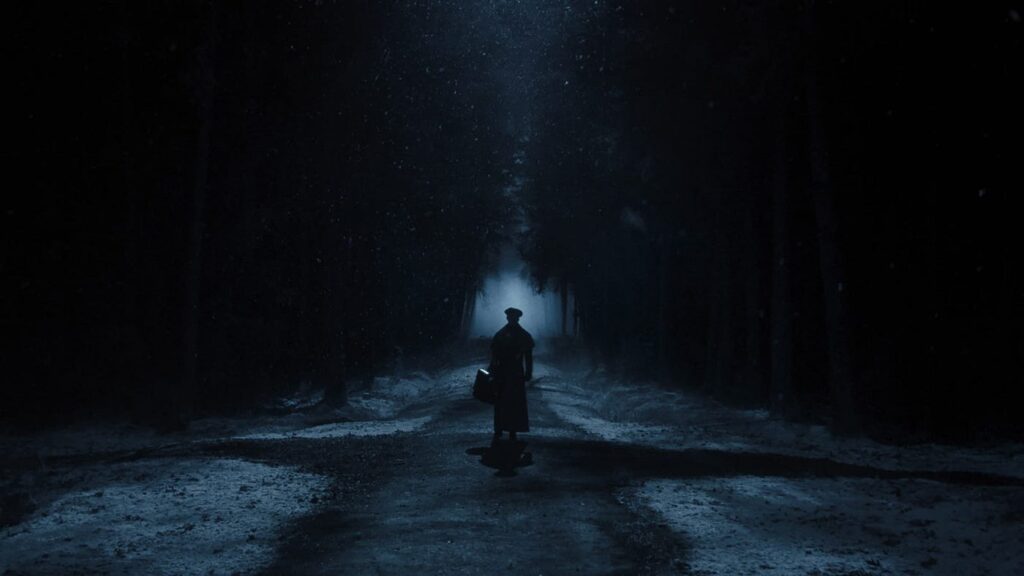
And again, as they say, every frame of Eggers' film is a work of art. The cinematography by Jarin Blaschke masterfully conveys the atmosphere of gothic horror. The castle looks like a living being. Special attention is paid to details: from the texture of the walls to the flickering of lamps in the night.
It's evident that inspiration was drawn from expressionism, skillfully using light and shadows. Key scenes, such as the appearance of Orlok's shadow over the city, pay homage to the original, preserving its spirit.
Music and Sound Design
The film's sound palette is another hero of the narrative. The music underscores the tension and amplifies the sense of impending horror. And that's how it should be. Sounds like rustling, footsteps, and muffled voices create a feeling of constant presence of something. Special attention is drawn to moments of absolute silence (not everyone achieves this effect).
The soundtrack seamlessly blends with the visual aesthetic, enhancing the sense of hopelessness and anxiety. In the original voiceover, I'd like to hear the scenes with the Count, as it's rumored that his low, rhythmic voice and musical themes are maddening.
The Director's Hand
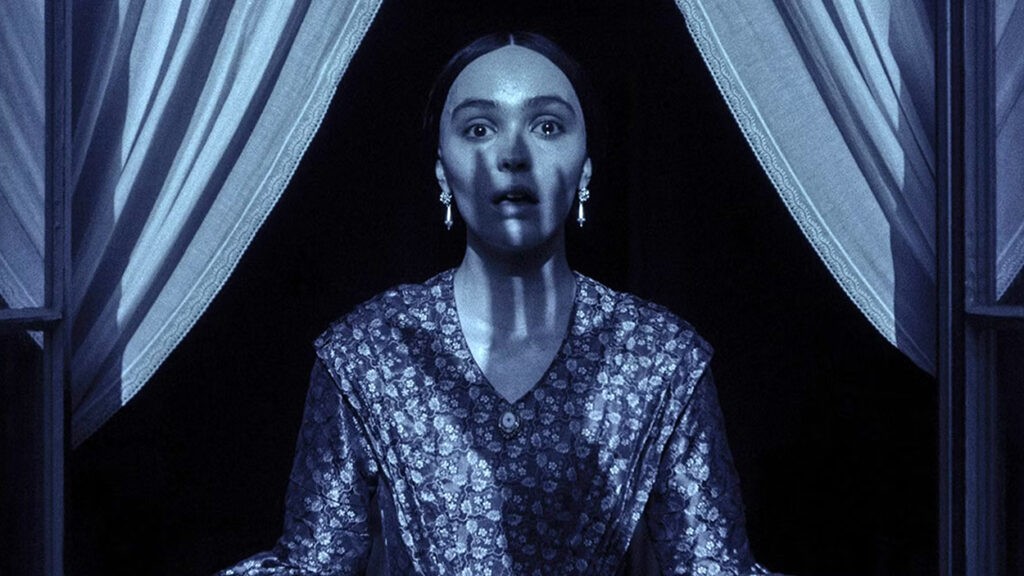
Robert Eggers is known for his attention to detail—that's for sure. And 'Nosferatu' is a vivid example of his mastery. Every element of the film, from costumes to sets, breathes the 19th century. Eggers combines visual authenticity with elements of mysticism, creating a unique cinematic language. But his approach to historical accuracy doesn't feel dry or overly academic.
Actor Performances
Lily-Rose Depp surprises with her physical and emotional commitment. And she simply shines in the role of Ellen. Her character is not just a victim, but a strong, determined woman fighting for her place in the world.
Bill Skarsgård brings new shades to the character of Orlok, making him both terrifying and tragic. Here, one doesn't even want to compare him with the 1922 version.
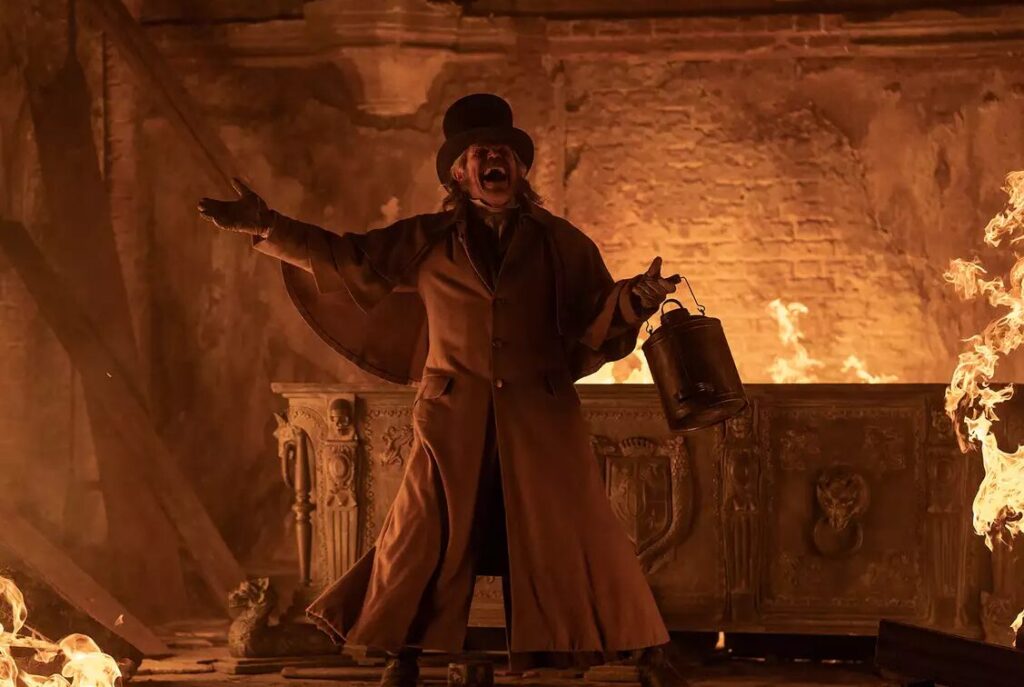
Willem Dafoe, as always, adds a dose of irony and eccentricity to the film.
In fact: the choice of cast greatly influenced the overall impression of the film.
What About Themes?
The film explores themes of repression, desire, and fear of the unknown.
Ellen's struggle with external and internal demons symbolizes female strength and independence. Orlok becomes the embodiment of repressed desires and fears that every person faces. Eggers also tackles issues of collective guilt, repression, and social roles, drawing parallels with modern realities. For this, he was criticized by some reviewers.
And the Cons
The film's strengths are its visual component, acting, and ability to convey the spirit of the original. However, the pacing sometimes feels slow, and some scenes are overly drawn out. The dialogue, though stylized for the 19th century, is occasionally overloaded, which reduces the drama.
Conclusion
Robert Eggers' 'Nosferatu' is an ambitious project that combines deep symbolism and visual sophistication with a dark, frightening narrative. It's a visual poem, as one would expect from the author.
The film impresses with its atmosphere, acting, and philosophical depth. But, like many of Eggers' films, it will appeal to a small audience. Fortunately, we are among the connoisseurs. Many are put off by the slow pace and complex dialogue, but 'Nosferatu' leaves an indelible impression. That's why classics always remain relevant.
Comments
0No comments yet.
Sign in to join the discussion.