
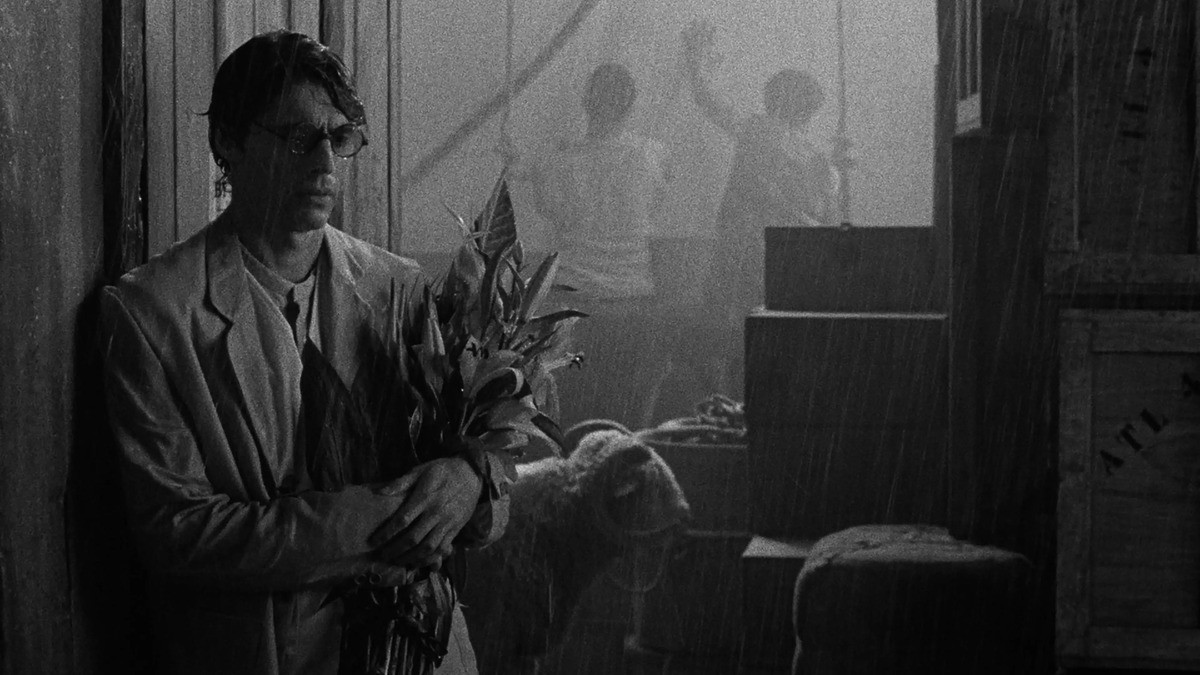
Miguel Gomes' historical drama "Grand Tour" will be released in Russian theaters on February 13, 2025, but we managed to get acquainted with the Cannes Film Festival prize winner a little earlier. In this article, we will talk about the great journey...
Human life is a set of chaotic situations. They can be boring, sad, simple, or complex. And if everything that happens around us is not always logical and conscious, then why should a film about life be understandable? Miguel Gomes' "Grand Tour" is direct proof of that. But despite all the complexity of the film, it won the Cannes Film Festival award for Best Director.
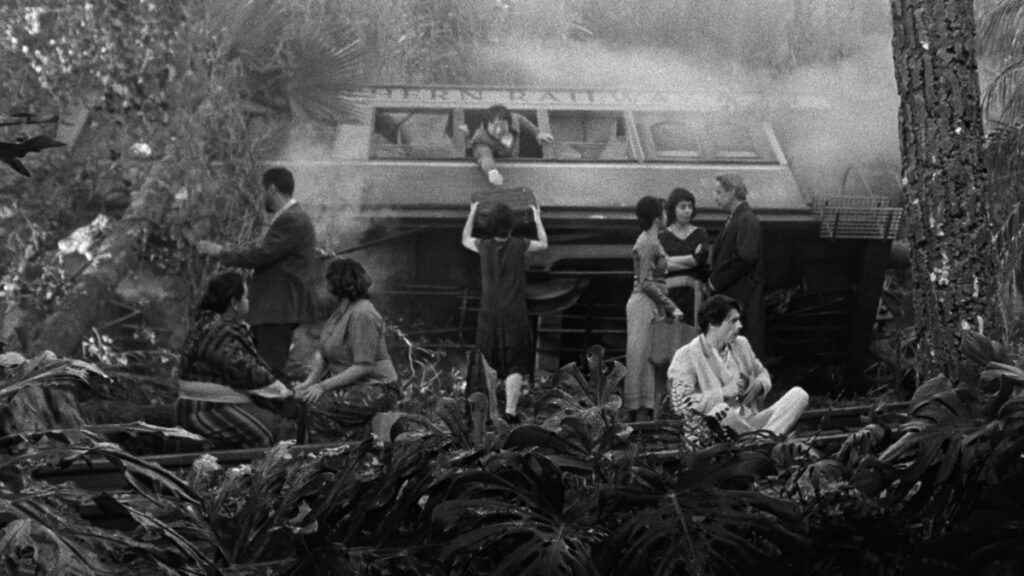
The story unfolds in 1918 in British Burma. Civil servant Edward (Gonçalo Waddington) has been engaged to Molly (Cristina Alfaiate) for years, but the wedding never happens. Each time the hero runs away, and now he has had to traverse almost all of Asia just to avoid standing at the altar. But his bride is not a timid girl from 19th-century novels—she is ready to find and follow Edward on this grand tour step by step. For Molly, the journey is like a game of tag built on faith in love.
"Grand Tour" is a mix of footage shot by Gomes during his personal journey through Asia and studio filming in Lisbon. Therefore, black-and-white frames from the 20th century are easily interspersed with color episodes featuring modern attributes, be it ripped jeans or brand new motorcycles.
Video materials from the personal journey became the basis for creating the plot. The film's script was written after the director returned home. Together with the team, he assembled the picture like a patchwork quilt, filling the gaps in the personal footage with a fictional love story. The thread binding it all was Somerset Maugham's book "The Gentleman in the Parlour."
This book is about a journey through Southeast Asia. In this book, there are two pages where he says: 'I met this guy, a Brit, in Burma. And he told me this story before he got married.' And that story is similar to what you see in the film. This guy, apparently, had been engaged for many years, but for some reason it never happened. And after seven years of engagement, she came, and he was waiting for her at the pier in Rangoon, and he got scared. And he ran away. He made it to Singapore, and there a telegram from her was already waiting for him, saying: 'Okay, dear, I understand everything and I'm already on my way.'
The film is divided into two parts. First, we see Edward's story and his attempts to escape from his bride, and then Molly's journey. Gomes shows events from different sides, making what happens no longer so comical. If from the groom's side things are funny, when the bride appears on screen, thoughts of self-deception and obsessive love cause confusion. The fact is that "Grand Tour" is not about love, but about faith.
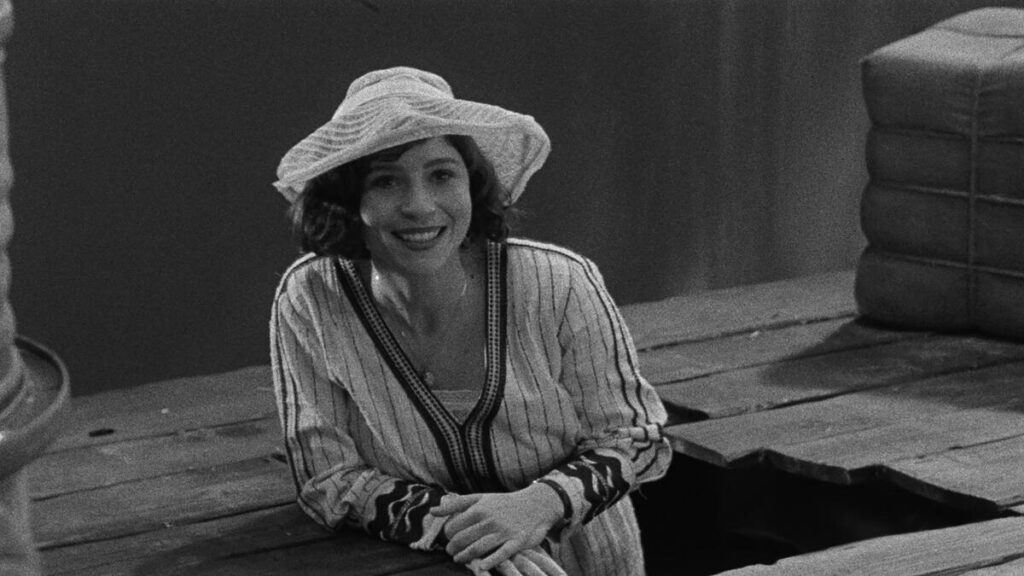
Molly believes that Edward loves her, that she will find her fiancé and get married. Edward, on the contrary, does not believe in the success of the union; Molly's feelings are alien to him, and he tries to run away from her. But even here, Gomes draws a parallel with the viewer. When we watch "Grand Tour," we understand that it is cinema. The director deliberately shows this. It is about the 20th century, but there are inserts of modernity, and at the end, the film crew is shown, making it clear that everything is not serious, that it is a joke.
The viewer has to believe in the story that is presented as fiction. The rules are announced, and we must play by them. Gomes uses this technique not for the first time. In "Tsugua Diaries", at the end of the film, the entire film crew enters the frame and discusses how they will shoot the film.
All movements are connected by voiceovers. The idea arose during the editing stage, when it turned out that "Grand Tour" was missing something. Depending on the country where the characters are, the language of the voiceover changes. This shows cultures and their differences. By the way, the character Nyok speaks French, which refers to Gomes' French wife.
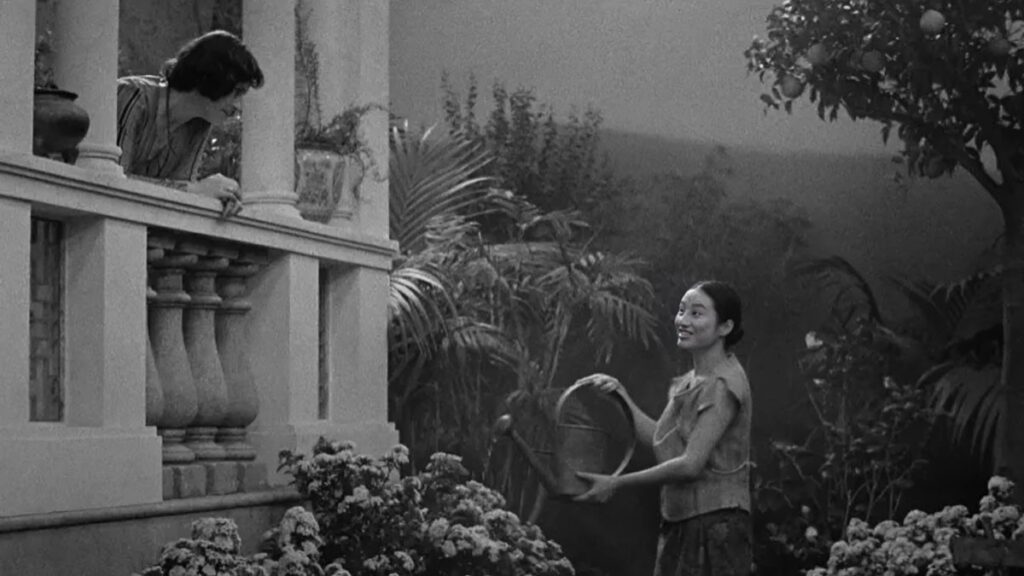
The title of the film is a journey in every sense. In the literal sense, when it comes to the characters' movements; in the figurative sense, when we talk about the metaphor of a person's soul journey and their moral growth or decline. Moreover, the film is presented as a documentary; isn't a documentary a journey? The true image of the place and everyday life with the transition from location to location.
The heroes' tour does not lead to a happy ending: the meeting we so eagerly await is not meant to happen. And what could have been is left to the viewer's imagination. Molly and Edward have the same ending. The heroes, apart from each other, lie down on the ground and close their eyes. But isn't that a beautiful conclusion to a story about the impossibility of meeting?
Here, let us recall the film crew in the last scene again. The story ends, music plays, and the dead Molly opens her eyes. Gomes' desire to show that everything happening on screen is just a film is, to some extent, an attempt to revive the heroine and give the viewer faith in a good ending.
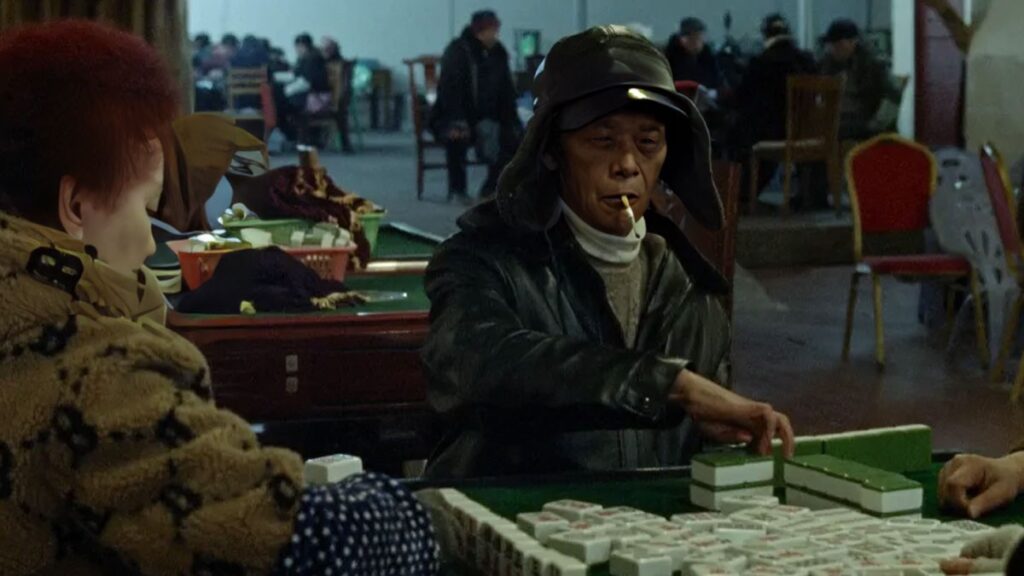
"Grand Tour," despite all its chaos, is an amazing visual collage. And the film's incomprehensibility is a direct reflection of real life and the confusion of the main characters. They change locations and try to understand their feelings and thoughts. An amazing and atypical creation for the mass audience, which so accurately describes the entire complexity of the structure of feelings and the world.
"Grand Tour" transitions from the past to the present, as if a person jumps through memories. It exists in one temporal space but mentally moves to another and feels nostalgic. The film is like a mixture of dream and reality, where it is unclear what is fiction, what is a lie, and what is truth.
Comments
0No comments yet.