
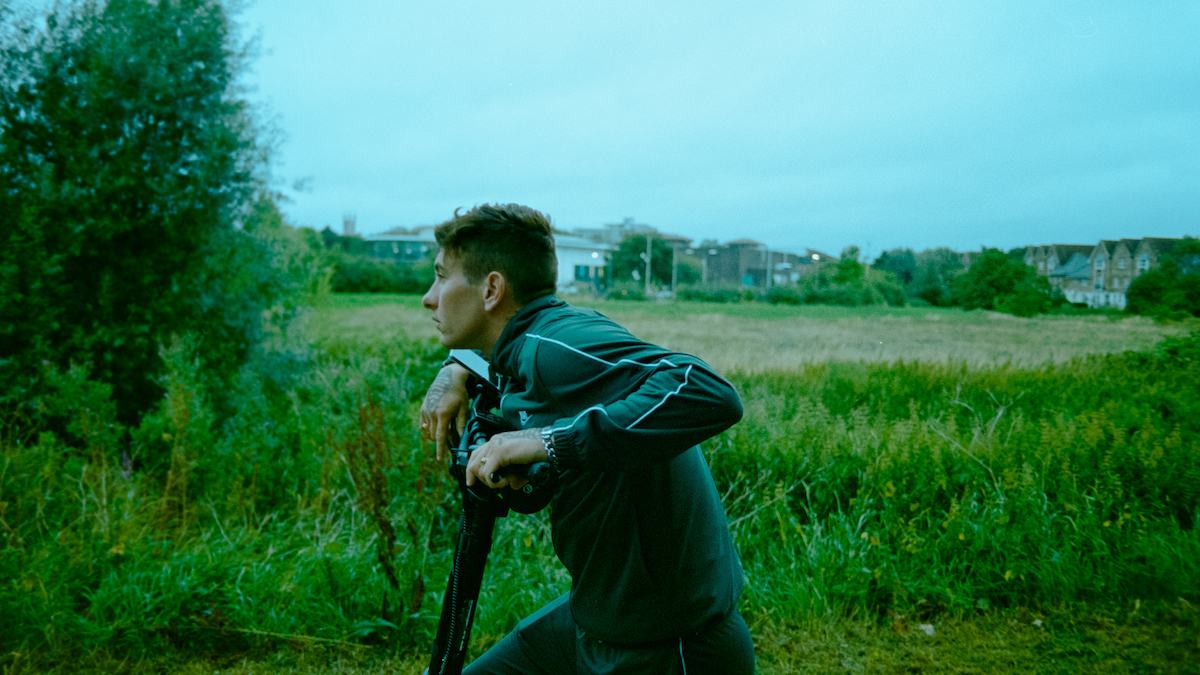
A new film by Andrea Arnold, 'Bird', has been released — an intriguing coming-of-age melodrama about finding oneself in the English countryside. Why you shouldn't miss the film in which Barry Keoghan sings to a toad — in our review.
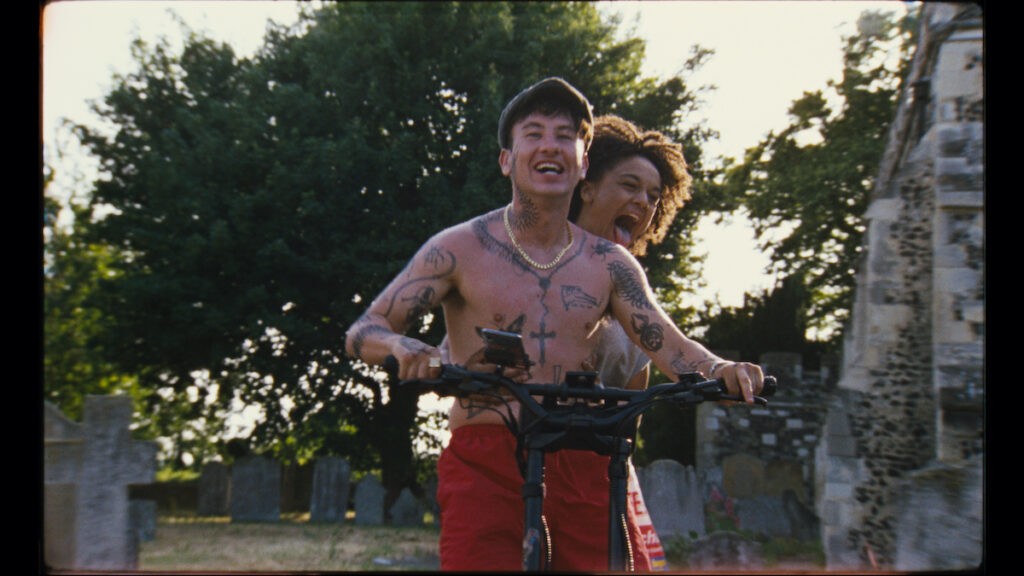
Bailey (Nykiya Adams) is only twelve years old, but she already knows life, in general. Her father is a rather irresponsible, unemployed, shockingly young man (the character played by Barry Keoghan is 28). He mainly spends his leisure time listening to Britpop and hoping to turn a toad into a "cash cow" — getting rich by selling its slime for medical purposes. He also plans to marry a girl he has known for six months and willingly takes on the upbringing of her daughter.
Bailey's brother, Hunter (Jason Buda), is fourteen and wants to dispense justice. He and his friends have organized a vigilante group and now beat up bad people in their homes. Bad people, characteristically, do not end because of this. The young Batman also decided to repeat his father's feat: he tries to save his child with his girlfriend (his age) — by negotiating, fighting, running away from problems.
Bailey's mother and her three sisters live on the other side of the city, as if in a different world. While Keoghan and company's poverty is still quite cheerful — although they have no prospects, they have each other — the girl's mother's life is certainly moving steadily toward hell. She lives with an aggressive idler who beats her and her dog, and is generally on the verge of simply beating the children.
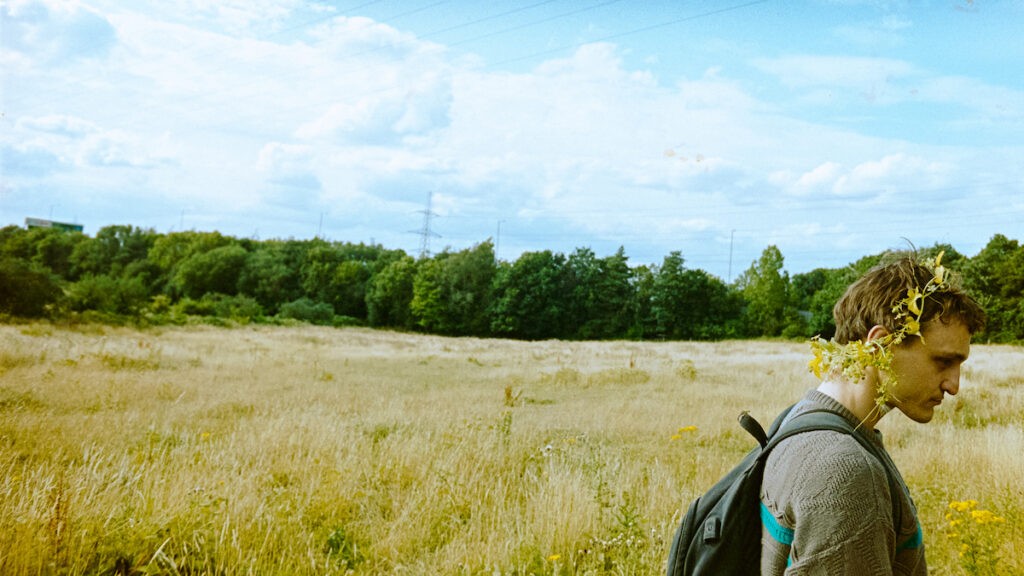
Torn between her father's selfish enthusiasm and her mother's doomed detachment (whose dialogues consist of lines like "you've become so ugly, daughter"), Bailey is not just lonely, but somehow abandoned. For her brother's friends and their vigilante group, she is too young; for her peers, she has obviously seen too much in life. Her summer vacation, during which the film takes place, is not a time of rest but a time of emptiness.
Everything could change when she meets a drifter named Bird (Franz Rogowski, as always outstanding) — a strange young man with sad eyes and a quiet voice. He speaks little, moves unusually, and spends nights standing on rooftops. For Bailey, his sad strangeness is a reflection of her own loneliness, his otherworldliness an expression of the desire to escape. Whether he exists or not, whether he is who he seems — these are questions important only from the outside, but certainly not for the girl.
'Bird' as a film is similar to its eponymous character. This is meditative, contemplative cinema, finding unusual beauty in familiar objects. Barry Keoghan and his friends sing Coldplay. A horse stands in a field of grain. A lonely person stands on a roof, but not to jump, as one might expect in such a film, but as if preparing to fly. The film by Andrea Arnold, known for her festival hits about prematurely grown-up girls, is interesting precisely for this violation of the conventions of social cinema, the deception of expectations. Where we have long been accustomed to seeing a fall, the author decides to show a takeoff.
All the tropes of British kitchen sink realism are presented in the film deliberately slowly: the heroine not only lives but peers into the surrounding world, constantly recording it, in good Gen Z habit, on her phone camera. Of course, the film can be described with a reference to 'Kes', but — and this is a rare achievement for 2024 — 'Bird' is not exhausted by this comparison. By slowing down the narrative, Arnold was able to show even the rage of the young vigilantes through the sadness in their eyes, through the attempt to cut their hair like real vigilantes. The subsequent beating scene serves a different purpose — to show how scary it is to go all the way in some things.
Moreover, Arnold's main achievement is, of course, also the ending, the film's finale. The final scenes involuntarily make you believe that Bailey and her family will be fine, but that's not the main thing. The director allows her characters to simply live, to look uncertainly into the foggy future, to listen to Keoghan's rendition of 'Universal'. The characters of 'Bird' are forced to survive under given conditions, but nevertheless are not reduced to them. They are not reduced to their class, race, gender. They are not reduced, in general, to their problems.
We don't know what will happen to them, but we understand that at least in their case, the social story won't be able to assert its rights so easily. These people live below the poverty line, but they live genuinely. And the ability to show this without excessive sentimentality or undue pathos is, perhaps, what makes Andrea Arnold's cinema worth appreciating. As well as, of course, for giving us the best business scheme in the world: if you don't dream of making money from a toad's choral singing, it's unclear what you dream of at all.
Comments
0No comments yet.
Sign in to join the discussion.