
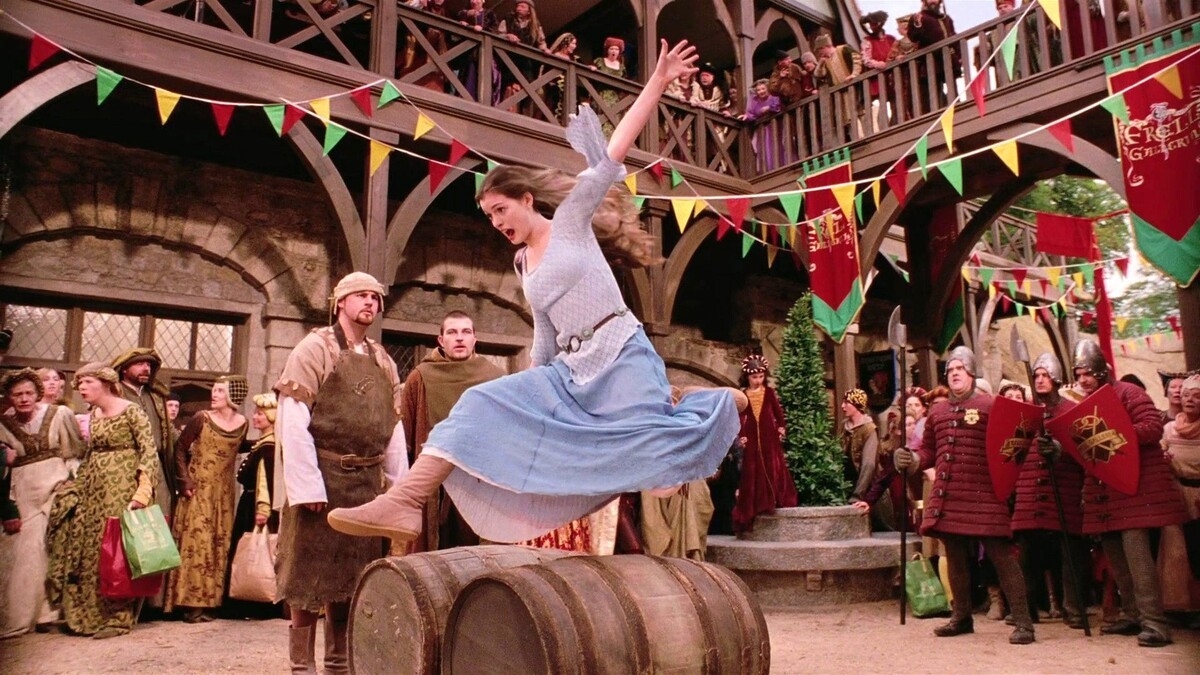
This year, 'Ella Enchanted' celebrated 20 years since its release. We talk about the metaphors and look for logical inconsistencies in Tommy O'Haver's film.
In 2004, Tommy O'Haver's film 'Ella Enchanted' hit the big screen, becoming yet another loose retelling of the Cinderella story. An evil stepmother, nasty stepsisters, and a handsome prince. What else does a complete fairy tale need? It needs racism, feminism, and slavery. Everything that fits perfectly into the spirit of modern agendas.
The film is based on the fantasy novel of the same name by Gail Carson Levine, which readers enjoyed at the time, but the same cannot be said for the adaptation. Despite Anne Hathaway's charm, 'Ella Enchanted' bombed at the box office in 2004.
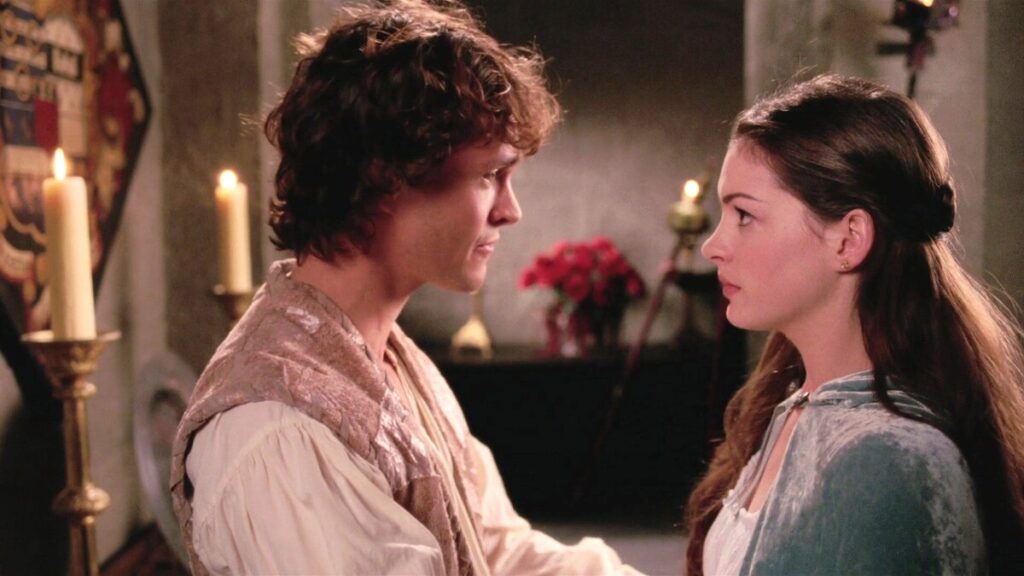
In early childhood, a fairy bestowed upon little Ella the 'gift of obedience' — the heroine does whatever she is told. After her mother's death, her father remarried, and an evil stepmother and two nasty stepsisters moved in. They quickly learn Ella's secret and begin to exploit it for their own gain, forcing the girl to be a personal slave who can steal jewelry from the market, fetch flowers, and break a long-standing friendship.
Unsurprisingly, Ella grows tired of this treatment. She sets off to find the fairy Lucinda to break the curse and live in peace. Along the way, she meets an elf named Slannen who dreams of becoming a lawyer, and she kidnaps Prince Charmont. Together, they travel through the kingdom and witness discrimination against magical beings.
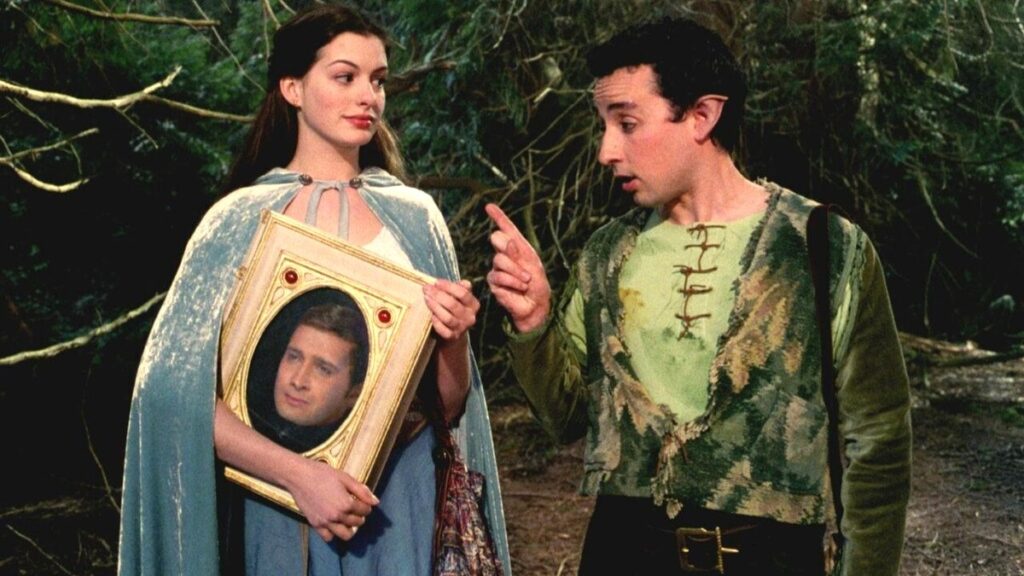
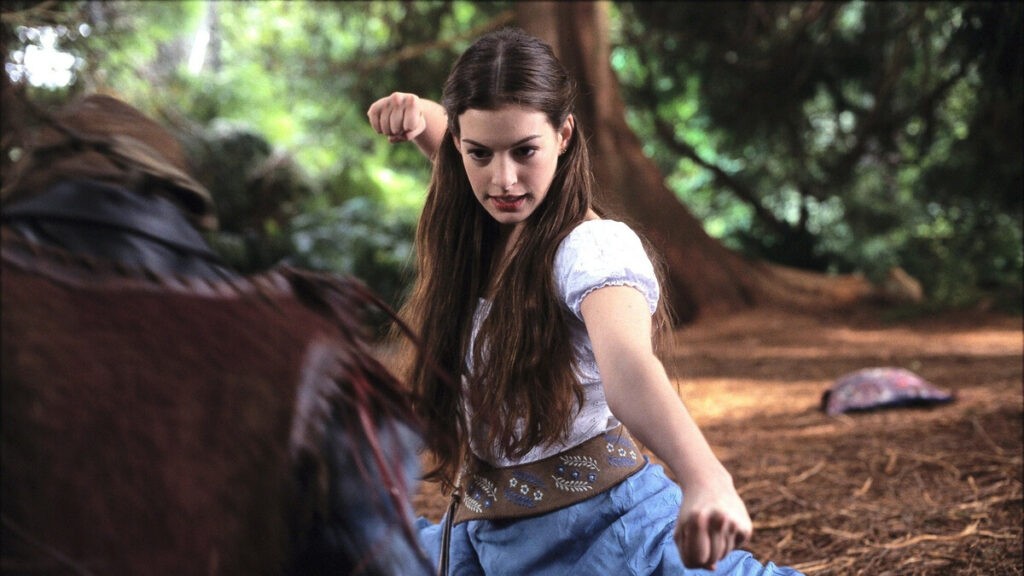
Ella is not like Cinderella in the traditional sense. She is not timid, not modest, does not sit quietly and wait to be rescued from the clutches of her evil stepmother. The heroine has an active civic stance, attends rallies, knows how to stand up for herself and give sharp retorts, but becomes 'Cinderella' due to her 'gift of obedience'.
She has no trouble going personally to deal with problems, so the heroine quietly sets off to find the fairy Lucinda to free herself from the spell. Ella's 'gift of obedience' is a metaphor for people who are afraid to say 'no'. It perfectly balances on the edge of 'rebellion' and 'submission', inherent in teenagers. They want freedom, but have to conform to what is expected and asked: submit to the system and suppress their rebellious spirit.
Almost like Jim Carrey's character, Ella would soon adopt the philosophy of always saying 'yes'.
The image of the fairy Lucinda is a metaphor for people who forcibly do good. She sincerely believes that the 'gift of obedience' is truly a gift, because who wouldn't dream of an ideal child who sleeps on command? But who thinks about the problems they will face in adulthood?
In 'Ella Enchanted', modern agendas are easily read: slave labor, racism, and discrimination. For example, elves have only one path in life — to be musicians and delight others. Becoming a lawyer is not possible. And giants are destined solely to work on plantations.
Incidentally, this is where one of the film's problems emerges: it's unclear for which audience it was created. On one hand, 'Ella Enchanted' is a funny and kind fairy tale with plenty of gags and dances to Queen, but on the other, it deals with adult themes and raunchy jokes. A child won't understand the agenda or humor, and an adult viewer, while noticing them, will find the plot too straightforward and boring.
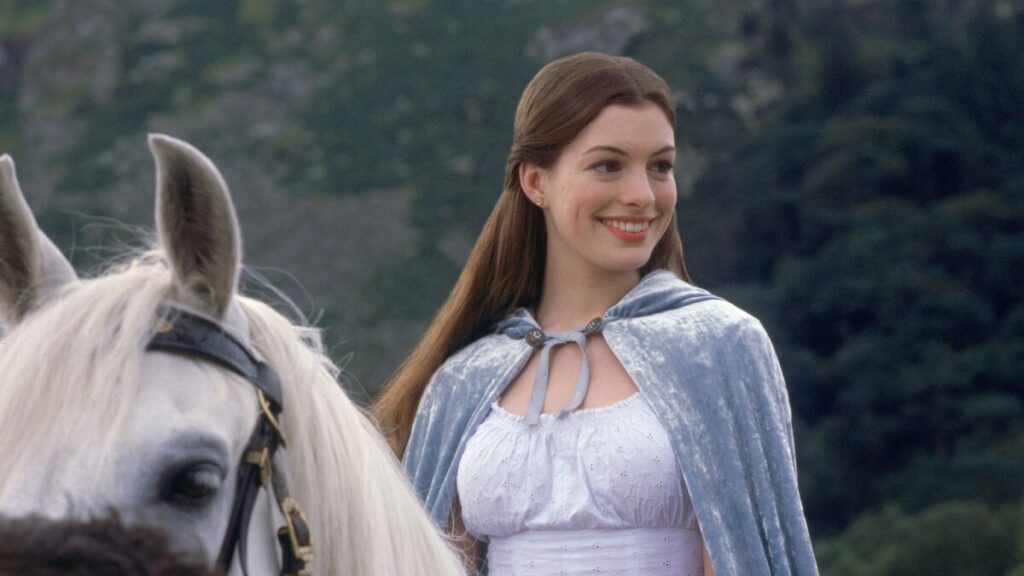
Good and evil characters are clear from the first minute of the film, and the outcome is obvious. Therefore, it's hard to say for which audience the film was made. 'Ella Enchanted' is not 'Shrek', which skillfully balances on the edge and suits any age. Rather, it's not the most successful attempt to combine all pressing issues.
Because of how awkward the 'combination' looks, the film resembles a parody fairy tale in the vein of 'Epic Movie' (2007), but doesn't even reach that level. There is too little humor and grotesque, and it can't be taken as a serious work — there isn't enough good plot, characters, or idea.
Logic in 'Ella Enchanted' is also problematic. For example, why didn't anyone even try to stop Lucinda? In a world with hints of totalitarianism, where magical beings are meticulously monitored and given boundaries, no one monitors the fairies' arbitrariness. That is, every fairy can fly around the country, enter anyone's home, cast spells, and not be punished? Perhaps fairies are a privileged class and ideal magical beings. And that smells of the 1930s.
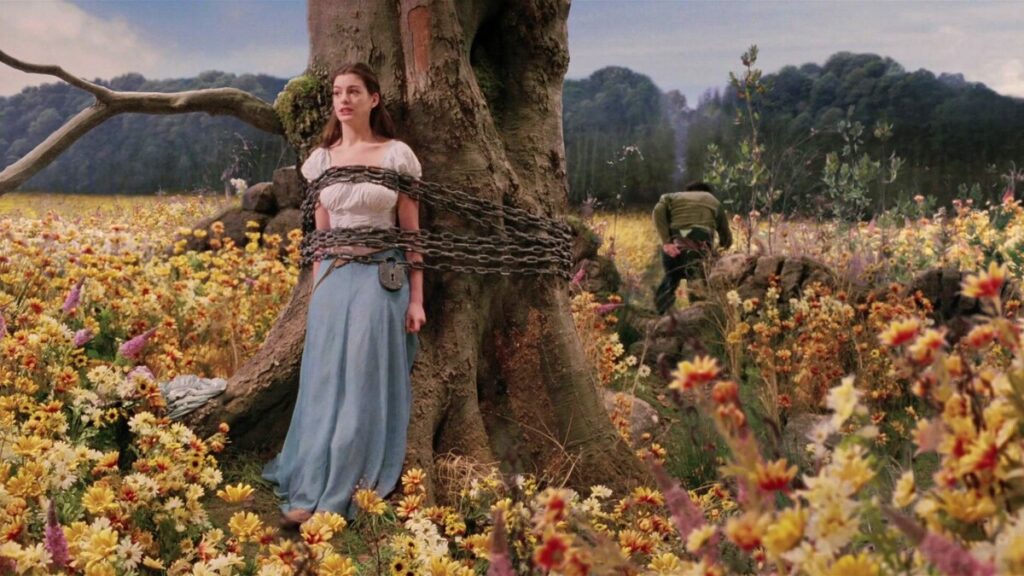
The question of why no one wants to stop Lucinda's terror will apparently remain philosophical, as will the question of why almost no one noticed Ella's obedience. In ordinary life, if someone unquestioningly fulfills requests, it raises eyebrows, but the film's characters sincerely believe that no one notices. No one, except, of course, the antagonists!
Prince Charmont is apparently as blind as the characters. An uncle is causing chaos in the state, proclaiming slave labor and discrimination, and the hero is genuinely surprised at how this can be. These problems can be attributed to the question of why the plot is so flawed and for whom the film was made.

Fantasy is not just elves and wizards; it's amazing worlds, magic, adventure, and love. Here is a list of bright and engaging fantasy series based on boo
Open material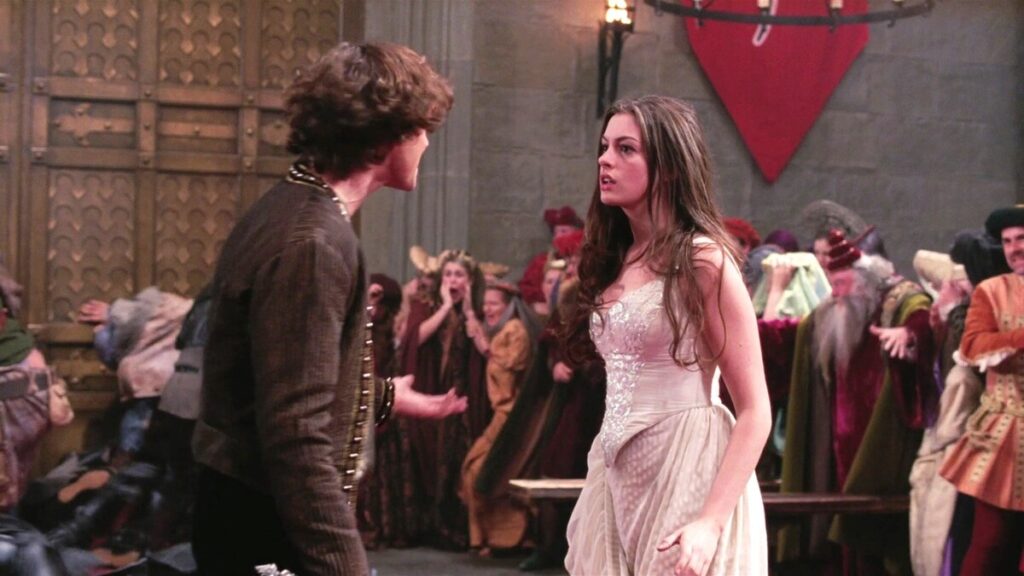
But if you overlook the inconsistencies and don't nitpick, you can enjoy 'Ella Enchanted', which is still remembered 20 years later. The film is kind, interesting, and sometimes funny. Just look at the scene where Anne Hathaway's character dances to Queen's 'Somebody to Love'.
Comments
0No comments yet.
Sign in to join the discussion.