
The mini-series "All Coincidences Are Not Accidental" has concluded on Apple TV+, helmed by the Oscar-winning duo Alfonso Cuarón and Emmanuel Lubezki. Add Cate Blanchett to these names and you get a dream project. But what it actually turned out like...
"All Coincidences Are Not Accidental" (originally the catchy and more precise Disclaimer) is the first original series in the filmography of Alfonso Cuarón (previously he only directed episodes for other shows), who has long proven everything in his career and can now make projects for his own pleasure.
Here, he invited one of the best actresses of our time, Cate Blanchett, placed his longtime collaborator and equally acclaimed figure Emmanuel Lubezki (no joke, the man won the Oscar three years in a row!) behind the camera, was joined by Bruno Delbonnel, entrusted the music to Billie Eilish's brother Finneas, and created a work that is experimental in some ways and maximally audience-friendly in others, quite deliberately bringing viewers back to his own explicit Y Tu Mamá También. Cuarón based the series on the eponymous novel by Renée Knight, which in its Russian translation ironically was titled "All Coincidences Are Accidental." Such a disclaimer.
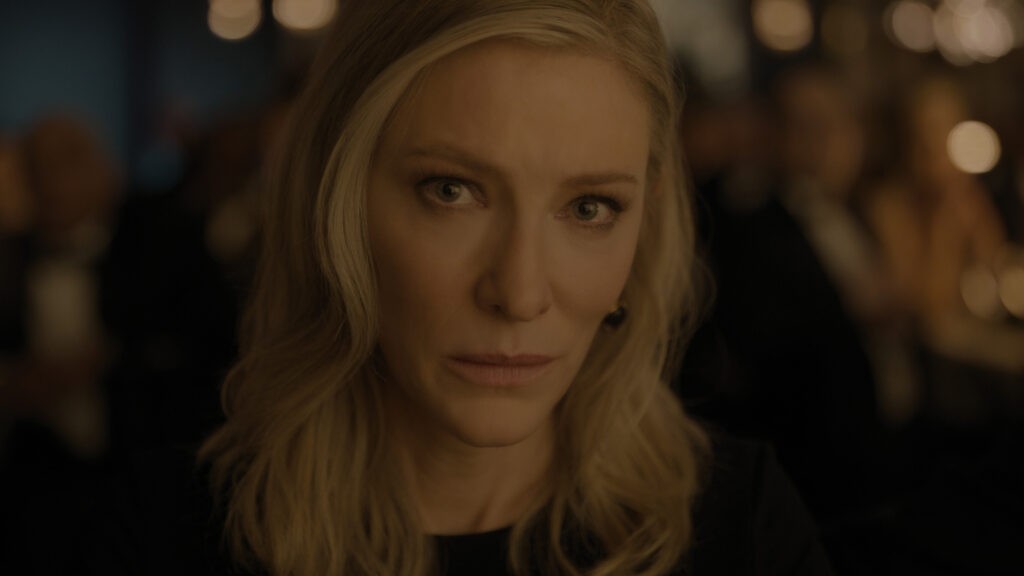
At the center of the plot is Catherine Ravenscroft (Blanchett), a successful journalist, happy wife, and mother. The woman's life seems idyllic. She receives yet another prestigious professional award. Then there's her beautiful home with panoramic windows and an insanely active cat. Her husband (unrecognizable Sacha Baron Cohen) treats her to expensive wine, and her son (Kodi Smit-McPhee) becomes an independent man, moving out of his parents' house.
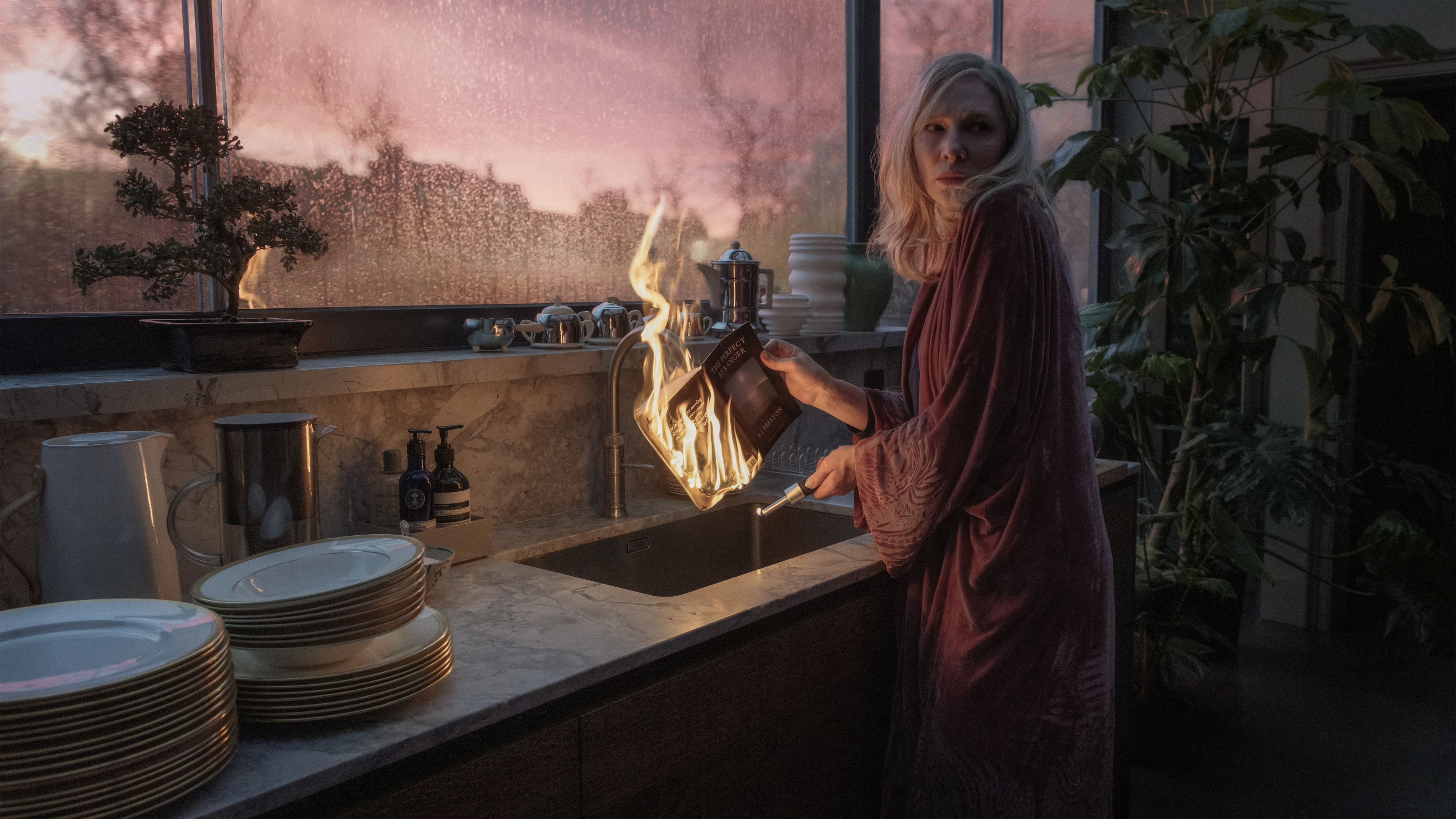
Everything changes when Catherine receives the book "The Perfect Stranger" and realizes that this story is about her. Or rather, about the woman's past, which her loved ones know nothing about, and now the whole world might find out.
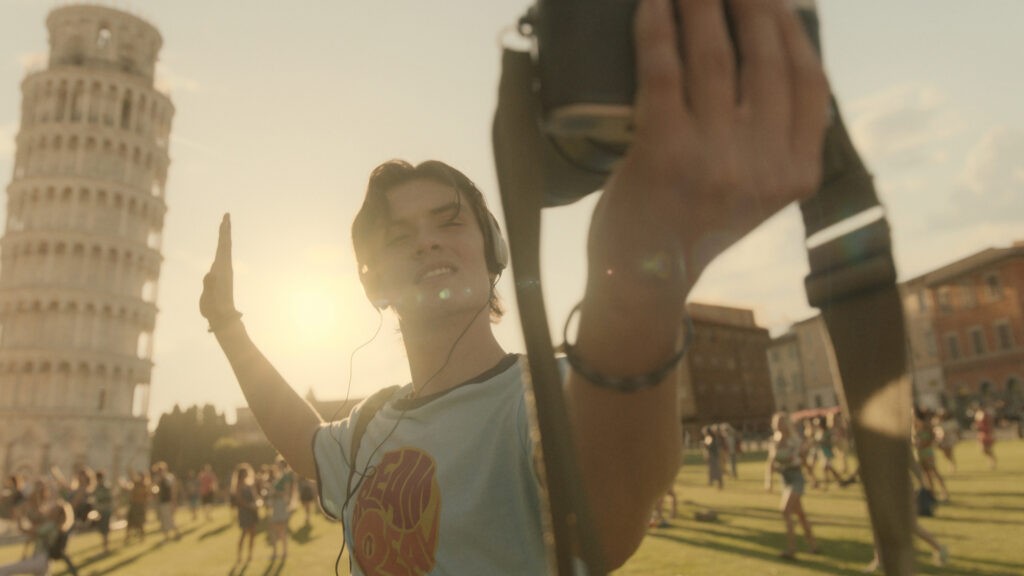
To be honest, in summary, the series "All Coincidences Are Not Accidental" sounds like an adaptation of a typical book for Balzac-aged housewives. A resort affair, a hot young lover, endless sex scenes that even make you uncomfortable (though you'd think not), a mysterious death, pangs of conscience, and so on down the list. But it's important to note right away that Alfonso Cuarón masterfully uses the serial format available to him to present the story engagingly.
The genius and irony of the director can be seen in a phrase uttered almost casually in the debut episode:
Beware of narrative and form. Their power can bring us closer to the truth, or they can become a powerful weapon of manipulation.
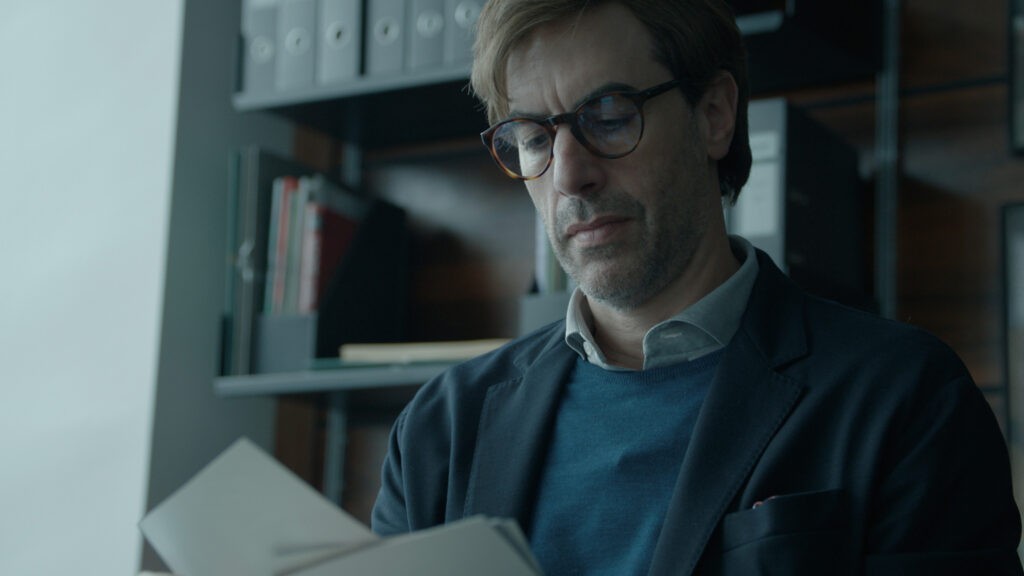
Guess what happens next? That's right, the director, through the format of an unreliable narrator and the clash of flashbacks and current reality (by the way, shot with completely different methods using different color, lighting, and cinematographic solutions—here Lubezki and Delbonnel had their fill of fun), manipulates the viewer's emotions.
In the first episodes, everything may seem obvious and superficial, with a certain degree of intrigue, but still. Then, week after week, Cuarón led us to provide, if not a twist, then another perspective on what we had already seen and subjectively judged. So that those very judgments would, in fact, be reconsidered.
Narrative, form, manipulation—the three pillars on which the series "All Coincidences Are Not Accidental" stands and works. And it works best when watching one episode per week, rather than binge-watching.
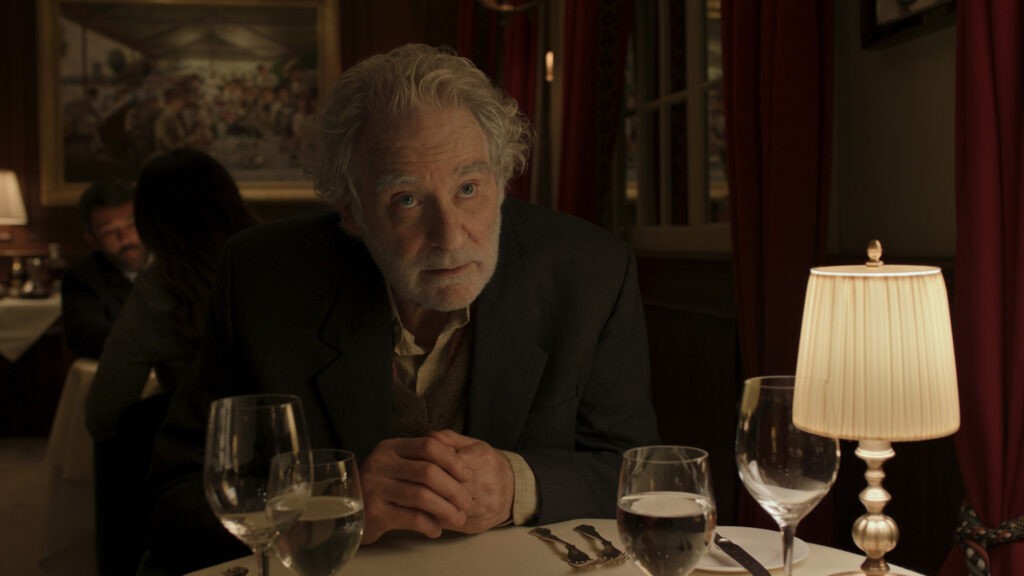
As for the themes raised, marital infidelity is not even the main one. It is much more interesting to observe the reactions of people whose eyes are opened to their loved ones, whom they thought they knew thoroughly. Furthermore, there is an obvious desire to show how falsification of the truth (or an incorrect interpretation of events) can destroy the life of not just one person, but an entire family, literally at the snap of a finger (or a camera shutter, in the context of the story).
The first series in the careers of Cuarón and Blanchett, coincidentally, is a great success. And this is not some accident, but a natural result of a well-done job, where attention to detail and professionalism of all involved, if not astounding, evoke genuine respect.
Trailer:
Comments
0No comments yet.
Sign in to join the discussion.