
Halloween is over, but we're not calming down. Let's look at the fears of zoomers using popular horrors as examples.
Horrors are often built on exploiting the fears floating around in contemporary society. In this sense, films for the generation of people born between 1997 and 2009 (there are other periodizations, but we'll focus on this one) are especially notable. So-called zoomers make up the target audience of today's horror films.
What do we know about them? First, they were born in a period of relative stability in the economic sphere and global politics. Second, unlike millennials (Generation Y), zoomers have had access to the Internet and technology since childhood. But compared to the subsequent Generation Alpha, this access was not all-encompassing, as the development of video hosting and social networks paralleled their growing up.
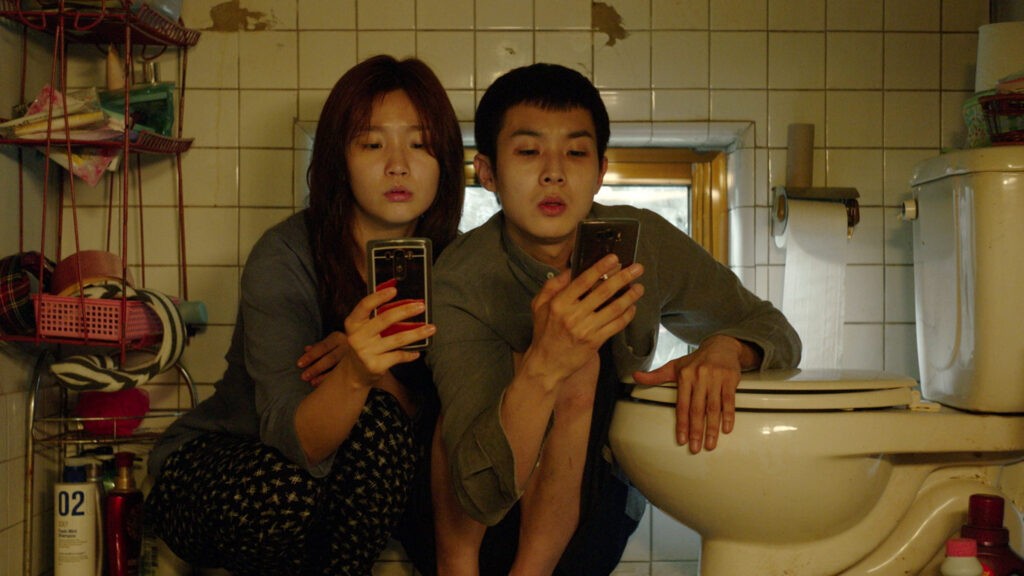
Third, zoomers are generally concerned with issues of individual and collective safety, mental health, and maintaining personal boundaries. At the same time, they are plagued by threats that could affect future generations, such as global warming.
Here is a selection of horrors intended for viewers from Generation Z.
"Talk to Me" (2023)
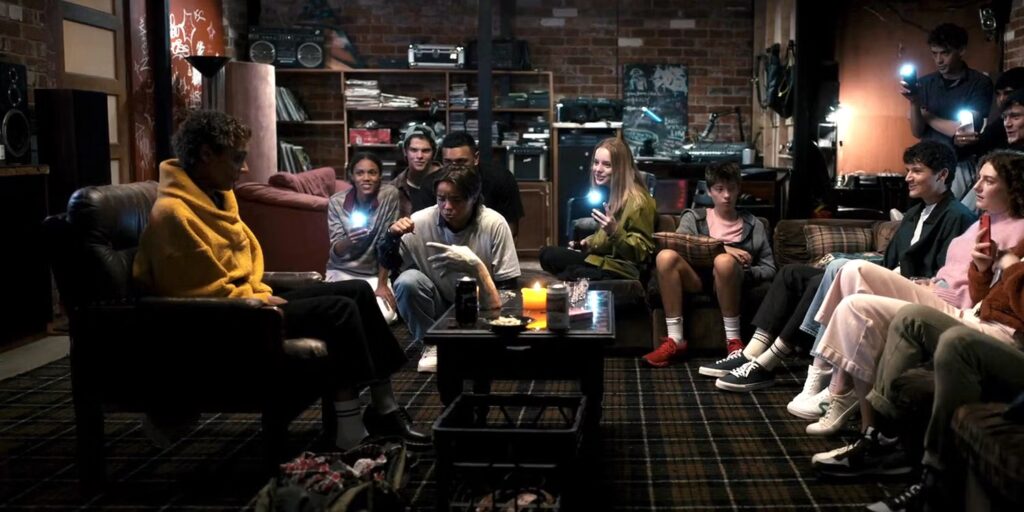
The Australian debutants, the Philippou brothers, have made a real . At least, that's what the slogan accompanying every second promotional material for the film says. In fact, this is not far from the truth. At the center of the plot are real teenage zoomers, not a fake caricature of them, as happens, for example, with our filmmakers.
"Talk to Me" has been released, a moderately engaging genre statement about not disturbing the dead. About the popular horror that many (seemingly, not
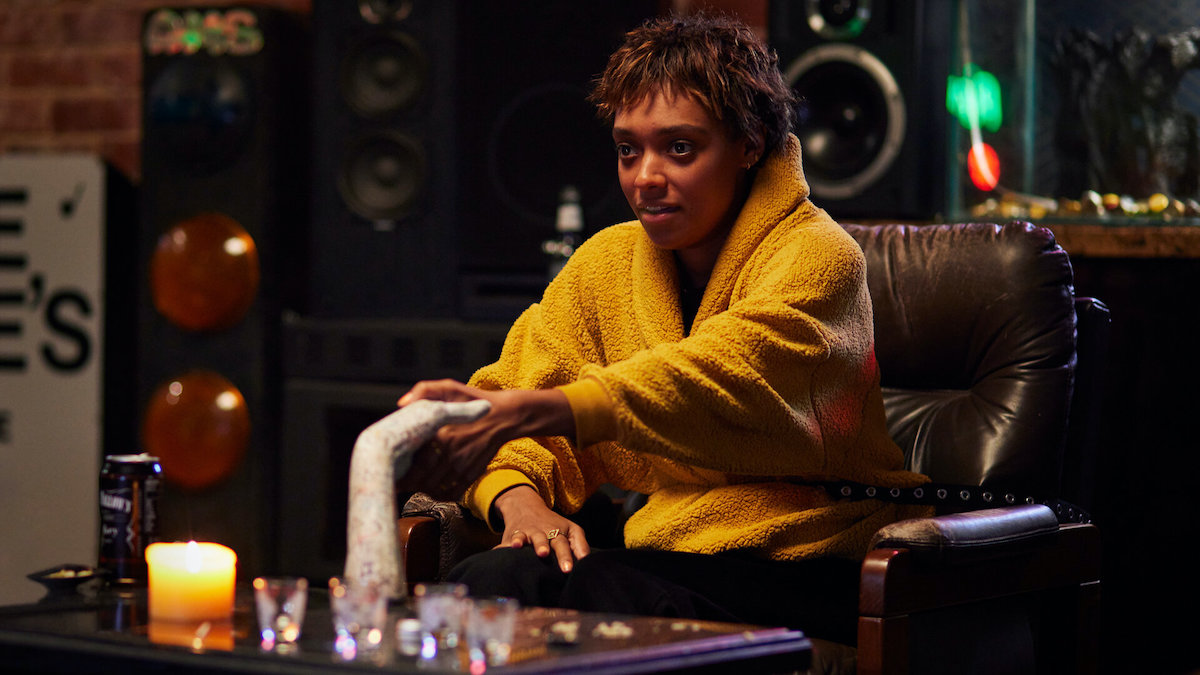
Open materialMia (Sophie Wilde) suffers from depression after her mother's suicide. On the anniversary of her death, she and her friends go to an unusual party. The highlight of the gathering is an embalmed hand that can be used to make contact with the souls of the dead.
Issues explored:
- depression caused by the loss of a loved one;
- drug addiction as a form of escapism;
- peer pressure;
- trash content on social media;
- misunderstanding between adults and teenagers.
"Smile" (2022)
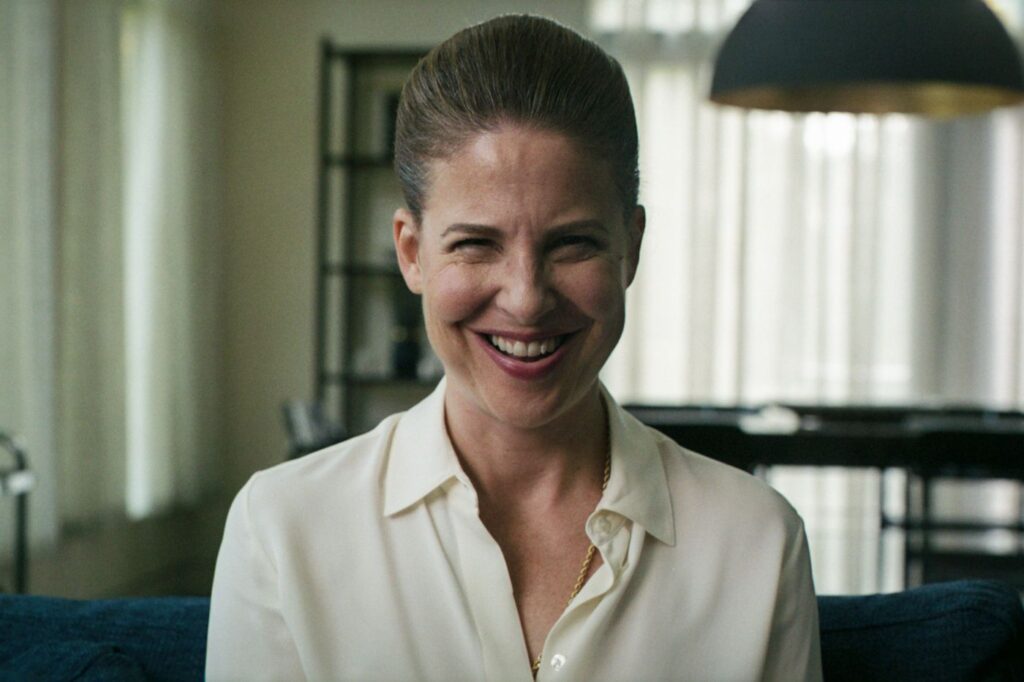
Not long ago we wrote about this horror franchise by Parker Finn , and now it's time to turn to the first one. According to the plot of the original, psychiatrist Rose Cotter ( Sosie Bacon ) catches a curse-virus from one of her patients, after which her life turns into a nightmare. The main character is haunted everywhere by people with a terrifying grimace frozen in a devilish smile.
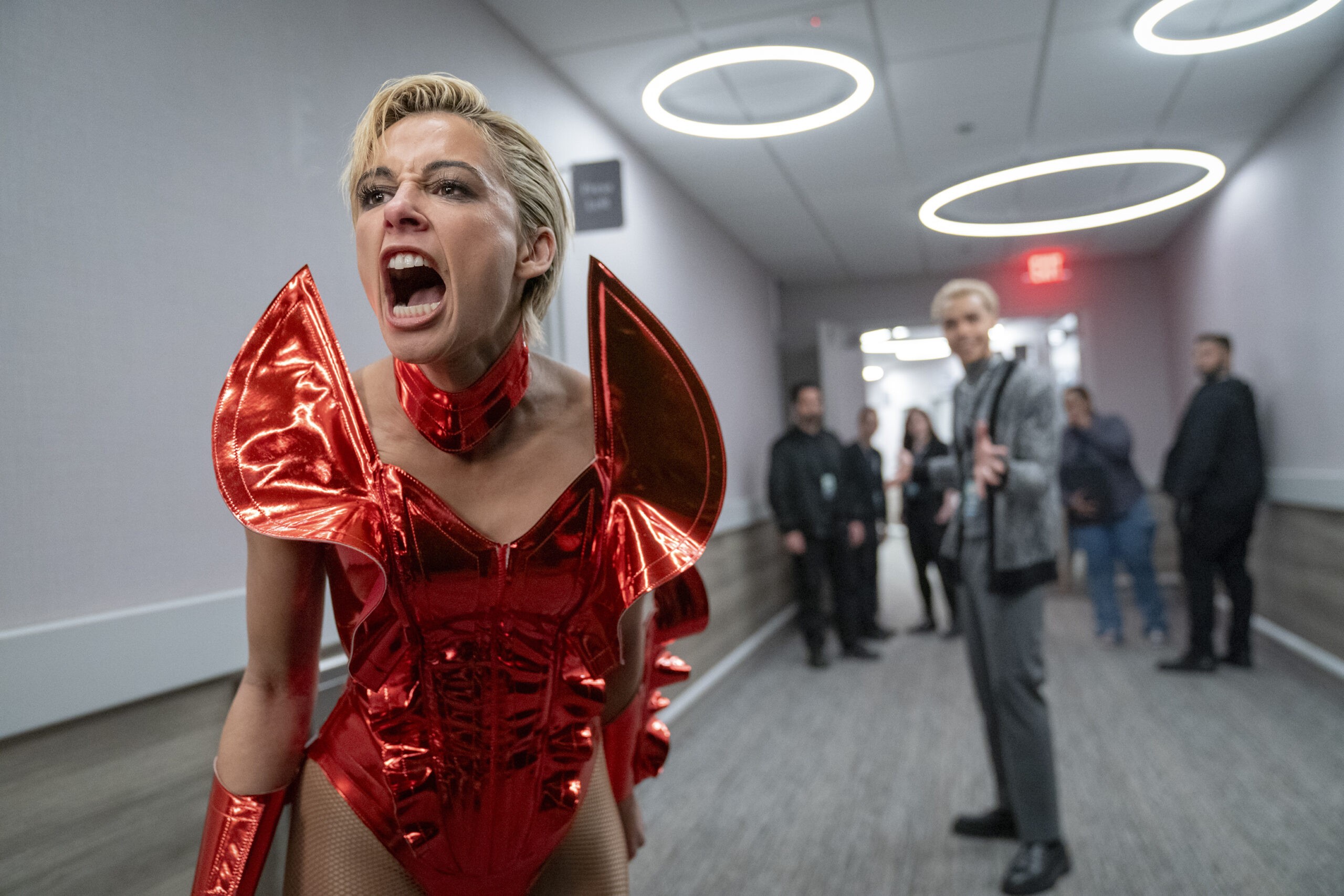
"Smile 2" is in international release, the sequel to the 2022 horror hit. About how Parker Finn made an excellent sequel and thereby broke his own franchise — in our review. I
Open materialThe parasite itself is the embodiment of the victim's deep-seated psychological traumas. Nowadays, especially in the digital environment, many hide their true emotions behind a happy mask.
Issues explored:
- mental illnesses (in the case of the main character — post-traumatic syndrome);
- lack of adequate state assistance for mentally ill people;
- hypocrisy and pretense in the era of social media.
"Influencer" (2022)

Canadian director Curtis David Harder quite accurately hits the nerve of the times with his film "Influencer". He plays on multiple phobias that those who cannot part with their smartphone for long and spend a good part of their life endlessly scrolling through social media feeds have.
The film tells the story of Madison (Emily Tennant), a popular blogger from a certain banned social network. She goes to Thailand to relax and shoot content for her subscribers, but meeting a mysterious girl (Cassandra Naud) disrupts her plans. The film makes a non-trivial twist around the middle of the runtime and takes the story in an interesting direction.
Issues explored:
- fraud in the era of social media (deepfake technology);
- blurring the boundaries between online and offline life;
- hypocrisy in the era of social media;
- indifference of internet users towards "idols";
- fear of theft of your personal data.
"Host" (2020)
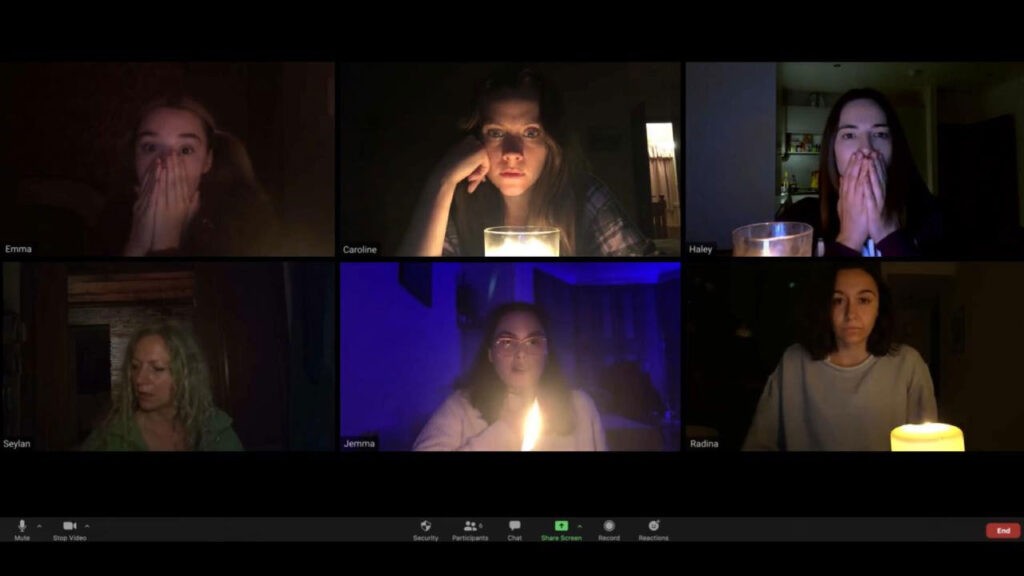
The COVID-19 pandemic not only dealt a heavy blow to the film industry but also revived the screenlife horror genre, once popularized by Timur Bekmambetov in the sensational film "Unfriended". The horror film shot in the Zoom app is fully adapted even to the video conference format: the runtime of "Host" is just over an hour.
Styled as a video call, the horror film tells the story of a group of friends who decide to hold a séance via video link, but this fun turns into terrible consequences.
Issues explored:
- privacy of online communication during forced isolation;
- "COVID" restrictions.
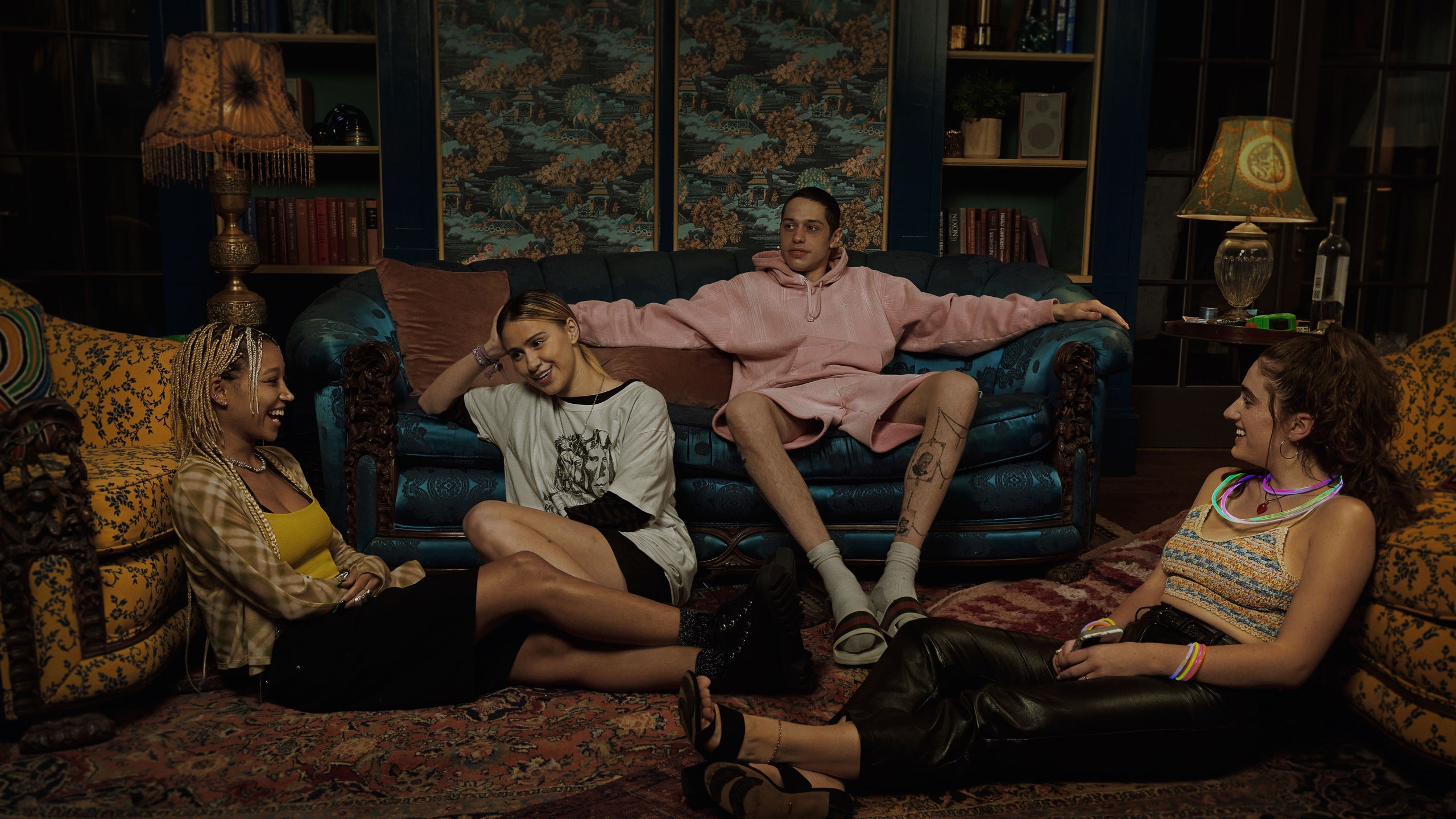
"Bodies Bodies Bodies" (2022)

We conclude this small selection with a little-known (believe it or not!) film from the indie studio A24. This comedy slasher is a concentrated satire on the zoomer generation itself and their, so to speak, distinctive traits and habits.
The film tells the story of a group of young people who end up under one roof during a hurricane. However, the gathering soon turns into a crazy (in every sense), brutal game of "whodunit": the mansion owner (Pete Davidson) is found with his throat cut, triggering a chain of terrifying events.
The teenagers here can't be called anything but stupid. This is clear from the very beginning of the film, but the final twist makes the verdict unconditional. However, in this case, it can even be forgiven because what unfolds before the viewer is a real farce mixed with social criticism aimed at the carefree young elite.
Issues explored:
- the harmful desire to gain media attention at any cost;
- addiction to smartphones and illegal substances;
- hypocrisy and pretense in social media and digital communication;
- paranoid attitudes among young people;
- constant search for someone to blame for all troubles.
Comments
0No comments yet.
Sign in to join the discussion.