

If you're looking for something to watch this Halloween, you can always check out horrors from different countries, because the language of fear is universal.
American horror films are undoubtedly the flagship of the genre. However, besides stories from the States, you can find plenty of examples in world cinema where horrors from different countries became hits far beyond their homeland or were simply cool movies worth watching for genre fans. Our editorial team has compiled a selection of ten such films that will make your skin crawl.
“Two, Three, Demon, Come!” (Australia, 2022)
The Australian segment of the horror genre is mainly represented by animal horrors, which is not surprising given the immense number of dangerous and bizarre creatures that live there. Recent examples that come to mind are “Black Widow: Bite of Death” and “Zombie Kangaroo”. Of course, to clearly demonstrate the specifics of local horrors, one should choose a film about a creature with cannibalistic tendencies, but I decided to go a different way.
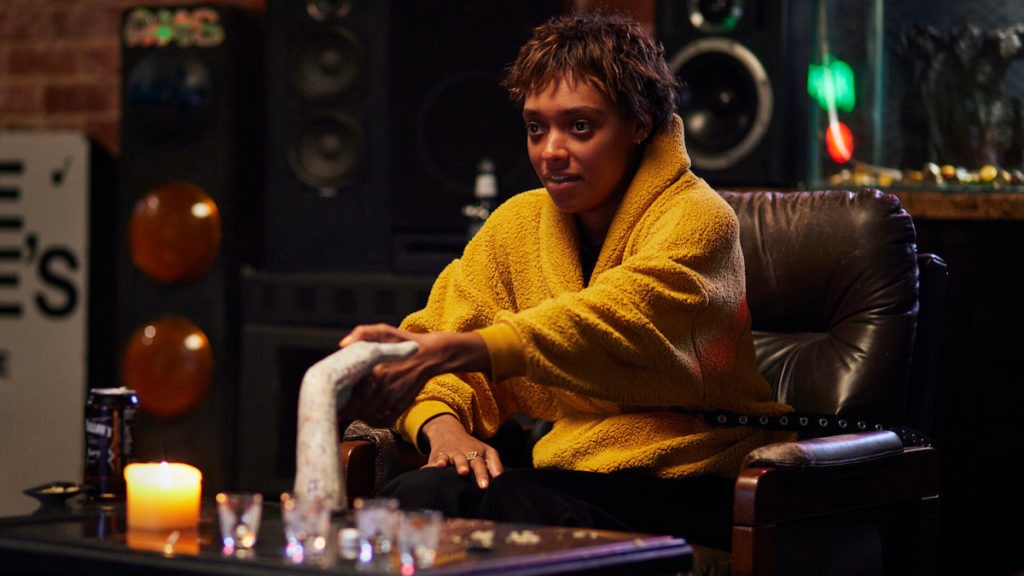
Australia, like the rest of the world, is also experiencing an invasion of post-horrors. But after the release of the film “Two, Three, Demon, Come!” (Russian naming, as usual, is delightful), people started talking seriously about a renaissance. The plot centers on a group of teenagers who find a new pastime. Using the embalmed hand of some shaman, they make contact with the souls of the dead, temporarily becoming conduits for them into the world of the living. There should be no side effects from such sessions if the stated rules are strictly followed. But the film's heroes just can't stop in time...
The film by the Philippou brothers contains references to local folklore, a lively Australian rap, a creepy ghost of a hit kangaroo, and a problem that concerns the directors, wrapped in a beautiful metaphor. Statistics on the use of illegal substances, including among teenagers, are truly depressing in the country. According to a study conducted in 2019, 11% of citizens have tried white powder at least once in their lives. It's great when filmmakers care not only about entertainment but also about the social significance of their work.
“The Devil” (Poland, 1972)
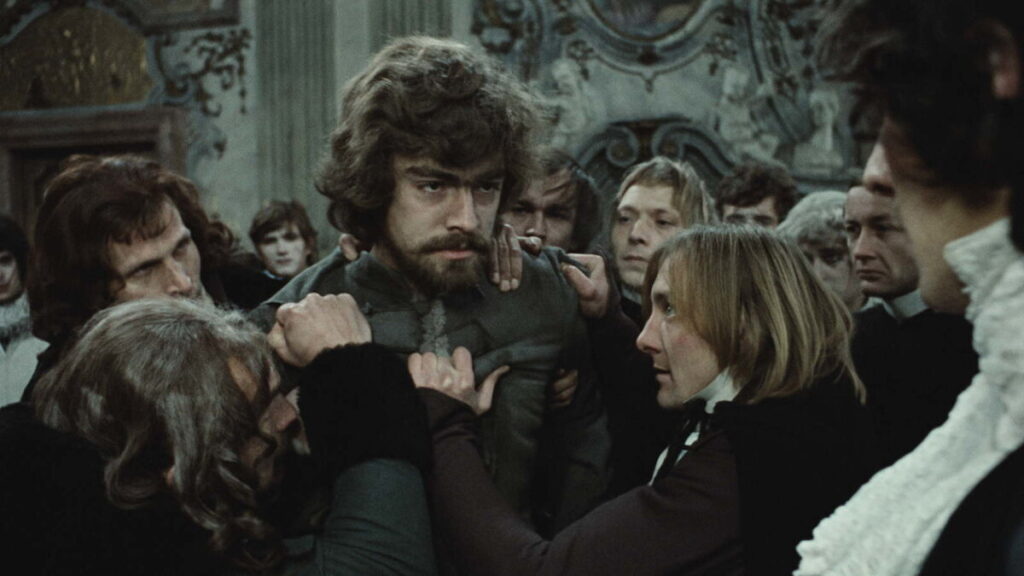
“The Devil” is an early and not the most famous film by Andrzej Żuławski, but one that should not be missed. The film initially pretends to be a historical drama about the partition of Poland, the death and disintegration of the state, seen through the eyes of a young Polish soldier and ardent patriot returning home from war. At home, as he thinks, his beloved, father, mother, and sister await him. In reality, of course, only death, disappointment, and (in this, the horror film) the devil himself await him.
Although the film's time period is 1793, Żuławski, naturally, was making a film about the contemporary political situation. It is for this reason that “The Devil” is not an archaic film; on the contrary, it is a living, furious, very scary movie. The process of the country's disintegration is rhymed with the disintegration of the personality, the hero's wandering in three pines with his loss of moral bearings. Everything that would later make Żuławski famous—mad expression, violation of personal and social boundaries, total confusion of consciousness transmitted from characters to viewers—is also present in “The Devil.”
The hero returns home and finds no country, no love, and no home, but finds the devil, who offers the young patriot not knowledge, as to Faust, for example, but rather the opposite—oblivion. He offers to see himself as the savior of the fatherland and kill his loved ones. In this sense, “The Devil” is perhaps not the most cinematically influential film of the director, but one of the most emotional, frightening, and precise. To the extent that a chronicle of the descent into hell can be precise.
“The Devil's Song” (Ireland, 2016)
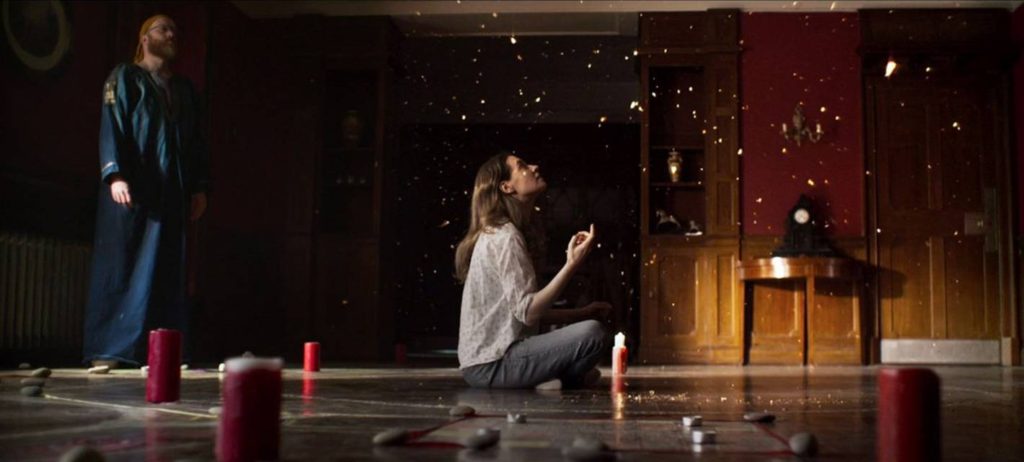
The main character of the Irish horror “The Devil's Song”, Sophia, rents an abandoned house in Wales to perform a complex occult ritual to contact the soul of her murdered son. And based on the setup, it might seem like another hackneyed horror standard about possession, but the devil, as usual, is in the details.
Director Liam Gavin literally creates an atmosphere of oppressive horror for the characters and viewers from improvised means, where every detail emphasizes the emotional devastation of the characters. The relationship between Sophia and the occultist Joseph Solomon becomes the center of tension: their interactions are like a roller coaster, where every moment of revelation is followed by a sharp drop in trust.
The film balances between realism (moderate, not excessive) and the supernatural, showing how grief can awaken something dark in a person. During the ritual, Sophia confronts her own inner demons—her thirst for revenge and refusal to accept loss lead to catastrophic consequences. The film's climax (bold and unexpected), where Sophia finally finds forgiveness, becomes not only a liberation for her but also a powerful commentary on the nature of grief and redemption.
“The Conjuring: 13th Floor” (Indonesia, 2022)
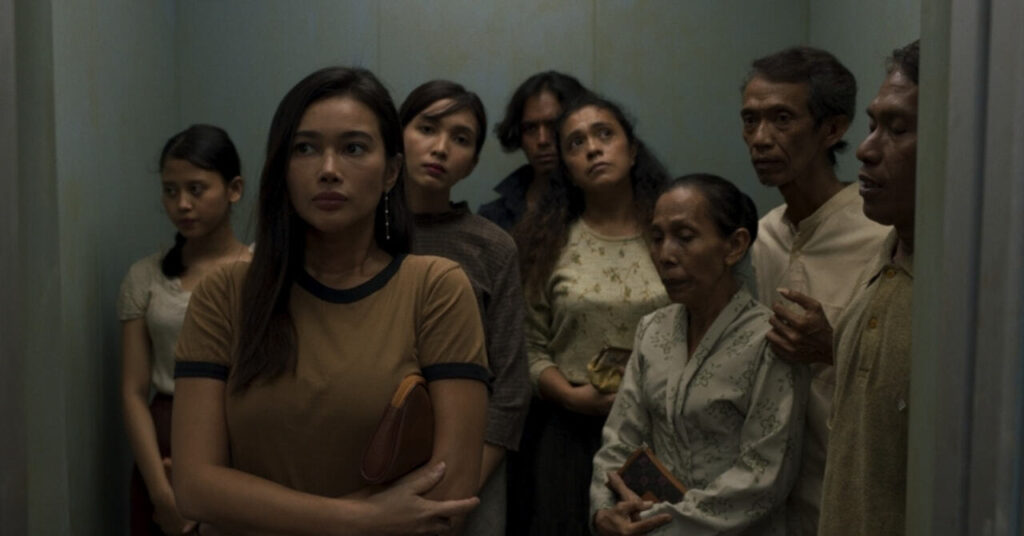
Generally, horror productions from Southeast Asian countries are one big meme for viewers from Russia. Domestic distributors, wanting to extract maximum profit from a deliberately irrelevant product, turn it into a new chapter of some famous franchise through naming. Most often, the “Insidious” and “The Conjuring” film series fall victim. But among the great multitude of cheap horror movies about jinns and exorcism in the name of Allah (over 80% of the region's population practice Islam), there are still some interesting representatives of the genre.
“The Conjuring: 13th Floor” (original title “Servants of Satan 2: Communion”) is a spectacle not for the faint of heart. The special effects look acceptable, and the jump scares work as they should. Already in the first act, you will witness an extremely brutal and naturalistic scene with an elevator fall. But in this case, that's not the main thing. The film by Yoko Anwar is a good guide to the socio-cultural life of Jakarta in the 1980s. The program includes everything you wanted to know about Indonesia of those years: from the national burial rite to the decoration of apartments in a suburban ghetto. Even the political context of the time is mentioned.
“Servants of Satan 2,” which reached us in the alien guise of “The Conjuring,” became a real hit in its homeland, recouping production costs 19 times over. It is also the first South Asian film shot on IMAX cameras.
“Black Saturday, or The Three Faces of Fear” (Italy, 1963)
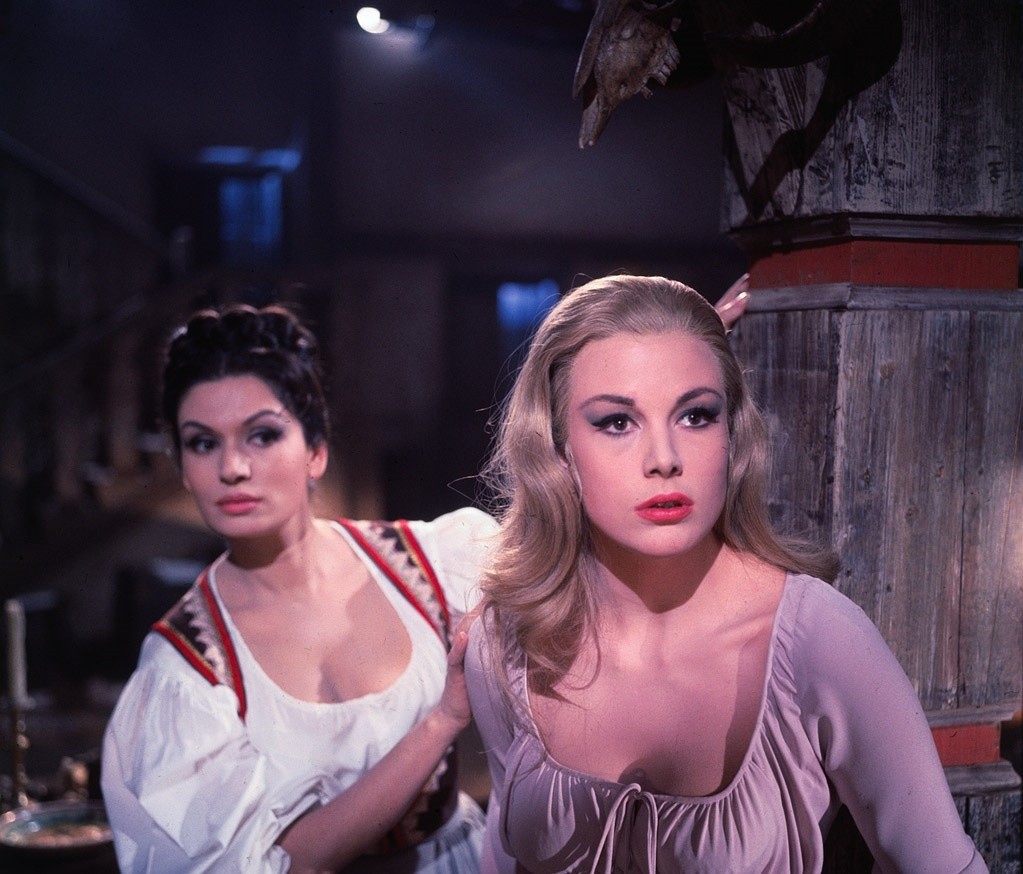
Probably, there was no greater director in Italian cinema than Mario Bava. An author of amazing artistic expressiveness, a master of visual language, and, moreover, a brilliant storyteller, he, working as a cinematographer, producer, director, often simply finishing other people's films for pennies, changed the face of Italian and world cinema. And, of course, Italian and world horror. “The Three Faces of Fear” is a beautiful and concise film, a simple entry point into the director's filmography and at the same time an original work, interesting even apart from film history.
Of the three stories arranged in order of escalating suspense, it's hard to single out any one. The first, presenting an ironic view of modern life, significantly influenced—without it, the famous telephone plot in the film “When a Stranger Calls” and the opening scene of “Scream” might not have existed. The second novella, referencing domestic classics, is a very effective and eerie gothic story about how the best guests are those who don't overstay their welcome. The third story is a prototype of giallo, a brilliant tale of cursed gold and lonely women.

When the word “slasher” is mentioned, iconic maniacs like Freddy Krueger and creative chopping of stupid characters come to mind. We'll tell you where this formula came from, who was the main
Open materialAll three stories are, in a certain sense, paranoid. The theme of deception embedded in the nature of reality, key to the director's work, is presented here not without irony, but nevertheless determines the course of the novellas. The heroes cannot believe in the reality of the threat, cannot overcome their habitual ideas, but they are wrong to do so—fifteen minutes, and they should already believe in them. However, of course, they shouldn't. Bava is a great gothic director, and one should never believe in the heroes of gothic works.
“The Abode of Shadows” (Spain, 2014)
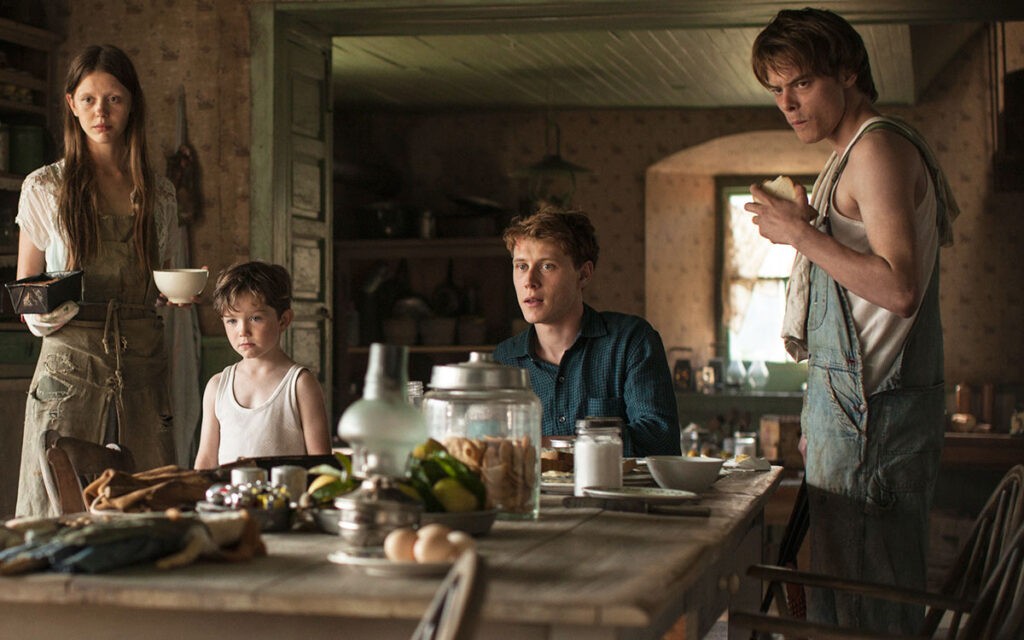
It is now quite difficult to imagine the horror genre without Spanish filmmakers, and they consistently release, if not masterpieces, then at least solid works year after year, which include “The Abode of Shadows.” The film was directed by Sergio G. Sánchez, who previously wrote the screenplays for the very creepy “The Orphanage” and the dramatic disaster film “The Impossible.”
At the center of events are unexpectedly orphaned children living in a large old house. Soon the oldest of them will turn 21, and he will be able to arrange guardianship for everyone. Until then, it's better not to show up to official authorities. But waiting for the cherished birthday turns into torture when the children realize that besides them, someone else lives in the house. And he clearly has evil intentions.
“The Abode of Shadows” periodically knocks the chair out from under the viewer with inventive horror and an unexpected plot twist. And here you can also admire an entire ensemble of future Hollywood stars: from Mia Goth to Anya Taylor-Joy and George MacKay.
“Ghost Station” (South Korea, 2022)
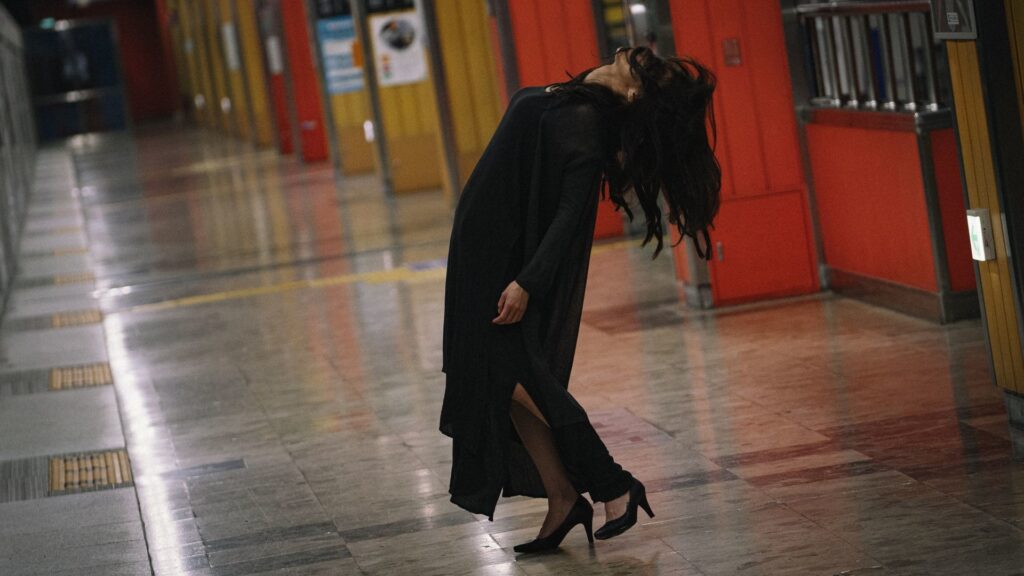
“Ghost Station” offers viewers an almost classic Asian horror (produced by representatives of Korea and Japan, as strange as that may sound), but with elements of a detective story. The plot revolves around journalist Na-young, who begins investigating the mysterious death (suicide?) at one of the Seoul metro stations.
The film uses familiar genre tropes—ghosts, mysterious disappearances, and detective elements—but does so with a Korean flavor. And although it suffers from predictability, due to the setting (who isn't scared by dark and abandoned underground metro stations?!), it holds attention and maintains a proper sense of the unknown and frightening. And when children appear on screen... brr... it's even scary to remember.
“The Screech” (Finland, 2021)
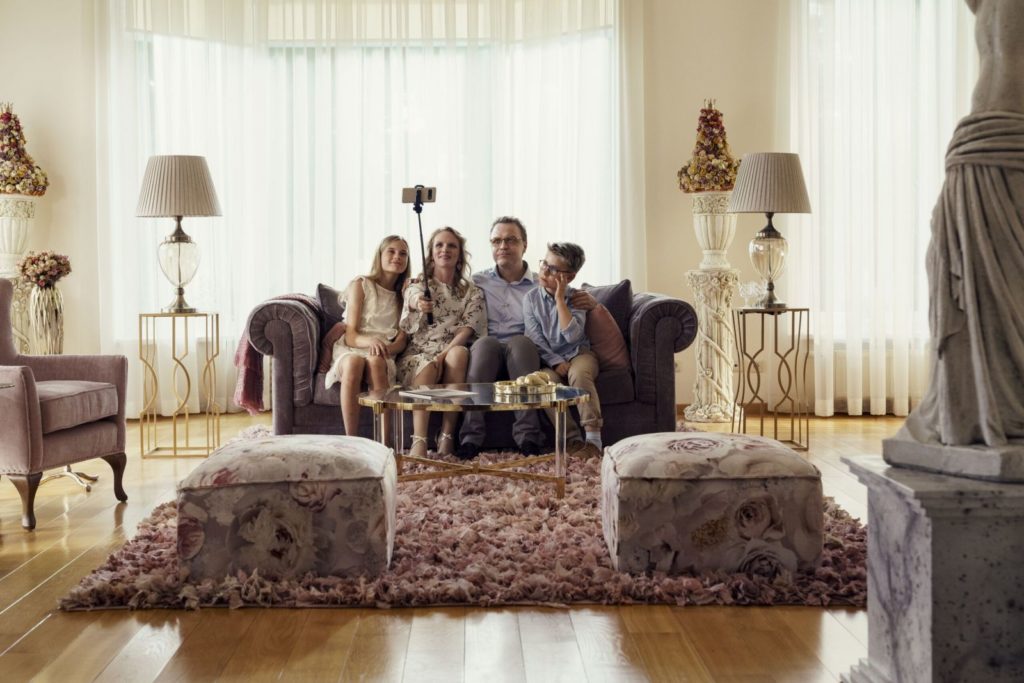
A distinctive feature of a good part of Finnish, and indeed Northern European horror, is evil lurking in the serene suburbia of the suburbs. Life in these countries seems ideal to many, as evidenced by various indicators, such as the happiness index among the population. It is on the deconstruction of this popular image that the concept of many Scandinavian horror films is built.
That's exactly what the film “The Screech” is about. It tells the story of a “model” Finnish family unit, at least as it appears to the subscribers of the mother's personal blog. One day, a crow flies into their house, which resembles an IKEA catalog cover, breaks expensive crystal, and pays for it with its life. Soon, the main character—12-year-old Tinja, entering puberty—finds an egg from which a huge chick hatches, gradually acquiring more and more human features.
“The Screech” made a splash at Sundance in its time. The film works well as a body horror with a relish for bodily deformations, but it is much more frightening with the sterility of spaces and the falseness of smiles.
“Possessed by Evil” (Argentina, 2023)
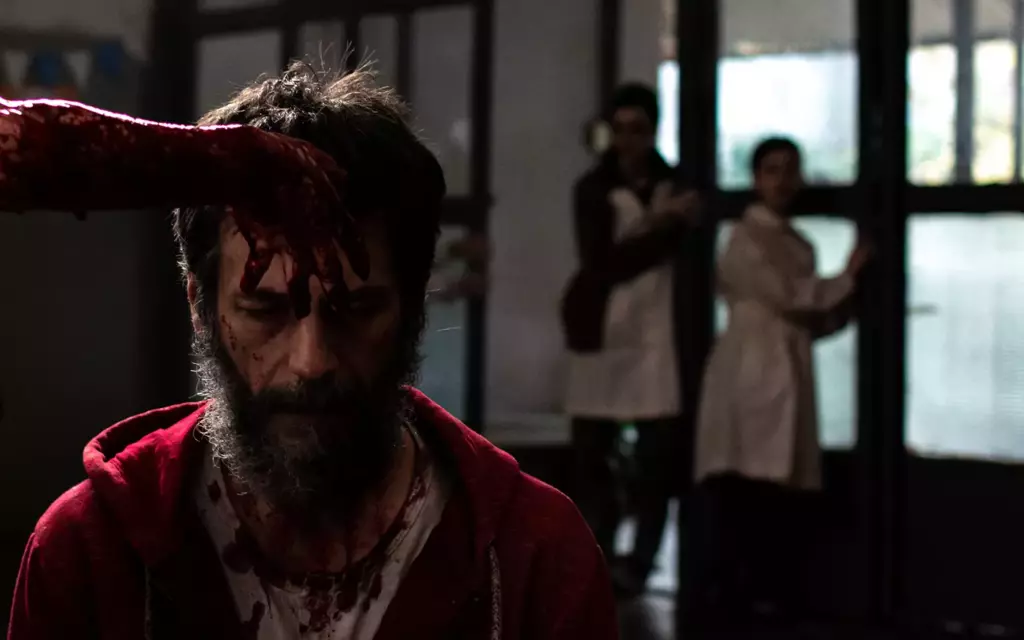
An Argentine horror from director Demian Rugna about two brothers who must rid a village of a devil-possessed person. In the world of this film, the presence of such “patients” is presented as a given, long-established and even tiresome. The main thing is not to catch the “infection,” which is transmitted almost by airborne droplets. Which, of course, happens to one of the brothers.
A rather creepy film with borrowings from the best works of Sam Raimi. A couple of shocking scenes that are not related to anything irrational, original plot twists, oppressive hopelessness, inevitable and infernal evil from which you cannot run or wash away. All this turns “Possessed by Evil” into a little gem of the genre. And the distinctive Argentine flavor makes the film something more captivating than an ordinary horror movie.
“High Tension” (France, 2003)
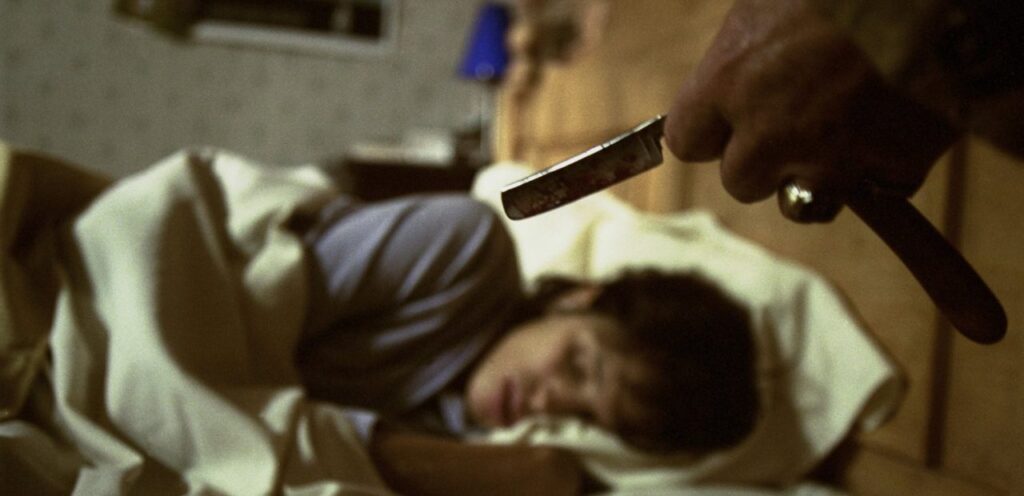
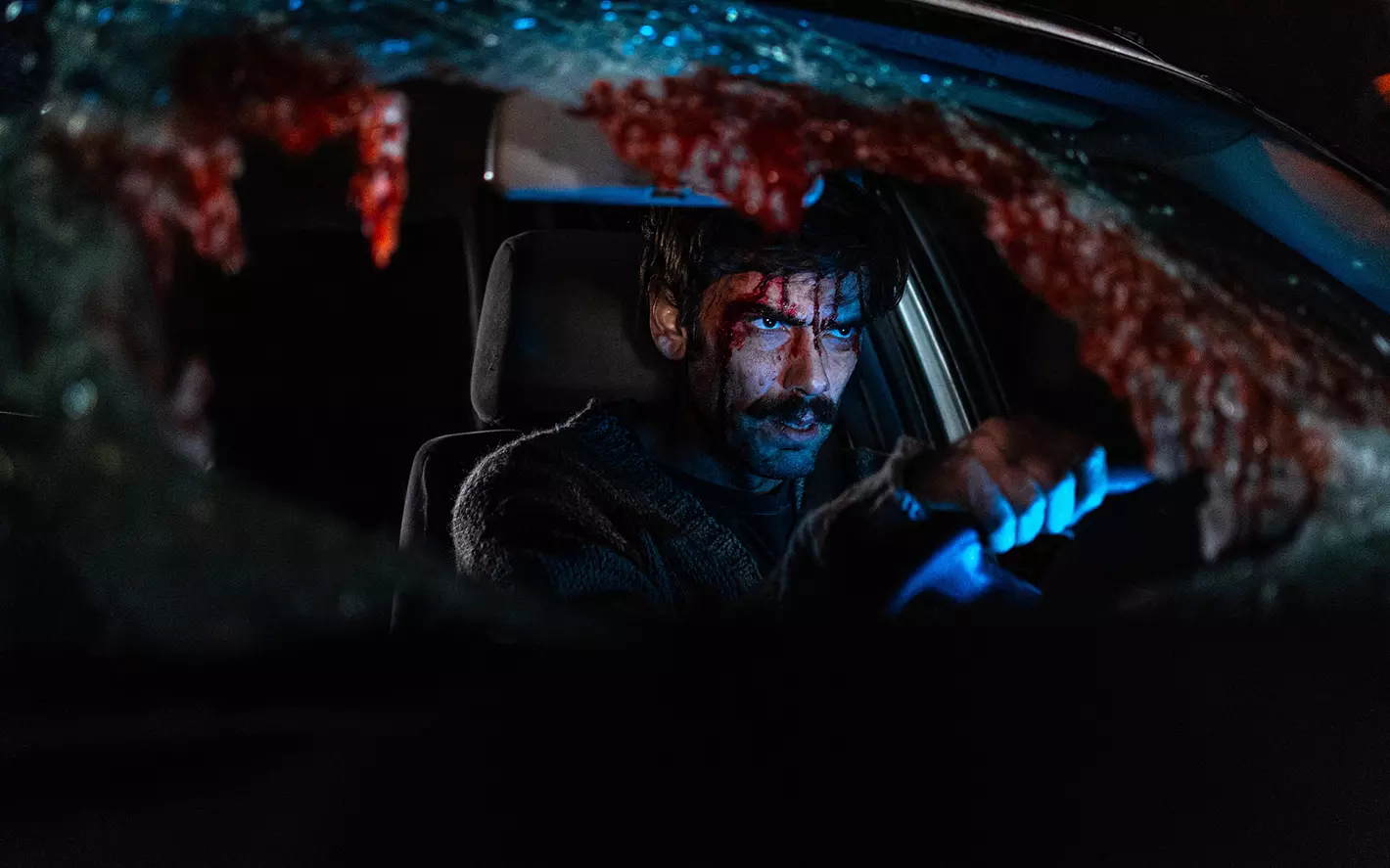
“High Tension” is a vivid example of the new wave of French horror (I'll allow myself a liberty in interpretation). The film begins as a typical slasher: two girlfriends go to a secluded house for the weekend, where they encounter a maniac. However, director Alexandre Aja, now one of the prominent representatives of the horror genre, uses this template to create a twisted psychological thriller with unexpected twists.
Aja constantly plays with the viewer's perception: what seems obvious at the beginning turns out to be far from simple by the end. And on a deeper level, the film makes you think about the nature of evil and how close it can be to us. The aesthetics of violence here are not just for shock value (although that too), but serve as a backdrop for reflections on trauma and questions of identity.
Comments
0No comments yet.