
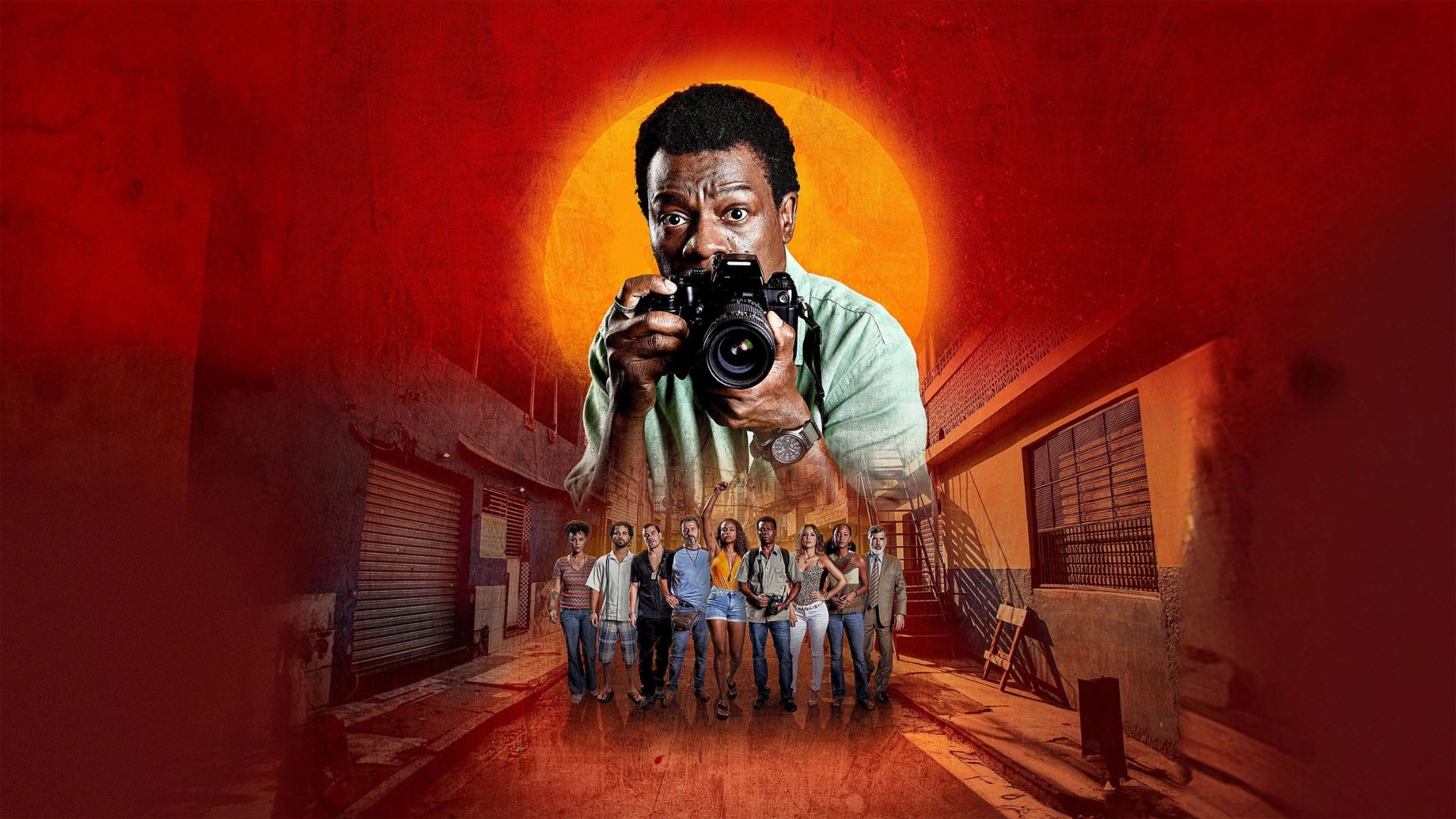
At the end of September, the first season of the series 'City of God: The Fight Continues' concluded on the Max service — a direct continuation of the cult crime drama from 2002. About what has happened in the lives of familiar characters and what ch...
The premiere of the series 'City of God: The Fight Continues' took place almost (within five days) on the twenty-second anniversary of the original film by Fernando Meirelles and Kátia Lund. And although the directors have little to do with the sequel, it doesn't look like a forced commercial project. Considering that the film itself has not lost its relevance over two decades (we wrote about this for the anniversary), the sequel in turn refreshes this view and further sharpens attention on the issues raised by the film.
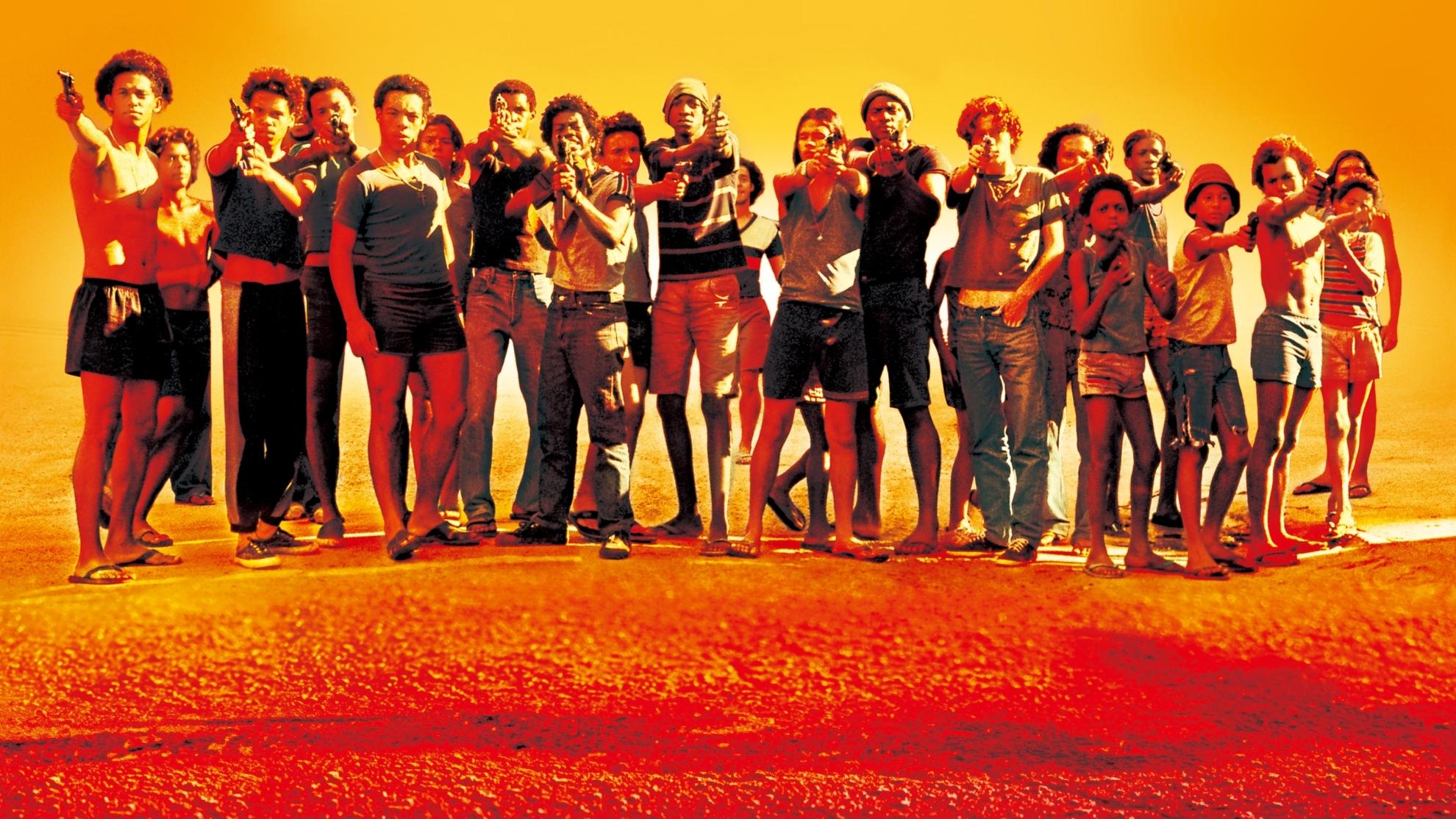
On August 30, 2002, the film 'City of God' by directors Fernando Meirelles and Kátia Lund premiered in wide release, starting in Brazil (we don't count the premiere in Ca
Open materialWhat's the plot?
Rio de Janeiro, 2004. In the City of God, not much has changed in twenty years. After the death of Little Zé, control of the favela passed to local boys, and they were taken under the wing of drug dealer Curió (Marcos Palmeira). Peace reigned in the neighborhood for a while, except for the occasional discovery of charred tourist bodies. But otherwise, everyone goes about their business. For example, Rocket (Alexandre Rodrigues) became a professional photographer specializing in Cidade de Deus, moved to the city, and now asks to be called by his name — Wilson (no one cares). His friend Lace (Edson Oliveira) stayed in the City of God, earned the respect of the locals, and plans to run for the city council so that his native neighborhood can develop and prosper.
Unfortunately, the peaceful life will soon be shaken by the release from prison of Curió's adopted son — Bradock (Thiago Martins). Under the manipulative influence of his lawyer and lover Jerusa (Andréa Horta), the gangster begins to claim territories in the favela. A new war is brewing in the slums. But worst of all, the local gang clashes could involve the police under the command of an old acquaintance, Reginaldo Cava (Maurício Marques), nicknamed Tadpole, who rose from a corrupt cop to the Secretary of Security of Rio de Janeiro.
In a city without a subway
'City of God' is one of the most important films in Brazilian cinema, which demonstrated to the whole world how acute the problem of life in favelas is in the country. The multi-episode sequel talks about the same things, but from a modern perspective. Even though the screen shows 2004, the viewer must realize that this is just a number. In fact, the events could easily have taken place in 2024, but the actors simply haven't aged that much. And it's unlikely that watching pensioners in criminal shootouts would be as interesting.
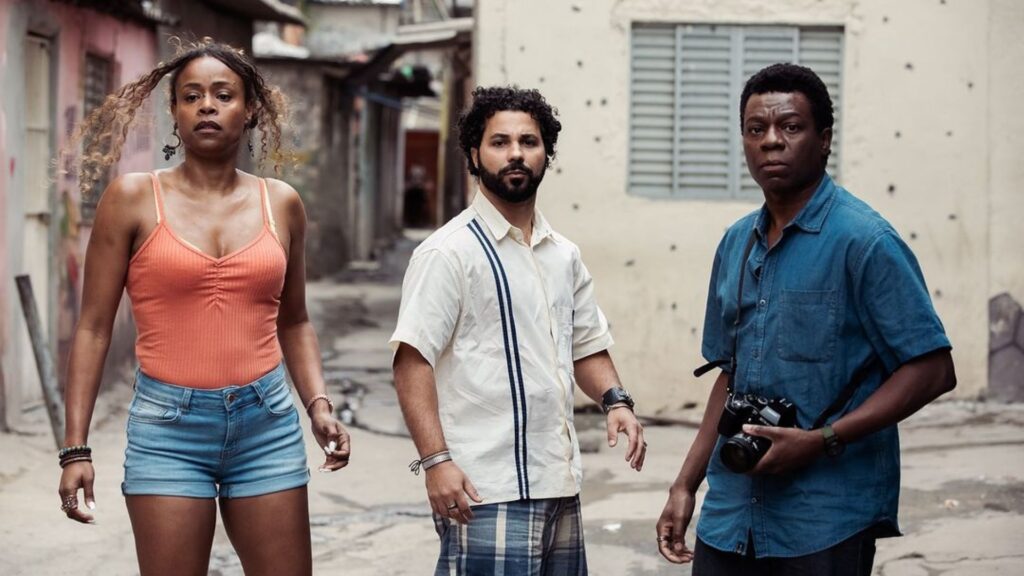
It's very pleasing that many characters from the original story have returned in the sequel, played by the same actors. Besides Rocket, Lace, Bradock, and Tadpole (honestly, they seem like characters from a crime drama, not a team of 'Magnit' stickers), the series features Berenice (Roberta Rodrigues), Cynthia (Sabrina Rosa), and several other minor characters. Of course, you can't just remember who is who, but there are flashbacks with reminders from Rocket that also help new audiences get into the story.
The series 'City of God' begins with a scene similar to the opening of the original film, where quick shots flash of gangsters, cops, and, of course, fighting cocks. Then Rocket, in his own words, takes us back in time, starting from the beginning to tell the story of how the neighborhood was once again drawn into war.
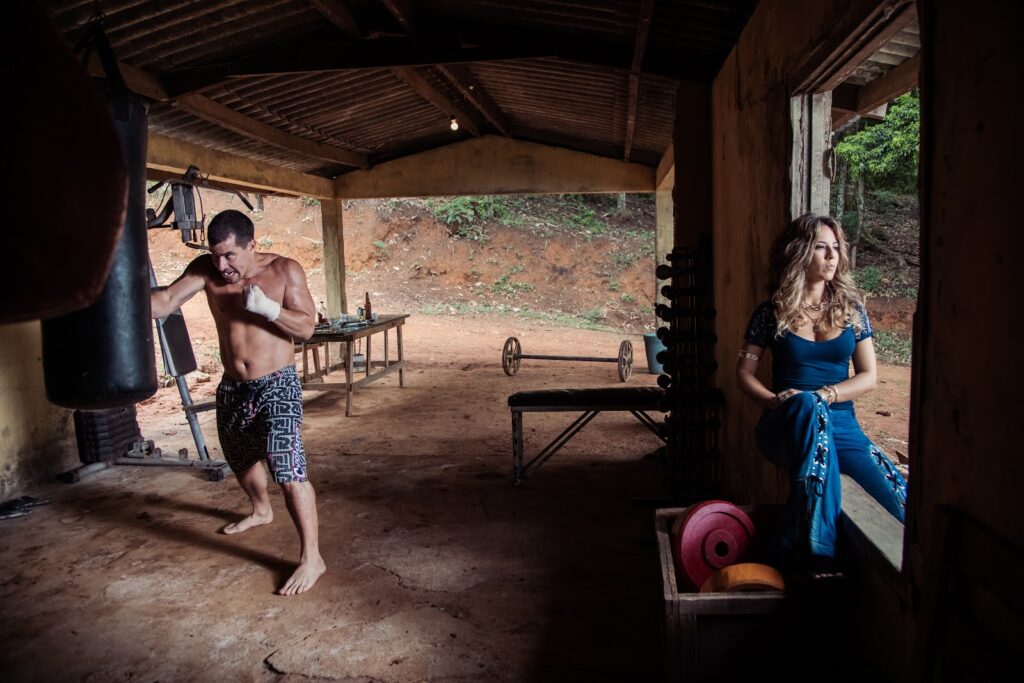
Viewers are immersed in the world of Brazilian slums, where ordinary residents live almost every day on a powder keg. Here, people worry that the fragile peace agreement won't be broken and there won't be new victims. Over the years, the people of Cidade de Deus have learned to survive and have come to terms with the fact that the authorities, from the height of the Christ the Redeemer statue, don't really care about their problems, and no one without personal interest will truly try to do anything. So if anything is to change, it must be done on their own.
Sports clubs and events are sustained by enthusiasts, and young people oscillate between crime and attempts to make it in life. Outside the slums, residents are treated as second-class citizens, and bloody events in the favela always make the front pages of newspapers and are loudly discussed on TV. Even Rocket's daughter Leca (Lullen Castro), who raps lustfully and twerks, tells her father that his photos taken at risk of his life are 'black meat' that other people look at and are glad they don't live like that. To some extent, this thought applies to the series itself.
The gods are unlikely to favor us
Twenty-two years ago, Meirelles and Lund's film managed to create a resonance and spur the government to at least start addressing the favela issue. Today, the studio O2 Filmes (they made all projects from the 'Brazilian slums cinematic universe') together with HBO decided to take up the megaphone again and loudly declare that the problem is still far from resolution. In favelas, it's still very dangerous, as drug trafficking and banditry thrive. Armed groups control territories, and the choices for young people, as already mentioned, are limited (for locals, it's a children's fairy tale about a good life). But that's not even the scariest part; what the series fears most are not criminals, but police raids coordinated with the authorities.
On December 21, 2023, the final episode of perhaps the most popular series of the past year, 'The Boy's Word. Blood on the Asphalt', was released on the START and Wink platforms. Now that the viewing
Open material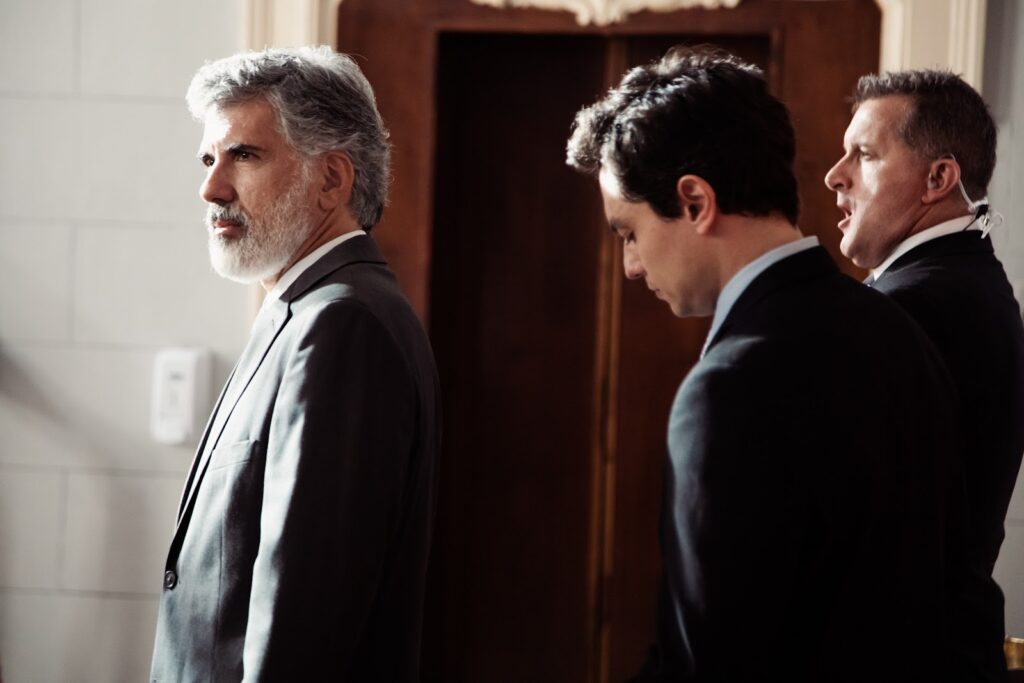
This time, 'City of God' delves more into politics. Corrupt cops turned out to be just the tip of the iceberg, as the roots of the problems go much deeper into the government. And it's no coincidence that raids are scarier than gangster shootouts, because, in Rocket's words, criminals in the slums at least have families and friends, while people in uniform in the favela have nothing to lose. Therefore, shootouts with them are much more brutal than drug wars.
If you open the news archives of Brazil, articles about numerous casualties in slums during police crackdowns (including civilians and tourists!) can be found at the snap of a finger. And it doesn't matter what decade it is: the eighties, the 2000s, or the twenties, as these are just numbers on a calendar. Surprisingly, this picture shows that bad gangsters have more honor and prudence than law enforcement agencies (so criminals are the lesser evil). And it's a shame that in all these clashes between authorities and groups, ordinary people, caught literally between two fires, suffer the most.
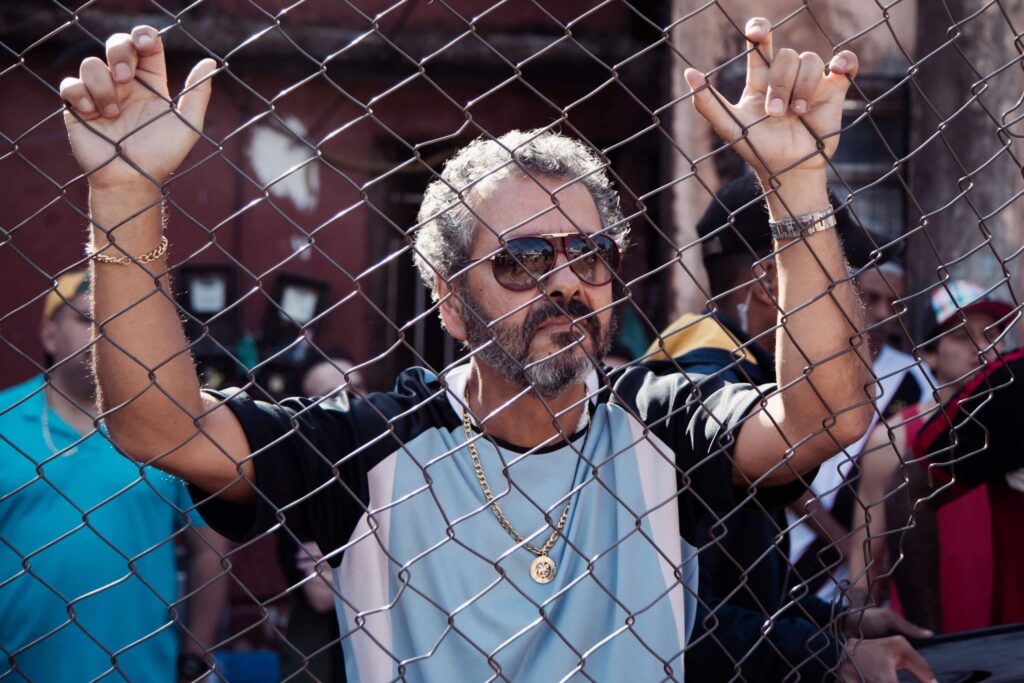
Overall, 'City of God: The Fight Continues' is an almost ideal project for conveying current issues, as besides questions of police brutality and corruption, it raises themes of social inequality, tolerance, feminism, humanism, and even family relationships. But the main thing is that this whole cocktail fits very organically into the series' story, and none of the aspects seem out of place, intrusive, or overly moralizing, as is often the case in modern cinema.
What's the verdict?
'City of God: The Fight Continues' is an excellent sequel that worthily continues the original story. It returns viewers to Cidade de Deus through the years to once again declare the problems that are still high on the agenda not only in Rio de Janeiro but throughout Brazil. Even though the series can't reach its cult predecessor, it quite fulfills its main functions, because it's no coincidence that it was renewed for a second season before the final episode even premiered. Well, the story really has room to develop, so let's hope the creators don't lower the quality bar, and maybe even bring back some more old acquaintances (Alice Braga and Matheus Nachtergaele would be a gift).
By the way, subscribe to our Telegram channel 'After the Credits' (here's the link). There we post posters, trailers, and various interesting and fun news from the world of cinema.
Comments
0No comments yet.