
A restored version of Wim Wenders' work 'Paris, Texas' is being re-released for the film's 40th anniversary. The story of an endless escape and at the same time the desire to find one's home has not lost its relevance. We tell about one of the most m...
The unique tempo of Wim Wenders' stories can be traced in all his works, from 'Wrong Move' to . And if over time the melancholy has partly given way to contemplation, this rule does not yet apply to 'Paris, Texas'. Ry Cooder's hypnotic music, the green anxious light of the lanterns, and the stretching of all events and dialogues of the film almost to the limit are the basis of the aesthetics of this work.
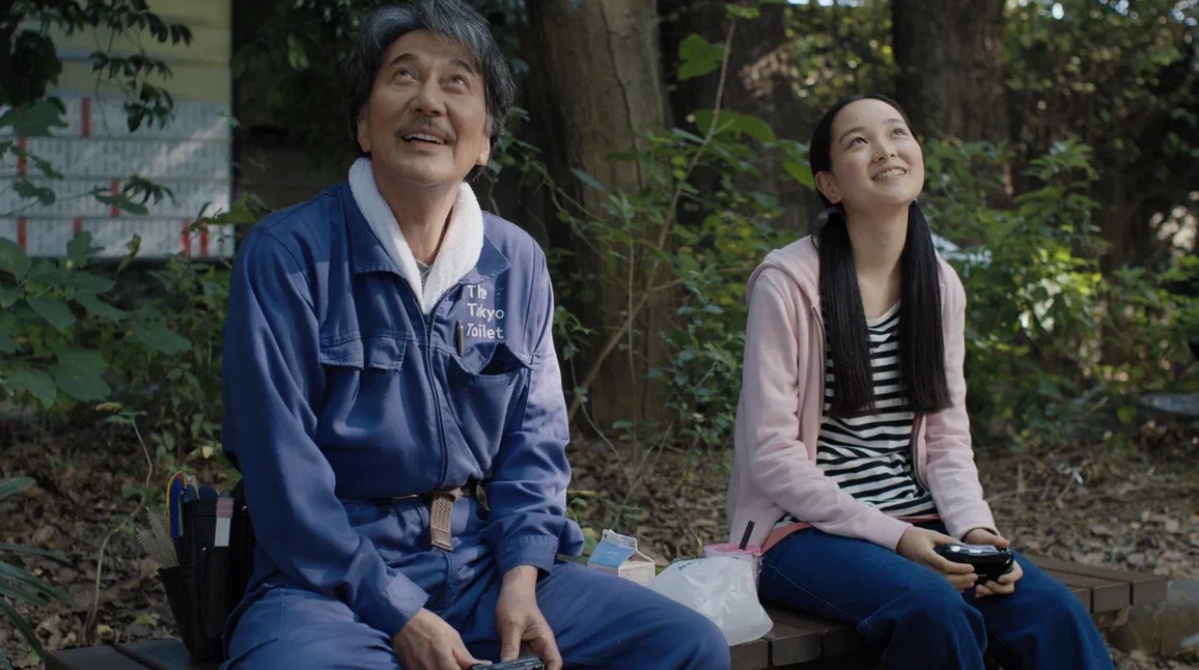
Recently, the American Academy announced the Oscar nominees. The new film by director Wim Wenders, 'Perfect Days', about life, will compete for the title of Best International Film.
Open material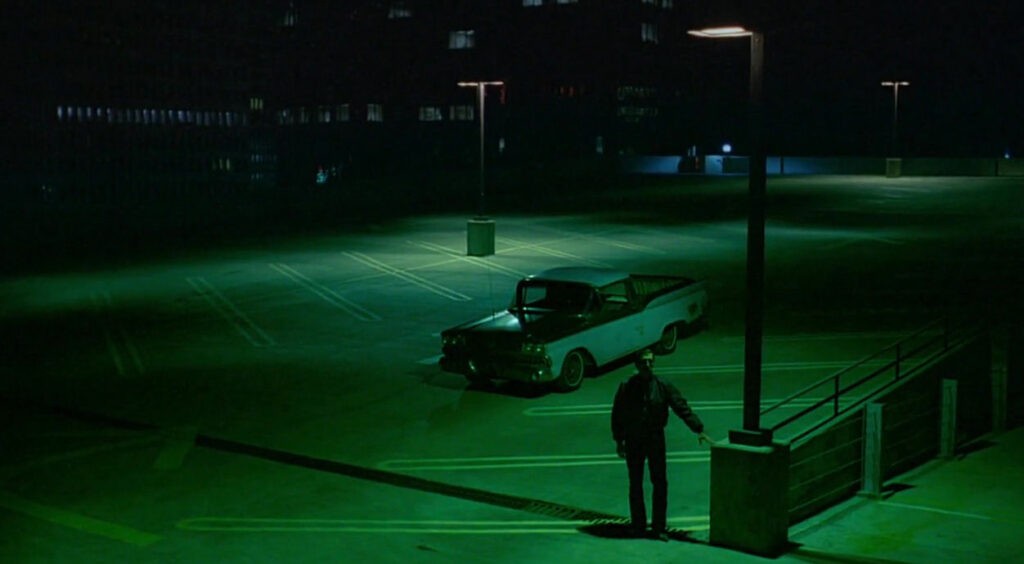
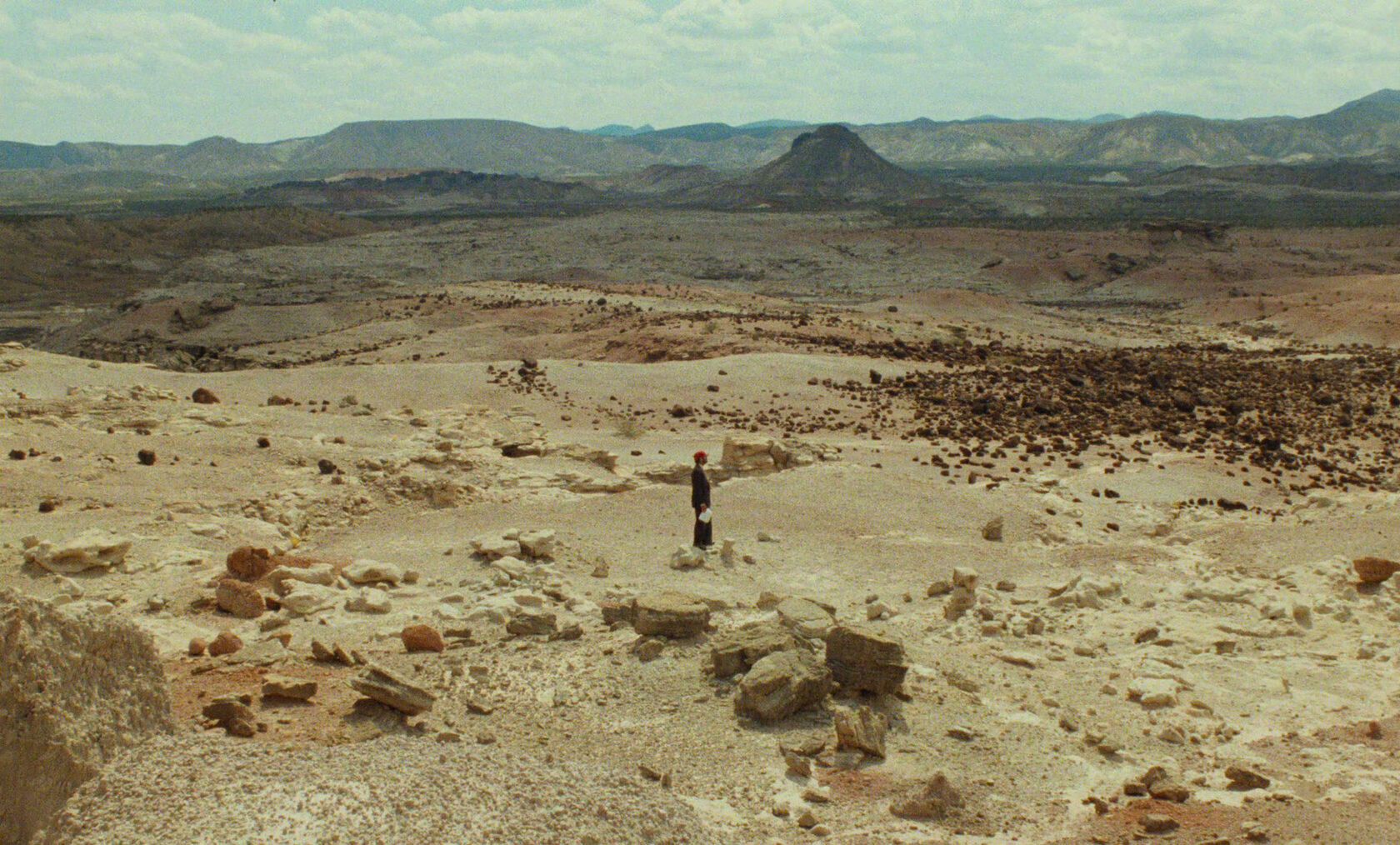
If for some reason you can't imagine yourself as Travis Bickle from 'Taxi Driver' by Martin Scorsese, try imagining yourself as Travis Henderson. We first see him on the lifeless and deserted landscape of Texas, in a suit and cowboy boots with a red sheen. Four years have passed since his disappearance. The hero's family has fallen apart: his wife Jane has vanished, and his eight-year-old son lives with his uncle, Travis's brother. It seems there is no purpose in his eternal flight, and it only appears when he meets his child, Hunter.
But the home of the 'American Dream', where Travis's son was raised for four years in his brother's family, evokes no feelings in the character. This is the 'home', painted in joyless sepia, to which Dorothy returns at the end of 'The Wizard of Oz'. A place that, seemingly intended to be the end of the journey, becomes the start of a new escape. Hunter and his father set off in search of the mother.
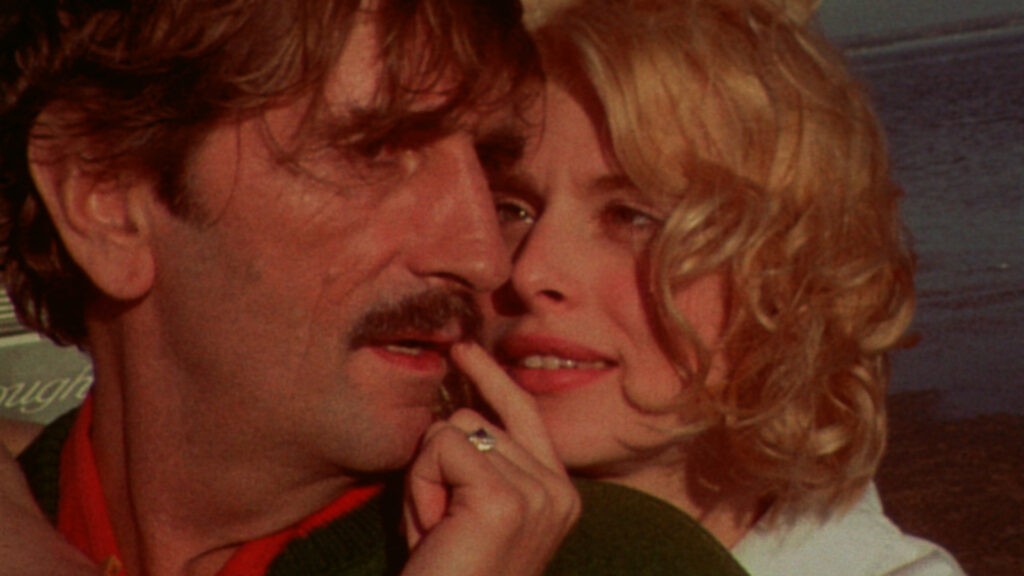
'Escape' occupies, perhaps, a key place in the poetics of this work. The plots that form the basis of any modern road movie always have two worlds: a magical but hostile and unfamiliar one, and a real one, albeit boring and black-and-white, but evoking in the hero a desire to return there. In the film essay 'Lynch/Oz', the authors take 'The Wizard of Oz' as a starting point, but in fact one of the first such plots is Homer's 'Odyssey'. Not only plots involving any journey are based on this concept; it can simply be a movement between two worlds ('The Matrix' by the Wachowskis, 'Paprika' by Satoshi Kon, Sean Price Williams and many others).
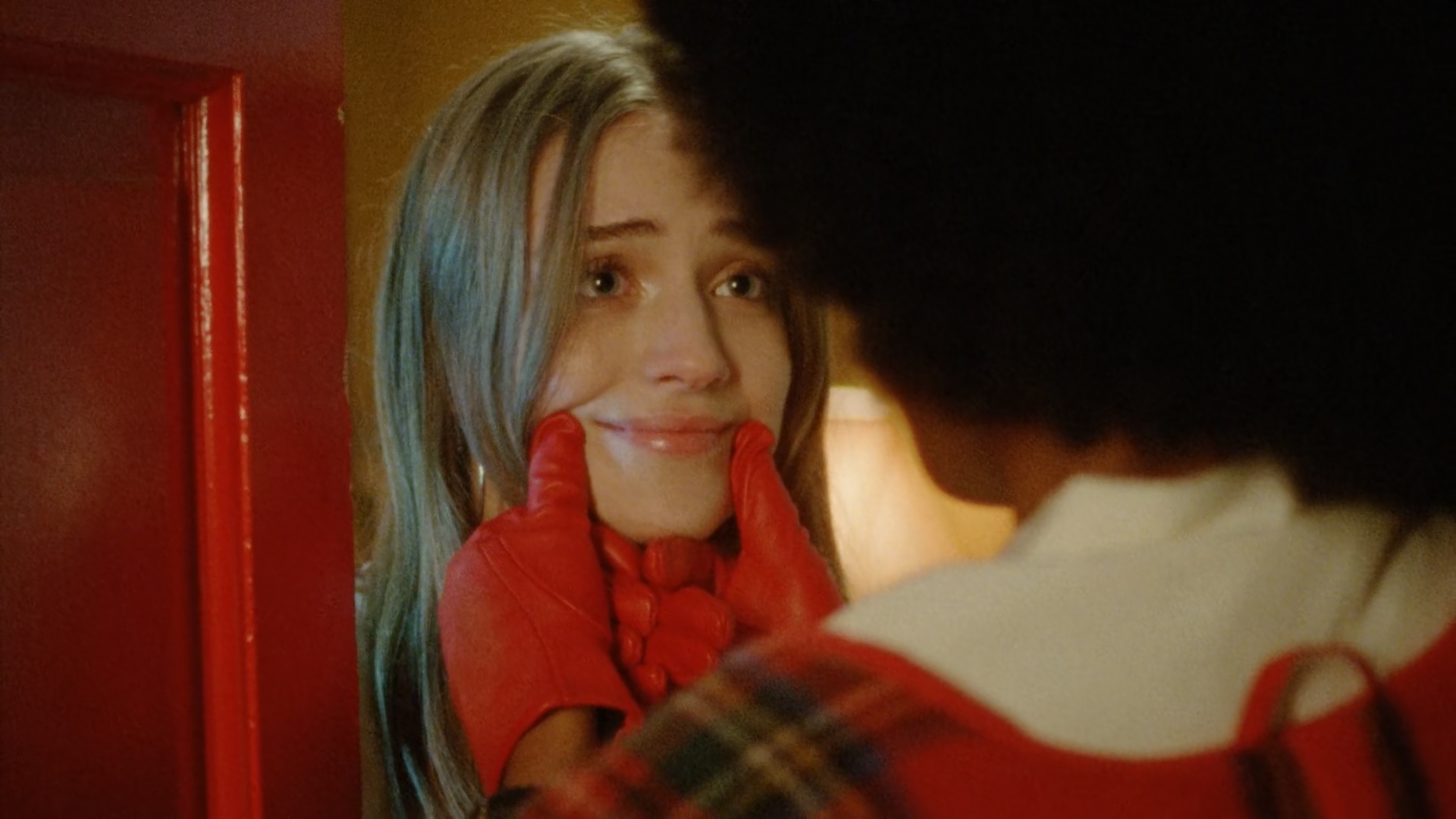
On March 21, the feature debut of Sean Price Williams (cinematographer of 'Good Time' and 'Tesla') 'The Sweet East' is released – a film disguised as a road movie. We tell you, p
Open materialThe plot of 'Paris, Texas' is complicated by the fact that there is neither a conventional 'home' nor another world. In this journey, there is no point 'A' and point 'B'. It seems that Travis simply hung for years in those fractions of a second of moving from the land of Oz to boring sepia.
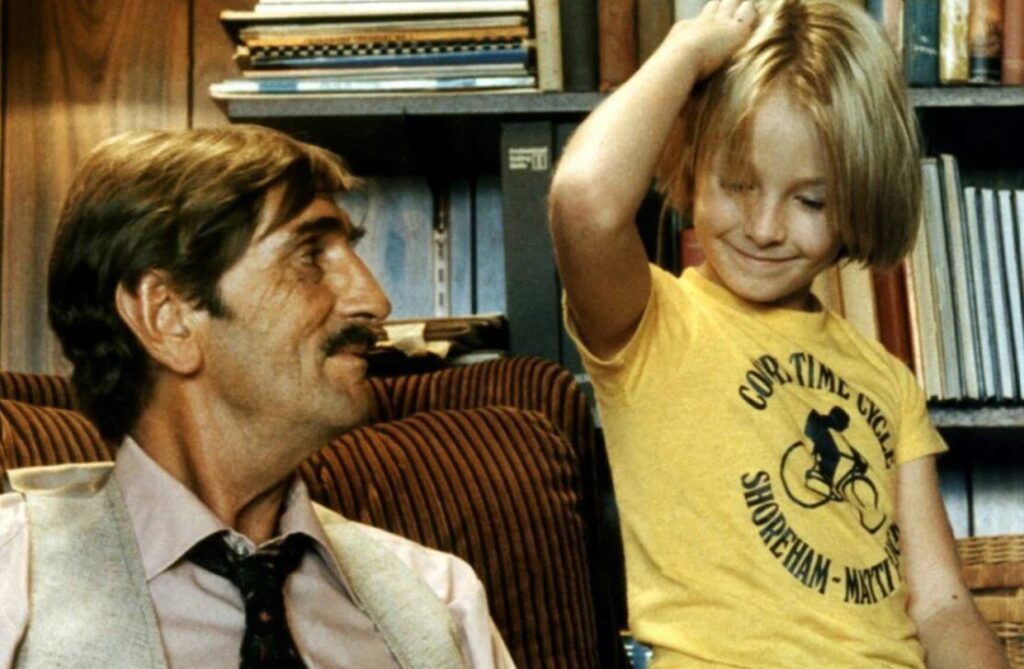
In general, in 'Paris, Texas', any place that resembles a home turns out to be a starting point for another journey. Every time Travis has a chance to stay, he still prefers to run. 'Escape' also plays a key role in the fate of his family members: both Jane (who did run) and Hunter, who chose to go with Travis rather than stay in the home of his adoptive parents, were drawn to it.
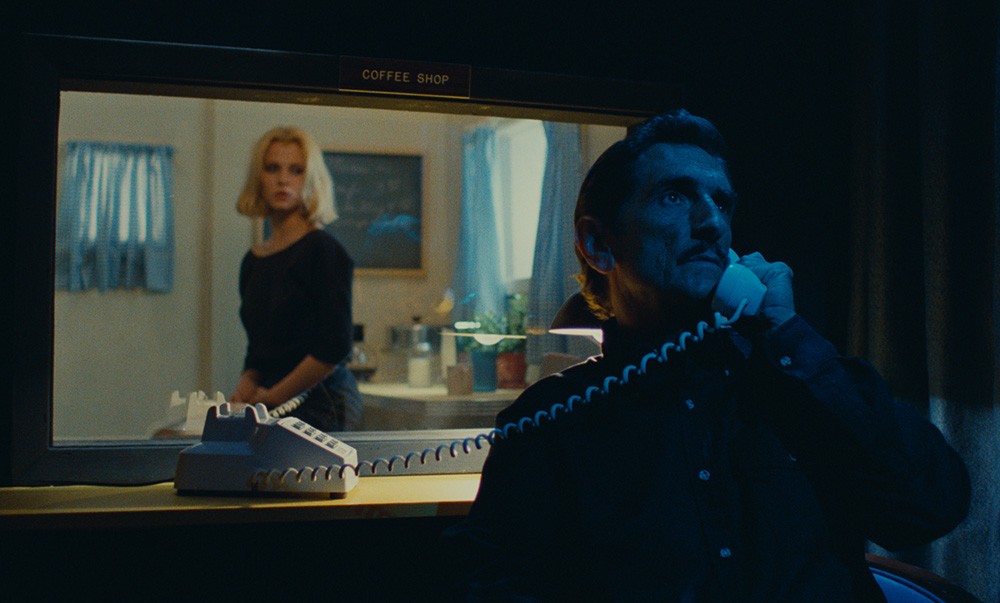
The deliberately slow pace of the story unfolding to the sounds of an acoustic guitar creates a hypnotic effect. The author does not allow us to fully get close to the hero, because Travis himself does not understand why he runs. Perhaps the need to escape exists in every person, because according to the main character's description, it was more of an instinctive urge than a deliberate act. Therefore, it is impossible to understand 'Paris, Texas' rationally, and Wim Wenders did everything for this.
It is in this plot that the impossibility of finding a home becomes a tragedy for the hero. The romantic idea of gray reality and the most fascinating journey, which still forms the basis of many works, is deconstructed by the author. It is 'home', the starting point for most scripts, that is an idealistic, impossible world for 'Paris, Texas'.

'I came out of nothingness right there, in Paris, Texas' says Travis, wanting to see that unsightly patch of land in the southern US again, but once he gets going, he can no longer stop. The escape is endless for him. This is both the hero's main tragedy and the foundation of his life. But no matter how many times such a plot is told and whatever it is based on, it can only be understood emotionally. It is here that the value of the hypnotic aesthetic side of 'Paris, Texas' is revealed, its detachment and at the same time closeness to the viewer. It seems to me that we are all a little bit Travis Henderson.
Comments
0No comments yet.
Sign in to join the discussion.