
The iconic Hayao Miyazaki anime 'My Neighbor Totoro' returns to big screens on August 28. One of the director's major works, considered a classic. We discuss the scary theories of its creation and messages straight from childhood.
It's hard to believe now, but in 1988 'My Neighbor Totoro' flopped at the box office, gaining attention only years later. One of the director's major works, assembled from childhood experiences, where there is no evil but plenty of dreams, beauty, and coziness. Even such a work managed to spark debates and creepy theories. We analyze the masterpiece and dive straight into childhood.
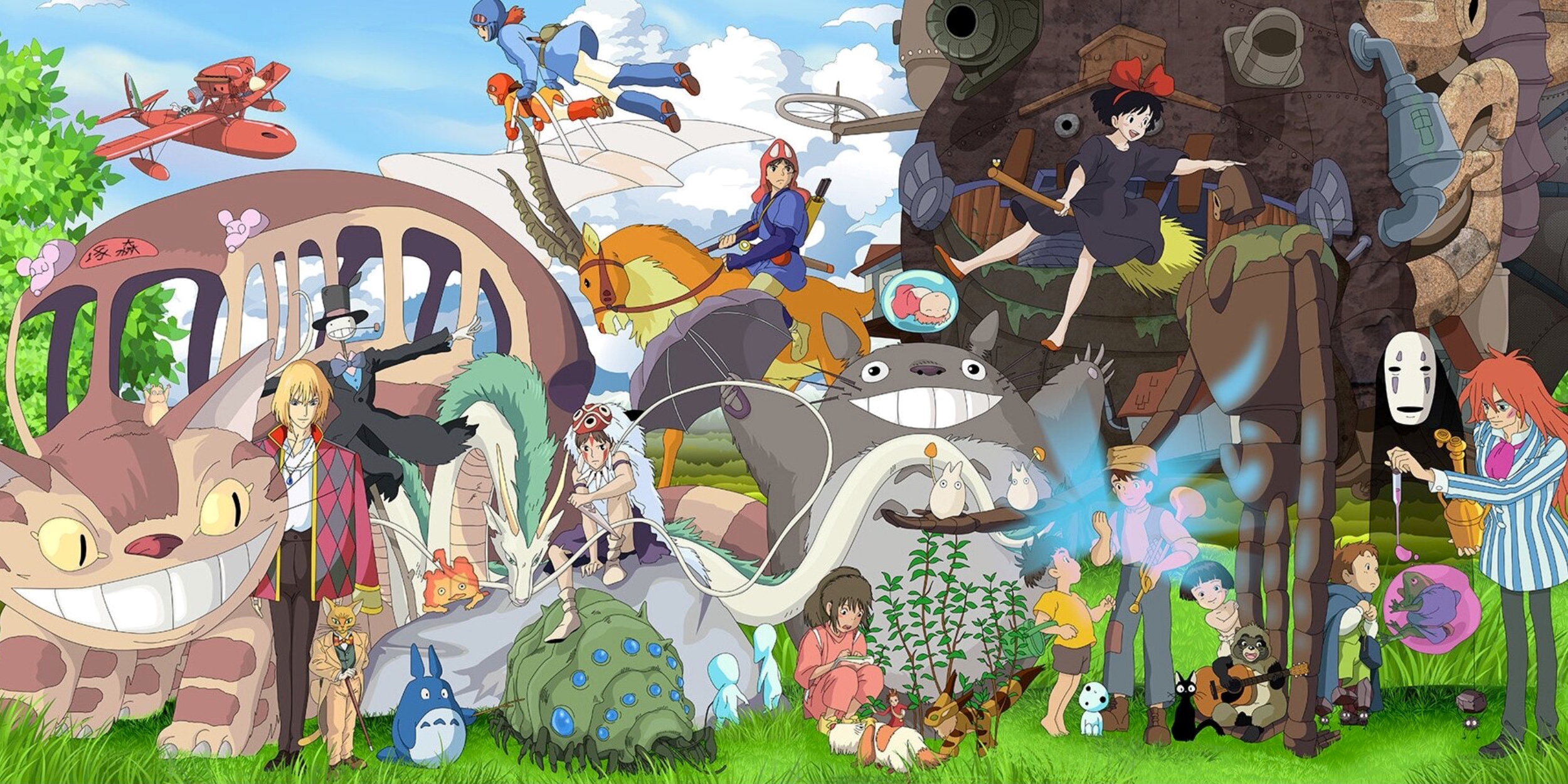
On December 7, possibly the last anime of the brilliant Hayao Miyazaki, 'The Boy and the Heron', will be released in official Russian theaters. In this regard, our editorial team decided to briefly tell why
Open material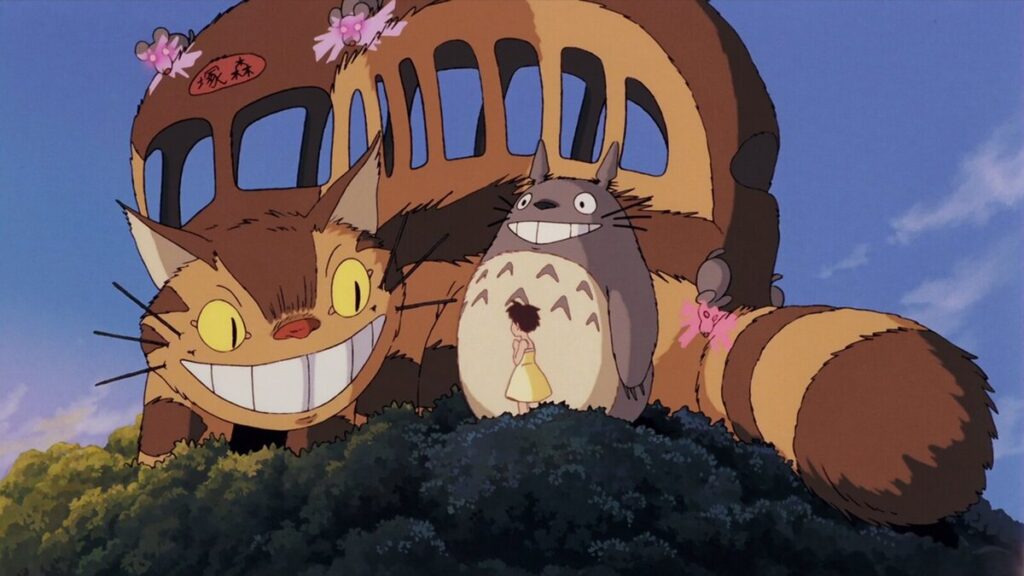
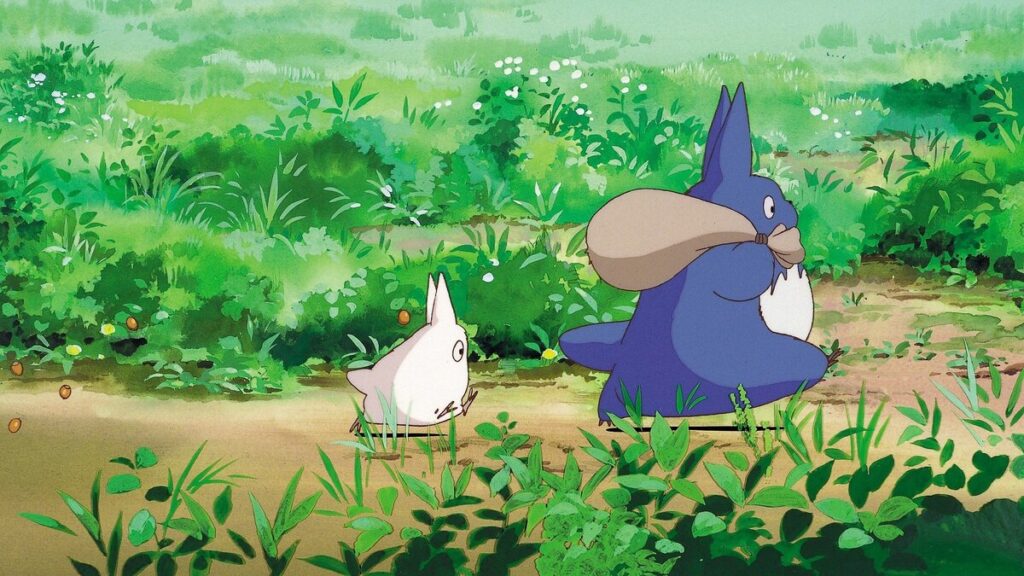
The main heroines of 'My Neighbor Totoro' are two little sisters. Together with their father, they have to move to the countryside to be closer to the hospital where their mother is being treated. The heroines arrive at a dilapidated house filled with 'soot sprites' — dust spirits, and nature holds magic. The restless Mei, venturing deep into the forest, finds a big, kind Totoro — a forest spirit. It is he who helps the heroines believe in miracles and rescues them from the most terrible troubles.
Despite all the magic of the film, many fans of Miyazaki's work see a dark underbelly in 'My Neighbor Totoro'. The theory is based on a real murder story — the 'Sayama Incident'. Kazuo Ishikawa kidnapped, raped, and murdered sixteen-year-old Yoshie Nakata. Unable to cope with grief, Yoshie's older sister committed suicide.
The events of the anime take place in the 1950s, shortly before the crime was committed. The names of the main heroines — Satsuki and Mei — translate to 'May', the month in which the 'Sayama Incident' occurred, and the heroines' house is located near the crime scene. Additionally, when Satsuki asks Catbus to take her to her sister, the stop name changes from 'cemetery' to 'Mei', and the sister is found near six statues of Bodhisattva Jizō — protectors of deceased children's souls, where Mei sits like a seventh statue.
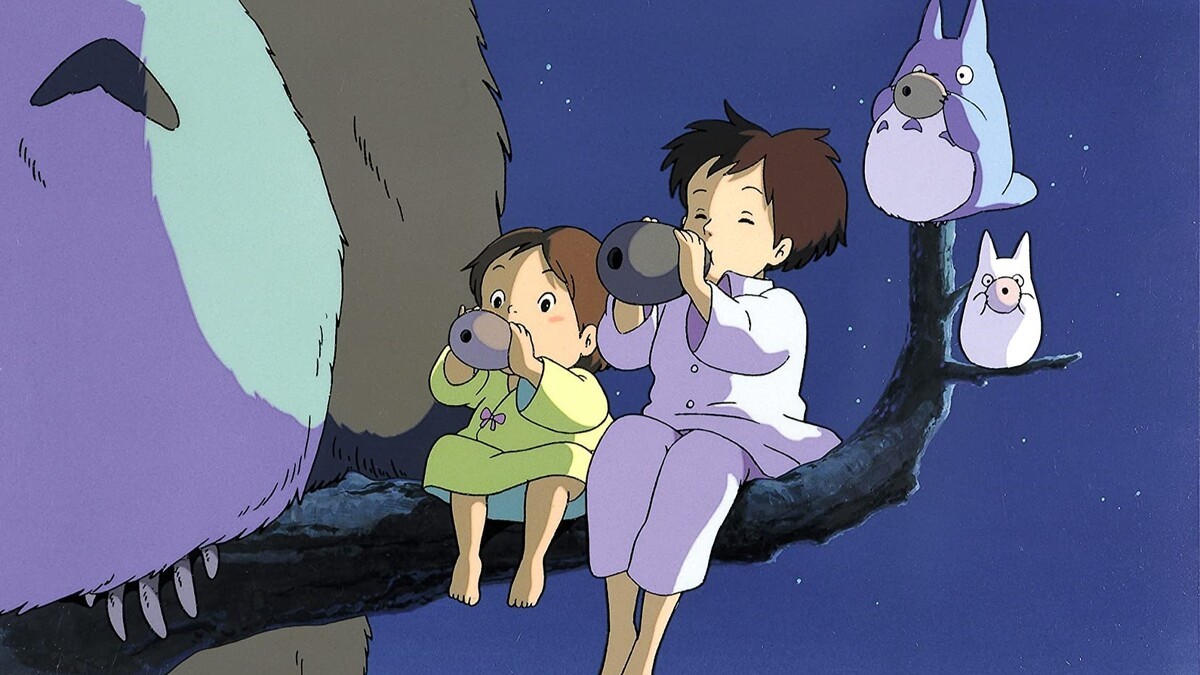
A fragment related to this theory is one of the last scenes of the anime. Satsuki and Mei sit on a tree near the window of the hospital where their mother is. At that moment, the woman says: 'I thought I saw our girls sitting on that pine tree and laughing.' One could assume that the main heroines are ghosts, and Totoro is not a kind forest spirit but a shinigami — a god of death.
It sounds convincing and logical, but Miyazaki had a completely different message in mind for the work. The basis that led to the development of the story was the girls standing at a bus stop in the rain. Who were they, why were they standing, and who were they waiting for? The image created many questions in the director's mind, so he decided to answer them by inventing his own plot.
The mother of the main heroines is in the hospital, from which she cannot be discharged for a long time. Many tend to believe that the cause is tuberculosis, as Miyazaki's mother suffered from it, which is why the animator often had to move to be near her. But in the film itself, there is no direct confirmation of this. Based on the closing credits, one might think that the mother of the main heroines is pregnant and in the hospital for bed rest. After all, at the end, we see a baby with whom the sisters are fussing.
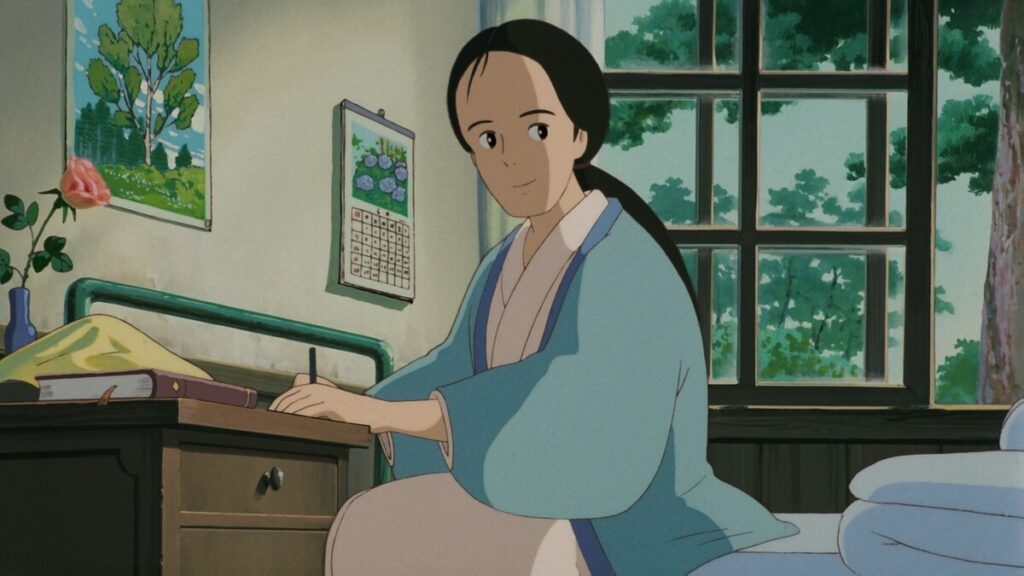
In the original concept, 'My Neighbor Totoro' was supposed to have only one girl, but in the end, the director created two, splitting the character and experiences of a little boy — Miyazaki himself. Mei is dreamy and naive; she is the first to meet Totoro. The heroine has no negative traits; she remains a child, as befits her age (four years old).
Satsuki, in turn, takes on household duties, remains calm, and mimics adult behavior, because while their mother is away, someone has to be in charge and take care of her sister. The character traits of the heroines reflect Miyazaki himself, who had to take responsibility but also maintain his inner child.
For the girls, Totoro is a glimmer of hope and peace that they lack in difficult times. Presumably, only the younger sister sees the forest spirit. Miracles appear when she falls asleep. First, in a hidden refuge in the forest, where she first meets Totoro, then while sleeping on Satsuki's back, and finally when she gets lost on the way to the hospital.
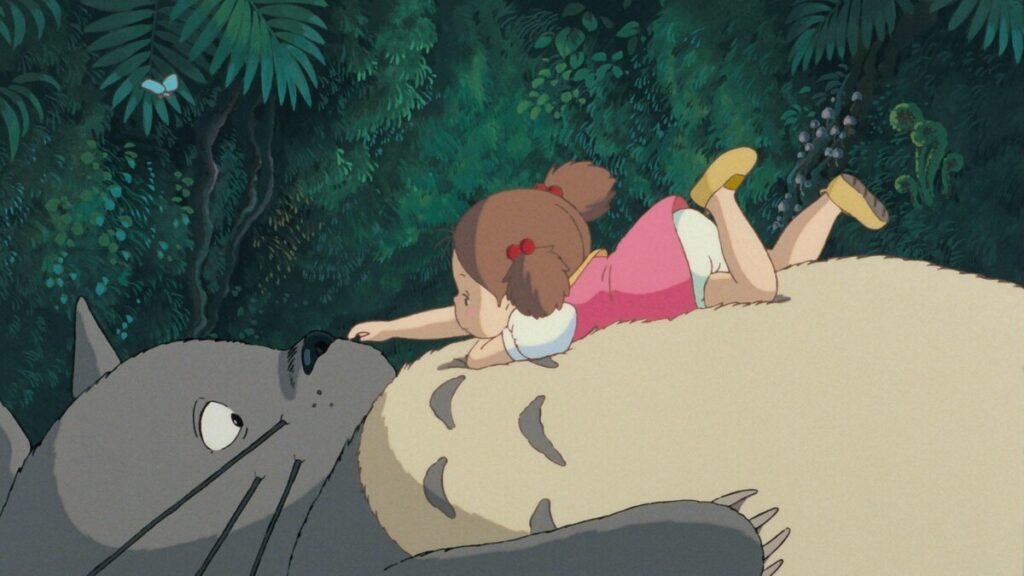
All the miracles that Mei sees happen in dreams. The heroine sees Catbus meeting her sister at the stop, and Satsuki being helped by forest spirits in the search, but this is only the imagination of a sleeping child. Note that all the magic happens precisely when Mei falls asleep and feels anxious. At these moments, 'real' creatures come to her, helping her calm down.
'My Neighbor Totoro' reflects Hayao Miyazaki's thoughts that children are not small and helpless. They can cope with worries, solve problems, and most importantly — dream and fantasize.
In addition to reflecting childhood experiences, the film also shows Miyazaki's characteristic concern for environmental issues. The author surrounds the world with spirits living in the forest. Nature exists by its own rules, like a living being.
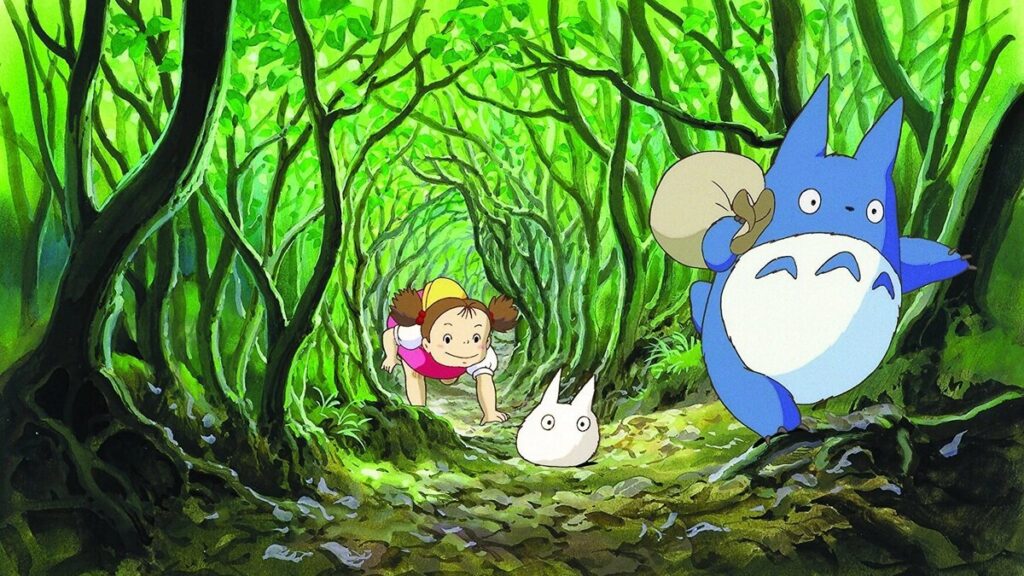
'My Neighbor Totoro' has become a classic of Japanese animation. The work, seemingly simple and light, harbors childhood experiences and mysterious theories, and skillfully combines innocence, magic, and beauty.
Comments
0No comments yet.
Sign in to join the discussion.