

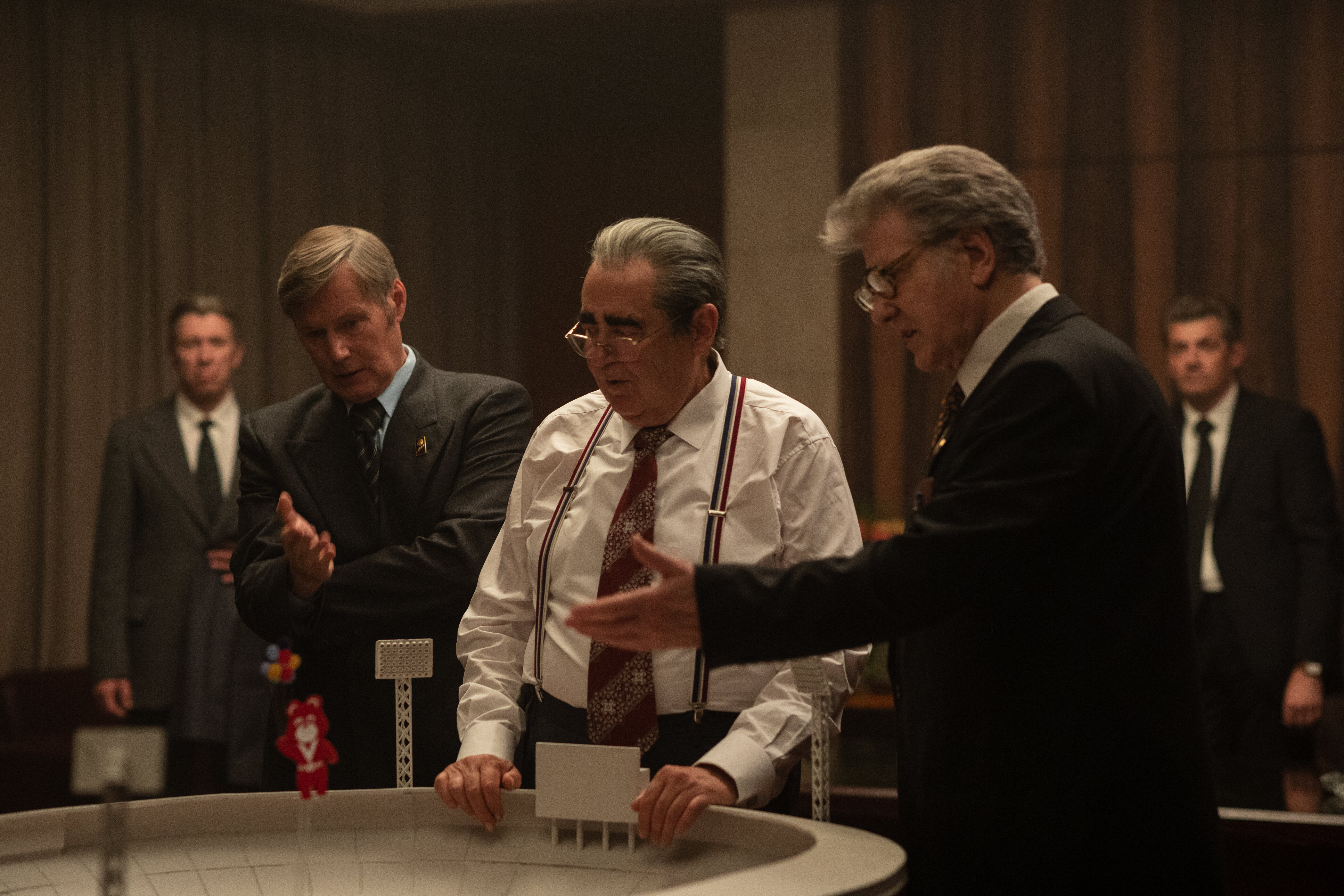
The premiere of the series 'Games' took place on Kinopoisk, showing the preparation process for the Olympic Games in Moscow in 1980. What the first episodes turned out like — in our review.
A young rake and son of the director of a trading base, Igor Zorin (Grigory Vernik), is searching for himself and hasn't yet decided on his future. Fearing that his son might move from petty hooliganism to more serious actions, his father () gets him a job at the Organizing Committee of the upcoming Olympic Games in Moscow under the supervision of the meticulous and efficient Irina Svetlova (Maria Karpova), who is strikingly reminiscent of Lyudmila Prokofievna from 'Office Romance'.
In theaters is a strong taiga eastern 'Rabies' — a film that successfully mixes a pedagogical poem with elements of Spielberg's 'Jaws' and King's 'Cujo'.
Open materialIgor is generally not particularly interested in working at such a high place, but he is curious and cheeky and wouldn't mind making new acquaintances. Especially since he has nothing to do at the moment. On his very first workday, Igor accidentally ends up at a reception with the General Secretary of the CPSU Central Committee, Leonid Brezhnev (), and then goes with him to Zavidovo for a hunt. Meanwhile, in party corridors, there is talk of canceling the Olympics due to the complicated international situation, and Afghanistan is increasingly mentioned in the news.
'Vampires of the Middle Strip' changed the lead actor during filming, and perhaps won popular love thanks to this decision.
Open material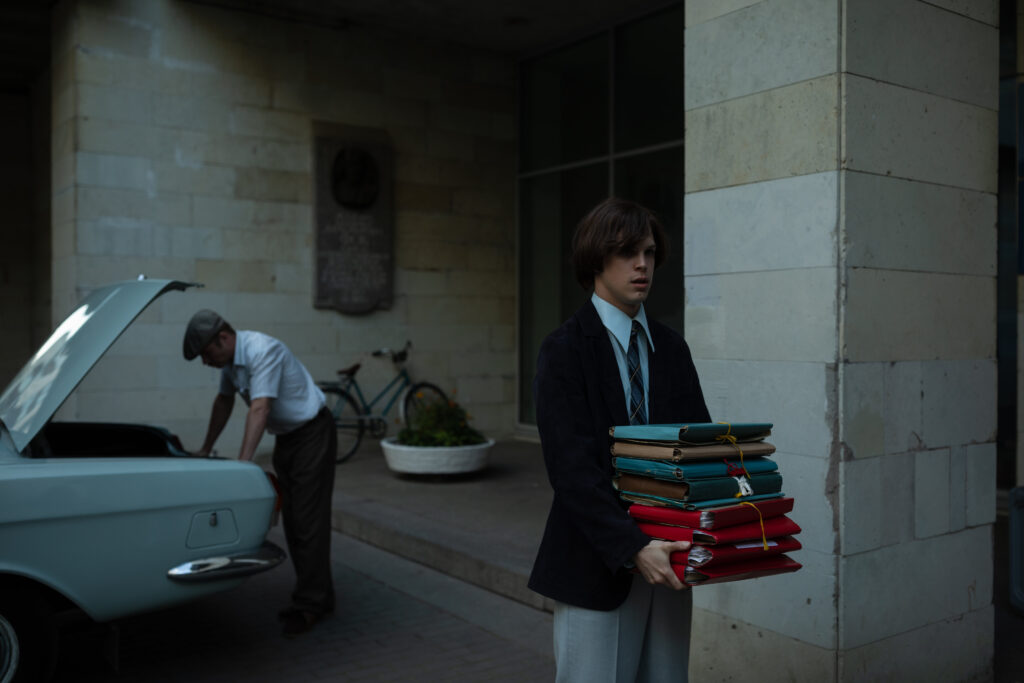
The aesthetics of Moscow, awaiting the main sports event in unison with the country, are painted by the project's director Yevgeny Stychkin with broad strokes, not shying away from small details like LiAZ buses or Soviet table clocks in transparent cases. You easily immerse yourself in the atmosphere of the series 'Games', accompanied by songs of Muslim Magomayev and the group 'Tsvety'. After the bright, poster-like exposition, the external joy and polished picture instantly change to a more mundane and rainy one: the acceptance of another Olympic facility is underway, which is flooded with rainwater due to a faulty drainage system. The head of the organizing committee (Igor Kostolevsky), standing in a puddle, shakes the foreman by the lapels. Western journalists walk nearby, the rest remain gloomily silent.
Starting with a display of Moscow streets and sun-drenched squares, Stychkin imperceptibly moves into the office life of the Olympics organizers and, while not particularly demonizing sports officials, tries to keep a distance from them. Kostolevsky's character (very reminiscent of Mikhail Suslov), for example, is shown here not as a 'man in a case', but as a quite sensitive, understanding boss who does not forget about people and that he himself is just a cog in the system.
Here he carefully seats his assistant Svetlova in the front seat of the official Volga because the heater is there and her feet are wet. Here he calms her down when she is shocked by the news of a possible cancellation of the Olympics and feeds her lunch. Overall, Kostolevsky, whose recent screen appearances can be counted on one hand, is so far one of the most memorable characters. He doesn't foam at the mouth, doesn't clutch his head, but tries to thoughtfully figure everything out.
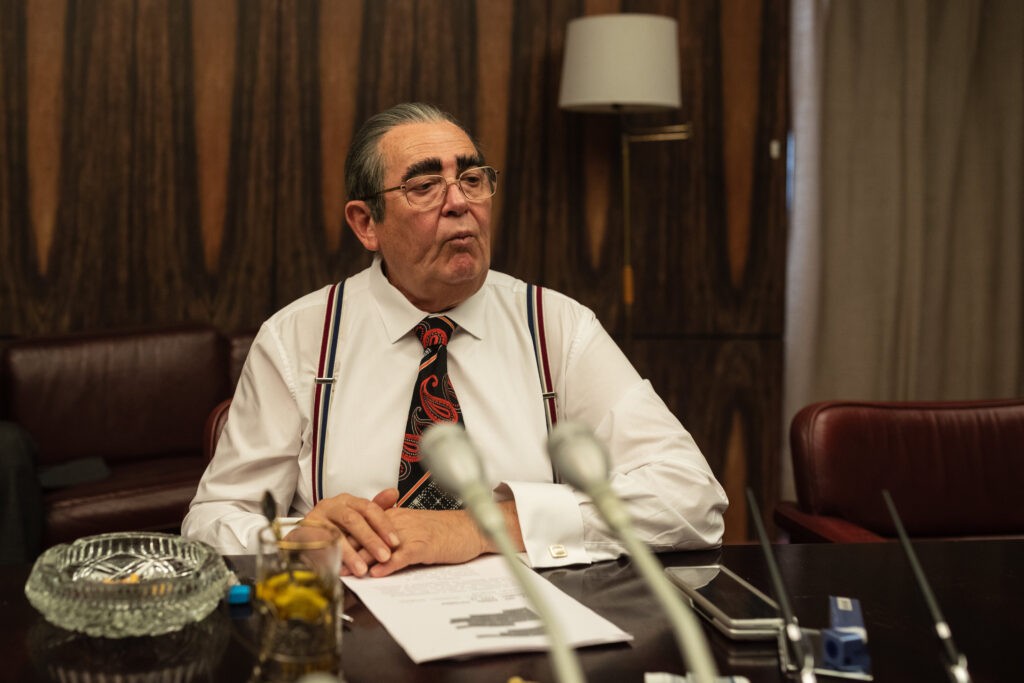
The appearance of the magnificent Yuri Stoyanov in the role of Leonid Ilyich Brezhnev in the scene where he cannot figure out the layout of the Olympic bear initially strongly resembles another filmed anecdote from 'Gorodok' (where Stoyanov has played Brezhnev more than once). But then it becomes clear that neither Stychkin, nor especially the on-screen Brezhnev, will work so crudely and artlessly.
All this lightness and some caricature is most likely just a trick, and closer to the finale, the intensity in the series will inevitably increase, as will attention to the key characters. At least, one hopes so, because 'Games', although it starts quite briskly, occasionally stumbles and sways from side to side along the way. In the first episodes, the creators seem to be still deciding who will become the main pillar of the story, so they frantically try to cram all the necessary volume into them: from Kremlin offices and future champions to Politburo meetings and pre-war Afghanistan.
As for the aesthetics of the USSR in the late 70s and early 80s, Yevgeny Stychkin made every effort to ensure that what is shown on screen differs little from the documentary footage that is deliberately placed side by side in editing for comparison. And the difference between them indeed turns out to be almost imperceptible. Here it is hard not to express admiration for the entire technical team of the 'Games' project, which recreated the entire atmosphere of Moscow in the 80s. Even more meticulously, Stychkin, who honed his skills on 'Patient Zero', recreated the ambiance of the organizing committee's work: Komsomol meetings and courtship of Soviet girls in furniture interiors and office labyrinths.
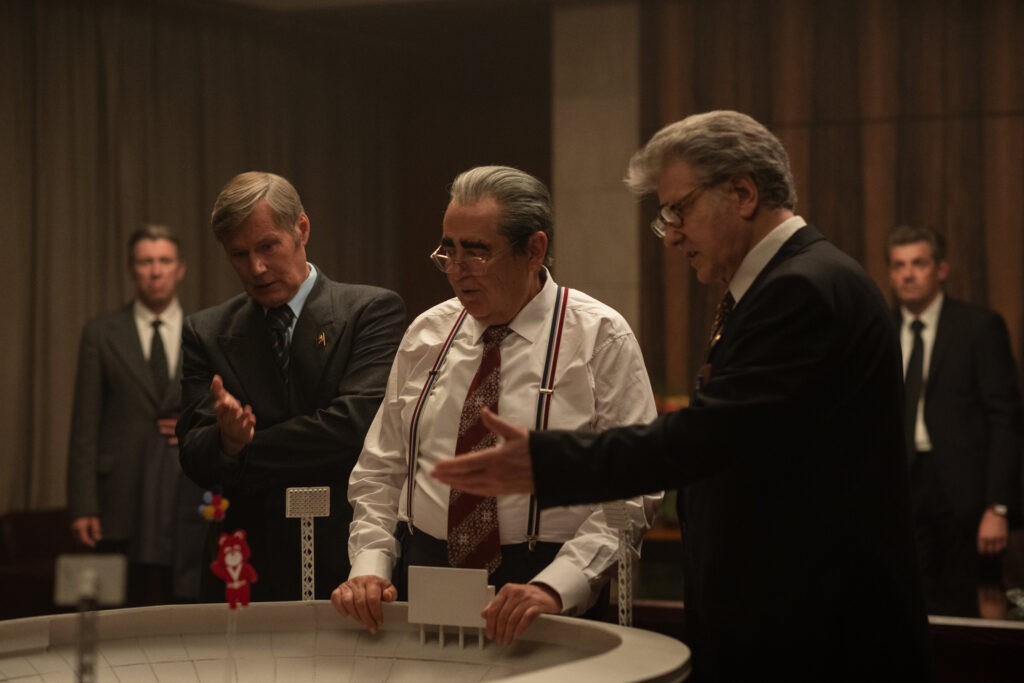
Everything that happens in the first episodes is more reminiscent of the series 'The Office' (with its signature camera zoom) or , but with somewhat different, more down-to-earth tasks. For example, making several copies of one document. But since there is only one copier in the building, access to it is only possible through a gallery of offices and a strictly measured sequence of signatures. Here Yevgeny Stychkin does not use a complex language of images, but depicts bureaucratic formalism as it is: it seems like they can't wait to go 'faster, higher, stronger', but so far they only manage to jump in place. Sometimes you just have to stand and wait in front of a closed door with the sign 'Accounting'. There is great hope, given the audience advance given to the 'Games' project, that by the finale such a thing will not happen to it and it will not become another sentimental sketch of a bygone era.
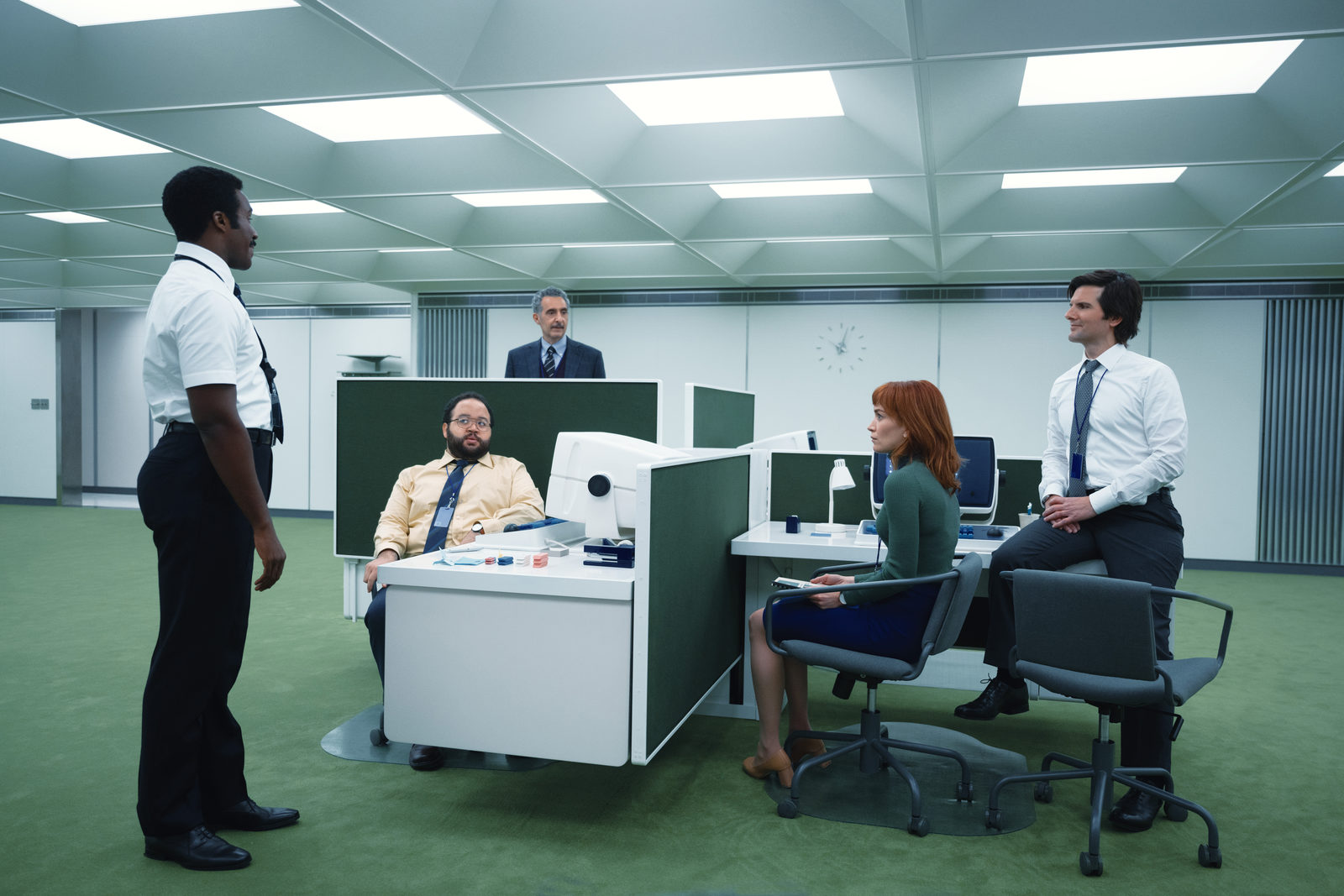
People fight burnout in different ways: some learn meditation, some take up sports, and some simply quit. But Apple TV showed that there is another way
Open material
Comments
0No comments yet.
Sign in to join the discussion.