
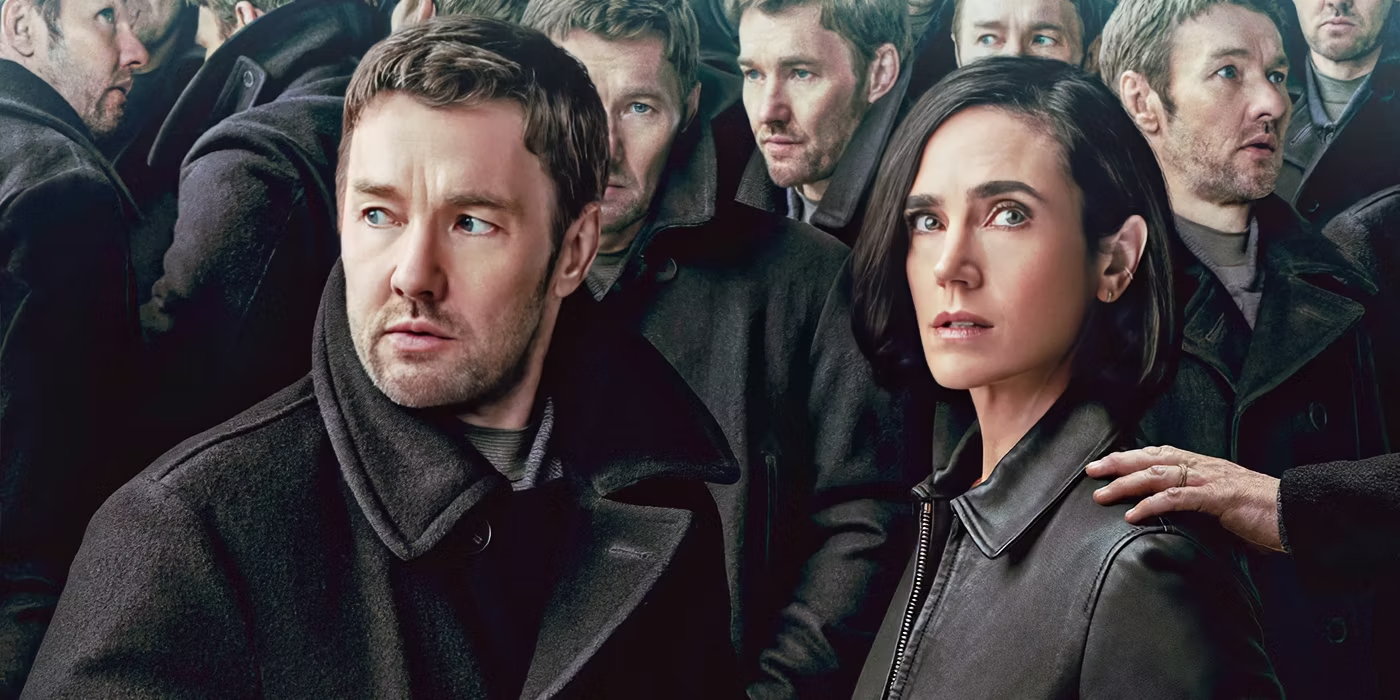
Apple TV+ continues to delight with intelligent sci-fi, releasing the series 'Dark Matter' about Joel Edgerton fighting Joel Edgertons for the right to live with Jennifer Connelly and simply be happy.
To understand what 'Dark Matter', the new sci-fi series from Apple TV+, is about, you need to know about the superposition theory and Schrödinger's cat. Just kidding. In fact, all the terminology and the multiverse concept are clearly explained in the first couple of episodes, so that later the focus can be on the main thing – the experiences of a single individual who, unlike others, gets to find out all the answers to the question 'What if...?'
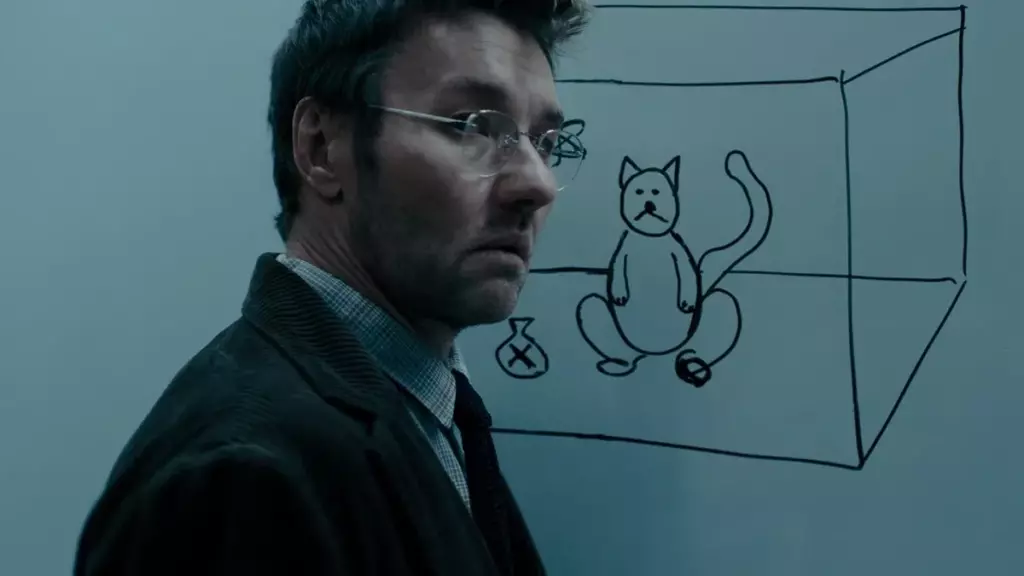
University professor Jason Dessen (Joel Edgerton) lectures on the works of Erwin Schrödinger, and in the evening over dinner with his beloved wife Daniela (Jennifer Connelly), he envies the scientific successes of his friend (Jimmy Simpson), whose place he wishes he could be in.
After a party celebrating his friend's latest prestigious award, Jason heads home, but on the way he is attacked by a masked stranger. The man takes him away, speaks in riddles, then takes his wedding ring and shoves Edgerton's character into a huge concrete 'box'.
Emerging from it, Jason finds himself in a parallel reality where he is a distinguished scientist, award winner, and co-founder of a major company. But this is not his life, and Daniela here is not his wife. So Jason tries everything possible to return to his world.

The multiverse has become a frequent guest on big and small screens in recent years, from the final parts of 'The Avengers' to Sony's animated masterpieces about Spider-Man or the superhit . As a rule, this diversity of worlds and multiplied heroes invariably leads to something grand and extraordinary – if not to questions of saving humanity, then to sausage fingers.
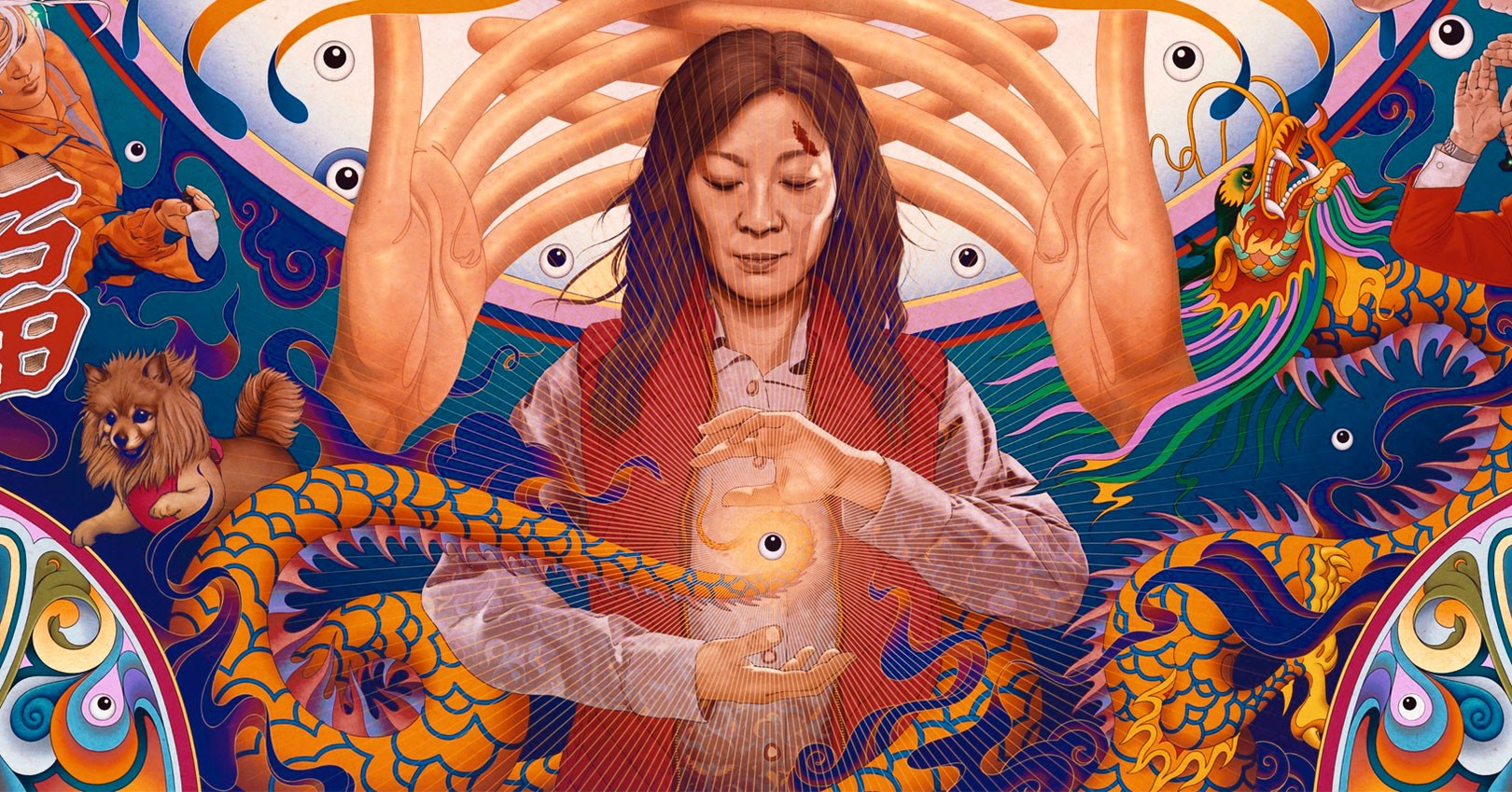
Studio A24 released a new sci-fi comedy 'Everything Everywhere All at Once' about family, the meaning of life, and the multiverse at the beginning of the month. Almost immediately after its release, it became known that the comp
Open material'Dark Matter', based on the novel by Blake Crouch and adapted by him for the series format, takes a different path. First, the conflict here is maximally local, essentially affecting one person, and only tangentially his family. And to top it off, the series tries to rely on science and real theories to justify the sci in the genre name it belongs to. There are still many conventions, the principles by which parallel worlds work are written with the left foot, but there are no outright fantasies with talking stones here.

These decisions have an obvious plus: the viewer fully gets to know the main character and, together with him, reflects on missed opportunities and the fact that no matter what choice you make, you will always lack something. At the same time, the series can also be seen as a non-vulgar love story, because Edgerton's character could have chosen the easy path dozens of times, preferring a successful career and the ability to travel between worlds over his beloved, so imperfect, ordinary, but dear.
On the other side of the scale are those very missed opportunities, thoughts of which regularly visit the characters. 'Dark Matter' could have been larger-scale, more spectacular, more dynamic. Instead of various cartoonish post-apocalyptic worlds (it seems the same visual assets were actually used), there could have been much brighter and more diverse worlds. Edgerton's adventures could have been more unpredictable – even in the much more modest in scope and compressed in runtime 'The Butterfly Effect', different realities were much more unexpected. Funnily enough, Jason from different worlds never even has a hairstyle different from the 'original'.
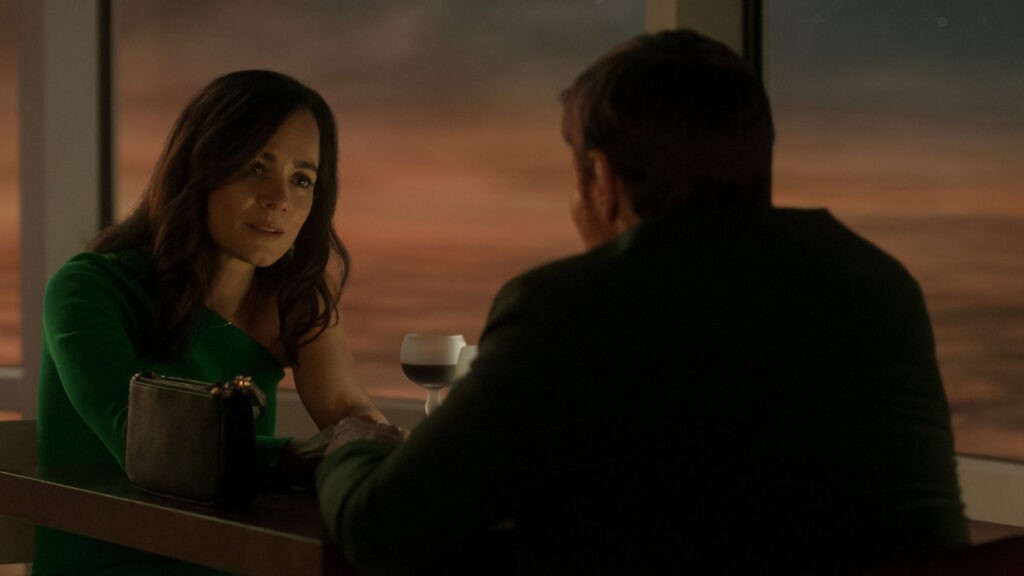
The creators were not particularly interested in other characters either, except for variations of Joel Edgerton's character. Connelly here plays the role of a trophy wife, Alice Braga, who for most of the time is the main character's companion, acts more as a listener to his reflections than a full-fledged actor in the story. And some characters appear so unexpectedly and also disappear from the radar just as unexpectedly that it is not entirely clear why they were introduced into the plot at all.
These reflections fit perfectly into the framework of the 'Dark Matter' concept – all this is the creators' choice, not without mistakes. They decided to make a melancholic and personal story, rather than developing the scale of events. It turned out touching and original, though not too engaging as it could have been. But who said that parallel reality must necessarily be more interesting?
Trailer:
Comments
0No comments yet.
Sign in to join the discussion.