
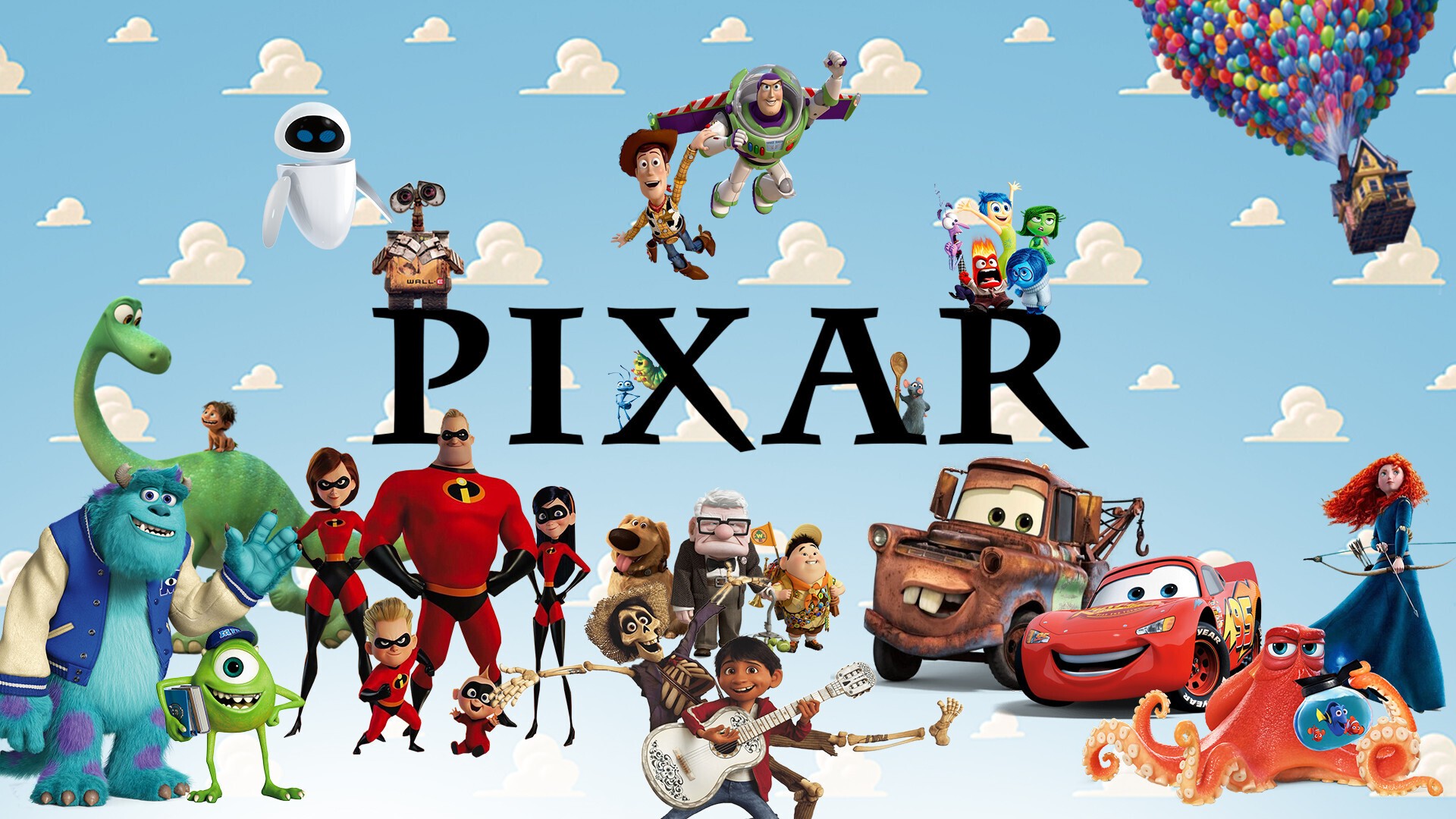
While everyone's beloved Pixar shows the inside of puberty in theaters, we'll take a look inside the studio itself and try to figure out: is Pixar a cake or not?
For millennials, Pixar is... We are used to their cartoons turning our ideas about computer graphics, plot, the future, and even the structure of the brain upside down. However, no matter how much we romanticize the universe of the 'jumping lamp company,' it is currently going through hard times. Or am I wrong?
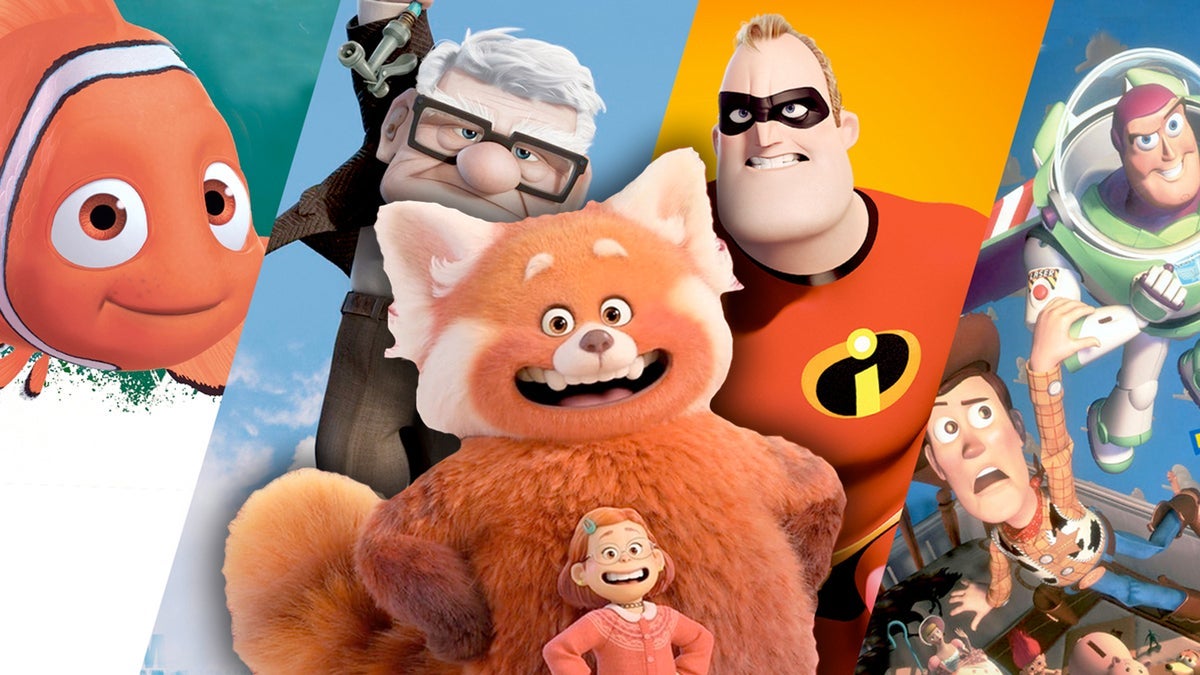
Pixar is a real factory for producing touching, funny, and instructive masterpieces. Each new work of the studio attracts the deserved attention of millions of viewers. But
Open material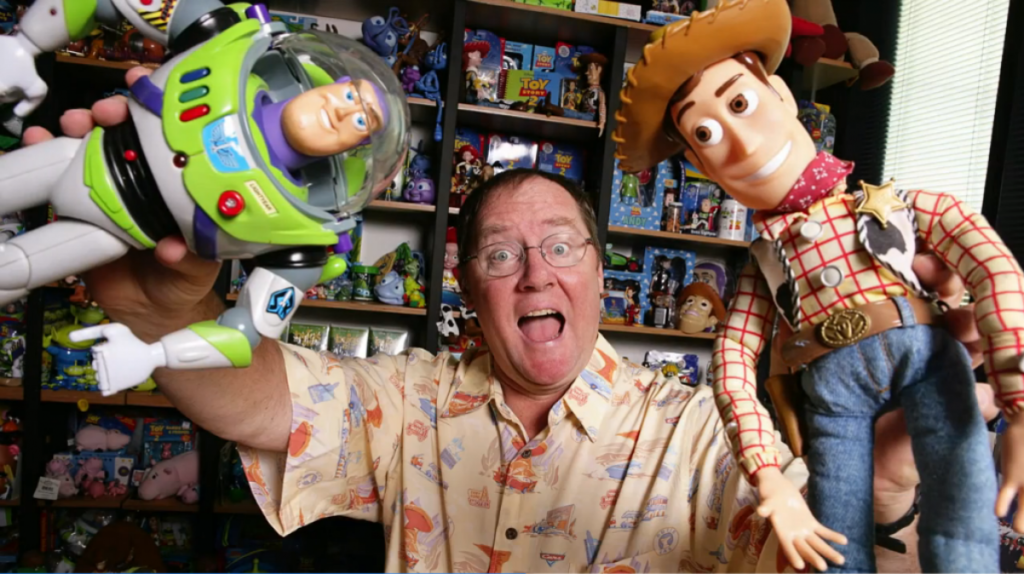
Let's Start at the Beginning
Unlike Grandpa Disney, who now owns the subject of our article, Pixar is a young studio. They have a super cute timeline, by the way.
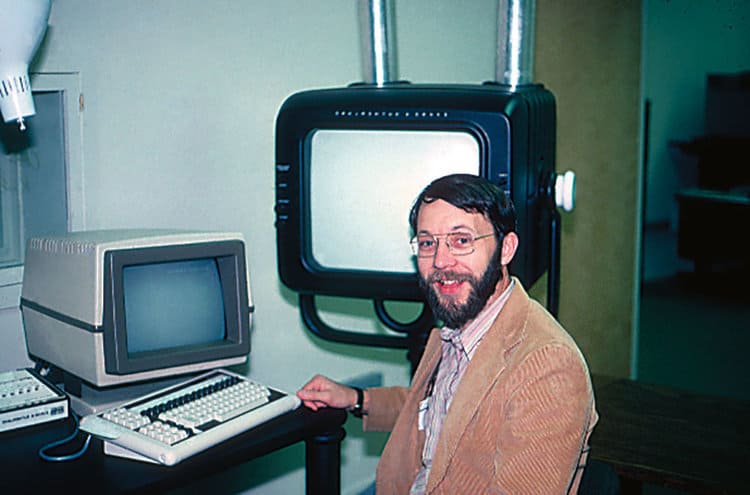
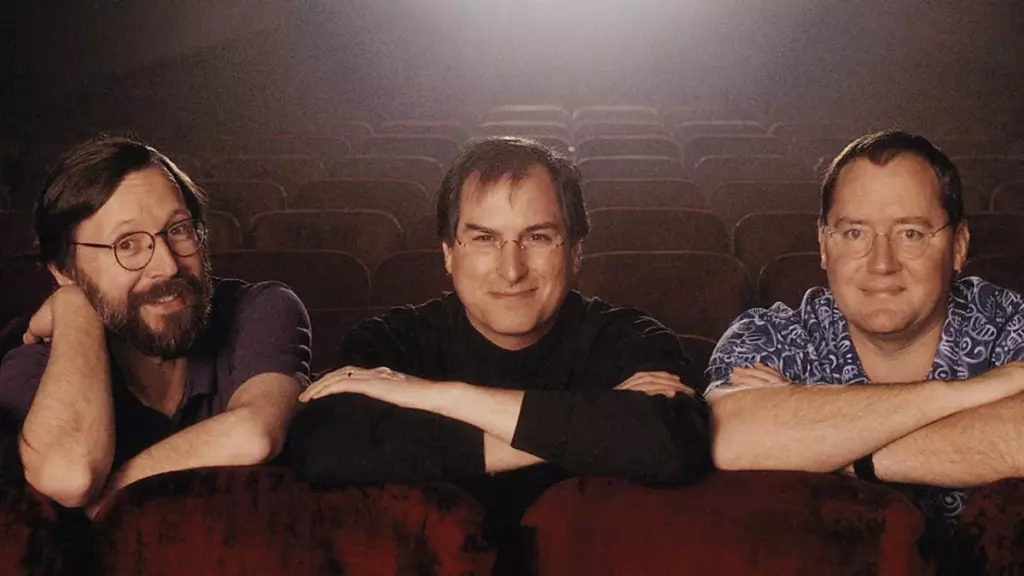
Today it's hard to imagine, but in the early 80s, computer graphics did not exist. Therefore, animation consisted of frame-by-frame and puppet/clay animation. This became a problem for a fan of space adventures – George Lucas, who understood that the future of visual art was buried somewhere under microchips. It was on his initiative that in 1979, a computer technology department opened under the roof of Lucasfilm. At that time, a small team led by Ed Catmull was developing and creating software that could be used to create three-dimensional models, and Ed himself only dreamed of animation. But not for long.
In 1983, he invites John Lasseter – a young but talented animator who had already worked at Disney, as an interface designer. Using Catmull's developments, Lasseter creates the world's first cartoon made with computer graphics – 'The Adventures of André and Wally B.' Thus begins the animation revolution!
What's the Revolution?
Frame-by-frame animation is a technology where minimal changes occur from frame to frame, thereby creating the illusion of movement. It is also called 2D animation because the image resembles a painting.
Computer animation is the generation of space and objects within it. The presence of three-dimensional space allows for more realistic camera fly-throughs and complex, natural lighting. This makes animation deeper, bringing it closer to films. There is more freedom and, frankly, epicness. Moreover, the level of detail of objects is not that important. With proper use of technology, even simple animation will look advantageous. Take, for example, Apple's.
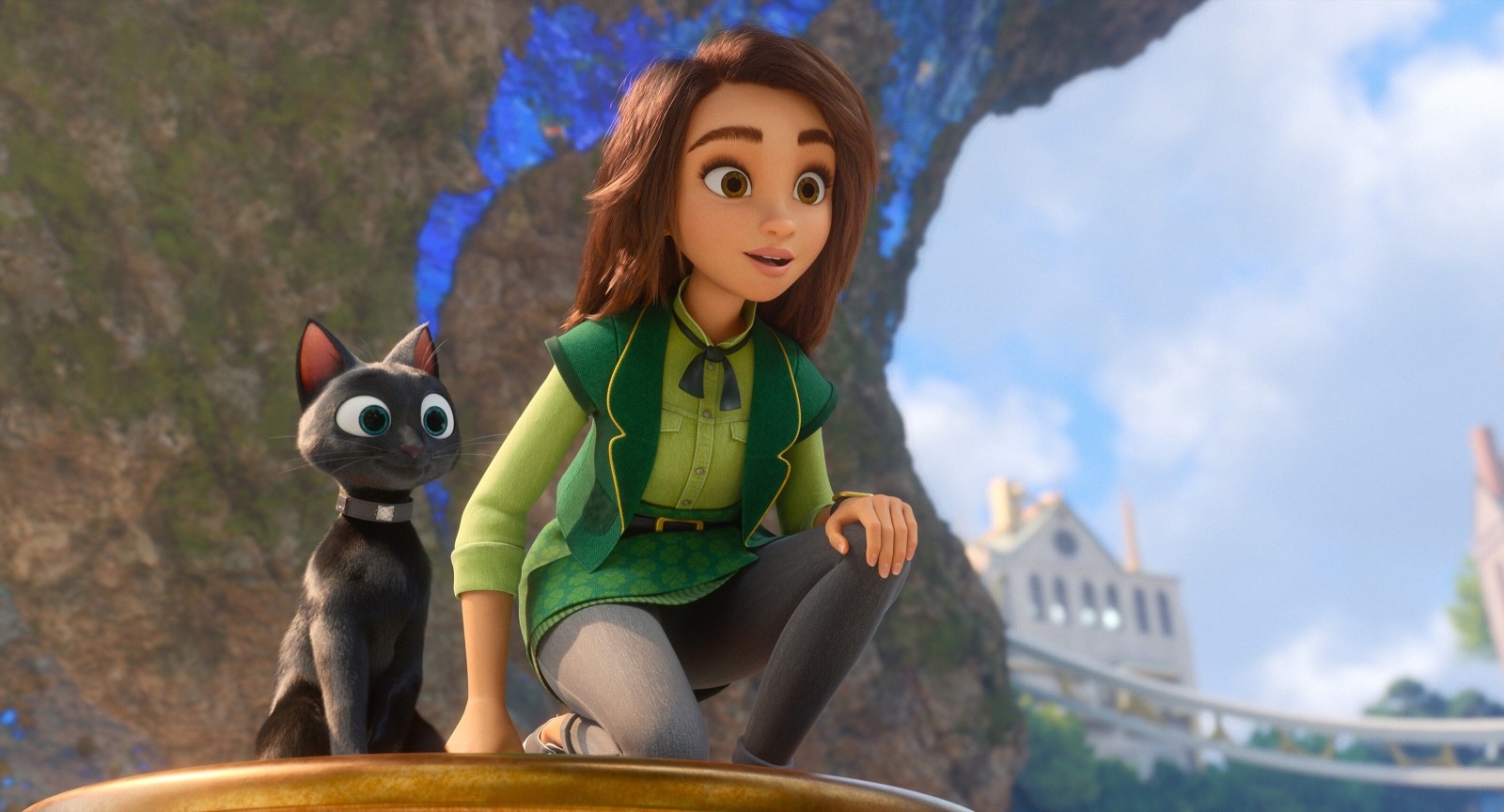
Leprechauns, a talking black cat, and a girl suffering from bad luck — no, this is not another reboot of 'Sabrina the Teenage Witch.' This is Apple TV's animated debut titled
Open material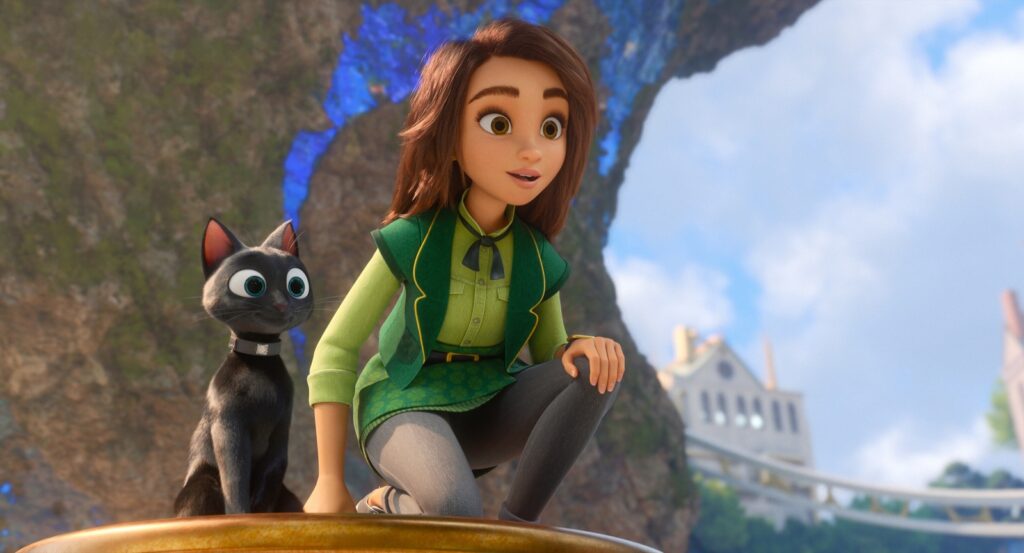
This method is still very expensive. Indie cartoons and animated series prefer frame-by-frame animation and resort to computer animation in rare cases (for example, flyovers of locations in 'Disenchantment').
Puppet animation was already well developed by the time computer animation appeared and also had the ability to move in space. But, as time has shown, computer animation won out in ease of use, production costs, and greater capabilities.
Revolution is an Expensive Business
All the technical processes of Catmull and Lasseter cost Lucasfilm a pretty penny, so George Lucas decided to sell the developments and the department to another computer enthusiast – Steve Jobs. The deal took place in 1986, and the company Pixar was registered at the same time. And although Jobs himself said that if he had known what it would cost him to keep the studio, he would never have bought it, so I (typing this text on a Macbook) thank Uncle Steve from the bottom of my heart.
By the way, the name Pixar itself came from combining the words 'pixel' and 'pintar' (Spanish for 'to paint').
Catmull and Lasseter were the real heroes. To somehow recoup the cost of technology production, Pixar made commercial advertisements for major brands. This terribly depressed the two dreamers, but they continued to move towards artistic animation. In the year the company was founded, John's directorial debut – 'Luxo Jr.' – was released. The cartoon was nominated for an Oscar, and we all know the main character very well – he became the face of the studio and the hero of many years of parodies. By the way, Luxo was not chosen by chance. Working with light is one of the significant skills (and one of the main technical achievements) of Pixar. Thanks to the created software, it was possible to generate the movement of light as naturally as possible, and the easiest way to do this was with a living lamp!
During the transition of the studio from Lucas's hands to Jobs's, important specialists joined Pixar: Andrew Stanton – a talented animator who was rejected three times by Disney (he would later create and direct 'Finding Nemo' and 'WALL-E'), and Pete Docter – a natural talent recommended to Lasseter by his former professor at the University of California (Docter's imagination gave us 'Monsters, Inc.' and 'Soul'). The new lineup further inspired Catmull to develop future cartoons.
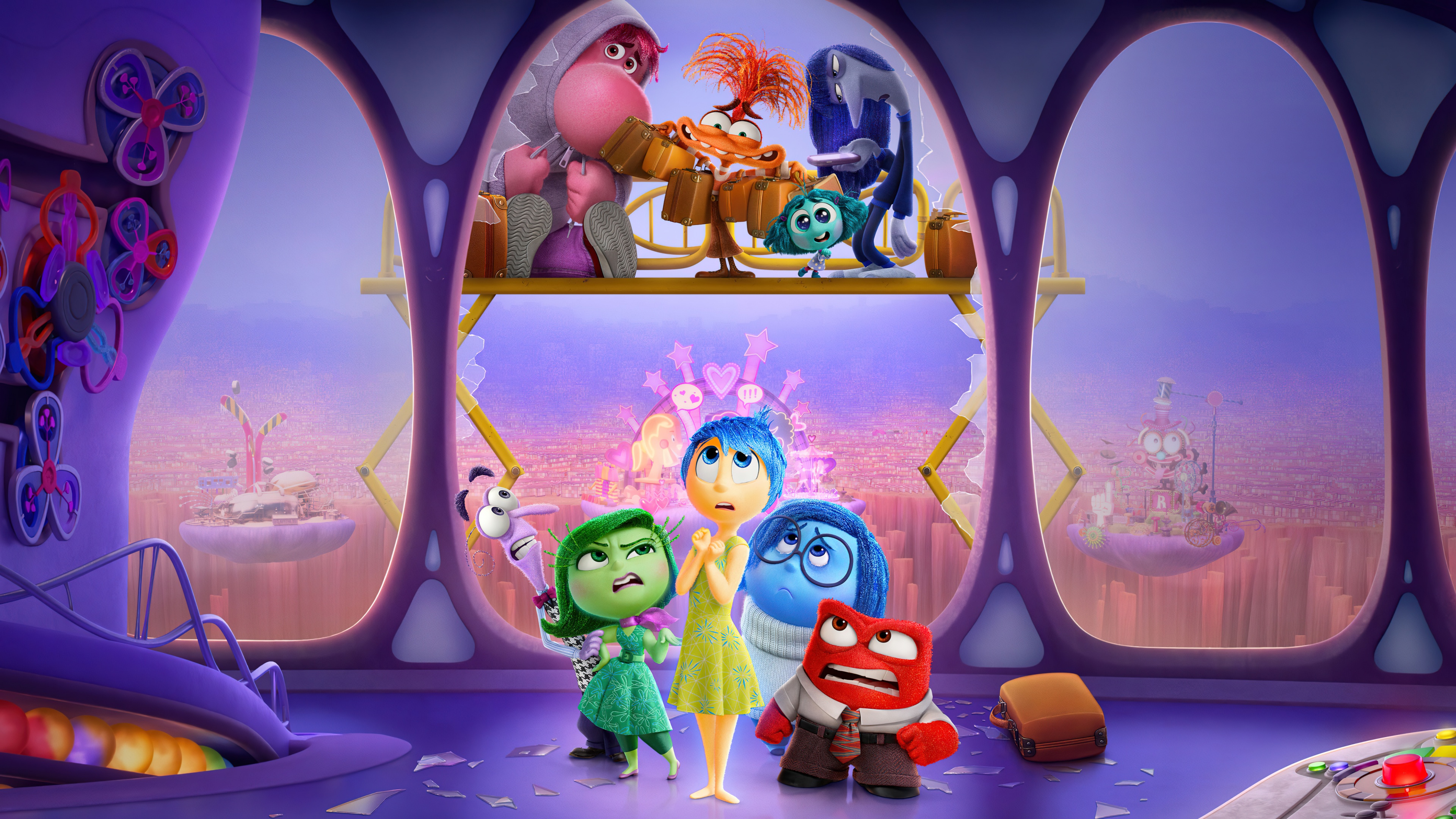
One of the most anticipated cartoons of the year, 'Inside Out 2' from the legendary Pixar studio, has been released worldwide. How interesting is it to follow Riley's expanded range of emotions and
Open material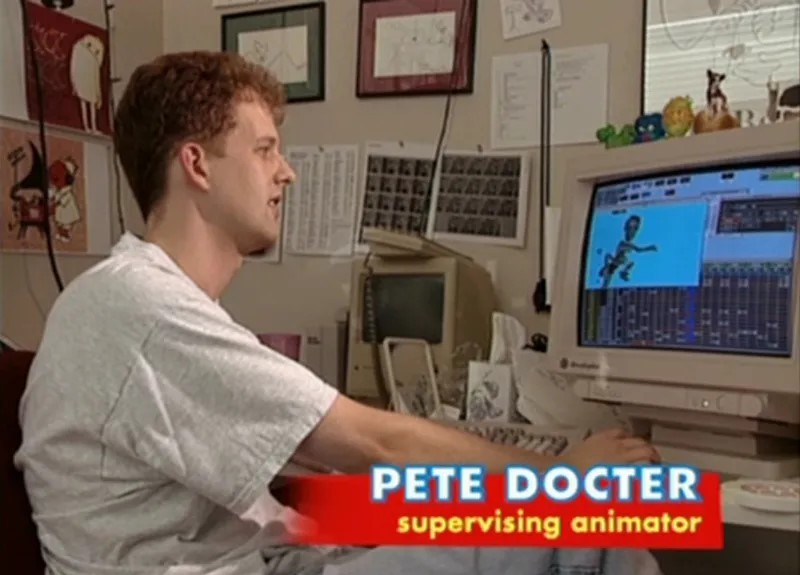
In parallel with creating animation, Pixar continued working on what they were created for – developing programs for creating 3D objects. Thus, RenderMan was born – it allowed generating textures on models. The program became very popular and brought profit. However, the studio itself was still a loss-making enterprise. Developing hardware is costly. And to continue creating artistic films, the company had to sign a contract with the Devil with the Mouse.
Pixar and Disney
The Pixar duo repeatedly proposed creating a joint project with Disney. But for such a giant, Pixar was tiny, so the 'Mickey Mouse corporation' saw no point in collaboration. Everything changed after the 1988 Academy Awards – then 'Tin Toy' won the Oscar for Best Animated Short Film, and Disney agreed to cooperate, but on extremely uncomfortable terms. The whole story looked like a titan suppressing a fledgling company. Under the contract, Pixar was to create five films over 10 years, and Disney would receive 80% of the revenue and approve all ideas. In return, the 'Mouse House' covered all costs and handled advertising and distribution.
In 1992, Steve Jobs' studio began work on its first feature-length project, and in 1995, one of the best (and one of my personal favorites) cartoons was released – 'Toy Story.' The world would never be the same. Pixar finally became a profitable company. Stocks grew in direct proportion to audience love, and in its release year, 'Toy Story' became the highest-grossing film and won three Oscars.
In parallel with animation achievements, profits from RenderMan also grew. It would seem, 'Hooray!' and 'Hallelujah!', but how then did Pixar become part of Disney? It's all about the 'Apple of discord,' or rather, Apple. They absorbed another of Jobs' ventures, NeXT, and returned Steve to the position of CEO, and in 2006, Steve sold Pixar to Disney. It's harder to say how the 'jumping lamp company' is doing financially under Disney. After the acquisition, the 'Mouse Corporation' does not share data on specific assets.
The Ant Wars
Before the acquisition, Pixar created the charming 'A Bug's Life' for Disney – 'Flik's Adventures.' The work became a kind of gauntlet thrown in the face. At least, that's how DreamWorks perceived the announcement of this project. The 'Shrek studio' and Disney have their own history: DW co-founder Jeffrey Katzenberg was the head of Walt Disney Motion Pictures Group (he, by the way, was the initiator of the collaboration between Disney and Pixar), but due to internal wars, he was fired.
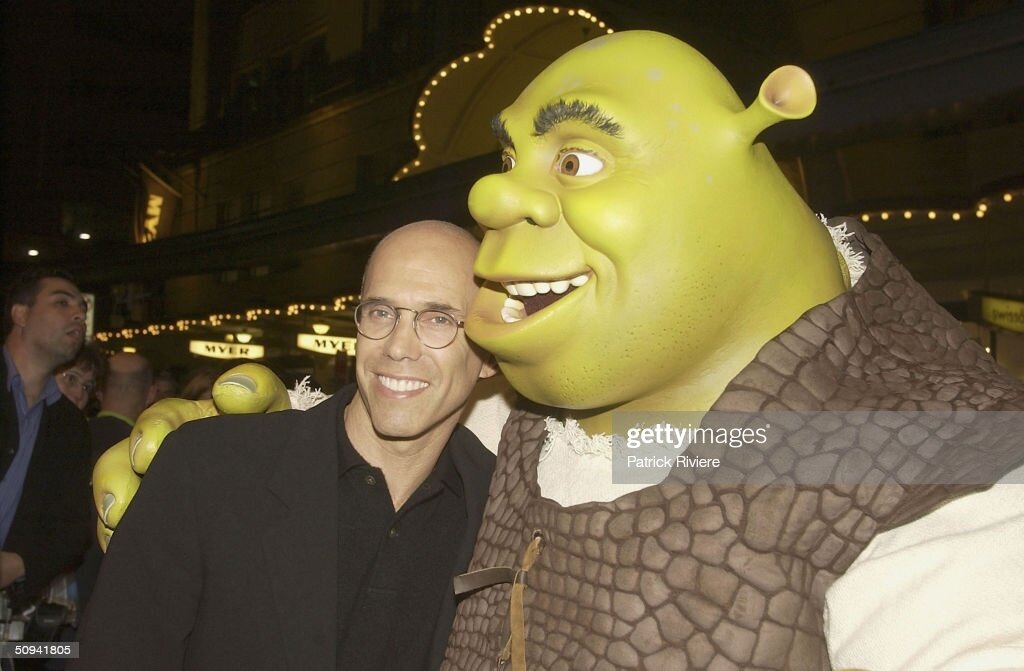
Back in the early 90s, Disney discussed the concept of creating a cartoon where ants would live their wonderful ant lives. This idea was taken away by the father of 'Dreams,' who decided to make the cartoon 'Antz' the first project of the fresh studio.
Different sources give different sequences of events:
Disney's Version
Disney's own chronicle states that bugs were chosen by Lasseter because of the simplicity of drawing them with computer animation. Like dolls, bugs do not need small details and textures, so they are easy to implement. And upon learning that a similar story was already being prepared by Katzenberg, Pixar was offended and outraged.
DreamWorks' Version
According to DreamWorks' legend, the 'Mouse Company' learned that new competitors were developing the cartoon 'The Road to El Dorado,' the concept of which completely replicated 'The Emperor's New Groove,' and therefore commissioned Pixar to develop 'A Bug's Life.'
How true these versions are is not known for certain. But we know that all four cartoons flopped at the box office. In animation history, Pixar's project is remembered not so much for its plot or graphics, but for its opening short – the story of a lonely old chess player, which became the directorial debut of Jan Pinkava. The short became the studio's first work where the main (and only) character was a human.
The history of the 'Best Animated Short Film' category in 10 Oscar winners from different decades: from cozy drawn Disney cartoons and anti-war animation to high-quality au
Open material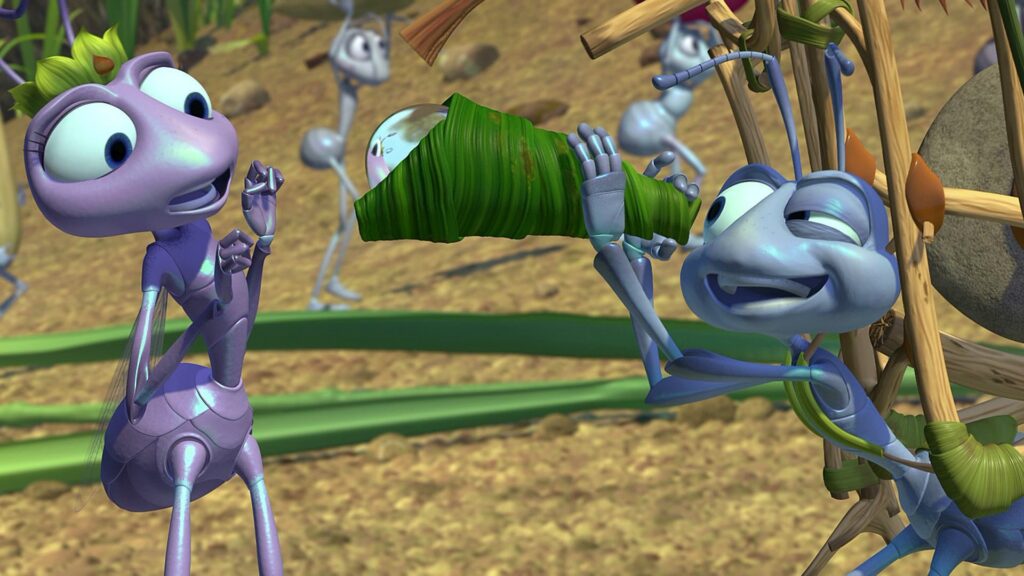
Shedding Light on the Mouse's Life
Today it's hard to imagine Pixar and Disney without each other, but once upon a time they were different companies in vibe. had a name and weight in the animation industry. In the late 70s, the studio produced projects that were nominated for Oscars one after another. Riding the wave of success, management decided to rejuvenate the team. The change in composition greatly changed the mood inside the company as a whole. The new animators did not accept the outdated view of technical solutions and story creation. Many of the hired specialists left Disney and scattered – to Warner Bros., to Ghibli, to film. Some of the fugitives would return later, but they would join Pixar (I will mention some later).
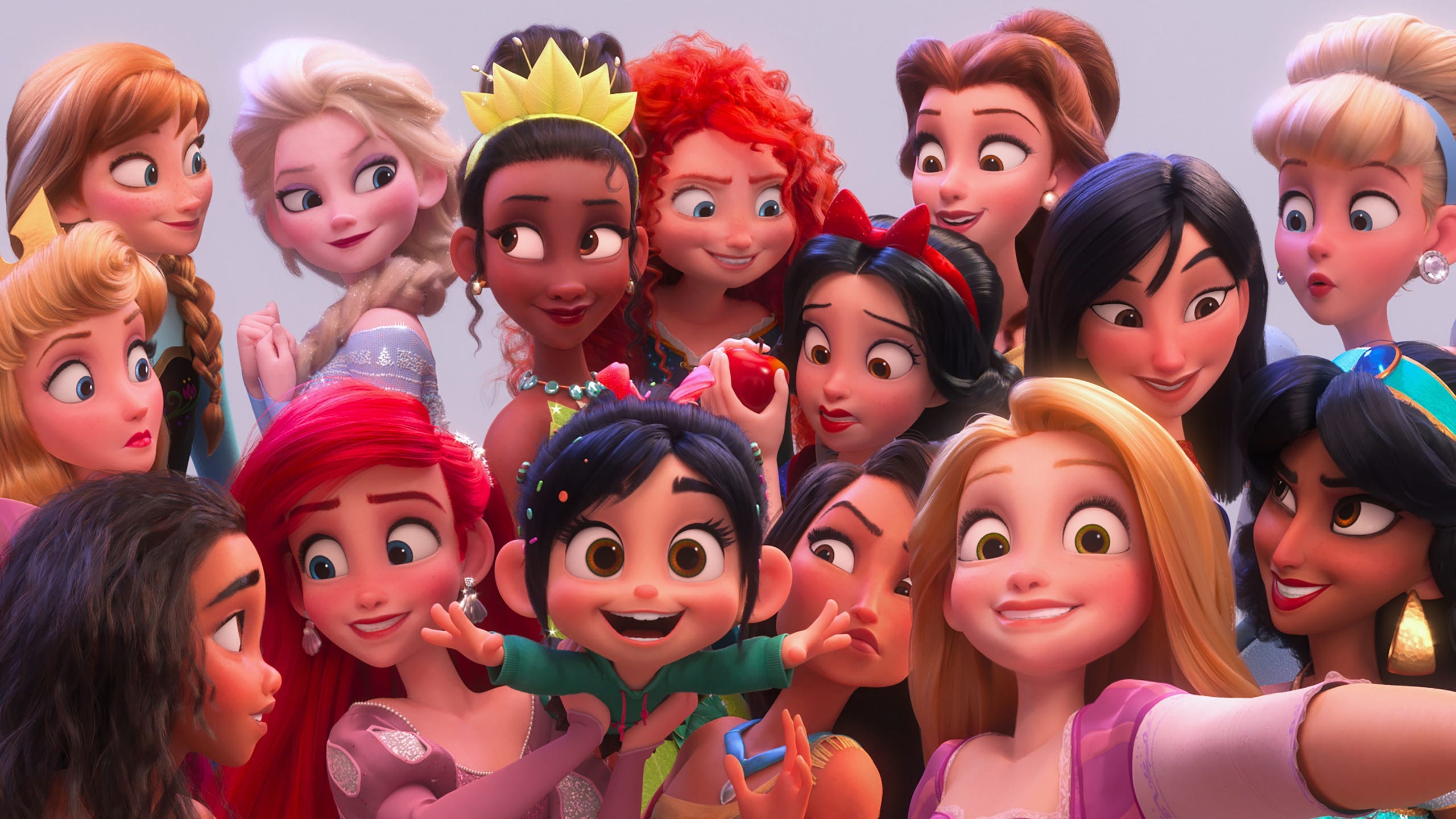
The 90s became a golden decade for the company – 'The Little Mermaid,' 'The Lion King,' 'Tarzan.' Even Katzenberg's departure in 1994 did not affect the studio (though it would in the 2000s, but that's another story). The contract with Pixar seemed more like suppressing a competitor at the root, but 1995 and the success of 'Toy Story' changed that opinion. Inspired by computer animation, Disney launched two of its own projects: 'Atlantis: The Lost Empire' and 'Treasure Planet.' Both projects combined frame-by-frame animation, in which Disney had no equal, and new computer technologies.
The films were very expensive, and both bombed at the box office, which cooled Disney Animation Studios' love for new technologies and brought the company to the brink of bankruptcy. Budgets had to be cut, and the result was the mediocre cartoons of the early 2000s (by the way, Pixar and... 'Pirates of the Caribbean' helped the studio out of such a massive crisis! But that's another story).
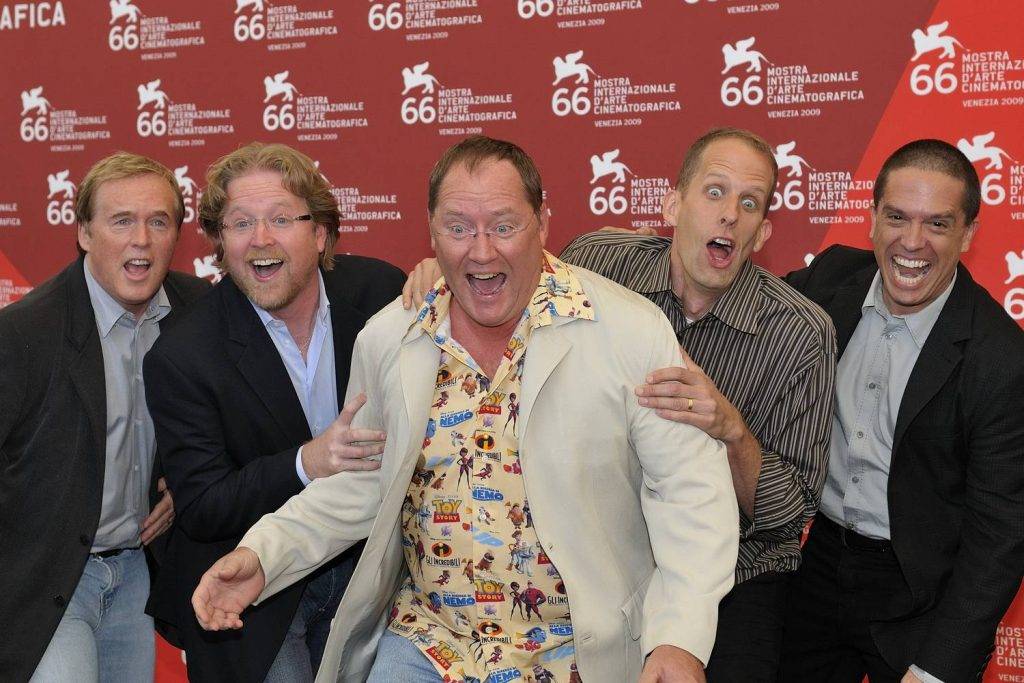
Fortunately for Disney, Steve Jobs faced financial difficulties and the absorption of NeXT by Apple, so the 'Mouse Corporation' became the full owner of Pixar's new technologies. Ed Catmull becomes president of the studio, and John Lasseter, in search of new ideas for projects, successfully meets his old friend – Brad Bird, with whom he once worked at Disney (he was among those fugitives). They discuss the concepts of 'The Incredibles' and 'Ratatouille,' and these projects would later prove very successful. 'The Incredibles' was released in 2004 and instantly won the hearts of audiences, as well as several awards, including the Oscar for Best Animated Feature. 'Ratatouille' followed the same path in 2007: also receiving positive reviews and numerous awards, including the Oscar for Best Animated Feature.
A113 and Other Features of Pixar Studio
You'll agree, there's something about Pixar that drives us crazy. Let's figure it out.
Indeed, their approach to creating projects is very appealing to the viewer.
First, Pixar cartoons are never parodic (except maybe of themselves, haha). The plot is based either on an original story ('Finding Nemo,' 'Inside Out'), or an epic or cultural phenomenon ('Brave,' ), or a literary or film work ('The Incredibles,' 'A Bug's Life'). Or someone's stolen story (hello, 'Up' and Syenduk).
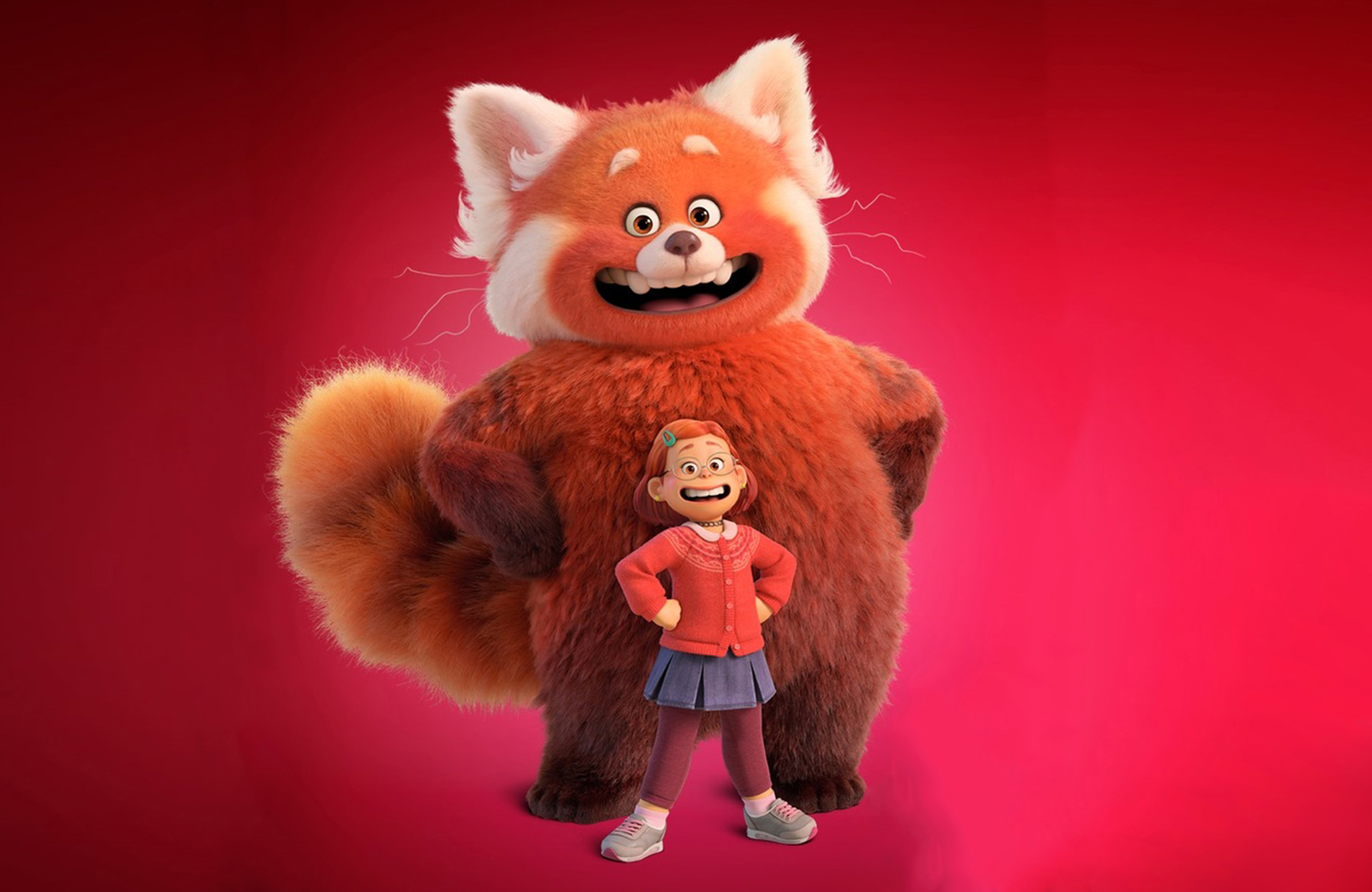
Pixar is no longer just a studio name, but a brand that never disappoints. In March of this year, their new film 'Turning Red' was released, clearly claiming to be the number one guide
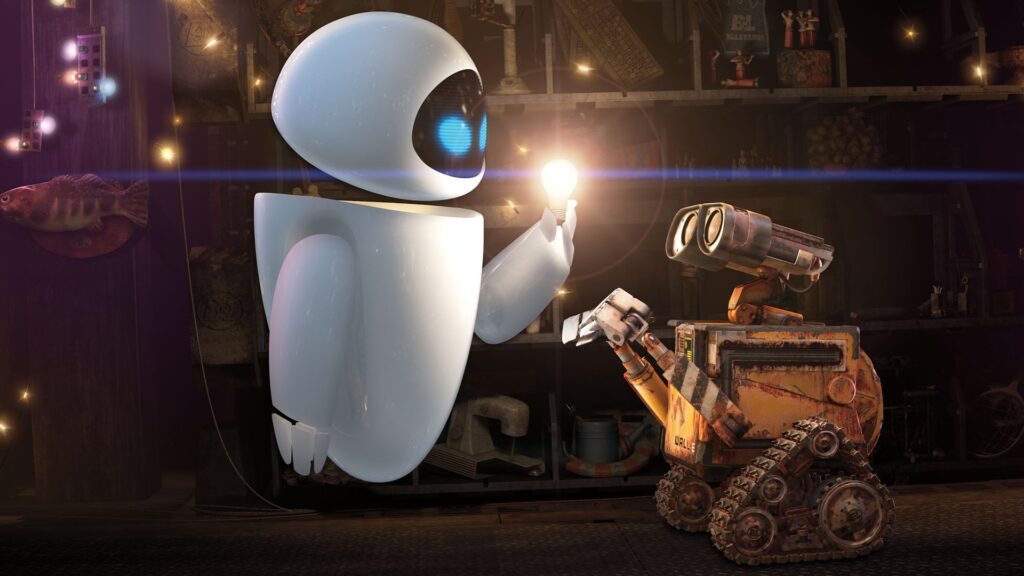
Open materialPixar has no task of ironizing modern reality, but that doesn't mean their cartoons lack references. On the contrary, there are quite a lot of them. However, they work more as allusions and homages, allowing the adult viewer to catch the image and add meaning to the story being told. For example, noticing a reference in 'WALL-E' to Stanley Kubrick's '2001: A Space Odyssey' or John Badham's 'Short Circuit' allows you to reflect on what you've seen in a new way.
Second, the clash of worlds. We've talked a lot today about Pixar's acquisition by Disney, but generally, both Catmull and Lasseter were always big fans of the studio and learned a lot from it. Including creating touching stories through the difference between the main characters. Of course, there is always a main character (e.g., Sheriff Woody), but he never exists alone. For every Woody, there is a Buzz, and the viewer chooses whose side their empathy is on.
The clash of two worlds generates ambiguity and depth in Pixar's plots: Joy, who gets to know and accept Sadness; a shaggy working man who realizes his enemies are friends when he meets little Boo; a successful rich kid who can appreciate the importance of the moment by breaking down in a forgotten village. Just listing these stories in the text makes me feel warm and cozy inside.
Third, I think many of you have seen numerous analyses (for example, from Cut The Crap) about how all Pixar cartoons are connected into one amazing universe through recurring details. For example, in absolutely all cartoons, you can notice the combination A113 — the number of a classroom at the University of California's animation department. This place is notable not only because it was founded by Walt Disney, but also because the lion's share of Pixar animators are graduates of this very institution (including John Lasseter).
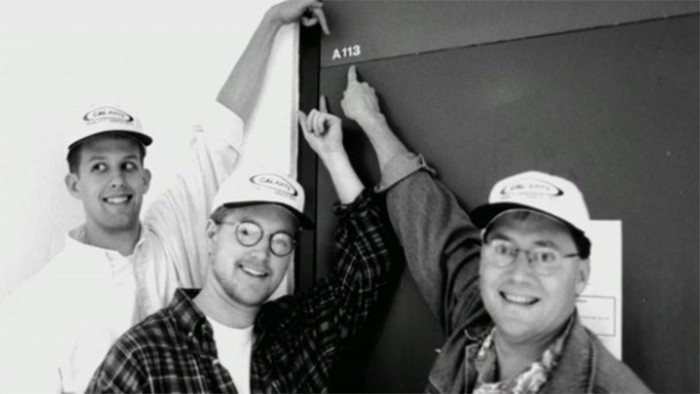
Such references have no additional meaning for the plot, but, as they say, the Devil is in the details (or in Pixar's case, the lamp is in the details?). This deep approach to insignificant elements is a kind of soil for fan love — a popular technique of Easter eggs that migrated to cinema from the game industry. The more you give the viewer, the longer they will stay with you, right?
And finally, fourth, Pixar stands out among competitors for what it was created for — technical innovations. Almost every studio project is a challenge to existing animation with the question: 'What else can we animate?'
Can we show rain? We can! — The key scene in 'A Bug's Life' takes place during a downpour.
Can we fill the space with dust? Of course! — For 'WALL-E,' special software was created that could generate and render air filled with dust fog.
Can we make light textures move naturally in the wind? Certainly! — The natural mechanics of hair in 'Brave' — here you go, sign for it.
So how can you not love Pixar after all this?
Sequels, We Need More Sequels!
Let's be honest, all this splendor couldn't last forever, right? At least that's what the company itself decided. The pandemic and the development of streaming services negatively affected the studio's earnings. Disney decided to develop series (because they are watched more often on streaming services). And this applies not only to 'Marvel' and 'Star Wars.' Many may not know, but almost all feature-length films have their own prequel-sequels in the form of animated series on Disney+. Pixar's resources were also thrown in this direction.
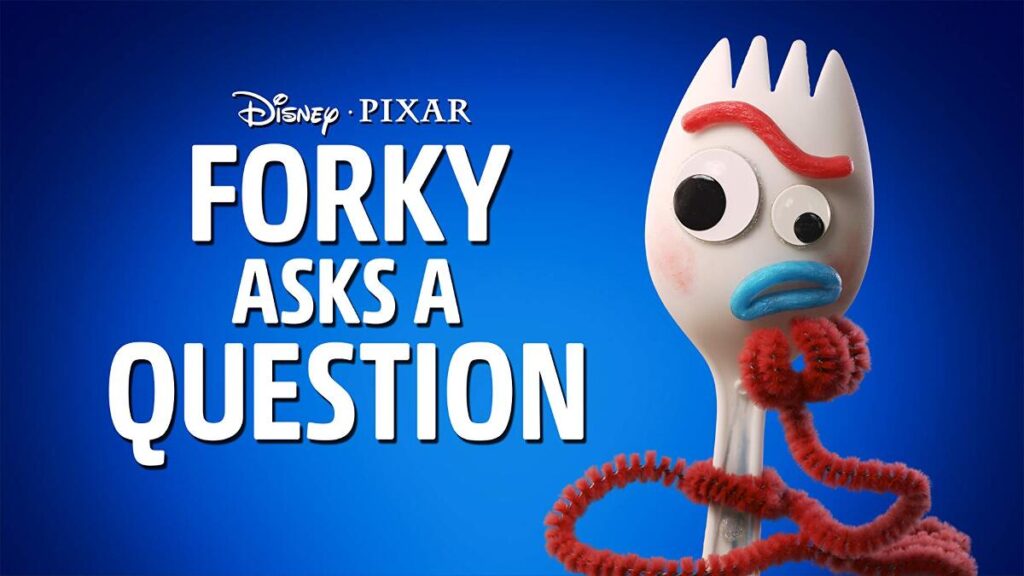
Plus, it was the bosses of the 'Mouse Corporation' who decided to premiere feature-length films simultaneously in theaters and on online platforms (because of this, by the way, there was a scandal with the solo film ), thinking that this way they would reach a larger audience, since during the pandemic people unlearned going to the cinema.
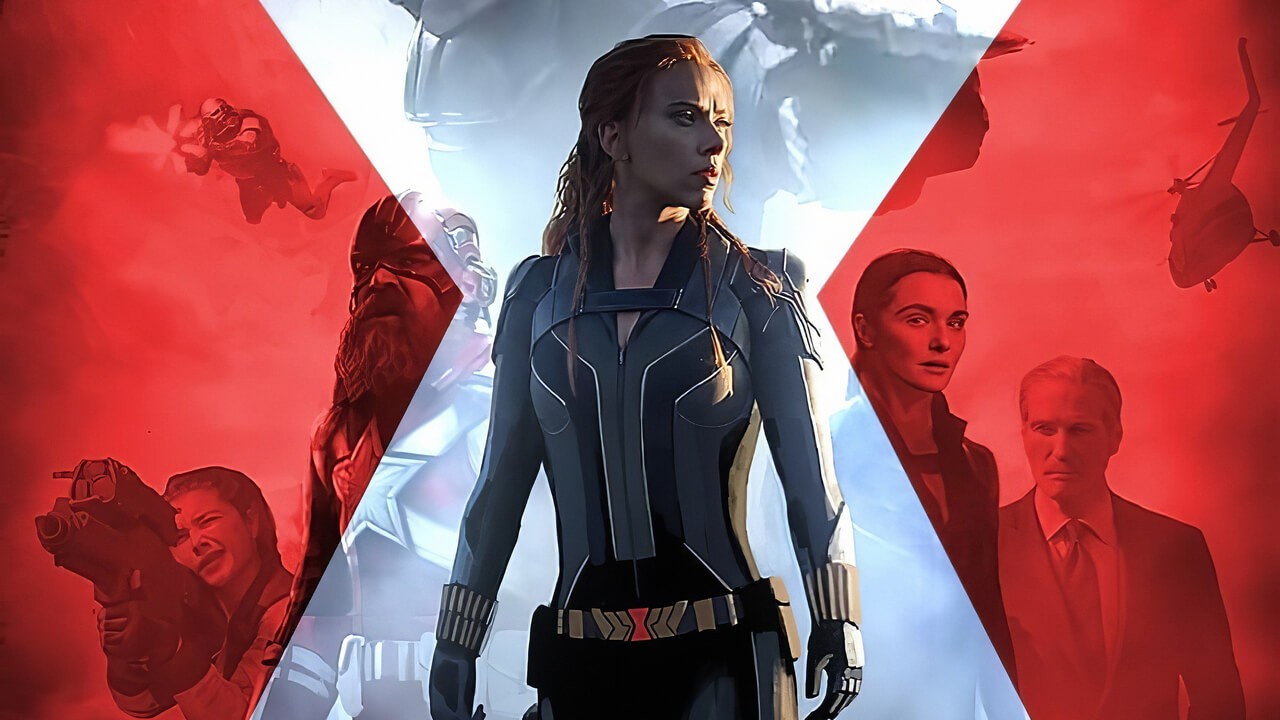
We explain why 'Black Widow' turned out to be not at all the film everyone had been waiting for so long.
Open materialRight before the pandemic, Catmull and Lasseter left the 'lamp company.' While the first retired, the second left due to scandals about harassment and inappropriate behavior. Currently, the company is headed by Pete Docter and Jennifer Lee (by the way, Pixar's first female director). The change in leadership is also often cited as a reason for financial failures.
The studio met its black streak with the failure of the touching 'Onward,' then came the charming 'Soul' and , 'Lightyear' was close to breaking even, but was heavily criticized by viewers and experts. And then came the completely failed 'Turning Red,' which fans immediately dubbed Pixar's worst project.
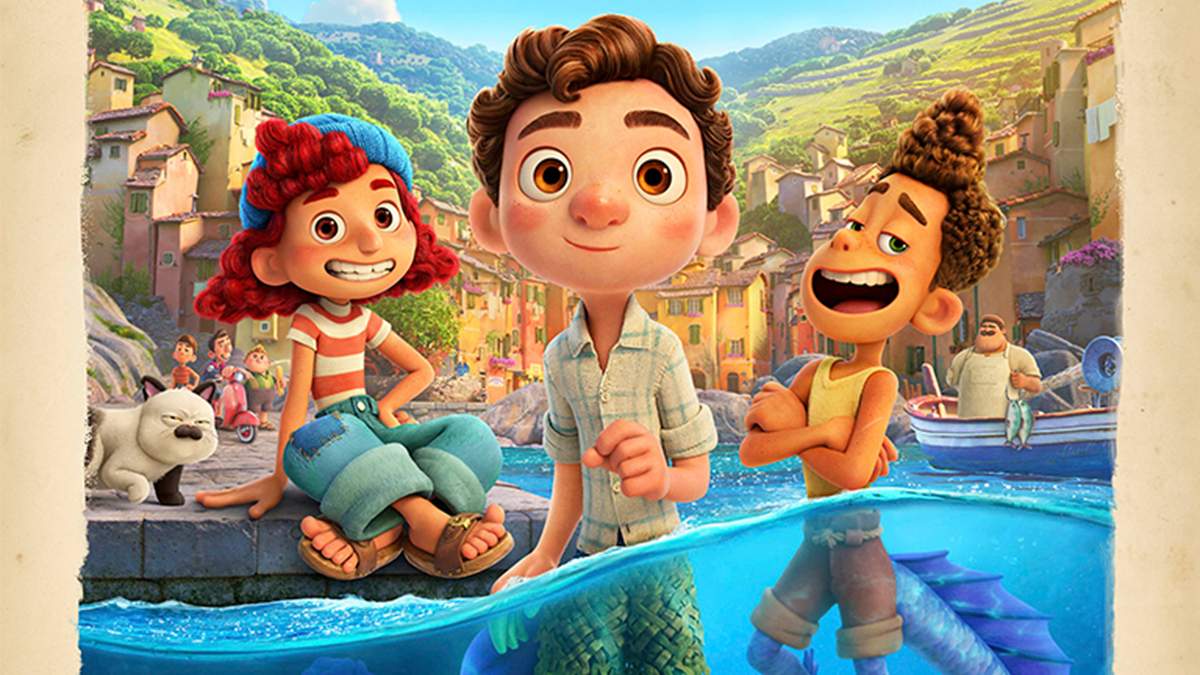
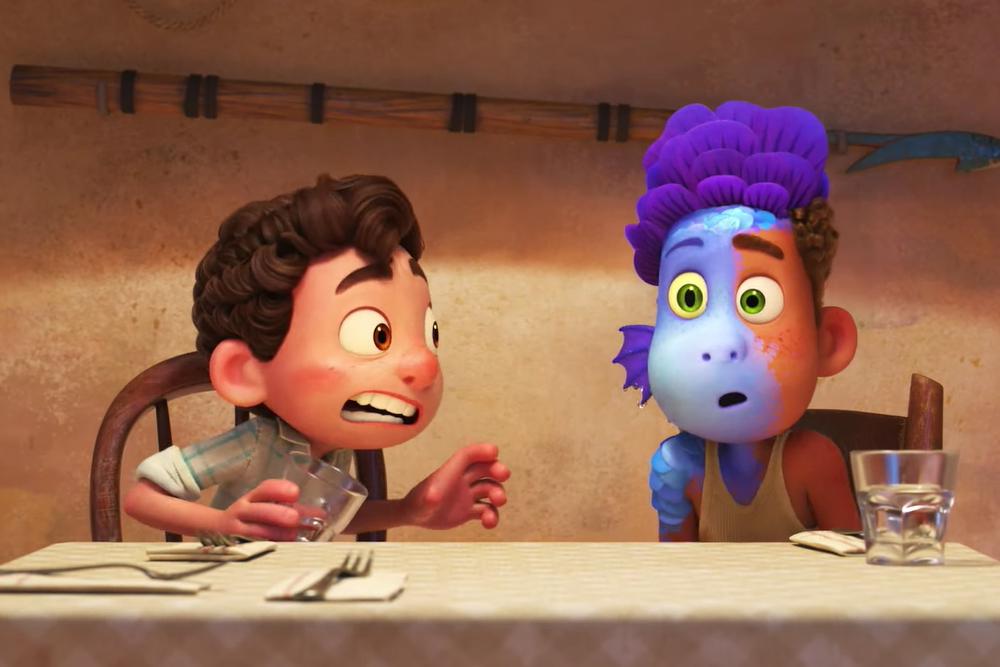
Disney began to bleed in the animation field, so they took a risk by making an exclusive theatrical release of the cartoon , and... broke even! For the first time since the pandemic began.
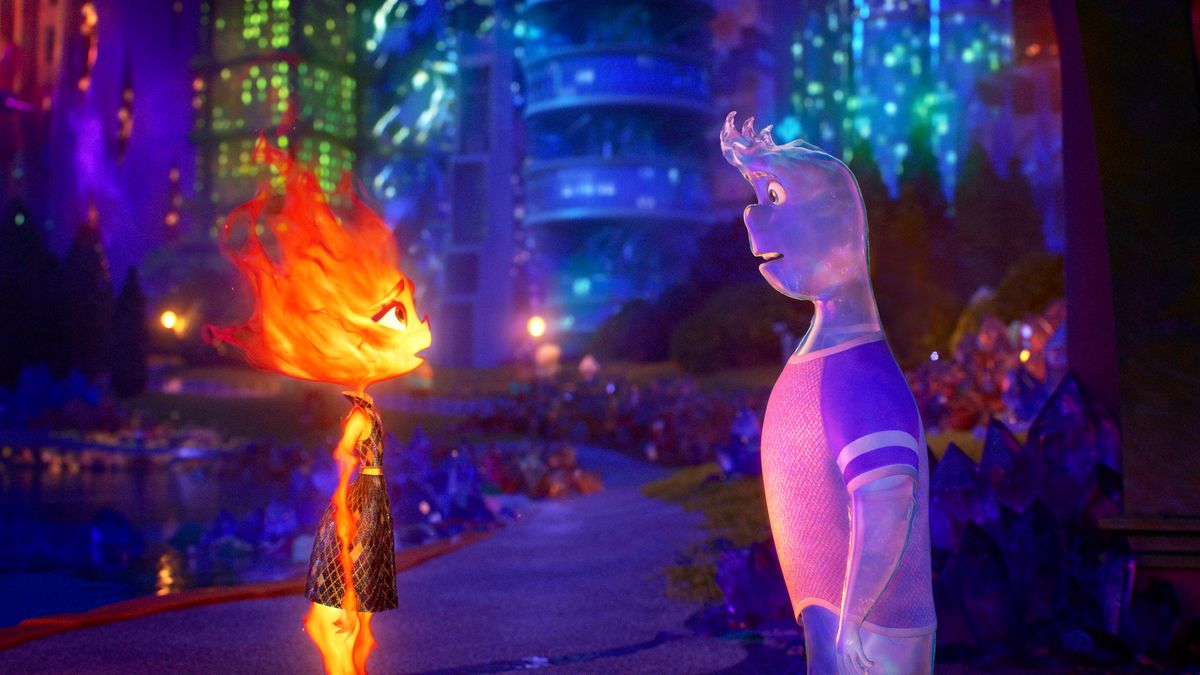
For the first week now, 'Elemental' has been trying to squeeze either a tear or at least money for recoupment from the viewer – a sluggish, like a flower grown under the armpit of one and
Open materialThis result led management to new conclusions:
- Pixar will no longer make series, only feature films.
- Pixar's staff must be reduced by 20 percent (in the end, only 14% were cut).
- All premieres first in theaters, and only then release on streaming platforms.
- We will no longer expand the universe. We will churn out sequels.
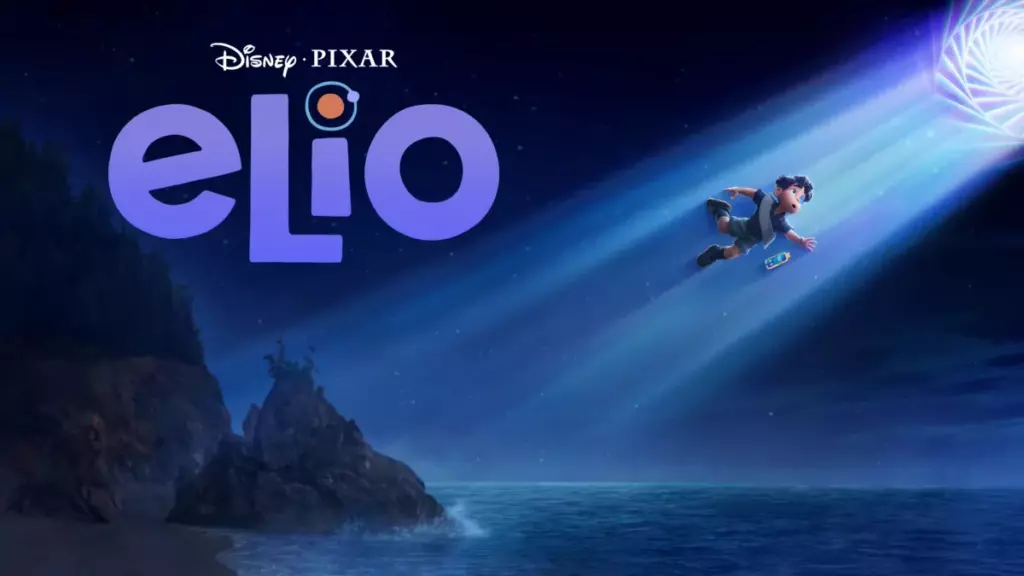
As a result, the upcoming cartoon 'Elio' will be the last original project (at least in the foreseeable future), and in 2026 we will see... 'Toy Story 5' (the fifth part, Carl! it's as relevant as the meme with you, Carl!). Honestly, it's unclear what to expect. 'Elemental' really seems like a project pulled out of thin air, while 'Ratatouille 2' would be, at the very least, an intriguing sequel (personally, I would gladly watch it). However, such decisions, made and approved by management, are more stressful than inspiring. Why forcibly limit ideas? Although, maybe this will be an opportunity for indie animation to conquer its viewers in the field of the giant studios' labored cartoons? Whatever the case, time will tell.
Comments
0No comments yet.
Sign in to join the discussion.